
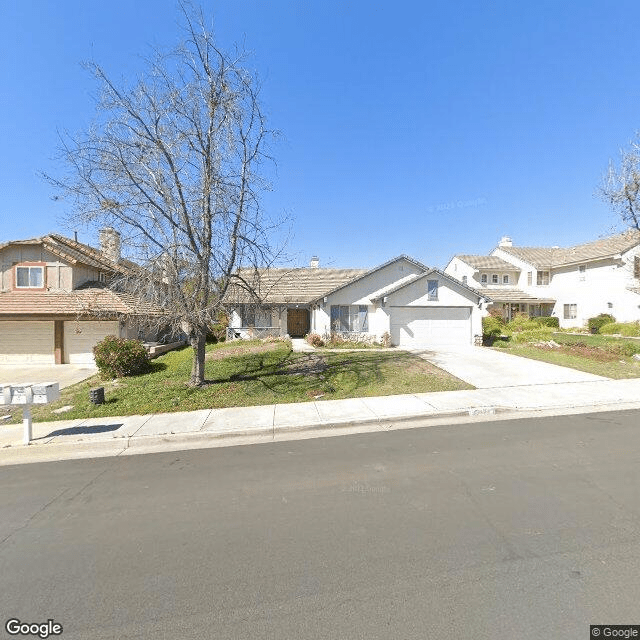
39785 Spinning Wheel Dr., Murrieta, CA 92562
To contact a resident: (951) 813-1263
For more information about senior living options: (866) 208-4318
Providence Residential Care Costs & Pricing
Providence Residential Care offers competitive pricing for its services, particularly when compared to the broader market prices in Riverside County and California as a whole. For instance, the cost of a semi-private room at Providence is $1,800 per month, significantly lower than the county average of $2,844 and the state average of $3,333. Similarly, both studio and private rooms at Providence are priced at $2,300 each, which again stands in stark contrast to Riverside County's studio rate of $3,559 and private room rate of $3,474. Even against state averages of $4,145 for studios and $3,939 for private rooms, Providence Residential Care maintains an appealing affordability. This makes it an attractive option for individuals seeking quality residential care without compromising on comfort or care standards.
| Floor plans | Providence Residential Care | Riverside County | California |
|---|---|---|---|
| Semi-Private | $1,800 | $2,844 | $3,333 |
| Studio | $2,300 | $3,559 | $4,145 |
| Private | $2,300 | $3,474 | $3,939 |
Memory care communities with a similar price nearby
-
from +$200 / mo
Vandelon 3
$2,000 to $3,000 / month17.5 miles away -
from +$200 / mo
Spring Brook Home Care
$2,000 to $2,800 / month3.4 miles away -
from +$188 / mo

Sun City Gardens
$1,988 to $3,291 / month7.8 miles away -
from +$200 / mo

Famous Home
$2,000 to $2,800 / month16.1 miles away -
from +$200 / mo
Vandelon Home Care
$2,000 to $3,000 / month15.3 miles away
Overall Review of Providence Residential Care
Pros
 The place is clean and neat.
- The man is very nice.
Cons
 The place didn't seem to have planned activities.
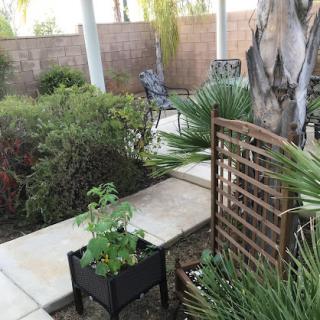
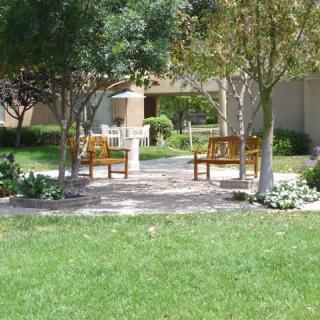
- The yard was not welcoming.
Review
Providence Residential Care in Murrieta is best suited for seniors who want a clean, quiet, home-like setting and can function with a modest level of structured programming. It suits residents who prize neat, unobtrusive surroundings and sleep easy in a calm environment, where daily needs are met without a bustle of activity. This setting favors those who can thrive with predictable routines and minimal social demands, rather than those chasing an active, engaged calendar or extensive assistance.
Those weighing alternatives should consider whether a lively social scene, frequent outings, and outdoor appeal are non-negotiable. The available impressions note a lack of planned activities and an unwelcoming yard, signaling a mismatch for residents who rely on a robust activity schedule or who want a more inviting outdoor space for regular recreation. Families aiming for high levels of engagement, frequent group programming, or vibrant campus life may find stronger fits elsewhere.
On balance, the strongest positives are clear: the facility reads as clean and neat, with a quiet atmosphere that can ease anxiety and support rest. An impression of approachability from staff, summed up as “a very nice man”, suggests residents may receive courteous, dependable daily interactions. These strengths provide some cushion against the gaps in programming, because a tidy, low-stress background accommodates meticulous routines and a sense of safety.
However, the absence of planned activities and the unwelcoming outdoor environment are meaningful gaps. For seniors who need regular social contact to stay connected, maintain cognitive engagement, or simply enjoy companionship, the lack of structured opportunities can quickly erode quality of life. The quiet vibe, while calming for some, risks becoming isolating for others who rely on daily group activities, shared hobbies, and purposeful engagement to structure the day.
To navigate a decision, families should request current calendars of events, staff-to-resident ratios, and processes for care planning. Visiting at different times can reveal whether staff responsiveness and resident interaction vary by shift. A close look at common areas and the yard, evaluating safety features, accessibility, and potential for outdoor activity, will clarify whether the physical setting can support the resident’s preferred lifestyle. Clarify meal service quality, dietary accommodations, transportation options, and, crucially, the all-in cost versus services received to gauge true value.
In the end, Providence Residential Care is a practical option for those prioritizing cleanliness, quiet, and straightforward care in a modestly sized, home-like environment. It is less suited for residents who require regular, structured programming and an inviting outdoor experience to sustain social and cognitive vitality. If a resident thrives on a calm pace and minimal activity, this community can be a dependable match; if, instead, a vibrant, activity-rich culture and engaging grounds are non-negotiable, it is prudent to explore alternatives with stronger programming and more welcoming outdoor spaces.
 Board and Care Home
 Memory Care
 Cats allowed
 Indoor common areas
 Outdoor common areas
 Private
 Private bathrooms
 Respite or short term stays offered
 Wheelchair accessible showers
 Ambulatory care
 High acuity care
 Incontinence care
 Kosher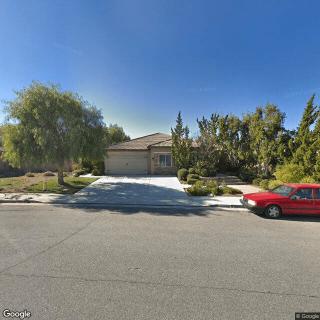

 How to Communicate with a Loved One Living with Dementia: 10 Supportive Strategies
 Comprehensive Guide to VA Nursing Homes: A Crucial Long-Term Care Resource for Veterans
 Estimating the Expenses of At-Home Dementia Care: A Detailed Exploration