24077 Grafton Avenue, Murrieta, CA 92562
For more information about senior living options: (866) 208-4318
Excel Assisted Living Costs & Pricing
At Excel Assisted Living, the monthly cost for a private room is set at $4,250. This figure reflects not only the quality of care and services offered but also positions Excel above the average costs in Riverside County, where the typical monthly expense for similar accommodations is approximately $3,474. In comparison to the broader landscape of California's assisted living facilities, where costs average around $3,939 per month, Excel's pricing demonstrates a commitment to providing exceptional care tailored to individual needs. While it may be higher than both county and state averages, many families may find that the enhanced services and personalized support justify this investment in their loved ones' well-being.
| Floor plans | Excel Assisted Living | Riverside County | California |
|---|---|---|---|
| Private | $4,250 | $3,474 | $3,939 |
Assisted Living communities with a similar price nearby
-
About the same
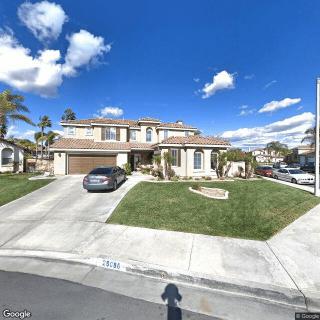
Boundless Care for the Elderly
$4,200 to $4,500 / month3.6 miles away -
from -$250 / mo
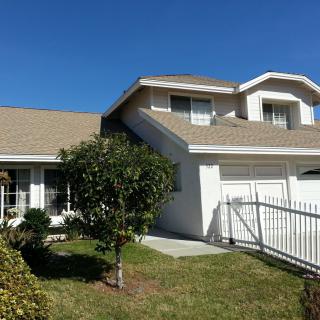
Blue Skies of Oceanside
$4,000 to $5,000 / month22.2 miles away -
from -$250 / mo
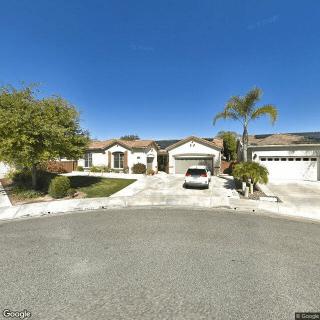
Temple Court Senior Care
$4,000 to $4,500 / month4.1 miles away -
from -$750 / mo
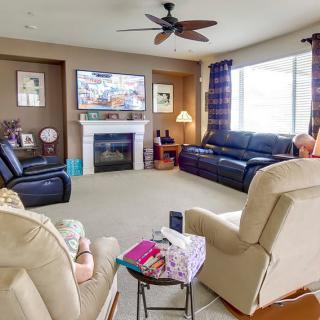
Starr Homecare
$3,500 to $4,500 / month6.6 miles away -
from -$450 / mo

Highgate Senior Living-Temecula
$3,800 / month6.4 miles away
Overall Review of Excel Assisted Living
Pros
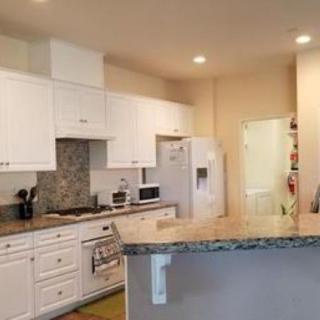
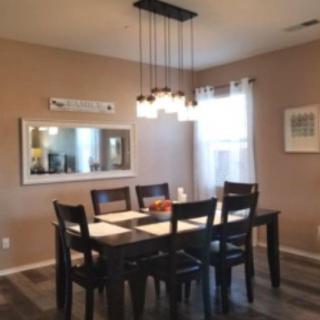
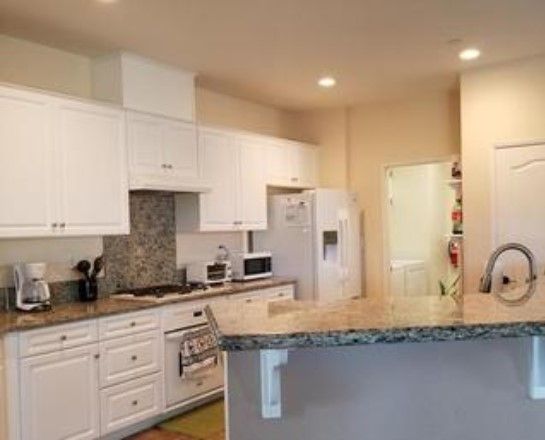
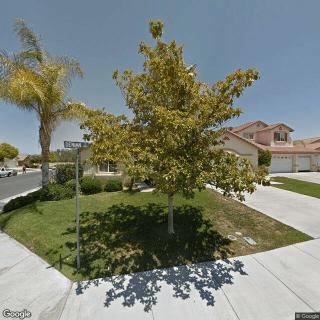
 The facility sits in a beautiful neighborhood and looks like one of the nice homes on the block.
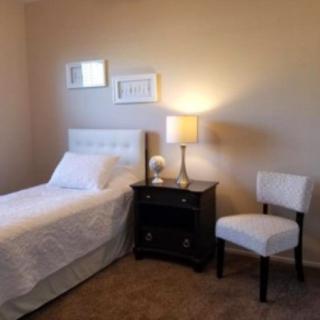
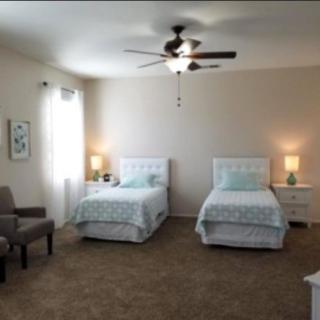
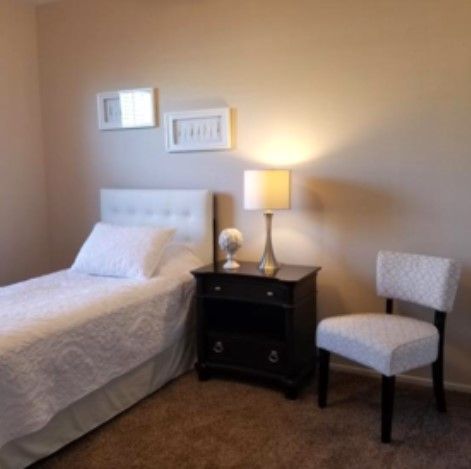
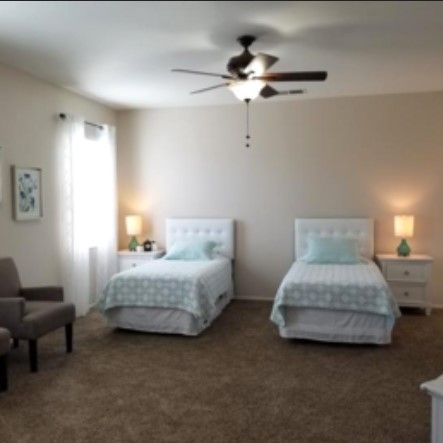
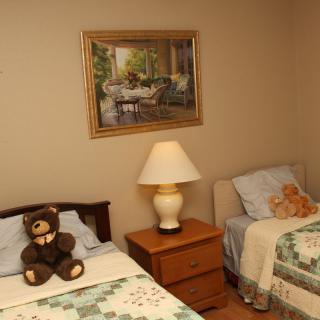
- It is always very clean, and the private room is neat and well maintained.
- She is well taken care of and is always in good spirits and appears happy.
- The staff are incredibly nice and friendly.
- The facility is well worth looking into for families facing assisted living decisions.
- With only a handful of occupants, it can provide plenty of attention.
- Her husband could not have found a nicer place for his wife.
Review
Excel Assisted Living in Murrieta is best suited for families seeking a small, home-like setting where residents receive highly individualized attention, particularly for ones with relatively stable or lightly assisted needs who value cleanliness, warmth, and a calm, intimate environment. The community sits unobtrusively in a quiet Murrieta neighborhood, housed in a structure that could pass for one of the area’s well-kept residences. This physical setting signals a non-institutional experience, where residents are not shuffled into a large campus but rather nurtured in a space that emphasizes personal dignity and ease. The strongest impression is the sense that a person’s daily life can be managed with patience and close, unobtrusive oversight.
Those evaluating this option should also recognize who may want to consider alternatives. If extensive medical supervision, specialized memory care, or a lively program of group activities are non-negotiable, other facilities with larger staff teams or formal memory care wings may serve better. For residents with complex clinical needs, frequent rehabilitative therapies, or a need for more extensive on-site healthcare resources, the scale and scope of Excel Assisted Living could feel limited. Families should align expectations with the resident’s current and anticipated care trajectory to avoid a mismatch between needs and capabilities.
The core strengths here are tangible and reassuring. Cleanliness stands out, with common areas and private rooms kept meticulously tidy, signaling a well-maintained environment. The private room appears to be kept in orderly, comfortable condition, contributing to a sense of personal dignity and ease. The staff come across as genuinely friendly and approachable, creating an atmosphere where visits feel welcoming and conversations with caregivers become routine rather than transactional. The resident described as being in good spirits and clearly well cared for reinforces the positive feedback: a home-like setting can translate into consistent mood stability and daily comfort, which matters greatly when the goal is preserving autonomy and peace of mind.
These strengths, while powerful, must be weighed against the inherent trade-offs of a smaller operation. The upside, high staff attention and a low-stress, intimate environment, also implies potential limits in the breadth of services, activity options, and rapid escalation of medical needs. The main question becomes whether the anticipated level of oversight, social engagement, and on-site programming aligns with the resident’s current and near-future requirements. The good news is that the favorable aspects tend to offset typical drawbacks by delivering predictable, personalized care; the caveat is to verify staffing stability, daily activity options, and how quickly clinical support can scale if health conditions change.
Practical steps emerge for families during tours and conversations. Ask to see a typical weekly activities calendar to gauge social engagement and cognitive stimulation opportunities; inquire about staff-to-resident ratios during day and evening shifts; and confirm what on-site medical support exists, including visiting clinicians, medication management, and emergency response protocols. Observe caregiver interactions with residents for warmth, patience, and responsiveness rather than scripted politeness, and inspect not just private rooms but the overall flow of daily routines, meals, housekeeping, and quiet time. If memory care or more intensive supervision is a concern, request clarity on how transitions would be handled and what guarantees exist for moving to higher levels of care when needed.
In the end, Excel Assisted Living stands out for families prioritizing a calm, home-like atmosphere, meticulous cleanliness, and truly attentive care in a smaller setting. For residents whose needs are well matched to a gentle pace, consistent companionship, and personalized, human-scaled service, the pros strongly offset the lack of expansive programming or broad medical resources. However, for those requiring robust clinical oversight, strong memory-support infrastructure, or a dynamic, activity-rich campus, exploring alternatives will be wise to ensure the chosen community aligns with both current needs and future contingencies.
 6 resident community capacity
 Assisted Living
 Board and Care Home
 Cable or satellite TV
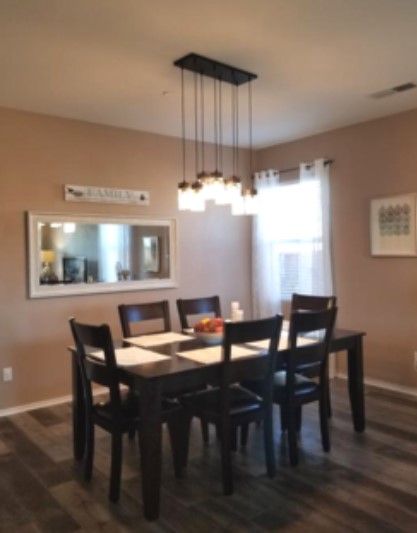
 Dining room
 Fully furnished
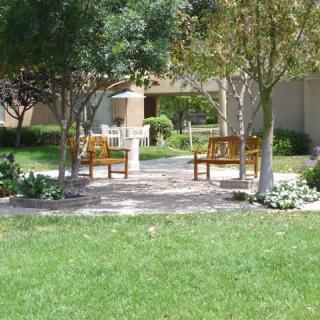
 Garden
 Housekeeping services
 Move-in coordination
 Outdoor space
 Telephone
 Wi-Fi/high-speed internet available
 24-hour supervision
 Activities of daily living assistance
 Assistance with bathing
 Assistance with dressing
 Assistance with transfers
 Diabetes diet
 Meal preparation and service
 Medication management
 Special dietary restrictions
 Transportation arrangement (medical)
 Transportation to doctors appointments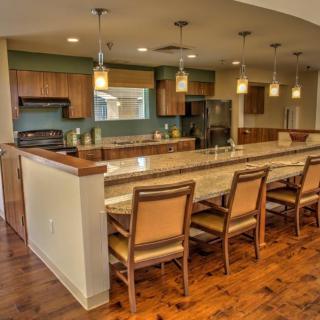




 Medicare Coverage for Assisted Living: An In-Depth Exploration
 Choosing the Right Senior Care: A Detailed Exploration of Assisted Living and Nursing Homes
 Understanding the True Cost of Assisted Living in 2025: A Comprehensive Guide