Pacifica Living Center offers competitive pricing for its resident accommodations when compared to both Riverside County and broader California averages. The monthly costs for a semi-private room are $2,500, significantly lower than the county average of $2,844 and the state average of $3,333. For those seeking more privacy, Pacifica's private rooms are priced at $3,000, again more affordable than Riverside County's $3,474 and California's average of $3,939. Lastly, the one-bedroom units at Pacifica Living Center come in at $3,200 - a price point that remains below the county's $3,611 and state average of $4,340. This positioning not only underscores Pacifica Living Center's commitment to providing quality care but also emphasizes its value within the market.
Floor plans
Pacifica Living Center
Riverside County
California
Semi-Private
$2,500
$2,844
$3,333
Private
$3,000
$3,474
$3,939
1 Bedroom
$3,200
$3,611
$4,340
Memory care communities with a similar price nearby
from +$300 / mo
Pebble Brook Senior Home Care
5 from 42 reviews
$2,800 to $4,000 / month
10.1 miles away
About the same
Golden Retreat - Senior Residential Care
5 from 11 reviews
$2,500 to $3,000 / month
24.8 miles away
from +$300 / mo
Bianca's Home Care
4.9 from 9 reviews
$2,800 to $3,400 / month
23.9 miles away
About the same
Golden Horizon Home I
4.8 from 12 reviews
$2,500 to $2,800 / month
23.6 miles away
from -$300 / mo
Diamond Residential Care Facility for the Elderly of Murrieta
Residents and families repeatedly describe the staff as kind and attentive to day-to-day needs.
Many reviewers say the staff is caring, professional, and easy to work with, including front-desk and care team members. Several mention individual staff members being responsive, making residents feel at home, and following through when questions come up. A few reviews also flag slower call response at times, but even those acknowledge the staff’s outward friendliness.
common18 reviews mention this
Facility is kept clean and well kept
Reviewers frequently comment on the facility feeling clean, organized, and well maintained.
A recurring theme is that the building looks spotless and runs in a smooth, organized way. Multiple reviewers connect that cleanliness with feeling comfortable and safe when they visit or move in. Some residents mention maintenance-related concerns like aging building issues, but the stronger pattern across reviews is regular upkeep and prompt maintenance when problems arise.
common16 reviews mention this
Activities help residents stay engaged
Residents and families often point to community activities that keep people busy.
Several reviews mention a steady calendar of activities, including games and puzzles, live music, and opportunities to attend events with other residents. Reviewers also describe community spaces for gathering and participating, and a few say staff encourages residents to join in. A couple of reviews focus on dining and staffing issues rather than activities, but most feedback frames activities as a key part of daily life.
caveat10 reviews mention this
Dining quality is mixed, with exceptions
Dining gets both compliments and complaints about consistency and support in the dining room.
Many reviewers say the food is good, with some specifically calling out taste and that the dining room has a lively atmosphere. Others complain about longer meal delivery times, food matching what was advertised, and the dining room being understaffed at points. The community also offers meal preparation and service with support for special dietary restrictions, including diabetes-related diets, which aligns with at least some of the structured dining expectations.
differentiator13 reviews mention this
Care coordination is a major theme
Reviews often describe care coordination that includes medication support and assistance with daily living.
A number of reviewers emphasize medication management, help with activities of daily living, and staff support during health or personal issues. Several families describe staff coordinating care and responding to changing needs, including memory care and transitions into the community. While most praise centers on competence and communication, a small set of reviews raise concerns about call response time and supervision during emergencies.
common2 reviews mention this
Nearby errands are close by
The community sits near common errands like pharmacies and medical offices.
Nearby places listed include multiple pharmacies and physician offices within about half a mile to under a mile. There are also several casual dining options within a few miles. This supports reviews that describe practical day-to-day convenience for visiting families.
caveat3 reviews mention this
Some safety and access complaints
A few reviews raise concerns about safety procedures and access when residents need help.
One reviewer describes doors being locked, including emergency doors, and questions whether that is appropriate. Another review reports delays answering calls when help is needed and describes negative experiences with supervision. These are exceptions compared with the larger volume of positive care and responsiveness feedback, but they are still recurring enough to note.
How we summarize
Counts show how many written reviews mention each theme; a review can touch several themes, and only frequently mentioned themes are displayed.
Features
Housing
6 resident community capacity
Types of Care
Assisted Living
Board and Care Home
Memory Care
Amenities
Cable or satellite TV
Dining room
Fully furnished
Garden
Housekeeping services
Move-in coordination
Outdoor space
Private
Telephone
Wi-Fi/high-speed internet available
Care Services
24-hour supervision
Activities of daily living assistance
Ambulatory care
Assistance with bathing
Assistance with dressing
Assistance with transfers
Coordination with health care providers
Diabetes diet
Diabetic care
Incontinence care
Meal preparation and service
Medication management
Special dietary restrictions
Transportation arrangement (medical)
Transportation to doctors appointments
Dining
Diabetes diet
Special dietary restrictions
Activities
Community-sponsored activities
Scheduled daily activities
Nearby Places of Interest
This part of Murrieta, California, offers convenient access to essential amenities and services that may be beneficial for seniors looking to settle in the area. With multiple pharmacies located within a few miles, obtaining medications and healthcare supplies is made easy. In addition, there are various physicians' offices nearby, providing accessible medical care. A variety of dining options cater to different tastes ranging from fast food chains like Chick-Fil-A and McDonald's to sit-down restaurants such as Richie's Real American Diner. Places of worship like St Martha Catholic Church are also in close proximity for spiritual fulfillment. Parks like Los Alamos Hills Sports Park offer recreational opportunities while cafes like Starbucks provide a cozy atmosphere for socializing and relaxation. The AMC Temecula theater is just a short drive away for entertainment options. Overall, this neighborhood provides a well-rounded environment with necessary conveniences for comfortable senior living in Murrieta.
Pharmacies
Walgreens (0.5 miles)
CVS Pharmacy (0.9 miles)
Walgreens (2.4 miles)
Rite Aid (2.5 miles)
CVS Pharmacy (2.7 miles)
Nufactor (4.3 miles)
Longevity By Nature (4.4 miles)
Physicians
Thomas David Lobue (0.5 miles)
Becker Pediatrics (0.6 miles)
Valley Internal Physicians (0.6 miles)
Renuance Cosmetic Surgery Center (0.8 miles)
Inland Empire Gastroenterology (0.9 miles)
Valley Internal Physicians (0.9 miles)
Ivy Medical Billing (1.4 miles)
Restaurants
Chick-Fil-A (1 miles)
McDonald's (1.7 miles)
In-N-Out Burger (2 miles)
Richie's Real American Diner (2 miles)
The Hat, World Famous Pastrami (2.3 miles)
McDonald's (2.4 miles)
Jack In The Box (2.5 miles)
Places of Worship
St Martha Catholic Church (2.2 miles)
Calvary Chapel Conference Center Murrieta Hot Springs (3.4 miles)
Pacifica Living Center offers competitive pricing for its resident accommodations when compared to both Riverside County and broader California averages. The monthly costs for a semi-private room are $2,500, significantly lower than the county average of $2,844 and the state average of $3,333. For those seeking more privacy, Pacifica's private rooms are priced at $3,000, again more affordable than Riverside County's $3,474 and California's average of $3,939. Lastly, the one-bedroom units at Pacifica Living Center come in at $3,200 - a price point that remains below the county's $3,611 and state average of $4,340. This positioning not only underscores Pacifica Living Center's commitment to providing quality care but also emphasizes its value within the market.
Pacifica Living Center's comprehensive range of services is designed to address the unique needs of residents with dementia or Alzheimer's disease, ensuring their well-being and quality of life. Assistance with dressing and bathing helps residents maintain personal hygiene and dignity, while medication management ensures they receive the correct dosages at the right times, alleviating concerns about missed medications that can affect their health. Meal preparation and service cater to dietary needs, enhancing nutrition and encouraging social interaction during mealtimes. Transportation arrangements for medical appointments facilitate access to necessary healthcare while minimizing stress for both residents and families. Coordination with healthcare providers ensures a holistic care approach, integrating various aspects of health management. Activities of daily living assistance promotes independence through support in routine tasks, while 24-hour supervision provides peace of mind by ensuring safety at all times. Additionally, incontinence care addresses sensitive issues with compassion, maintaining comfort and dignity for residents as they navigate the challenges associated with cognitive decline.
Nearby Communities
White's Love & Care Residential Elderly Home
Murrieta, CA
3 from 2 reviews
Small, home-like setting with personalized assistance and comprehensive care services.
Murrieta Gardens- Memory Care
Murrieta, CA
4.2 from 104 reviews
$4,850 to $5,850 / month
Compassionate staff with strong family communication and an engaging, activity-filled, clean, home-like environment.
Murrieta Gardens
Murrieta, CA
4 from 56 reviews
$2,050 / month
Small, intimate memory-care community with caring staff and engaging activities.
Lafayette Home Care 1
Murrieta, CA
1 from 1 review
$2,000 to $3,000 / month
Competitive pricing below Riverside County and California averages, with private rooms and on-site memory care amenities.
Heritage Residential Care II
Murrieta, CA
5 from 2 reviews
$2,500 to $4,000 / month
Excellent staff communication and compassionate care in a welcoming, faith-based community.
Murrieta Health And Rehabilitation Center
Murrieta, CA
4.3 from 124 reviews
Clean, comfortable rooms with attentive staff and active rehabilitation.
Renaissance Village Murrieta
Murrieta, CA
4.3 from 120 reviews
$3,395 to $5,400 / month
Beautiful, clean campus with extensive amenities and diverse care options.
The article emphasizes the significance of establishing a power of attorney for elderly parents to enable an agent to make decisions on their behalf regarding health and finances, especially during cognitive or physical decline. It outlines various types of power of attorney, the importance of consulting legal professionals, and the responsibilities and challenges faced by agents, while also discussing alternatives and common misconceptions.
Caregiver support groups are crucial for providing emotional and practical assistance to those caring for loved ones, offering resources, coping strategies, and a sense of community through various organizations and platforms. These groups help alleviate isolation and burnout while addressing the unique challenges faced by caregivers of individuals with specific conditions.
The guide outlines the complexities of Medicaid coverage for assisted living, highlighting significant state-to-state variations, limited coverage often restricted to personal care services, and the existence of specialized waivers for certain needs like memory care. It advises families to consult local Medicaid offices for options while emphasizing the importance of understanding state-specific regulations and facility policies.
Get PricingAsk A QuestionSchedule A TourContact Senior Advisor
By clicking submit, you agree to our Partner's Terms of Use. You
also consent to receive calls and texts, which may be autodialed, from our Partner. Your consent is not a condition to
using our Partner's service. Please visit our Partner's Privacy Policy for information about their privacy practices.

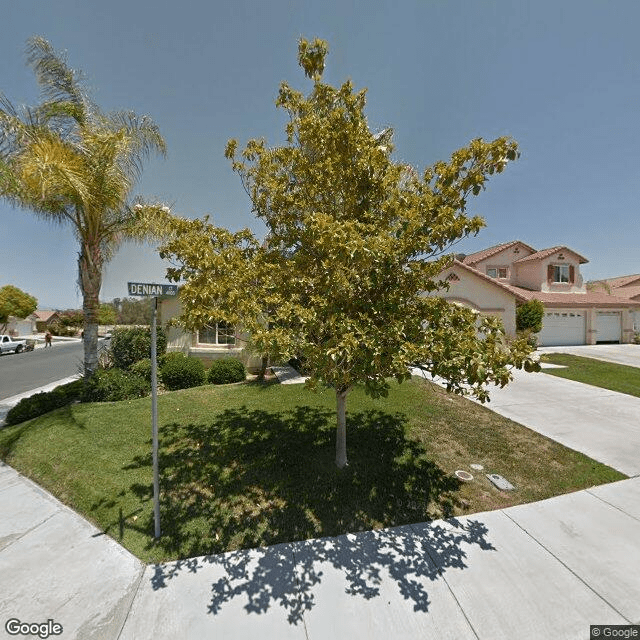


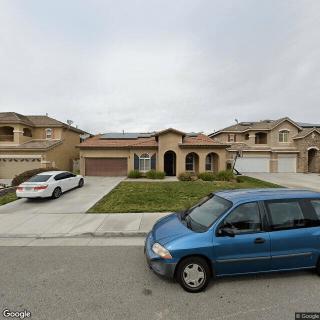
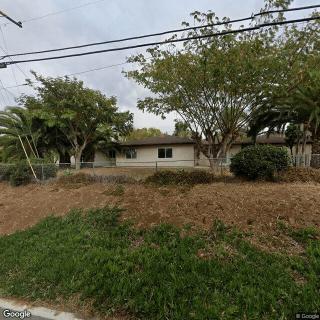

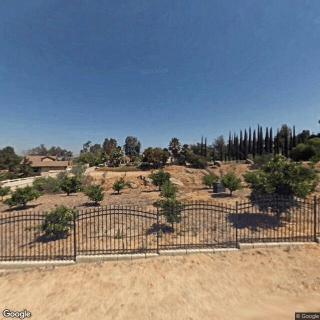
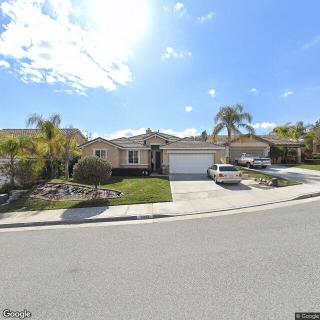
 6 resident community capacity
 Assisted Living
 Board and Care Home
 Memory Care
 Cable or satellite TV
 Dining room
 Fully furnished
 Garden
 Housekeeping services
 Move-in coordination
 Outdoor space
 Private
 Telephone
 Wi-Fi/high-speed internet available
 24-hour supervision
 Activities of daily living assistance
 Ambulatory care
 Assistance with bathing
 Assistance with dressing
 Assistance with transfers
 Diabetes diet
 Diabetic care
 Incontinence care
 Meal preparation and service
 Medication management
 Special dietary restrictions
 Transportation arrangement (medical)
 Transportation to doctors appointments
 Small, home-like setting with personalized assistance and comprehensive care services.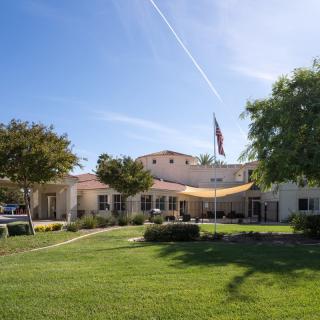

 Guiding Your Journey: Understanding Power of Attorney for Elderly Parents
 22 Remarkable Caregiver Support Groups Available Online and In-Person
 Understanding Medicaid Coverage for Assisted Living: A Comprehensive Guide