
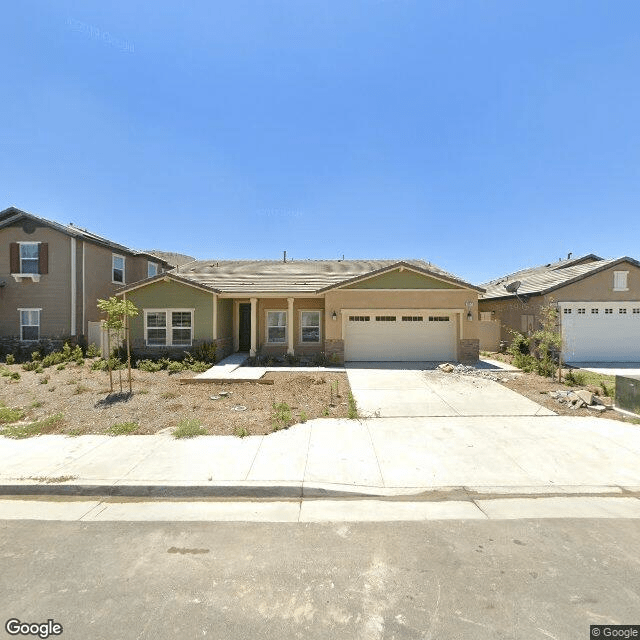
28571 Yarrow Way, Moreno Valley, CA 92555
To contact a resident: (951) 486-8060
For more information about senior living options: (866) 208-4318
Bella Cortina Costs & Pricing
Bella Cortina offers competitive pricing for its accommodations compared to both Riverside County and the broader California market. For a semi-private room, residents can expect to pay $3,000 per month, which is slightly higher than the county average of $2,844 but more favorable than the statewide average of $3,333. In terms of private rooms, Bella Cortina's fee of $4,500 reflects a premium that is above the local county rate of $3,474 and also surpasses the state average of $3,939. This pricing structure highlights Bella Cortina's positioning in the market as a facility that may offer enhanced services or amenities to justify these costs while still remaining within a reasonable range compared to regional options.
| Floor plans | Bella Cortina | Riverside County | California |
|---|---|---|---|
| Semi-Private | $3,000 | $2,844 | $3,333 |
| Private | $4,500 | $3,474 | $3,939 |
Senior living communities with a similar price nearby
-
from -$500 / mo
Valley Spring Elderly Care
$2,500 to $3,000 / month11.9 miles away -
from +$500 / mo
Aloha Residential Care
$3,500 to $6,500 / month25.0 miles away -
from +$500 / mo
Kun Bai Care
$3,500 to $4,500 / month18.8 miles away -
from -$100 / mo
Agate Manor
$2,900 to $3,800 / month19.4 miles away -
from -$200 / mo

Bianca's Home Care
$2,800 to $3,400 / month16.5 miles away
Overall Review of Bella Cortina
Pros
 The 1:1 care at Bella Cortina has significantly improved his dad's well-being.
- The home environment suits his dad's needs and feels like being in his own home.
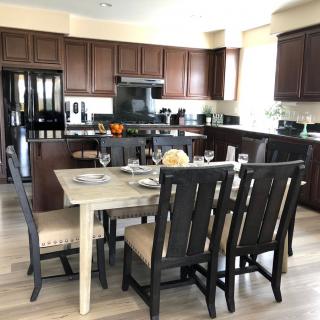
- His room is lovely, and the meals are great.
- There is always someone available to talk to if he chooses.
- The house is brand new and kept sparkling clean.
- They have arranged for a doctor to visit at home and a hairdresser to give haircuts.
- For families who cannot keep a parent at home, this is the next best place.
- This should be the model for senior care in the 21st century.
Cons
 The 95-year-old dad was not doing well in assisted living.
Review
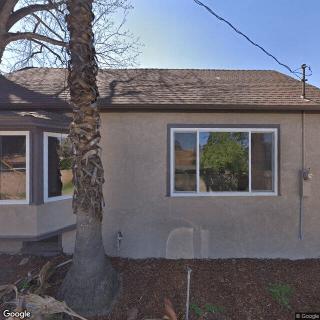
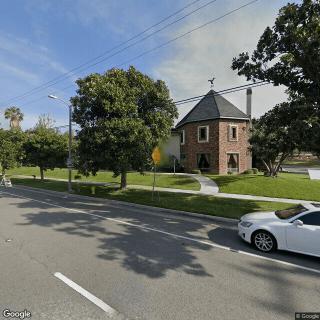
Bella Cortina in Moreno Valley is best suited for families seeking highly personalized, one-to-one care in a home-like setting for a frail senior who benefits from constant, attentive supervision rather than a large, traditional assisted-living campus.
The residents who thrive here tend to be those who value intimate attention and familiar routines over a bustling, multi-wing community. The reviews highlight a 95-year-old dad who improved markedly once care shifted to a setting that feels like a private home, with a private, well-appointed room, consistently available help, and meals that meet his preferences. The environment is described as brand-new and impeccably clean, with services you would expect in a home health scenario, on-site doctor visits and a hairdresser coming to the house, delivering a level of convenience and responsiveness that larger facilities often struggle to match. For families navigating caregiving from a distance, Bella Cortina offers the reassurance of professional, personable care delivered in a familiar atmosphere.
Those who may want to consider alternatives are primarily individuals seeking a robust social calendar and a broad slate of activities, or families prioritizing affordability and scale. A sizable community with dozens of residents typically provides a wider array of group programs, outings, and peer engagement opportunities; if these elements are non-negotiable, a larger campus could represent better alignment. Additionally, if specialized memory care, extensive rehabilitative therapies, or a long-term plan that anticipates escalating medical needs are central to decision criteria, exploring facilities with dedicated memory-care wings or larger medical teams may be prudent. Bella Cortina’s strength lies in intimate care, not in scalability or high-volume programming.
The strongest pros, deep, individualized attention, a home-like vibe, and a clean, purpose-built environment, create a compensatory balance against potential drawbacks. One-to-one care reduces the risk of social isolation and ensures consistent monitoring, which can translate into fewer missed cues about worsening conditions and a smoother daily routine. The private, well-kept rooms and a setting that mirrors living at home support autonomy and dignity, while meals that meet preferences and the availability of on-site services (doctor visits, haircuts) reduce the burden on family members and transportation logistics. In short, the personal touch and seamless access to professionals significantly offset what might otherwise be a drawback for seniors who would otherwise feel adrift in a larger, more impersonal campus.
Yet, the lack of a large-scale social program and the potential for higher ongoing costs are realities that must be weighed. The reviews do not reveal a broad activity calendar or diverse resident interactions, which could be a limitation for seniors who crave constant group engagement. The one-to-one model, while deeply supportive, may not substitute for peer-driven stimulation, and families should confirm the extent of daily activities and guest opportunities. Budget considerations also matter: the convenience of on-site services comes with its own price, and families should obtain a clear understanding of what is included versus what incurs extra charges, to avoid surprises later on.
For families evaluating Bella Cortina, practical diligence is essential. Inquire about staffing patterns and continuity, who will be the primary caregiver, how shifts are covered, and how consistent the bedside companionship remains during weekends and holidays. Clarify the medical support framework: the cadence of physician visits, who coordinates medications, and what back-up plans exist for urgent care. Probe the dining program for dietary accommodations, meal timing, and resident input into menus. Finally, map out the facility’s approach to activities, transportation if needed, and family involvement policies, ensuring there is a transparent path for transition should health needs evolve.
When the goal is a senior living solution that feels less like a facility and more like a furnished home with professional guardianship nearby, Bella Cortina delivers decisively. It is a compelling choice for those who prioritize personalized care, consistent human contact, and the comfort of a brand-new, clean environment. Those who require a broader social ecosystem or a more cost-conscious option may want to look elsewhere. A thoughtful tour, questions tailored to medical needs, and a clear picture of ongoing costs will reveal whether this setting truly fits the long-term trajectory of care. If the profile matches, this community stands out as a practical, effective choice for preserving dignity and daily functioning in a high-touch, home-centered model.
 Board and Care Home
 Private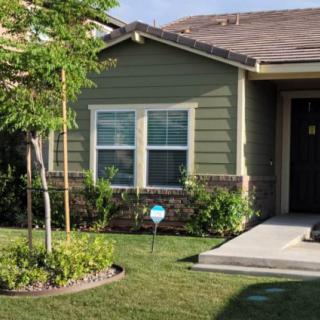

 Caregiver Exhaustion: Recognizing the Signs and Restoring Your Well-Being
 Understanding Hospice Care at Home: Comprehensive Services, Key Benefits, and Eligibility
 Understanding the Full Cost of 24/7 In-Home Care: A Detailed Overview