
Nightingale Care Assisted Living in Moreno Valley, CA

Save

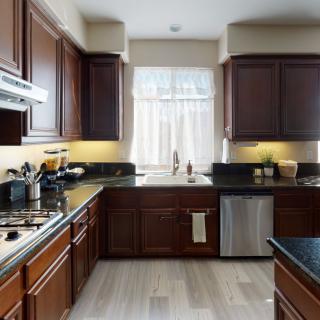
  • Interior

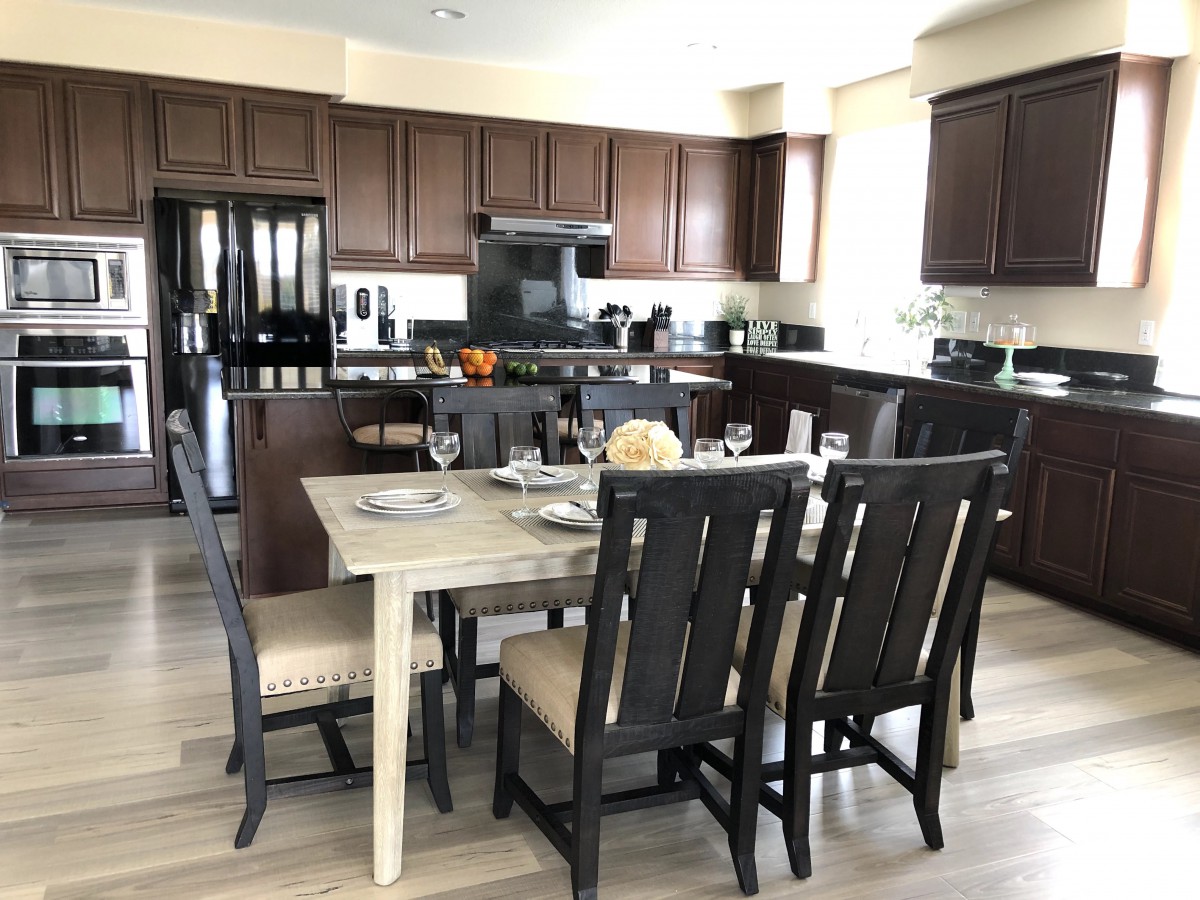
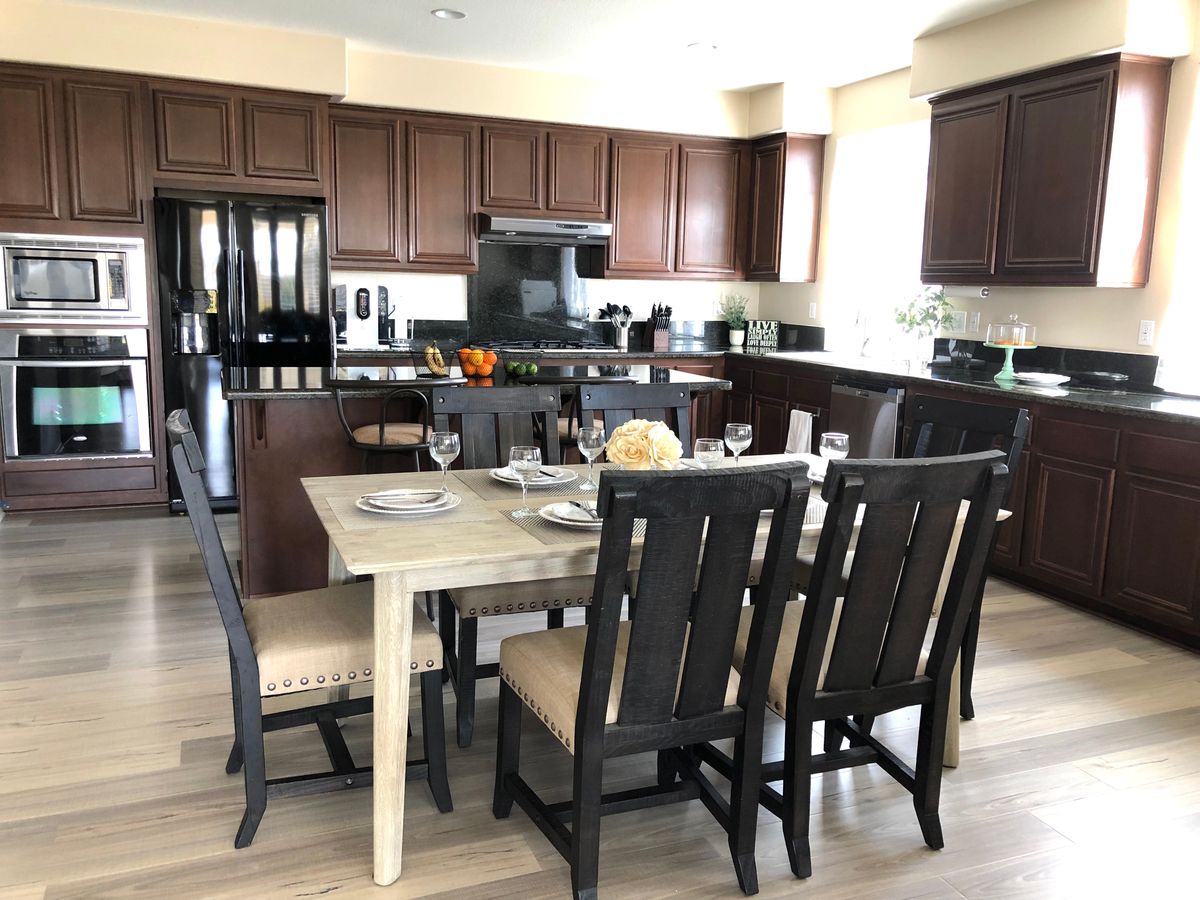
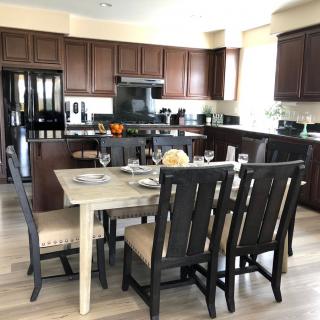
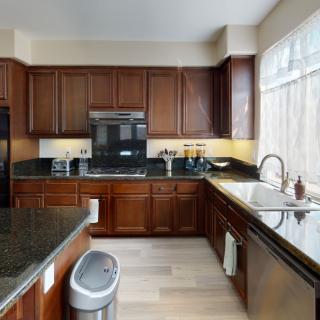
    A modern kitchen with wooden cabinets and a dining set.
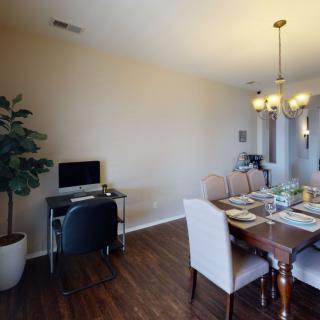
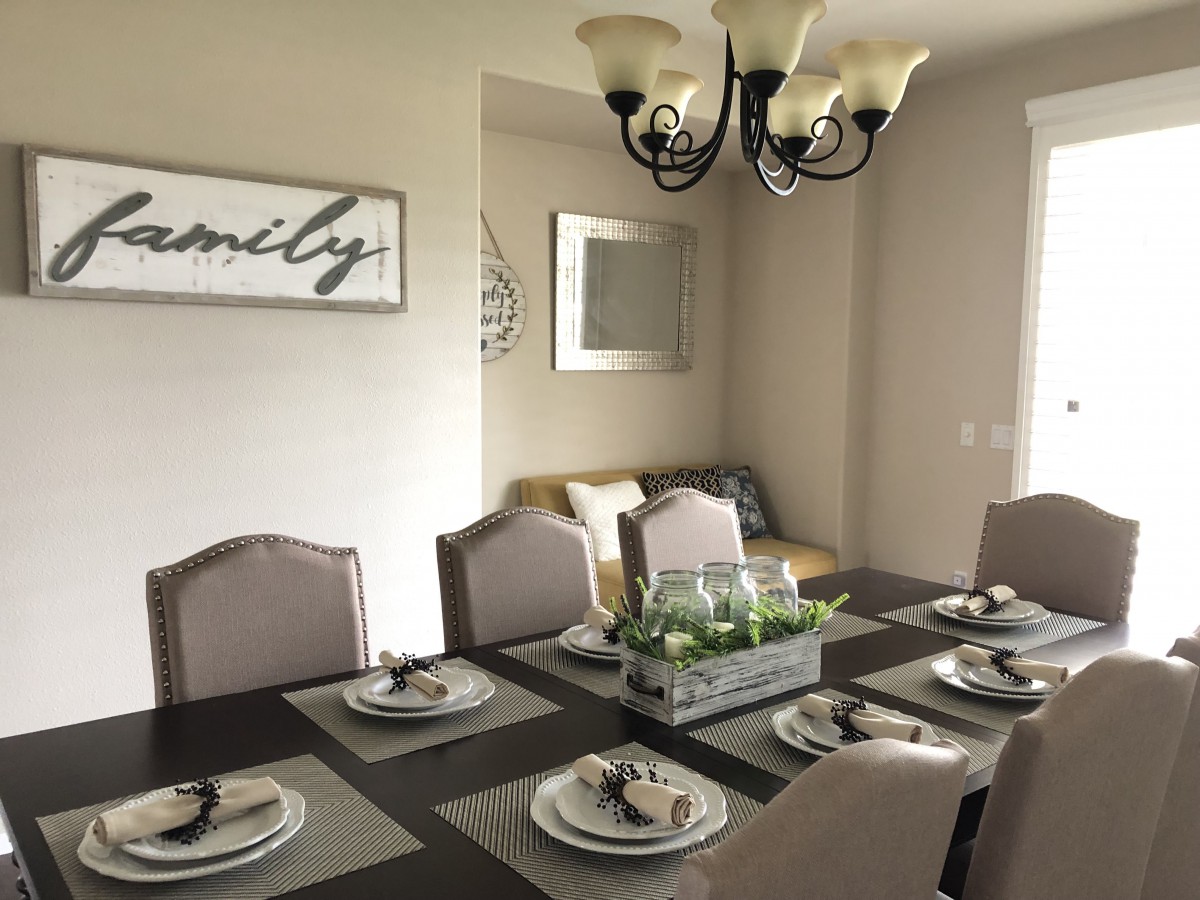
  • Decor

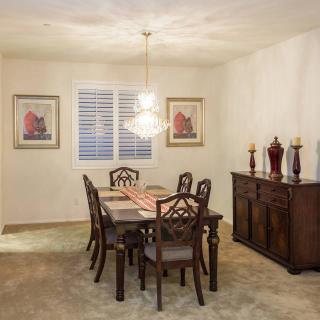
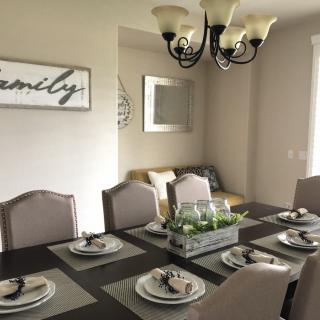
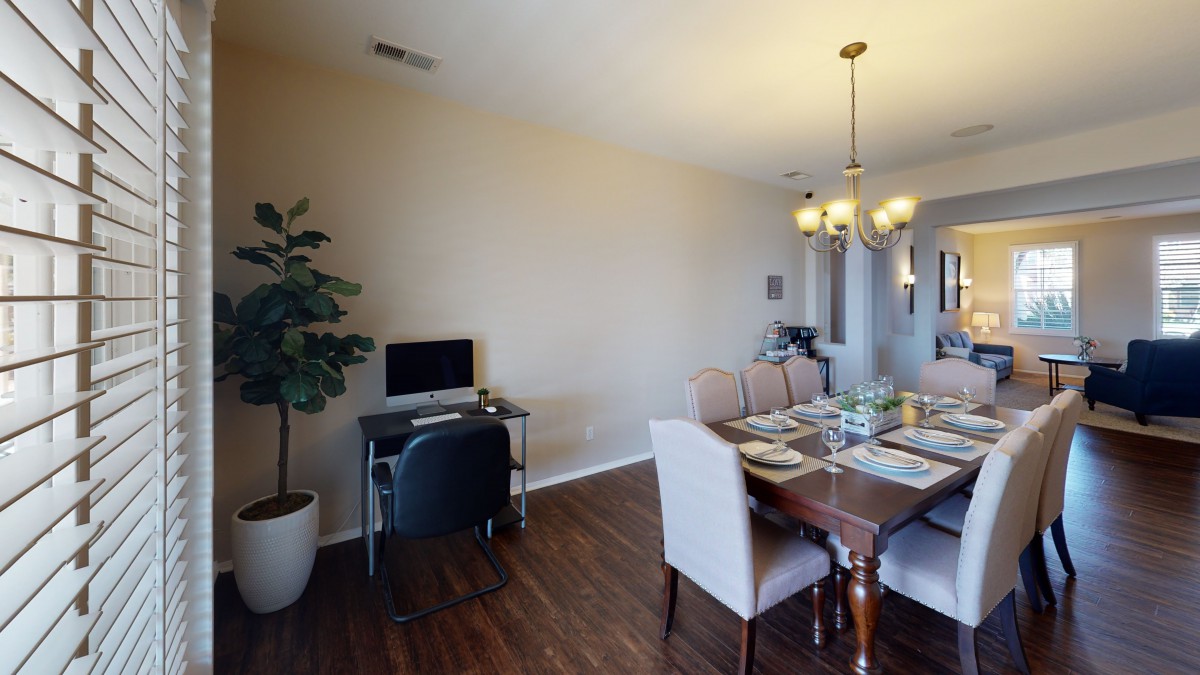
    A modern dining room with a neatly arranged table setting and elegant chandelier.
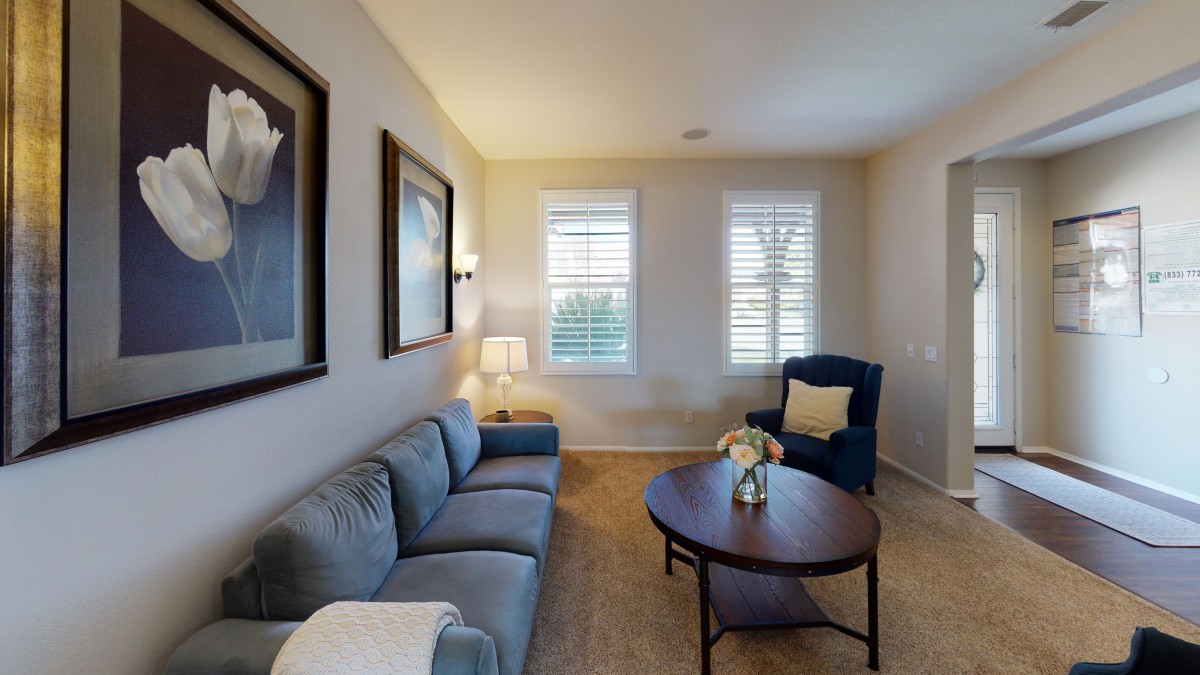
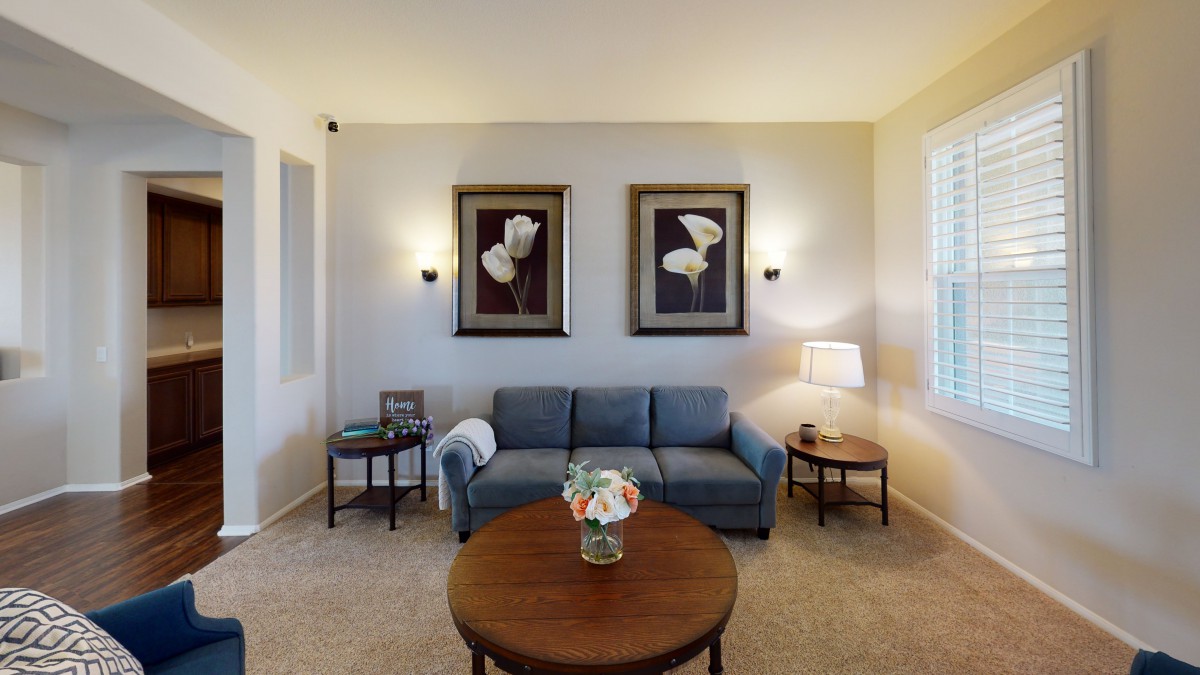
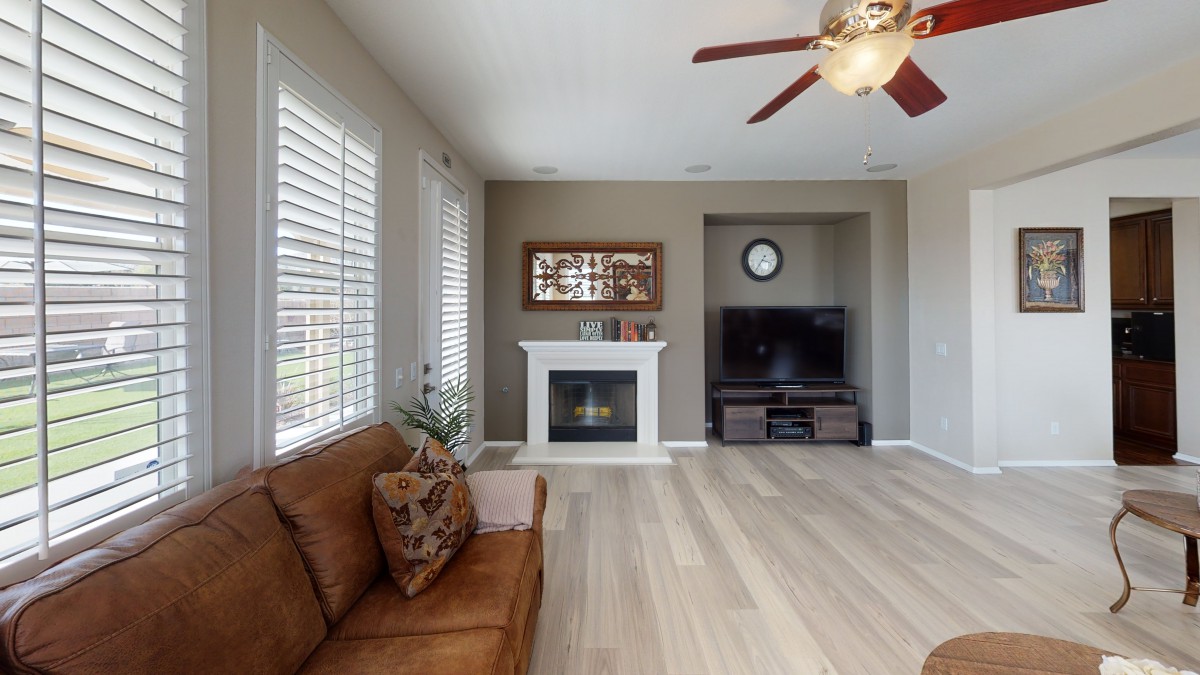
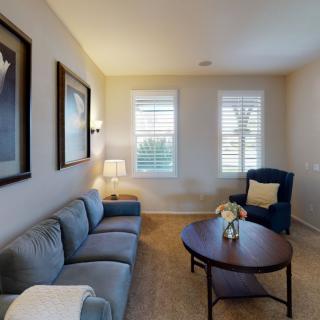
  • Living Room

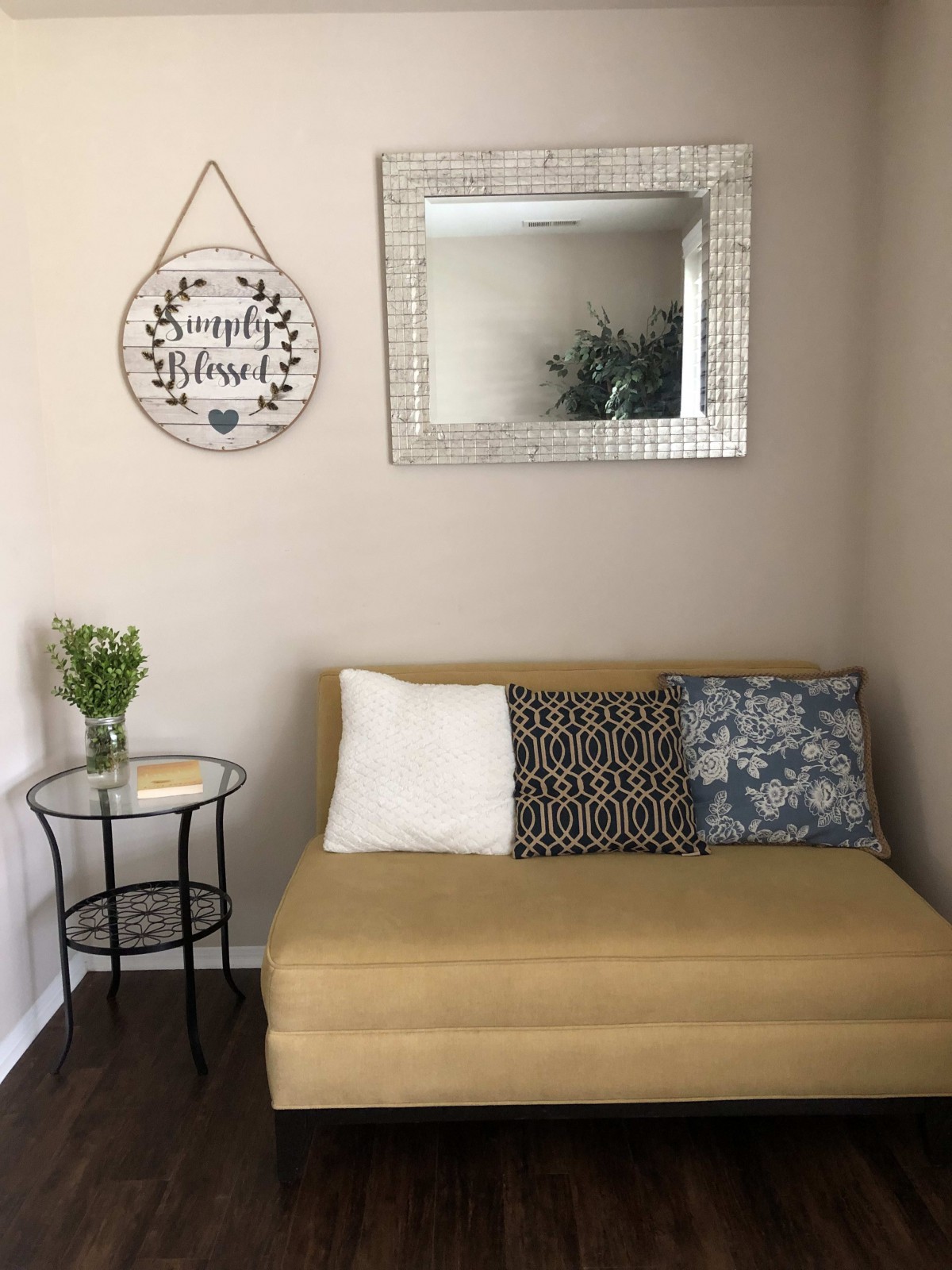
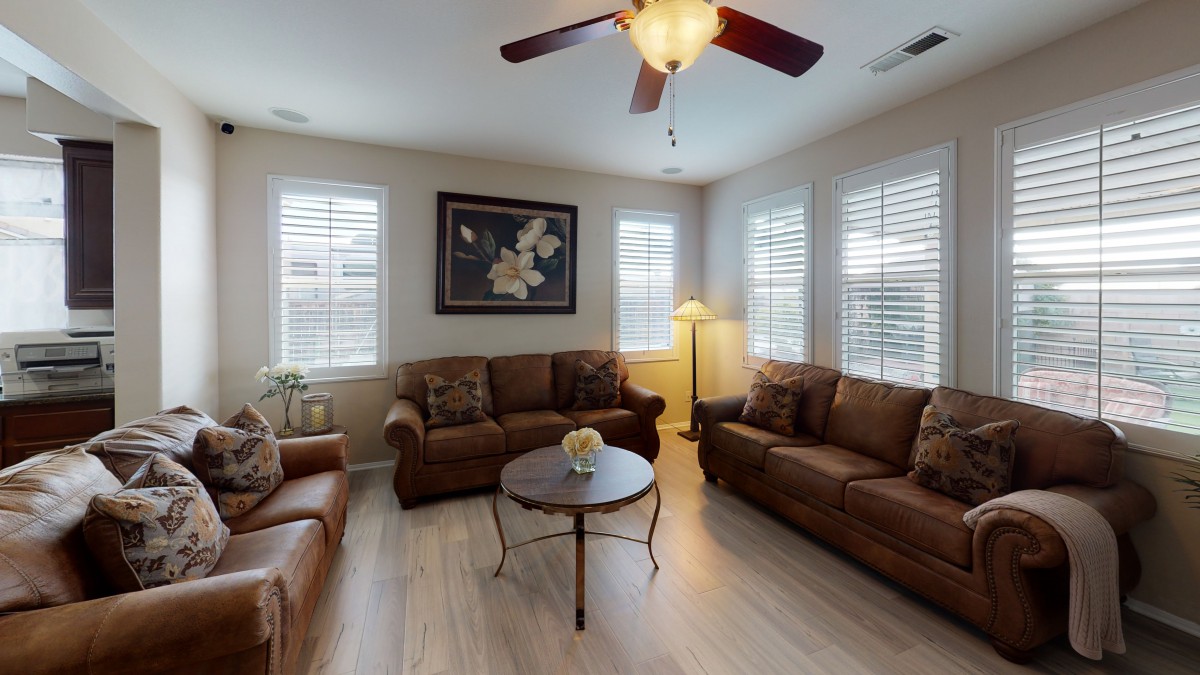
    A cozy living room with a comfortable sofa, an armchair, and a coffee table.
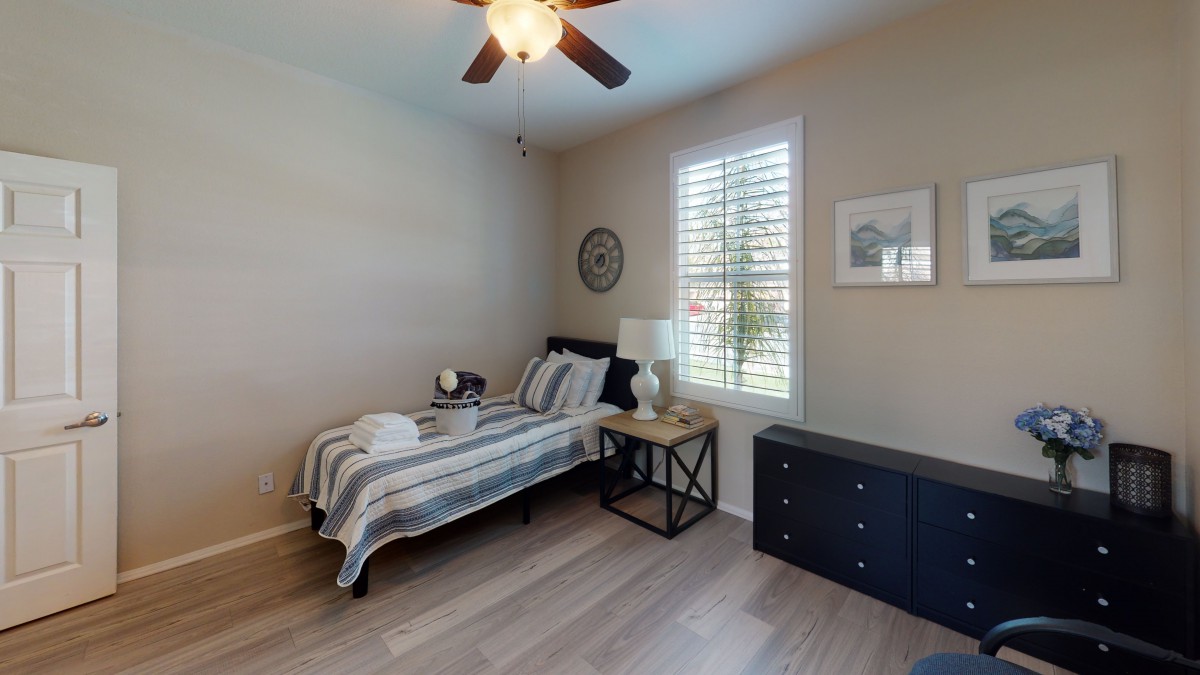
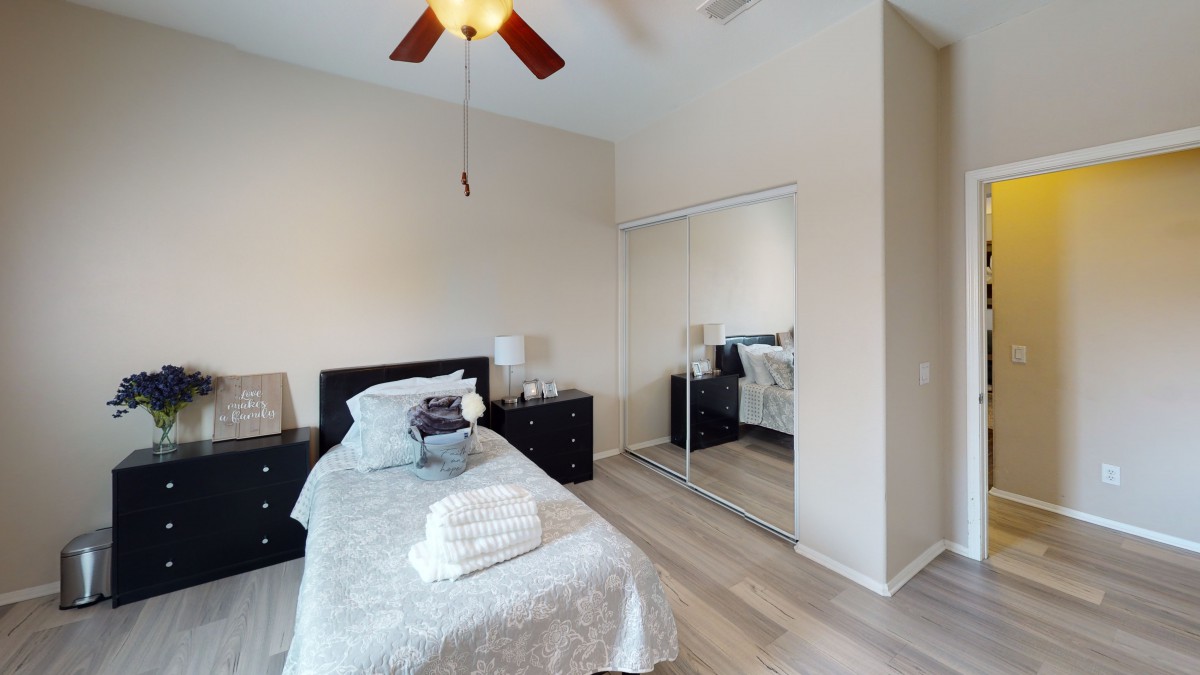
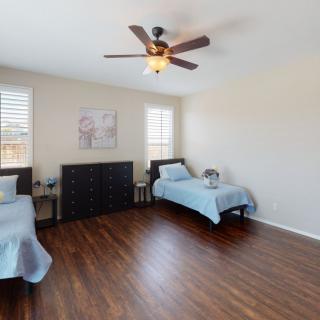
  • Bedroom

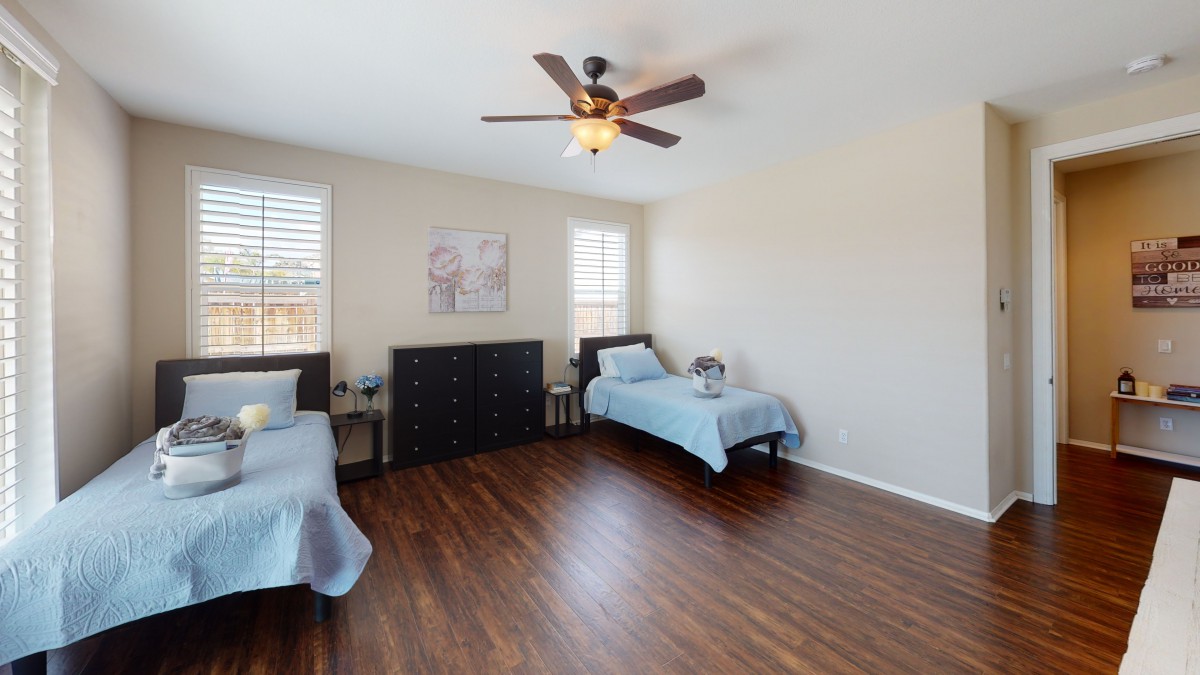
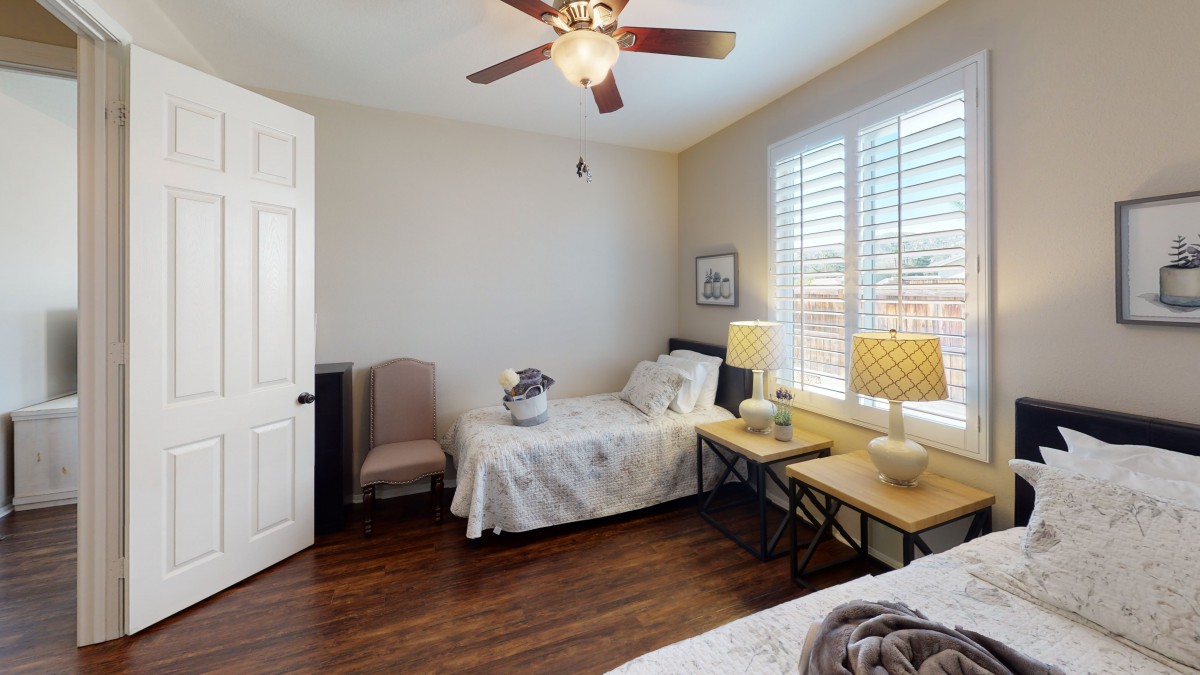
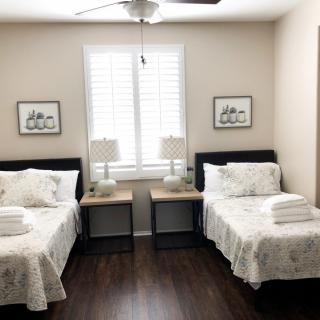
    A minimalist bedroom featuring twin beds, hardwood flooring, and a ceiling fan.
  • Trees

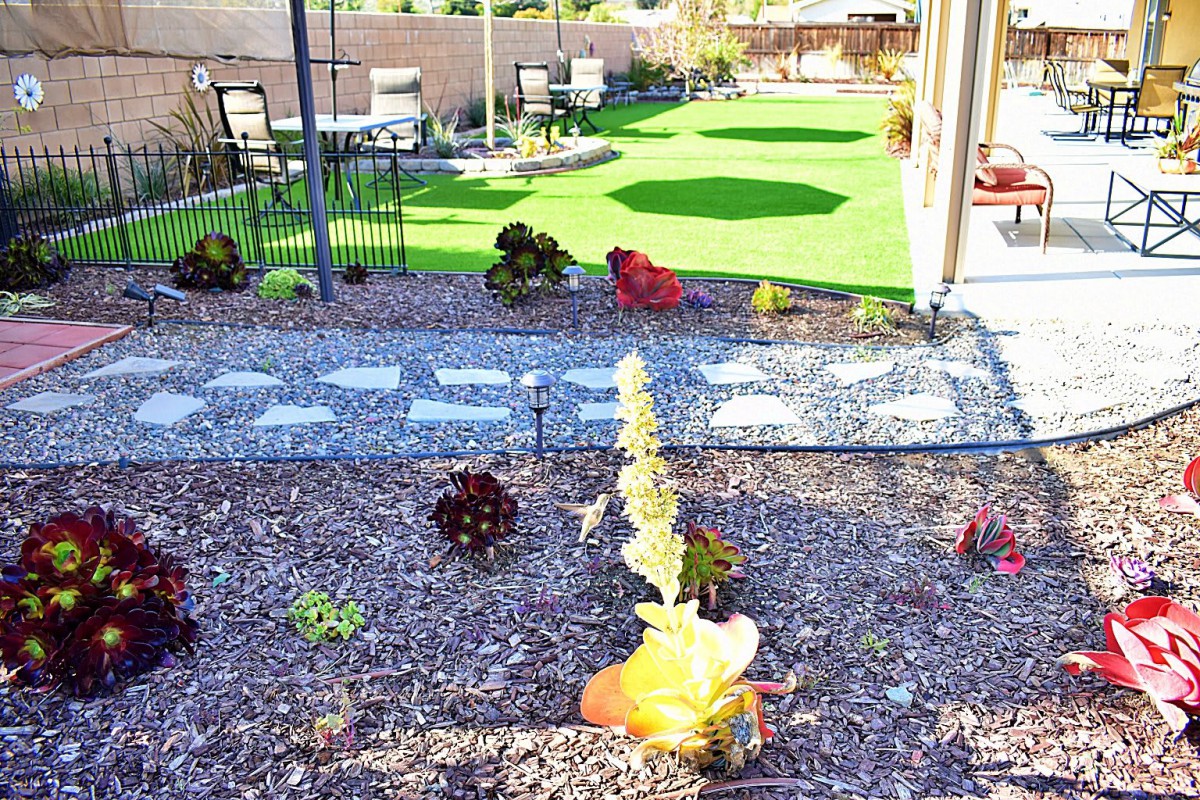
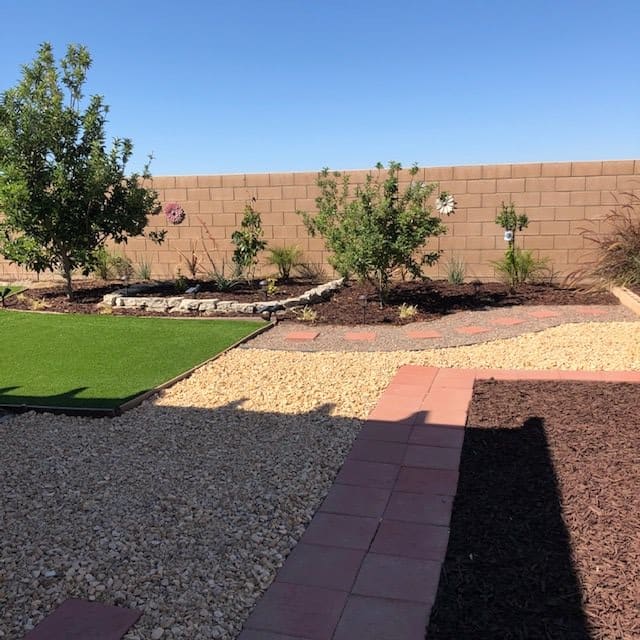
    A backyard with a stone path, trees, and mulch landscaping.
  • Windows

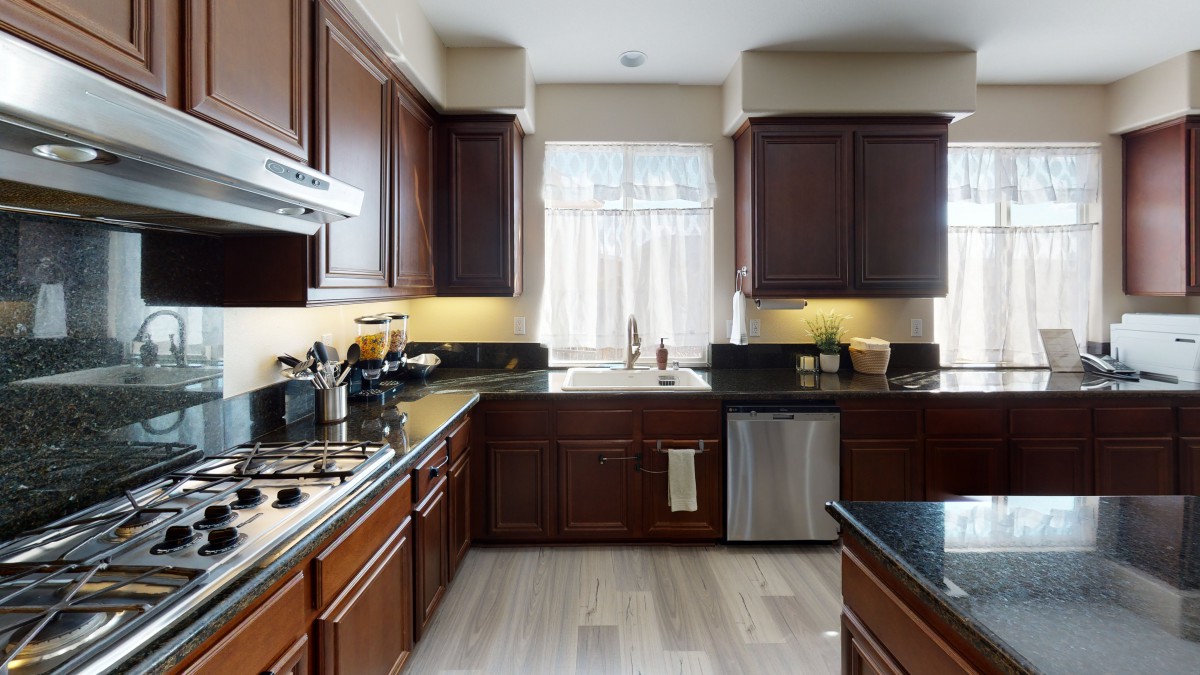
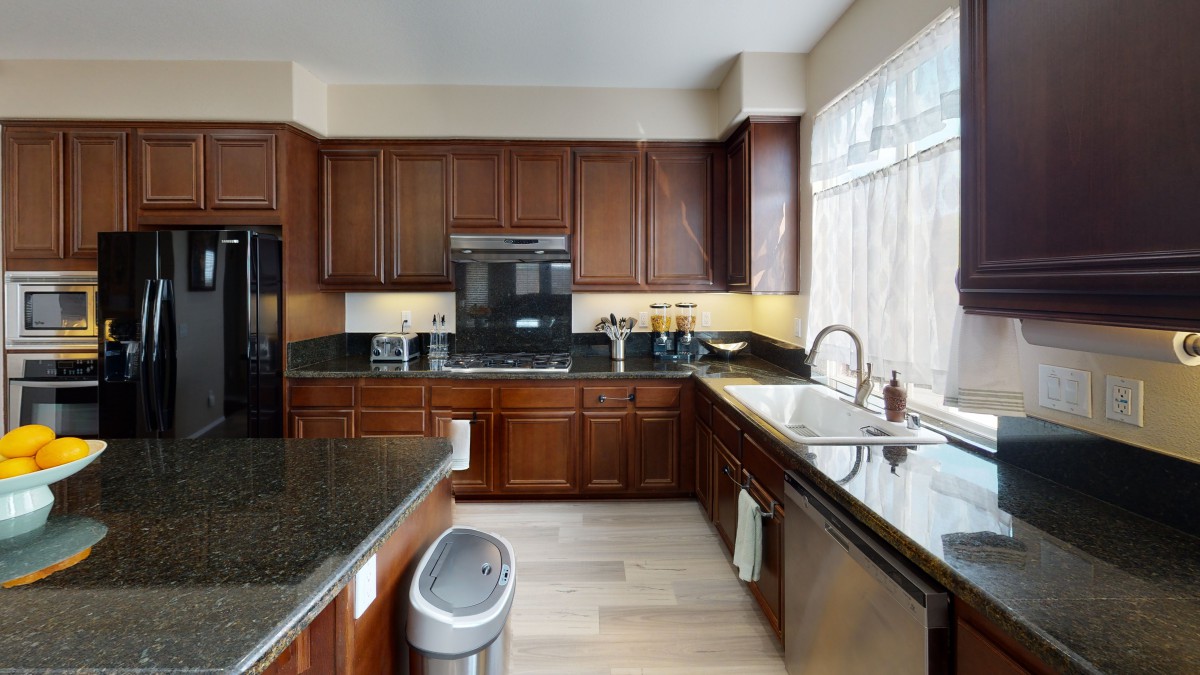
    A modern kitchen featuring dark wood cabinets and stainless steel appliances.
  • Dining

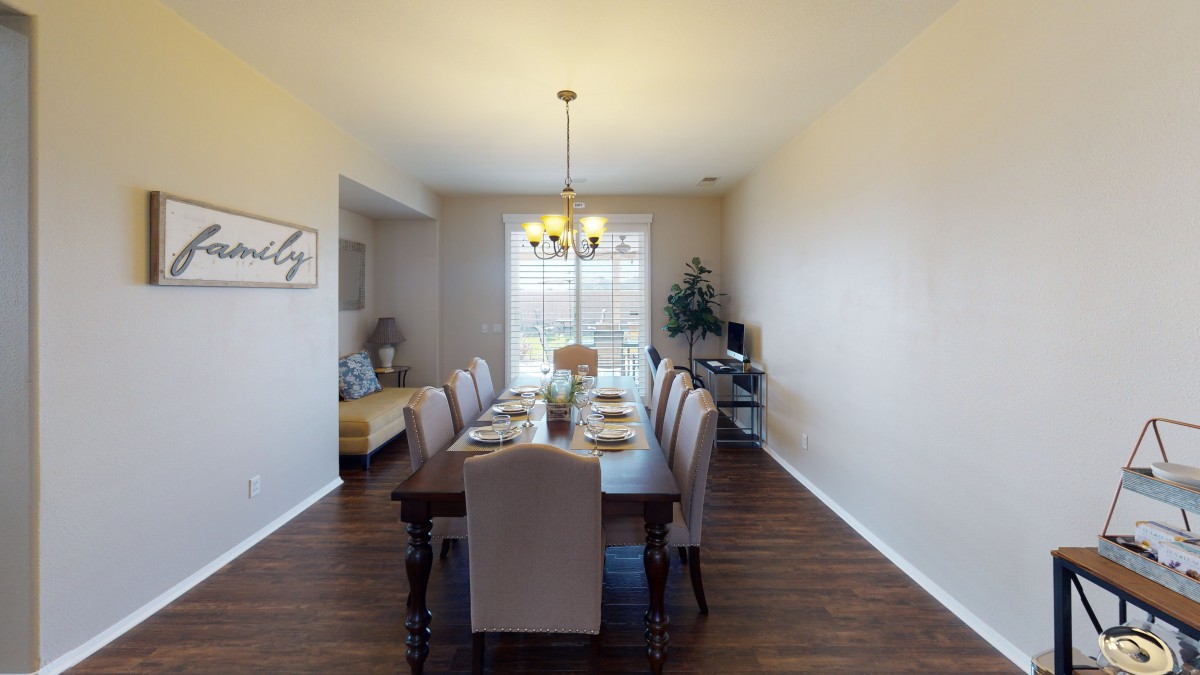
    A dining room with a table set for a meal, featuring a home office corner with a computer desk.
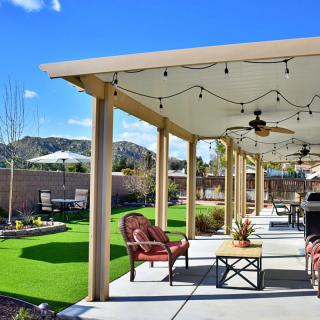
  • Landscaping

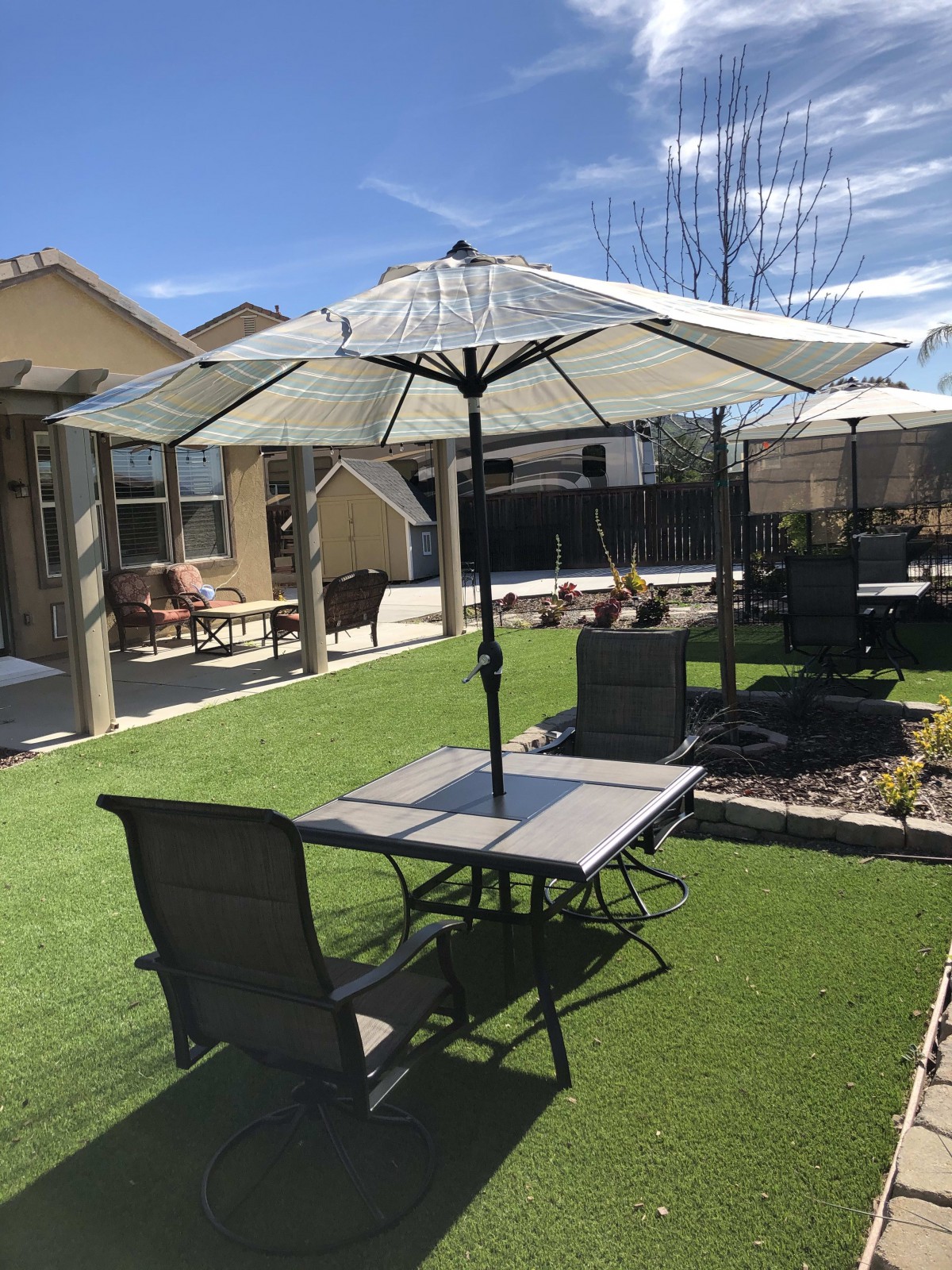
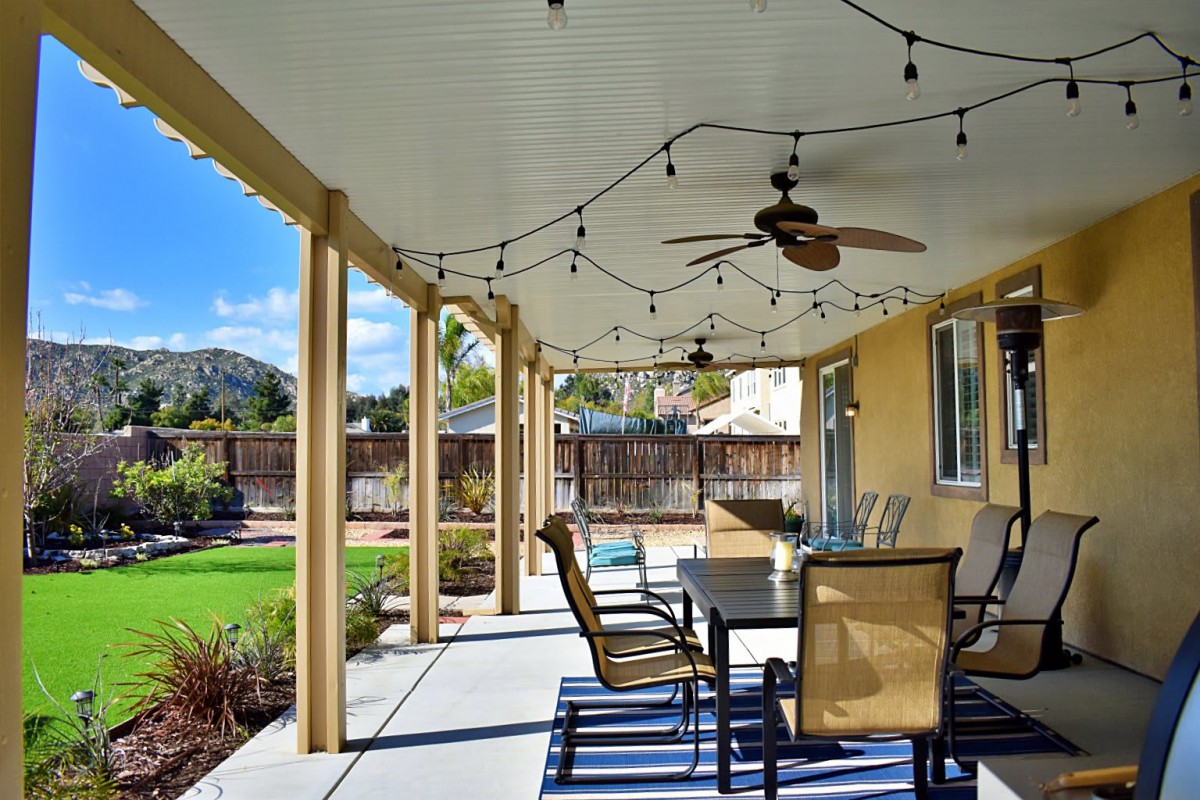
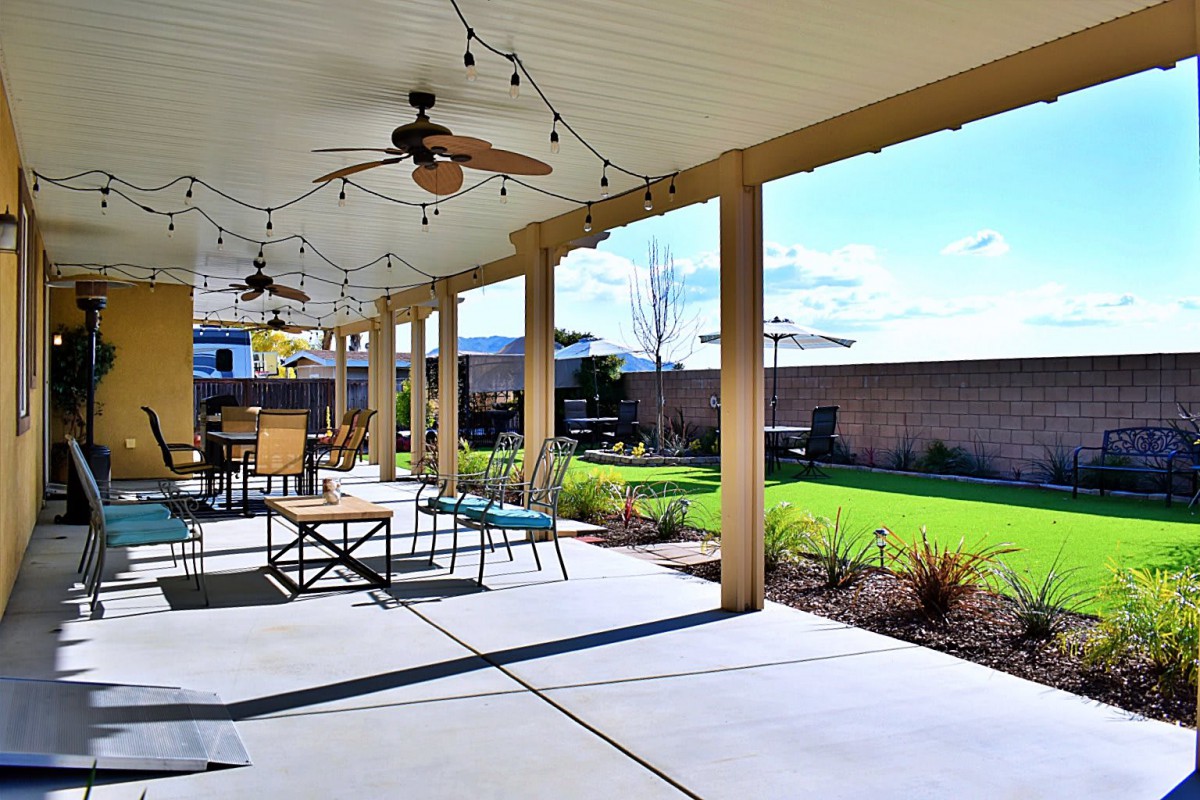
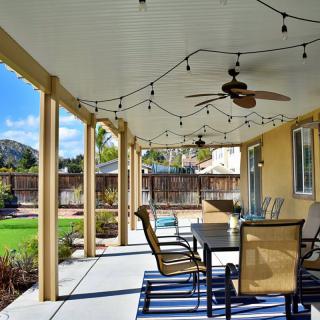
    A charming covered patio with outdoor seating, string lights, and a ceiling fan overlooking a sunny backyard.
  • Kitchen

    A modern kitchen with wooden cabinets and black countertops, featuring a sink, stove, oven, and ample natural light.
  • Garden

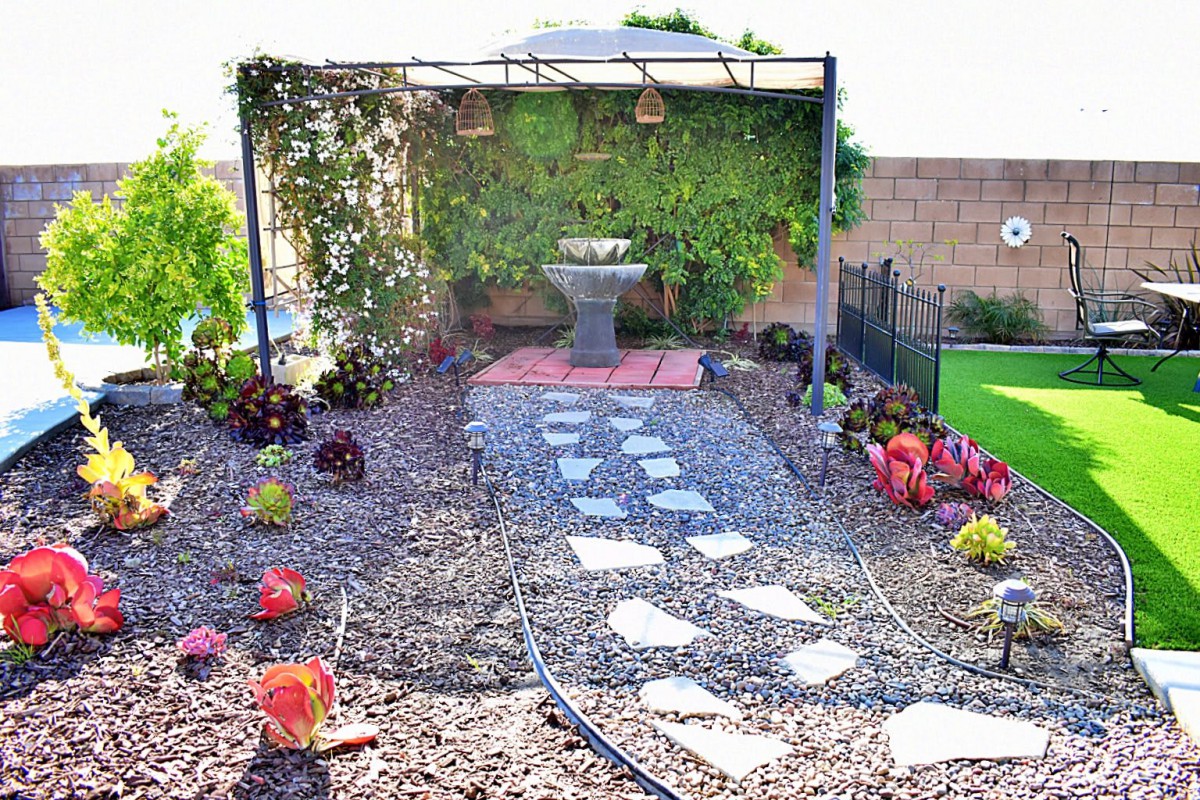
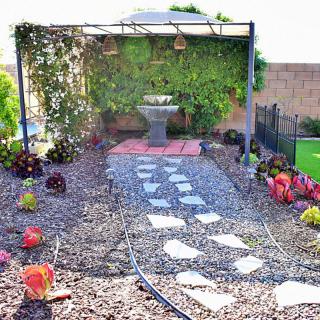
    A garden with a stone pathway leading to a pergola and fountain, surrounded by gravel and plants.
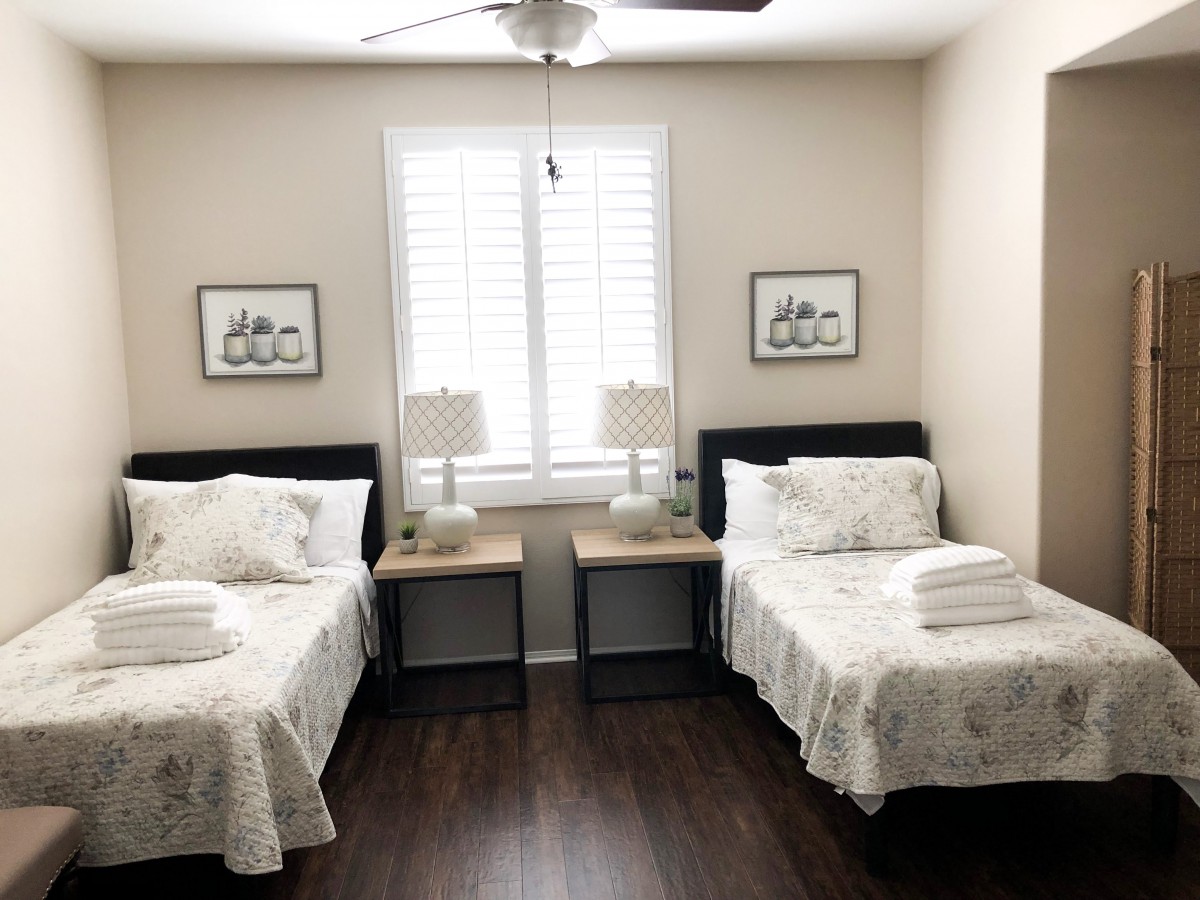
  • Artwork

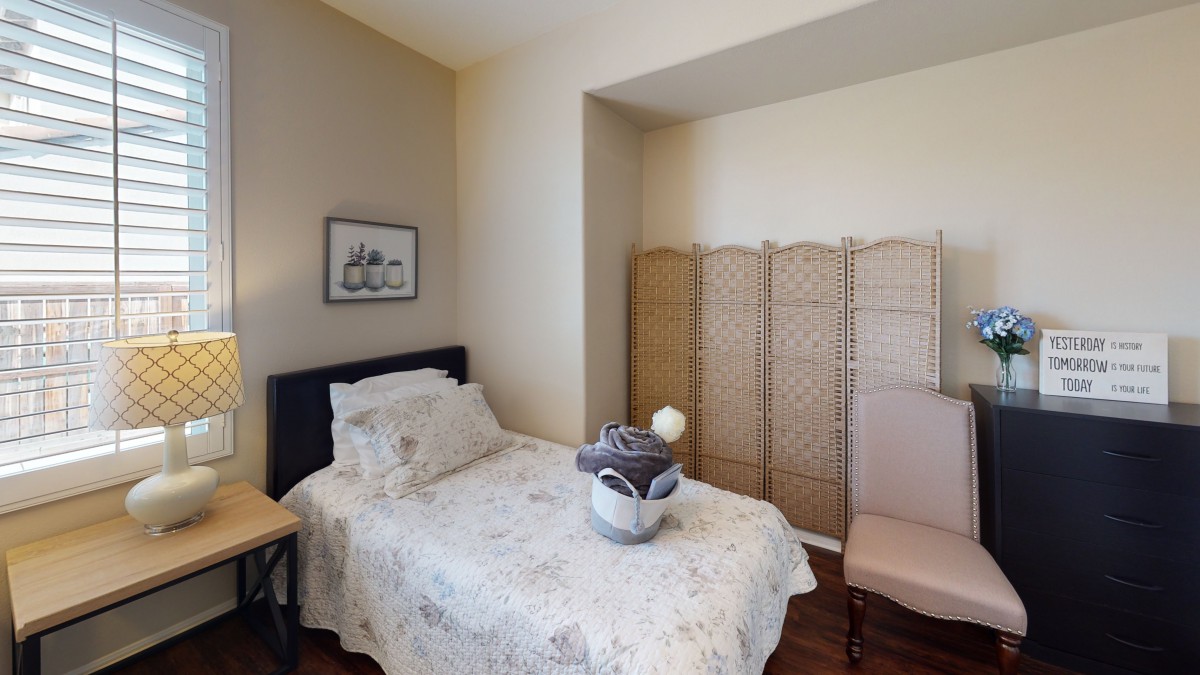
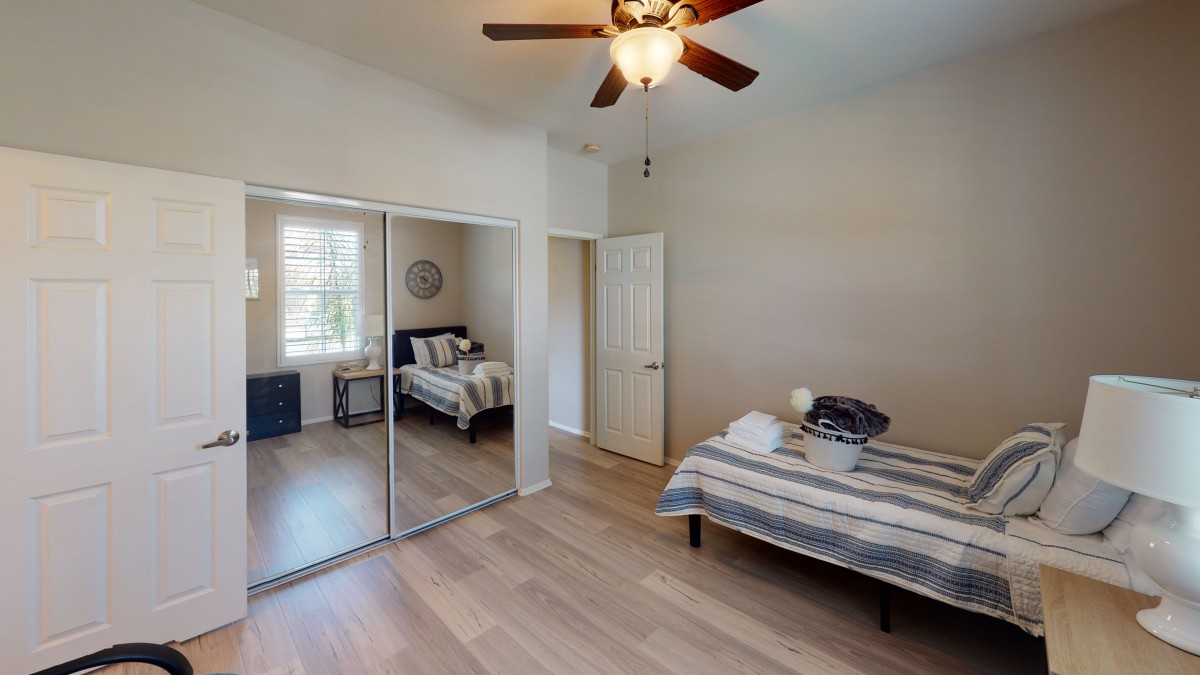
    A tidy bedroom with twin beds, featuring matching lamps and artwork on the walls.
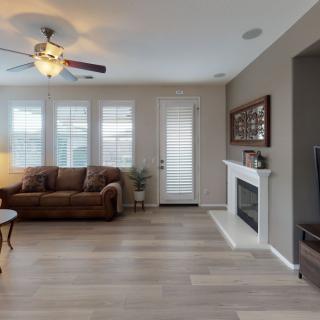
  • Fireplace

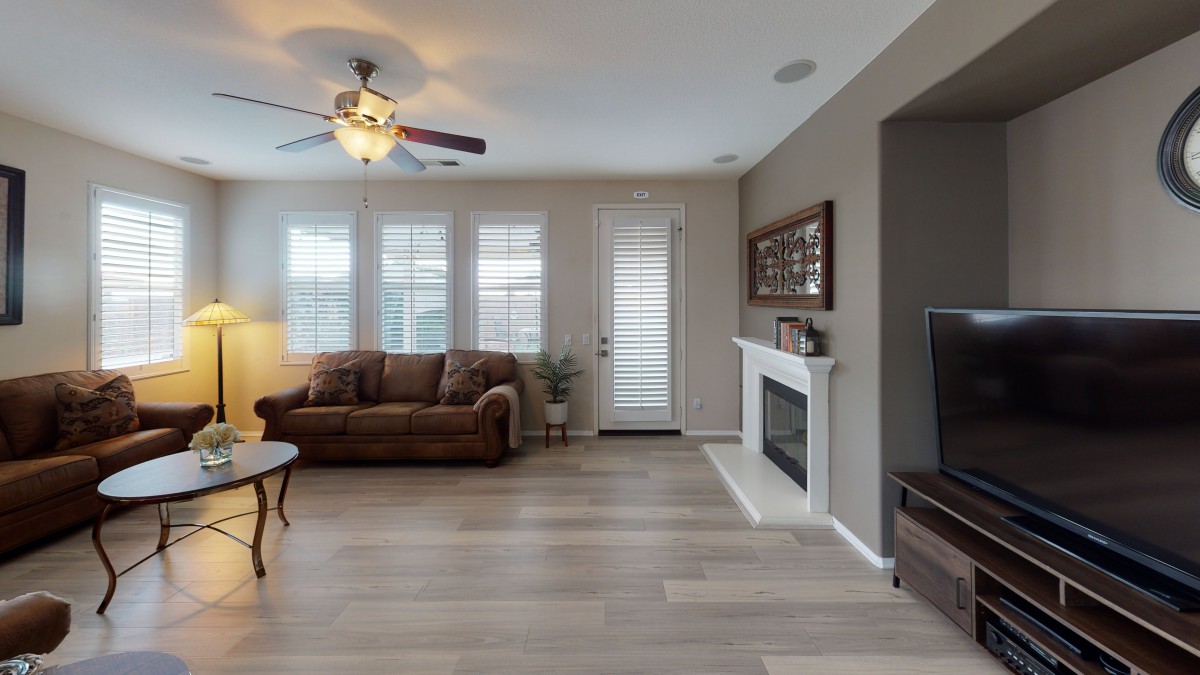
    Cozy living room with a fireplace and comfortable seating.
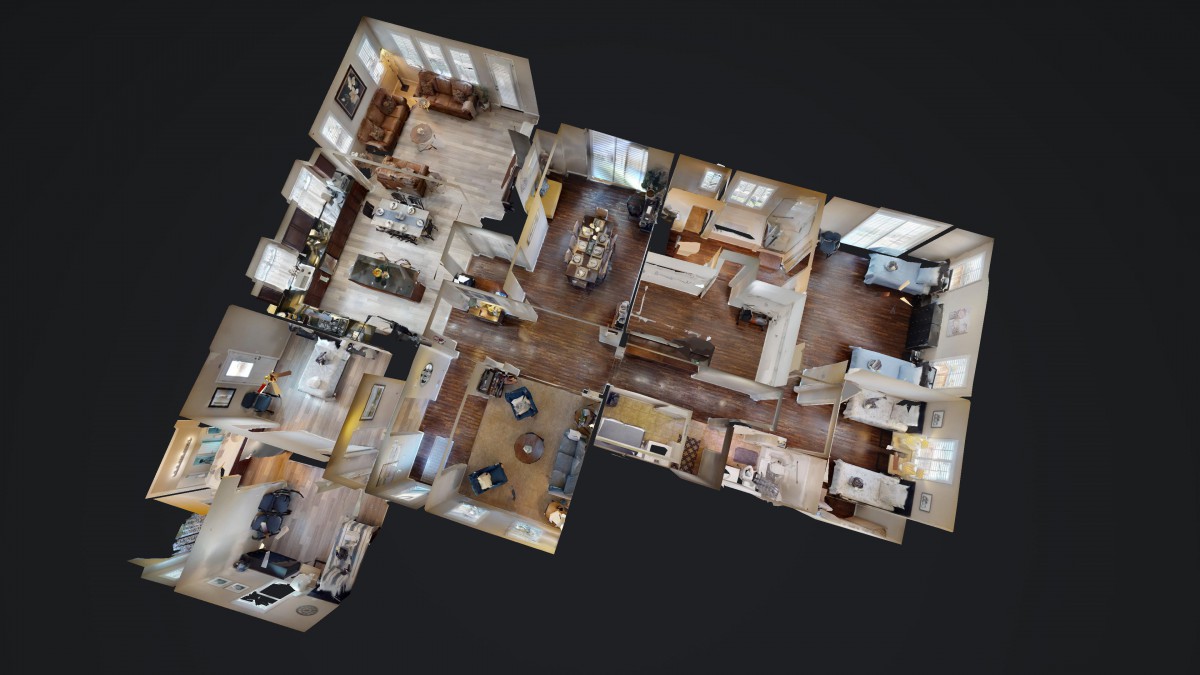
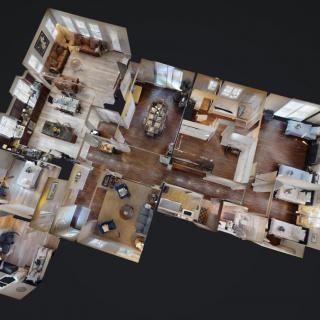
  • Floor Plan

    3D floor plan rendering of an apartment displaying multiple rooms and their layout.
  • Patio

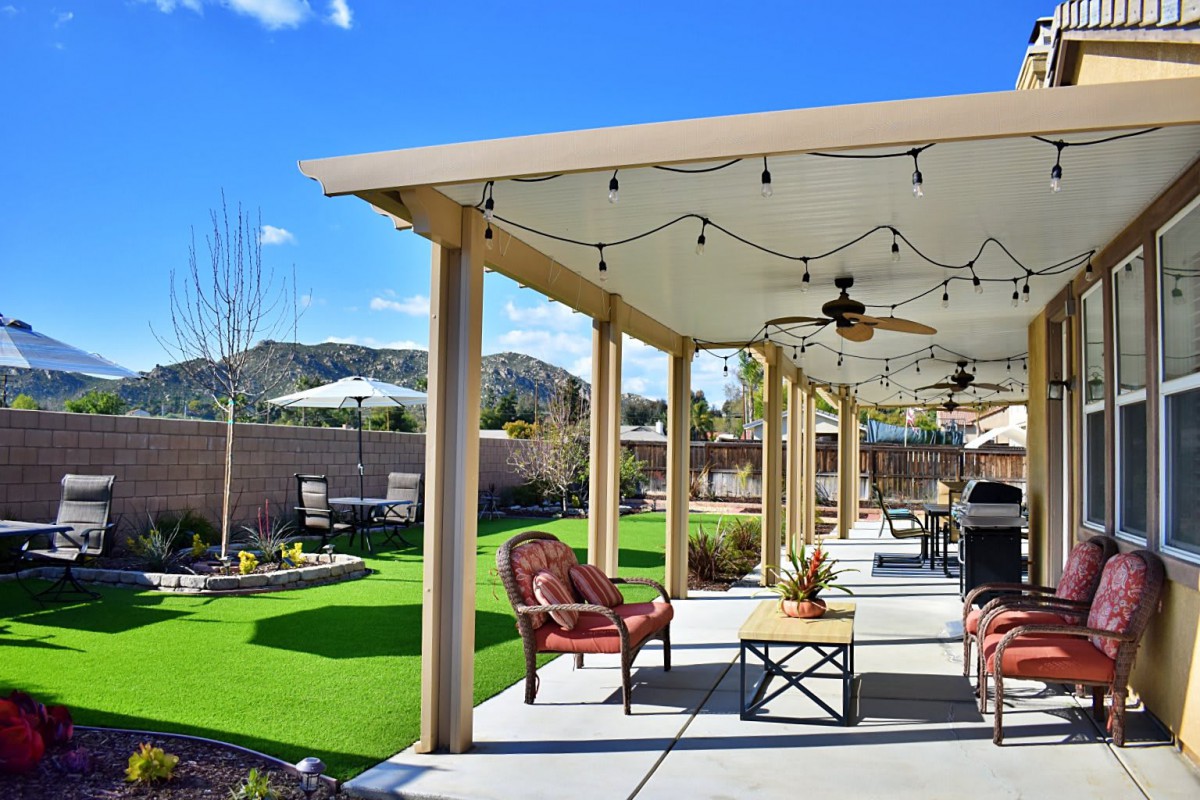
    A well-designed patio with comfortable furniture and string lights overlooking a landscaped backyard on a sunny day.

Nightingale Care Assisted Living in Moreno Valley, CA

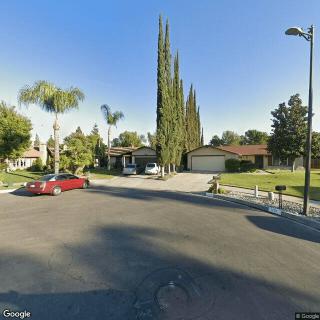
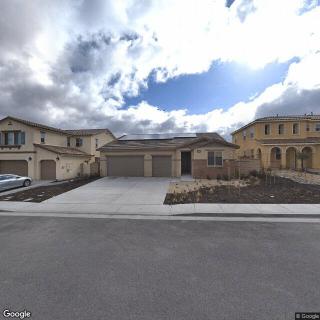
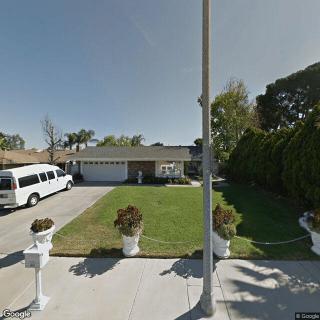
13843 Peyton Drive, Moreno Valley, CA 92555

For more information about senior living options: (844) 490-3973

5 from 1 review
Assisted Living Board and Care Home Memory Care

Nightingale Care Assisted Living Costs & Pricing

Nightingale Care Assisted Living offers a competitive pricing structure for its residents, with monthly costs that reflect both the quality of care provided and the local market. For a semi-private room, residents can expect to pay $3,000 per month, which is slightly above the average for Riverside County at $2,844, but remains lower than the statewide average in California of $3,333. In contrast, those seeking the privacy of a private room will find Nightingale's rate of $3,500 to be comparable to Riverside County's average of $3,474 while still being more economical than California's higher average of $3,939. This positioning underscores Nightingale Care's commitment to delivering value without compromising on the standard of living and care for its residents.

Floor plansNightingale Care Assisted LivingRiverside CountyCalifornia
Semi-Private$3,000$2,844$3,333
Private$3,500$3,474$3,939

What level of care are you interested in?

Assisted Living

Memory Care

Independent Living

Skilled Nursing Facility

Continuing Care Retirement Community (CCRC)CCRC

Other


Request a tour at Nightingale Care Assisted Living

    Overall Review of Nightingale Care Assisted Living

    Pros

    • pro The community was a godsend.
    • pro From the moment they arrived, they knew this was the place.
    • pro The communication was very good, and they were proactive and by the book.
    • pro They would definitely recommend this community to others.

    Review

    Nightingale Care Assisted Living in Moreno Valley is best suited for families seeking a dependable, policy-driven environment where residents receive structured daily routines and where communication with families is clear and proactive. The community leaves a strong, favorable first impression, signaling that operations are serious, orderly, and designed to protect residents. For families dealing with the stress of a move or ongoing care decisions, the sense that everything is "by the book" translates into reduced anxiety about safety, consistency, and regulatory compliance. This is a setting where administration and frontline staff appear aligned, focused on predictable outcomes rather than improvisation.

    Those who may want alternatives include families pursuing highly medicalized supervision, specialized memory-care programming, or a more intimate, boutique feel with flexible routines. If the priority leans toward aggressively tailored medical care, ultra-low caregiver-to-resident ratios, or a home-like atmosphere that prioritizes individualized spontaneity over formalized processes, other options deserve comparison. Budget considerations also matter: facilities with different inclusions and fee structures can tilt the decision, especially for families managing fixed incomes or seeking all-inclusive packages.

    The core advantages hinge on communication, reliability, and a disciplined operating approach. The standout pros - an impression of being a godsend, exceptionally strong initial entrance, and communication described as very good and proactive - cohere into a picture of a community that prevents gaps in care and keeps families informed. When a staff team consistently documents progress, anticipates needs, and follows established procedures, the risk of miscommunication or missed steps drops dramatically. Those benefits offset potential concerns about rigidity; a by-the-book stance tends to translate into safety, predictable care planning, and fewer surprises for worried relatives.

    Operationally, the message is that this community maintains an open, reliable channel with families and residents alike. Proactive updates, clear policies, and adherence to care plans foster trust and reduce last-minute scrambles. Families can expect routine progress notes, timely escalation of issues, and structured responses to care needs. In practice, these elements tend to yield smoother transitions for new residents, steadier management of daily activities, and a lower likelihood of care disruptions during staffing changes or routine fluctuations.

    This is a decision for families who want confidence over novelty. If the priority is a warm, always-flexible living experience with a heavy emphasis on personalized, spontaneous engagement, other communities may better match that preference. On the other hand, for those who value documented processes, dependable oversight, and transparent communication as the backbone of care, Nightingale Care offers a compelling match. The strongest fit emerges when a resident requires steady, well-coordinated support and families need clear, ongoing visibility into daily routines and care decisions.

    Actionable next steps: arrange a tour and observe how staff interact with residents and families; request sample care plans and a written outlining of daily schedules and activities; speak with the administrator about staffing ratios and staff turnover; ask for a detailed fee schedule and what is included or excluded; and, if possible, speak with a current resident's family about communication cadence and responsiveness. In short, visitors should verify that the operational strengths align with the resident's needs and the family's expectations for transparency, reliability, and timely updates.

    Features

    Housing

    • 6 resident community capacity 6 resident community capacity

    Types of Care

    • Assisted Living Assisted LivingAssisted living facilities provide crucial support and care for seniors who may need help with daily tasks such as medication management, bathing, and meal preparation. These communities offer a safe and comfortable environment where seniors can maintain their independence while receiving the assistance they need to thrive in their golden years.
    • Board and Care Home Board and Care HomeBoard and care homes provide a smaller, more intimate setting for seniors who require assistance with daily tasks but do not need the level of care offered by a nursing home. They offer personalized care, meals, and social activities in a homelike environment, ensuring that seniors receive individualized attention and support in their golden years.
    • Memory Care Memory CareMemory care is crucial for seniors as it provides specialized support and services for individuals with dementia or Alzheimer's disease. These programs offer a safe and secure environment where residents receive personalized care, cognitive stimulation, and help with daily activities. Memory care helps seniors maintain their independence, quality of life, and dignity while also providing peace of mind for their families.

    Amenities

    • Activities off-site Activities off-siteEngaging in off-site activities is crucial for seniors to maintain social connections, stay active, and stimulate their minds. It promotes overall well-being and helps combat feelings of isolation and loneliness.
    • Activities on-site Activities on-siteActivities on-site are important for seniors because they provide opportunities for socialization, mental stimulation, physical activity, and overall well-being. Engaging in activities can help seniors stay active, maintain their independence, and improve their quality of life.
    • Air-conditioning Air-conditioningAir conditioning is important for seniors as they are more vulnerable to heat-related illnesses and may have underlying health conditions that make it difficult for them to regulate their body temperature. It helps to keep them comfortable, safe, and healthy in hot weather.
    • Cable or satellite TV Cable or satellite TVCable or satellite TV is important for seniors because it provides entertainment, news, and companionship, helping to combat loneliness and boredom. It also offers a wide range of programming options tailored to different interests and preferences.
    • Computer center Computer centerA computer center is essential for seniors as it provides access to technology, communication tools, and resources that can enhance their daily lives. It allows them to stay connected with loved ones, engage in online activities, and learn new skills, ultimately promoting socialization and mental stimulation.
    • Devotional services on-site Devotional services on-siteDevotional services on-site provide seniors with spiritual support and a sense of community, as well as an opportunity for reflection and guidance during their senior living experience. This can promote emotional well-being and connection to others, leading to a more fulfilling and enriching lifestyle in their later years.
    • Dining room Dining roomDining rooms are important for seniors as they provide a space for socialization, connection, and nutritious meals. They offer opportunities for residents to bond over shared meals, foster a sense of community, and promote healthy eating habits. Dining rooms also ensure that seniors have access to well-balanced meals tailored to their dietary needs and preferences.
    • Family education and support services Family education and support servicesFamily education and support services are crucial for seniors as they provide resources, guidance, and assistance to both the elderly individuals and their families. These services help in navigating the challenges of aging, improving communication among family members, enhancing quality of life, and ensuring that seniors receive the care and support they need to live independently and comfortably.
    • Family private dining rooms Family private dining roomsFamily private dining rooms are important for seniors as they provide a space for quality time with loved ones, encourage social interaction, and allow for a sense of normalcy and comfort in their living environment. This can greatly improve their overall well-being and quality of life.
    • Fully furnished Fully furnishedFully furnished senior living communities are important for seniors because they provide convenience, comfort, and a hassle-free moving experience. Seniors can easily settle into their new living space without the stress of having to buy and move furniture. This allows them to focus on enjoying their new home and community.
    • Gaming room Gaming roomGaming rooms are important for seniors as they provide a fun and engaging environment for socializing, cognitive stimulation, and physical activity. Games can improve memory, problem-solving skills, and overall mental well-being while fostering friendships and reducing feelings of isolation.
    • Garden GardenGardens are important for seniors as they provide a peaceful and therapeutic environment for relaxation, physical activity, and socialization. Being in nature has been shown to reduce stress, improve mood, and promote overall well-being. Gardens also offer opportunities for seniors to engage in gardening activities, which can improve mobility, flexibility, and cognitive function. Additionally, gardens create a sense of community and connection with others who share a passion for plants and outdoor spaces.
    • Handicap accessible Handicap accessible"Handicap accessible" amenities are crucial for seniors to ensure they can easily navigate and access facilities, services, and activities without barriers or limitations due to physical impairments. This promotes independence, safety, and inclusivity for seniors in senior living communities.
    • Housekeeping services Housekeeping servicesHousekeeping services are important for seniors because they help maintain a clean and safe living environment, promote independence, and reduce the risk of accidents or illnesses. Additionally, having assistance with household chores can alleviate physical strain and allow seniors to focus on other aspects of their well-being.
    • Indoor common areas Indoor common areasIndoor common areas are crucial for seniors as they provide a space for socialization, recreation, and community engagement, promoting overall well-being and reducing feelings of isolation and loneliness.
    • Kitchenette KitchenetteKitchenettes are important for seniors living in senior living communities because they provide the convenience and independence of being able to prepare simple meals and snacks in the comfort of their own living space. This can help promote a sense of autonomy and well-being for seniors, allowing them to maintain some level of control over their dietary choices and daily routines.
    • Located close to restaurants Located close to restaurantsBeing located close to restaurants is important for seniors because it offers convenience, social opportunities, and the ability to maintain a healthy and varied diet. Easy access to dining options allows seniors to enjoy meals with friends or family, try new cuisines, and support their overall well-being.
    • Located close to shopping centers Located close to shopping centersBeing located close to shopping centers is important for seniors because it provides easy access to daily necessities, social interaction, and recreational activities. This convenience can enhance their quality of life and independence, making it a desirable feature for senior living communities.
    • Move-in coordination Move-in coordinationMove-in coordination is important for seniors because it helps ease the transition into their new living environment. It ensures that all logistics, such as packing, organizing movers, and setting up utilities are taken care of, allowing seniors to focus on settling in and adjusting to their new home. Having a smooth move-in process can alleviate stress and anxiety, making the transition smoother and more enjoyable for seniors.
    • Organic food and ingredients Organic food and ingredientsOrganic food and ingredients are important for seniors because they offer higher nutrient content, fewer harmful chemicals, and can help improve overall health and well-being as individuals age. Organic food is also more environmentally sustainable, making it a healthier choice for both seniors and the planet.
    • Outdoor common areas Outdoor common areasOutdoor common areas are important for seniors as they provide a space for socialization, physical activity, and relaxation. Being outside in nature can improve mood and overall well-being, while also encouraging movement and engagement with others. These spaces can help combat feelings of isolation and promote a sense of community among residents.
    • Outdoor patio Outdoor patioOutdoor patios are essential for seniors as they provide a safe and peaceful space for them to enjoy the outdoors, socialize with friends and family, engage in physical activity, and soak up natural sunlight which promotes overall well-being and mental health.
    • Outdoor space Outdoor spaceOutdoor spaces are important for seniors as they provide opportunities for physical activity, social interaction, exposure to natural light and fresh air, and a sense of connection to nature. Having access to outdoor spaces can improve overall well-being and quality of life for older adults living in senior communities.
    • Private PrivatePrivacy is important for seniors as it allows them to maintain their independence, dignity, and sense of control over their own lives. It also gives them the space and freedom to relax, reflect, and engage in activities that bring them joy and fulfillment. Creating private spaces within senior living facilities is crucial for promoting overall well-being and quality of life.
    • Private bathrooms Private bathroomsPrivate bathrooms are important for seniors in senior living communities because they provide independence, dignity, and comfort. Having a private bathroom allows seniors to maintain their personal hygiene routines without the need for assistance, promoting a sense of autonomy and privacy. Additionally, private bathrooms help prevent the spread of infections and provide a safe and clean environment for seniors to navigate safely.
    • Restaurant-style dining Restaurant-style diningRestaurant-style dining is important for seniors because it allows them to enjoy delicious, nutritious meals in a social and upscale setting. This enhances their dining experience, promotes healthy eating habits, and fosters socialization with fellow residents, ultimately contributing to their overall well-being and quality of life.
    • Small library Small librarySmall libraries are important for seniors as they provide access to a variety of reading materials, including books, newspapers, and magazines. This can help stimulate their minds, keep them engaged, and provide a sense of community through book clubs and other social activities. Additionally, reading has been shown to improve cognitive function and overall mental well-being in older adults.
    • Telephone TelephoneTelephones are important for seniors as they provide a lifeline for communication with loved ones, emergency services, and healthcare providers. They offer a sense of security and independence, enabling seniors to stay connected and access assistance when needed.
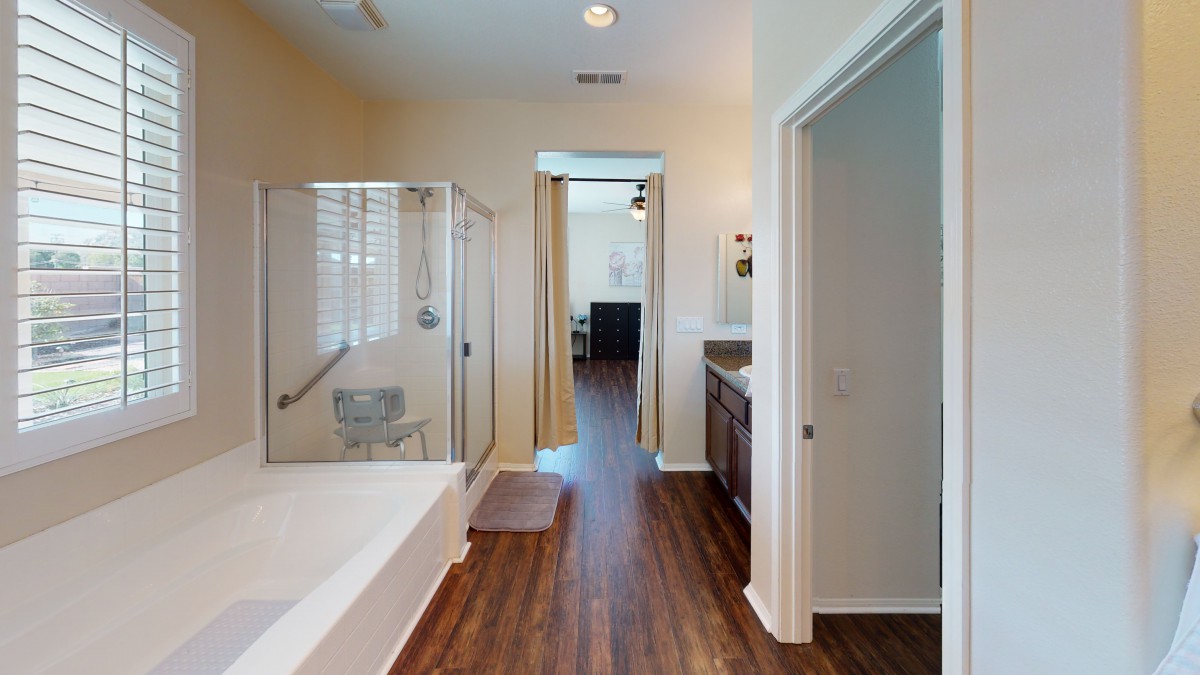
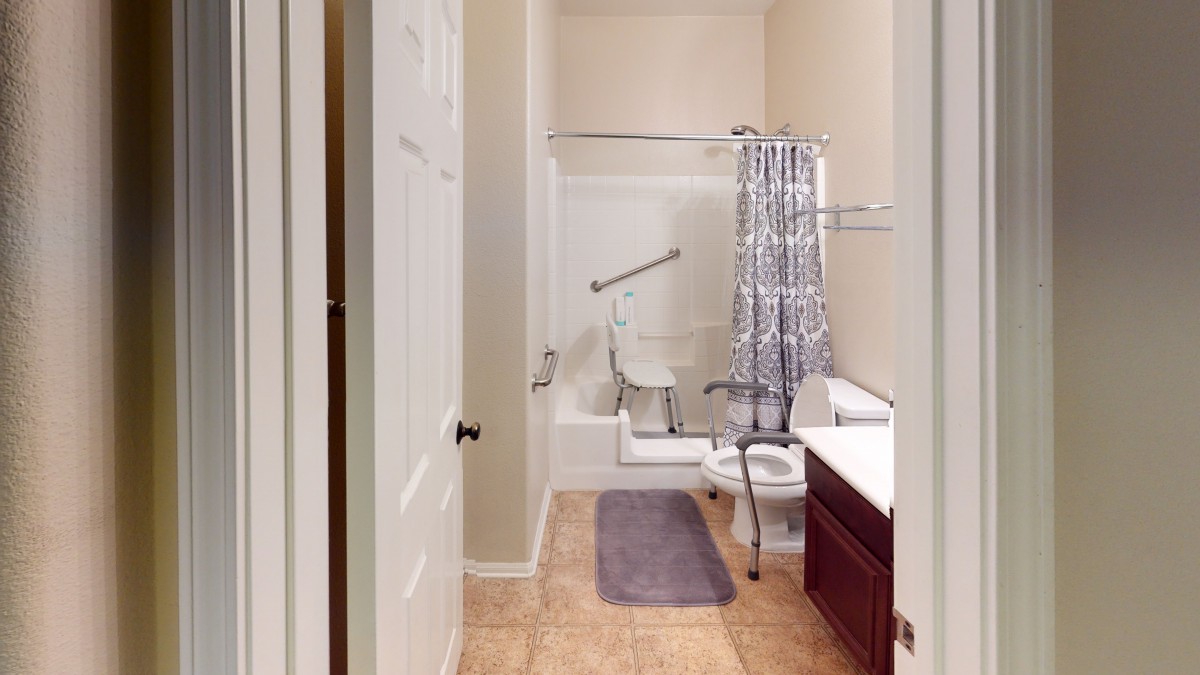
    • Wheelchair accessible showers Wheelchair accessible showersWheelchair accessible showers are crucial for seniors as they provide a safe and independent bathing option for those with mobility challenges. These showers help prevent falls and allow seniors to maintain their dignity and autonomy while ensuring they can bathe comfortably.
    • Wi-Fi/high-speed internet available Wi-Fi/high-speed internet availableWi-Fi/high-speed internet is important for seniors to stay connected with loved ones, access online resources, and participate in virtual activities to combat feelings of loneliness and isolation. It also allows them to easily manage healthcare needs, access entertainment, and engage in lifelong learning opportunities.

    Transportation

    • Transportation arrangement Transportation arrangementTransportation arrangements are crucial for seniors as they may face challenges with driving, mobility, or access to public transportation. Having reliable transportation services ensures that seniors can easily attend appointments, social activities, and maintain their independence and quality of life.

    Care Services

    • 24-hour call system 24-hour call system24-hour call systems are important for seniors because they provide peace of mind and immediate assistance in case of emergencies. This technology ensures that help is always available, promoting safety and security for elderly individuals living alone or in assisted living facilities.
    • 24-hour supervision 24-hour supervision24-hour supervision is important for seniors to ensure their safety, well-being, and access to immediate assistance in case of emergencies or health issues. This constant support provides peace of mind for both seniors and their loved ones, allowing them to age in place with dignity and security.
    • Accept incoming residents on hospice Accept incoming residents on hospiceAccepting incoming residents on hospice is important for seniors because it allows them to receive specialized end-of-life care in a comfortable and supportive environment. This ensures that they can maintain their dignity and quality of life during their final days, surrounded by compassionate staff who are trained to provide the necessary medical and emotional support.
    • Activities of daily living assistance Activities of daily living assistanceActivities of daily living assistance are important for seniors because they provide essential support with tasks such as eating, bathing, dressing, and mobility. This assistance helps seniors maintain their independence, dignity, and overall quality of life as they age.
    • Ambulatory care Ambulatory care"Ambulatory care services provide essential medical support and treatment to seniors without requiring hospitalization, allowing them to maintain their independence and quality of life while managing chronic conditions or receiving routine medical care."
    • Assistance with bathing Assistance with bathingAssistance with bathing is crucial for seniors as it helps maintain personal hygiene, prevents infections, and ensures their overall well-being and comfort. It also provides a sense of dignity and independence for seniors who may struggle with this task on their own.
    • Assistance with dressing Assistance with dressingAssistance with dressing is important for seniors because it helps maintain their independence, promotes personal hygiene, prevents accidents and injuries, and improves overall quality of life. This service ensures that seniors can continue to dress comfortably and confidently, despite any physical limitations they may have.
    • Assistance with transfers Assistance with transfersAssistance with transfers is crucial for seniors as it helps prevent falls and injuries, maintains their independence, and ensures they can safely navigate their living environment. It also provides peace of mind for both seniors and their loved ones.
    • Coordination with health care providers Coordination with health care providersCoordination with health care providers is crucial for seniors to ensure proper medical care, medication management, and overall well-being. This collaboration helps prevent overlapping treatments, track progress more effectively, and provide comprehensive support tailored to individual needs.
    • Diabetes diet Diabetes dietA diabetes diet is crucial for seniors as it helps manage blood sugar levels, reduce risks of complications, and improve overall health and well-being. By following a balanced and nutritious diet tailored to their specific needs, seniors can better control their diabetes and enhance their quality of life.
    • Diabetic care Diabetic careDiabetic care is crucial for seniors as they are more susceptible to developing diabetes due to aging and other health conditions. Proper management of diabetes can help prevent complications such as heart disease, vision loss, and nerve damage, improving the overall quality of life for seniors in senior living communities.
    • High acuity care High acuity careHigh acuity care is important for seniors because it provides specialized medical attention and support for individuals with complex medical needs. This level of care ensures that seniors receive the appropriate treatment and assistance to maintain their health and quality of life as they age.
    • Hospice waiver Hospice waiverHospice waivers are important for seniors because they allow individuals to receive specialized end-of-life care and support at home or in a hospice facility. This waiver ensures that seniors can access the necessary resources and services to maintain comfort and dignity during their final days.
    • Incontinence care Incontinence careIncontinence care is essential for seniors to maintain their dignity, hygiene, and overall quality of life. By addressing incontinence issues promptly and effectively, seniors can enjoy a sense of independence and comfort in their daily activities.
    • Meal preparation and service Meal preparation and serviceMeal preparation and service are crucial for seniors as they may have limited mobility or energy to cook nutritious meals. Having access to healthy and convenient food options can ensure they are getting the proper nutrition needed to maintain their overall health and well-being.
    • Medication management Medication managementMedication management is crucial for seniors to ensure they are taking the right medications at the correct dosages and times. This helps prevent adverse drug interactions, reduces the risk of medication errors, and promotes overall health and well-being. Proactive management also allows for adjustments as needed based on changing health conditions or new prescriptions.
    • Mental wellness program Mental wellness programMental wellness programs are essential for seniors as they promote cognitive stimulation, emotional support, and social engagement. These programs help prevent isolation, depression, and cognitive decline, ultimately enhancing the overall quality of life for older adults.
    • Mild cognitive impairment Mild cognitive impairment"Mild cognitive impairment" is important for seniors because it is an early stage of cognitive decline that can potentially progress to more severe conditions such as dementia. Recognizing and addressing mild cognitive impairment can help seniors receive appropriate care and support to maintain their quality of life and independence for as long as possible.
    • Preventative health screenings Preventative health screeningsPreventative health screenings are crucial for seniors as they can help identify potential health issues early on, allowing for prompt treatment and prevention of more serious conditions. Regular screenings can help maintain overall health and quality of life in older adults.
    • Special dietary restrictions Special dietary restrictionsSpecial dietary restrictions are important for seniors because age-related changes in metabolism and health conditions can make it difficult for their bodies to process certain foods. By following a diet tailored to their specific needs, seniors can maintain their overall health and well-being, manage chronic conditions, and reduce the risk of complications such as malnutrition or food interactions with medications.
    • Specialized memory care programming Specialized memory care programmingSpecialized memory care programming is crucial for seniors with cognitive impairments such as dementia or Alzheimer's disease. These programs provide a safe and supportive environment tailored to the unique needs of individuals with memory loss, helping them maintain their independence, dignity, and quality of life.

    Dining

    • Anytime dining Anytime diningAnytime dining is important for seniors because it allows them the flexibility to eat when they are hungry, rather than being restricted to set meal times. This can be especially beneficial for those with medical conditions or medications that affect their appetite, as well as those who may have difficulty adhering to a strict dining schedule. Overall, anytime dining promotes independence and overall well-being for seniors in senior living communities.
    • Diabetes diet Diabetes dietA diabetes diet is crucial for seniors as it helps manage blood sugar levels, reduce risks of complications, and improve overall health and well-being. By following a balanced and nutritious diet tailored to their specific needs, seniors can better control their diabetes and enhance their quality of life.
    • Low / no sodium Low / no sodiumLow/no sodium options are important for seniors because excessive sodium intake can lead to high blood pressure, heart disease, and other health issues commonly experienced by older adults. By choosing low/no sodium foods, seniors can better manage their health and reduce their risk of developing these conditions.
    • Meals provided Meals provided"Meals provided" are crucial for seniors in assisted living communities as it ensures they have access to nutritious, balanced meals without the stress of meal planning and preparation. This can help promote overall health and well-being for seniors who may have limited mobility or cognitive abilities.
    • No Sugar No SugarNo sugar diets are important for seniors because they can help prevent or manage chronic conditions such as diabetes, heart disease, and obesity. Sugar can also contribute to cognitive decline and inflammation in the body, so reducing sugar intake can lead to overall improved health and well-being in older adults.
    • Restaurant style dining Restaurant style diningRestaurant style dining is important for seniors as it offers them a social and enjoyable dining experience, promotes healthy eating habits, and provides personalized menu options to cater to their dietary needs and preferences. This type of dining setting can enhance their overall quality of life and create a sense of community within the senior living facility.
    • Room service Room serviceRoom service is important for seniors in a senior living community because it provides convenience and allows them to have their meals delivered directly to their room. This can be especially beneficial for seniors who may have mobility issues or difficulty accessing the dining area. Room service ensures that seniors are able to receive nutritious meals without having to navigate through the facility, allowing them to maintain their independence and overall well-being.
    • Special dietary restrictions Special dietary restrictionsSpecial dietary restrictions are important for seniors because age-related changes in metabolism and health conditions can make it difficult for their bodies to process certain foods. By following a diet tailored to their specific needs, seniors can maintain their overall health and well-being, manage chronic conditions, and reduce the risk of complications such as malnutrition or food interactions with medications.
    • Vegan VeganVegan diets can provide numerous health benefits for seniors, including lower risk of chronic diseases, improved digestion, and increased energy levels. Additionally, plant-based diets are often rich in essential nutrients that can support overall well-being and longevity in older adults.
    • Vegetarian VegetarianA vegetarian diet is important for seniors because it can help lower the risk of chronic diseases, maintain a healthy weight, and provide essential nutrients needed for aging bodies. Additionally, plant-based diets are often easier on digestive systems and can contribute to overall well-being in older adults.

    Activities

    • Art classes Art classesArt classes are important for seniors because they provide a creative outlet, improve cognitive function, reduce stress and anxiety, promote socialization, and enhance overall well-being and quality of life.
    • Community-sponsored activities Community-sponsored activitiesCommunity-sponsored activities are important for seniors as they provide opportunities for social interaction, mental stimulation, and physical activity. These activities can help improve overall well-being, combat loneliness and isolation, and promote a sense of belonging and purpose among older adults.
    • Cooking classes Cooking classesCooking classes are important for seniors as they provide opportunities for social interaction, enhance cognitive skills, promote healthy eating habits, and boost confidence in the kitchen.
    • Day trips and outings Day trips and outingsDay trips and outings are important for seniors as they provide opportunities for socialization, mental stimulation, physical activity, and a break from daily routines. These experiences can enhance overall well-being and quality of life for older adults living in senior communities.
    • Devotional activities on-site Devotional activities on-siteDevotional activities on-site provide seniors with a sense of community, spiritual fulfillment, and emotional support, promoting overall well-being and a positive sense of purpose in their lives.
    • Educational speakers / life long learning Educational speakers / life long learningEducational speakers and lifelong learning opportunities are crucial for seniors as they provide mental stimulation, promote social engagement, and contribute to overall well-being. Continuous learning helps seniors stay mentally sharp, build new skills, and maintain a sense of purpose and fulfillment in their lives. It also allows them to stay connected to the world around them and fosters a sense of community within senior living facilities.
    • Fitness programs Fitness programsFitness programs are crucial for seniors as they help improve strength, flexibility, balance, and overall well-being. Staying active can reduce the risk of chronic diseases, improve mental health, and enhance quality of life in older adults.
    • Forever fit Forever fit"Forever fit" programs are crucial for seniors as they promote physical activity, social engagement, and overall well-being. These programs help seniors maintain their independence, improve their strength and flexibility, and reduce the risk of chronic diseases. By participating in these activities, seniors can enjoy a higher quality of life and live independently for longer.
    • Karaoke KaraokeKaraoke provides seniors with a fun and social activity that can boost mood, confidence, and cognitive function. It encourages social interaction, physical movement, and creative expression, making it an important form of entertainment for senior living communities.
    • Live dance or theater performances Live dance or theater performancesLive dance or theater performances are important for seniors because they provide opportunities for socialization, mental stimulation, and emotional engagement. These performances can help combat feelings of isolation and loneliness, while also offering a sense of connection to the arts and culture. Additionally, watching live performances can bring joy and create lasting memories for seniors in their later years.
    • Live musical performances Live musical performancesLive musical performances can provide seniors with a sense of joy, nostalgia, and connection. Music has the power to evoke emotions and memories, improve mood and cognitive function, and foster social interaction among seniors. It can also serve as a form of therapy and stress relief for older adults, making it an important activity to include in senior living communities.
    • Live well programs Live well programs"Live well programs are essential for seniors as they provide opportunities for physical activity, social engagement, and mental stimulation, ultimately promoting overall health and well-being in later years."
    • Planned day trips Planned day tripsPlanned day trips are important for seniors because they offer opportunities for socialization, mental stimulation, and physical activity. They provide a change of scenery and help seniors stay engaged and connected to their community, promoting overall well-being and quality of life.
    • Resident-run activities Resident-run activitiesResident-run activities are important for seniors as they encourage social interaction, creativity, and a sense of autonomy. These activities empower seniors to stay engaged and active in their community while fostering meaningful connections with their peers.
    • Scheduled daily activities Scheduled daily activitiesScheduled daily activities are important for seniors because they provide structure, socialization, mental stimulation, and physical activity. Engaging in regular activities can improve overall well-being and quality of life for seniors living in a community setting.
    • Stretching classes Stretching classesStretching classes are important for seniors because they help improve flexibility, reduce the risk of injury, and promote overall health and well-being. Regular stretching can also help alleviate joint pain and stiffness, enhance balance and coordination, and increase range of motion.
    • Wine tasting Wine tastingWine tasting can be a fun and social activity for seniors, allowing them to engage their senses, learn about different varieties of wine, and potentially meet new friends. It also offers health benefits such as improved cognitive function and reduced risk of heart disease when consumed in moderation.

    Description

    Located in Moreno Valley, California, Nightingale Care Assisted Living provides a warm and comfortable environment for seniors in need of personalized care. With a range of services and amenities, residents can enjoy a fulfilling lifestyle while receiving the assistance they require.

    Nightingale Care Assisted Living offers two types of care: Board and Care Home and Memory Care. This ensures that individuals with different needs can find the right level of support within the community. The facility is fully furnished, providing residents with a ready-to-move-in space.

    The community boasts an array of amenities designed to enhance the quality of life for its residents. Activities are held on-site, allowing individuals to socialize and engage in enjoyable pastimes. A computer center is available for those who wish to stay connected or pursue personal interests online. Devotional services are offered to cater to spiritual needs, while a small library provides reading materials for quiet moments.

    In terms of dining options, Nightingale Care Assisted Living offers restaurant-style dining with nutritious meals provided. Special dietary restrictions, such as diabetes or vegan diets, are accommodated. Residents can also opt for room service if desired.

    Care services at Nightingale Care Assisted Living include 24-hour supervision and assistance with daily living activities. Staff members coordinate with healthcare providers to ensure residents receive the appropriate medical attention. Medication management is provided, along with specialized memory care programming for those with cognitive challenges.

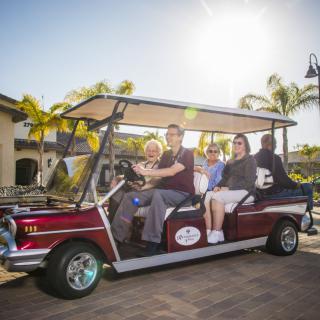
    With regard to location, the community is conveniently situated near restaurants and shopping centers, allowing easy access to various amenities outside the premises. Additionally, transportation arrangements are made for residents who require assistance getting around.

    Overall, Nightingale Care Assisted Living strives to provide a safe and supportive environment where seniors can age gracefully while enjoying an active lifestyle filled with engaging activities and top-notch care services.

    Nearby Places of Interest

    Located in Moreno Valley, California, this area offers convenient access to healthcare facilities such as Riverside County Regional Medical Center and a variety of physicians' offices within a short distance. The proximity to various pharmacies like CVS and Walgreens ensures easy access to medications. In terms of dining options, there are popular fast food chains like McDonald's and Burger King nearby, as well as sit-down restaurants like Farmer Boys and Portillo's Hot Dogs. For those who enjoy a good cup of coffee, there are several Starbucks locations in the vicinity. Additionally, the area features several parks for outdoor recreation and places of worship for spiritual fulfillment. Overall, this part of Moreno Valley provides essential services and amenities for seniors looking for a comfortable living environment with easy access to healthcare and recreational opportunities.

    Hospitals

    • Riverside County Regional Medical Center (1.5 miles)

    Physicians

    • Ahdoot Eli DO Riverside University Health System Orthopaedics (1.5 miles)
    • Kaiser Moreno Valley (4.4 miles)
    • Moreno Valley Community Medical Group (5.3 miles)
    • Nephrology Assoc Medical Group (5.7 miles)
    • Healthcare Imaging Center at Day Street (6.3 miles)
    • Riverside Medical Clinic (6.3 miles)
    • West Dermatology Redlands (8.2 miles)

    Pharmacies

    • CVS Pharmacy (2.8 miles)
    • Walgreens (3.2 miles)
    • CVS Pharmacy (3.5 miles)
    • Walgreens (3.6 miles)
    • Rite Aid (4.6 miles)
    • Laguna Vista Pharmacy (4.9 miles)
    • Day Street Pharmacy (6.5 miles)

    Restaurants

    • McDonald's (3.6 miles)
    • Taco Bell (3.6 miles)
    • Burger King (3.7 miles)
    • In-N-Out Burger (5.4 miles)
    • Farmer Boys (5.4 miles)
    • Carl's Jr. (5.6 miles)
    • Portillo's Hot Dogs (6.3 miles)

    Cafes

    • Starbucks (5.4 miles)
    • The Coffee Bean and Tea Leaf (6.2 miles)
    • Starbucks (6.3 miles)
    • Starbucks (6.3 miles)
    • Starbucks (8.3 miles)
    • Starbucks (8.3 miles)
    • Starbucks (8.5 miles)

    Parks

    • Towngate Memorial Park (5.8 miles)
    • Palmer Park (7.8 miles)
    • Sycamore Canyon Wilderness Park (8.5 miles)
    • Avenue I Park (8.9 miles)
    • Brookside Park (9 miles)
    • Leonard Bailey Park (9.2 miles)

    Places of Worship

    • Trinity Church (8.3 miles)
    • The Grove Community Church (8.4 miles)
    • The River Christian Reformed Church (8.6 miles)
    • Church of Jesus Christ of Latter Day Saints (9.8 miles)

    Theaters

    • Studio Movie Grill (9.6 miles)

    Frequently Asked Questions

    How much does it cost to live at Nightingale Care Assisted Living in Moreno Valley, CA?
    Where is Nightingale Care Assisted Living?
    Does Nightingale Care Assisted Living provide care for residents with dementia or Alzheimer's disease?
    What photos are available for Nightingale Care Assisted Living in Moreno Valley, California?

    Nearby Communities

    • Caring And Helping Hands

      Caring And Helping Hands

      Moreno Valley, CA


      pro Small, intimate setting with personalized care

    • Rancho Belago Residential Care

      Rancho Belago Residential Care

      Moreno Valley, CA

      4.8 from 8 reviews
      $2,500 to $3,800 / month

    • Bella Cortina

      Bella Cortina

      Moreno Valley, CA

      5 from 2 reviews
      $3,000 to $4,500 / month

      pro Personalized 1:1 care in a home-like setting with on-site healthcare.

    • Manzanita Village at Rancho Belago

      Manzanita Village at Rancho Belago

      Moreno Valley, CA

      4.6 from 88 reviews
      $4,195 to $4,995 / month

      pro High-quality care with attentive staff and engaging activities.

    • Renaissance Village Rancho Belago

      Renaissance Village Rancho Belago

      Moreno Valley, CA

      4.4 from 61 reviews
       

      pro Clean, spacious, and well-maintained with friendly staff and engaging activities.

    • Bella Cortina Residential Care Facility

      Bella Cortina Residential Care Facility

      Moreno Valley, CA

      5 from 6 reviews
       

      pro Fully furnished assisted living with meals, 24/7 supervision, and ADL support.

    • Terracina Post Acute formerly Braswell's Colonial Care

      Terracina Post Acute formerly Braswell's Colonial Care

      Redlands, CA

      2.1 from 15 reviews
      $5,250 to $6,000 / month

      pro Caring nursing staff in a beautiful, mansion-style facility with on-site activities.

    • Braswell's Chateau Villa

      Braswell's Chateau Villa

      Redlands, CA

      3.1 from 29 reviews
      $1,600 to $5,131 / month

      pro Relaxed atmosphere with friendly staff and well-maintained grounds.

    • Holiday Mission Commons

      Holiday Mission Commons

      Redlands, CA

      4.5 from 194 reviews
      $2,859 to $5,859 / month

      pro Friendly staff, engaging activities, and a wide range of amenities.

    Related Resources

    • dementia behaviorsDementia Behaviors: In-Depth Understanding and Effective Coping Strategies

      Dementia causes cognitive decline and challenging behaviors that caregivers must manage, necessitating an understanding of the neurological basis of these issues. Effective strategies and self-care for caregivers can enhance support for those with dementia and improve their daily lives.

    • does my mom have dementia quiz5 Early Indicators of Dementia and What You Can Do

      The content outlines five key early indicators of dementia, including significant memory loss and confusion about time and place, while emphasizing the need for professional evaluation and emotional support for both individuals showing symptoms and their caregivers. It encourages family members to monitor these signs closely and use online quizzes for initial awareness.

    • when should someone with dementia go into a care home8 Important Indicators That Memory Care May Be Necessary
      The article highlights eight indicators that a loved one with dementia may require specialized memory care, emphasizing the emotional and logistical challenges families encounter in this decision. It discusses signs such as difficulties with daily tasks, safety concerns, and caregiver burnout, suggesting that memory care facilities can provide the necessary support and structured environments for those experiencing cognitive decline.


    Get Pricing Ask A Question Schedule A Tour Contact Senior Advisor