
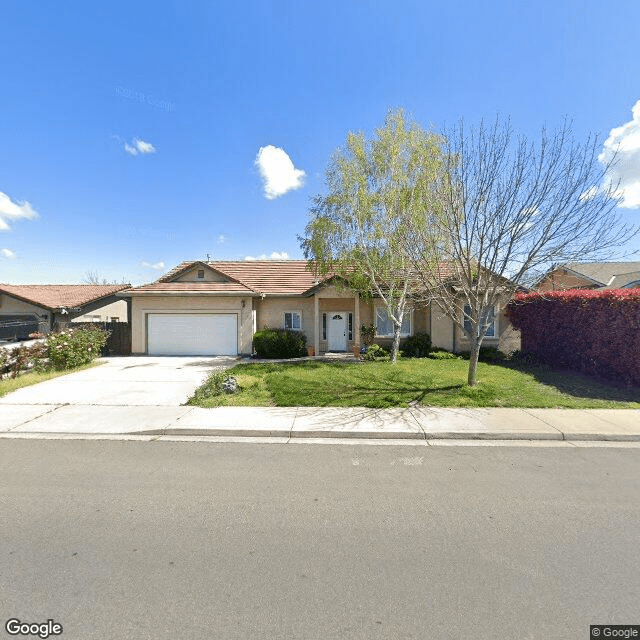
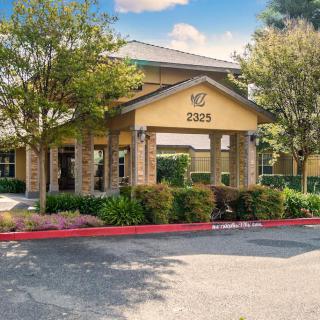
2208 Temescal Drive, Modesto, CA 95355
For more information about senior living options: (866) 208-4318
Margaret's Care Home Costs & Pricing
Margaret's Care Home offers competitive pricing for its services, particularly when compared to both Stanislaus County and the broader California market. For a studio, residents pay $2,500 per month, significantly lower than the county average of $3,925 and the state average of $4,145. Similarly, the semi-private room rate at Margaret's is $2,700, which is more affordable than the county's $3,241 and the state's $3,333. One-bedroom accommodations are offered at a reasonable $3,000 monthly fee compared to Stanislaus County's $3,685 and California's average of $4,340. Notably, while private room costs at Margaret's stand at $4,000 - slightly higher than the county's average of $3,754 and below the state's figure of $3,939 - the overall values reflect a commitment to providing quality care without burdening residents financially. This positioning makes Margaret's Care Home an appealing option for those seeking affordable long-term care solutions in a supportive environment.
| Floor plans | Margaret's Care Home | Stanislaus County | California |
|---|---|---|---|
| Studio | $2,500 | $3,925 | $4,145 |
| Semi-Private | $2,700 | $3,241 | $3,333 |
| 1 Bedroom | $3,000 | $3,685 | $4,340 |
| Private | $4,000 | $3,754 | $3,939 |
Memory care communities with a similar price nearby
-
About the same
Beta Care Home
$2,500 to $4,000 / month5.4 miles away -
About the same
Covenant Retirement Communi
$2,525 to $4,000 / month12.6 miles away -
About the same

Hospitality House
$2,500 to $4,200 / month8.6 miles away -
from -$305 / mo
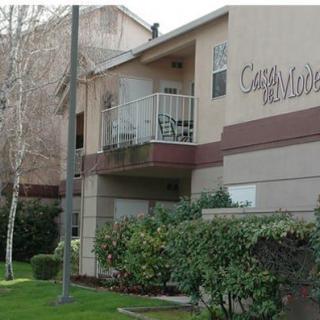
Casa De Modesto
$2,195 to $3,495 / month2.4 miles away -
from +$200 / mo

Aspen Ville Co
$2,700 / month8.6 miles away
Overall Review of Margaret's Care Home
Pros
 The care she received was top notch.
- She was always clean and well taken care of.
- The caregivers were so nice and mom really liked them.
- They were so invested in mom that one of them came to mom's funeral.
- The home feels like family and she was truly loved by the staff.
- The place is super clean, and the staff are loving, attentive, and very nice.
- The staff go above and beyond to meet residents' needs, even getting items not on the menu.
- He was treated like a king.
- Everything about the care home is perfect, with cleanliness, professionalism, respect, and care.
Cons
 Our Aunt was left to herself most of the time.
- She died of malnutrition and dehydration.
- Family would not even visit her.
- The reviewer urged others not to put their loved ones into this place.
- There were no awake staff, which was a big concern for the reviewer.
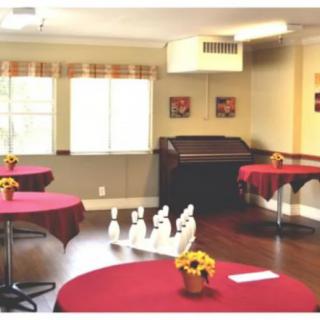
- The living room area felt a little small.
Review
Margaret's Care Home in Modesto is best suited for families seeking a small, home-like environment where care feels intimate and personal, particularly for residents with dementia or advanced daily needs. The consistent refrain from families is that this is not a clinical institution but a setting where caregivers become like family, offering steady cleanliness, daily attentiveness, and genuine warmth. For loved ones who thrive on individualized attention, a predictable routine, and meals that reflect consistent, hands-on supervision, this community presents itself as a strong match. It is especially appealing to those who value visible caregiver investment and a sense of belonging over a polished, impersonal atmosphere.
At the same time, there are clear signals that alternatives should be weighed for residents who require constant, highly medical oversight or robust safety nets at all hours. Several reviews raise red flags about safety nuances, including reports of nights when no awake staff were present and questions about how quickly concerns are addressed after hours. A few accounts also mention serious outcomes such as inadequate monitoring leading to malnutrition or dehydration. While these incidents are not universal, they underscore the importance of clarity about night-time coverage, emergency protocols, and the specific supervision plan before making a decision.
The strongest positives across the narratives revolve around cleanliness, compassionate, hands-on staff, and a caregiving team that communicates a high level of investment in residents. Residents are described as well cared-for, consistently clean, well fed, and treated with a respect that goes beyond mere routine. The owners’ direct involvement appears to permeate daily care, with stories of staff going the extra mile, fetching preferred foods not on the standard menu, and even attending a loved one’s funeral. For families prioritizing dignity, comfort, and a sense of being part of a caring circle, these attributes can meaningfully offset the impression of a smaller operation with fewer formal safeguards.
Yet the caveats cannot be dismissed. The most troubling themes center on potential gaps in supervision and risk management, including nights when there is no awake staff and troubling reports of residents left unattended or inadequately monitored. These concerns, echoed by multiple reviews, create a legitimate anxiety for families considering this home for someone who requires vigilant, around-the-clock oversight. Prospective residents should demand concrete responses: exact night-shift coverage, how quickly staff respond after hours, and a detailed policy on ensuring hydration and nutrition, especially for residents with swallowing or cognitive challenges. Verification of licensing status and routine inspections adds needed assurance.
When weighing the pros against the cons, the decision hinges on resident profile and family tolerance for trade-offs. The strengths, exceptional cleanliness, visible staff warmth, consistent personal attention, and a familial culture, address the needs of residents who respond to steady companionship and individualized care. These factors can compensate for a smaller footprint and a more intimate care model, particularly in dementia care where daily reassurance and respectful handling matter most. However, for families whose loved ones demand relentless at-a-glance safety monitoring, or who cannot tolerate any ambiguity about night-time supervision or nutrition, the potential gaps may tip the balance toward an alternative with more formal governance and 24/7 clinical oversight.
Bottom line: Margaret's Care Home can be a remarkable match for residents who flourish in a homelike setting marked by cleanliness, personalized care, and a deeply involved owner-staff team, and for families who prioritize kindness and relationship-building as core care values. It is not the right pick for all, especially where continuous, highly structured medical oversight or guaranteed 24/7 awake staffing is non-negotiable. Families should conduct a thorough, structured visit, insist on meeting the night staff schedule, request a clear, written care plan tailored to dementia or other complex needs, and seek assurances about hydration, nutrition, and incident follow-up. With careful due diligence, Margaret's Care Home offers a compelling option for the right resident, and a compelling reminder to compare options against a resident’s precise safety and medical requirements.
 6 resident community capacity
 Assisted Living
 Board and Care Home
 Memory Care
 Respite Care
 Cable or satellite TV
 Dining room
 Fully furnished
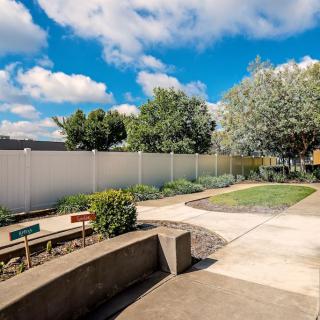
 Garden
 Housekeeping services
 Move-in coordination
 Outdoor space
 Private
 Private bathrooms
 Telephone
 Wi-Fi/high-speed internet available
 Modesto City-County-Harry Sham (3 miles away)
 24-hour supervision
 Activities of daily living assistance
 Ambulatory care
 Assistance with bathing
 Assistance with dressing
 Assistance with transfers
 Diabetes diet
 High acuity care
 Meal preparation and service
 Medication management
 Special dietary restrictions
 Transportation arrangement (medical)
 Transportation to doctors appointments

 How and When Medicaid May Cover Assisted Living Costs
 A Detailed Exploration of Assisted Living Medicaid Waivers Across the United States
 Exploring the Contrasts Between Assisted Living and Skilled Nursing