
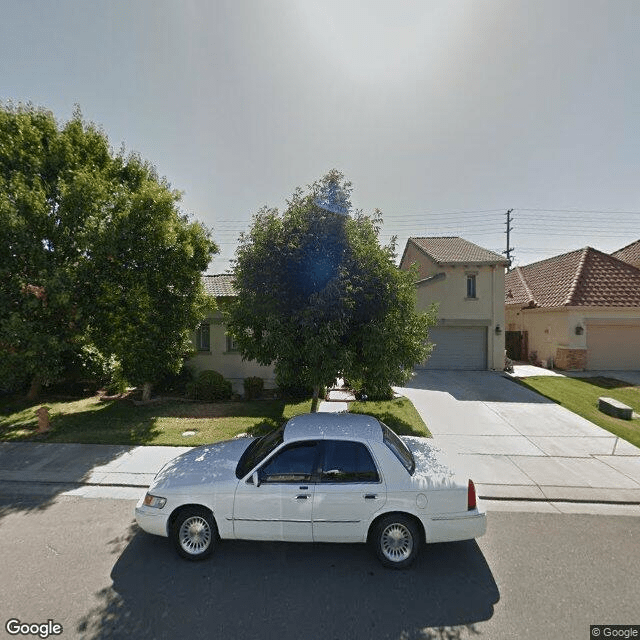
3100 Dovehouse Lane, Modesto, CA 95355
For more information about senior living options: (866) 208-4318
Dignicare Living Costs & Pricing
Dignicare Living offers competitive pricing for its residents, particularly when compared to both Stanislaus County and the broader state of California. For semi-private accommodations, Dignicare's monthly fee is $2,500, which significantly undercuts the county average of $3,241 and the state average of $3,333. Similarly, those opting for private rooms will find Dignicare's rate of $3,000 to be more affordable than the county's $3,754 and the statewide average of $3,939. This pricing structure positions Dignicare Living as an appealing option for individuals seeking quality care without the financial strain often associated with assisted living facilities in the region.
| Floor plans | Dignicare Living | Stanislaus County | California |
|---|---|---|---|
| Semi-Private | $2,500 | $3,241 | $3,333 |
| Private | $3,000 | $3,754 | $3,939 |
Assisted Living communities with a similar price nearby
-
from +$300 / mo

Lifespring Senior Campus
$2,800 to $3,500 / month13.5 miles away -
from -$100 / mo
Christina's Home Care
$2,400 / month19.5 miles away -
About the same
Covenant Retirement Communi
$2,525 to $4,000 / month13.0 miles away -
About the same

Hospitality House
$2,500 to $4,200 / month8.6 miles away -
from -$305 / mo
Casa De Modesto
$2,195 to $3,495 / month2.8 miles away
Overall Review of Dignicare Living
Pros
 The reviewers are pleased with the facility.
- The general care has been excellent.
- The facility is very clean, visually pleasing, and very calm and quiet.
- Compared to a large rehab care facility, Golden Haven is Heaven.
Cons
 The location is good, but it is not a good fit for her mom.
- The cleanliness was only okay and the facility could use more cleaning.
- The staff were not very friendly.
- The doctors' orders to give morphine for comfort and pain management were not followed; only Tylenol was given.
- The facility is very regimented, probably worse than jail.
- Residents are awakened at 4 a.m. for breakfast and put to bed at 6 p.m.
- They are told one thing and it is another when they arrive.
- The reviewers would not send anyone there / would not recommend it to anyone.
- The staff are disgustingly rude and do not care about their jobs; the place is described as a hell hole.
- There is little personal interaction between residents and staff, with most time spent in front of the television.
Review
Dignicare Living in Modesto, CA is best suited for residents who want a quiet, home-like setting with a convenient location and who can accept a tightly run schedule and modest level of staff interaction. The community seems to reward those who prize cleanliness and a calm atmosphere over bustle, programming, or highly personalized engagement. It suits seniors who do not rely on constant social activity or responsive, person-centered care to feel secure day-to-day. The trade-off is clear: structure and predictability come at the cost of warmth, spontaneity, and visible effort to foster meaningful resident connections. Families should be sure this matches the resident’s temperament, care needs, and desired daily rhythm before committing.
Careful consideration is warranted for anyone weighing more social or medically responsive settings. The strongest red flags center on staffing and interpersonal dynamics. Several accounts describe staff as unfriendly or impersonal, with limited opportunities for genuine interaction beyond routine tasks. Pain management raises serious questions in at least one instance, where doctor’s orders for comfort were not honored in favor of simpler analgesics. For residents who rely on engaging conversations, proactive care, and quick, compassionate responses to discomfort, these patterns are unlikely to improve. Alternatives that prioritize higher staff ratios, ongoing engagement, and a warm, resident-centered culture deserve serious consideration.
On the upside, cleanliness and a calm, visually pleasing environment recur as positives in multiple impressions. The location is frequently praised, and the facility is described as quiet and orderly, with general care sometimes noted as adequate. Yet these advantages are consistently undercut by the practical realities of limited staffing and scarce opportunities for personal interaction. Reports repeatedly point to only a couple of caretakers on site, which translates into little time for social programming, meaningful activity beyond television, and slower responsiveness to day-to-day needs. For families seeking a bustling, engaging atmosphere, the contrast with the quieter setting can feel like a meaningful misalignment with expectations.
The most troubling themes revolve around behavior, routine, and respect. Reviews paint a picture of rudeness toward residents and families, paired with a regimented schedule that can feel punitive rather than empowering. Some describe a jail-like cadence, early wake times and early lights-out, that erodes dignity and personal choice. Mixed messages about care plans and a sense that staff do not consistently reflect resident preferences further undermine trust. In short, the daily experience risks feeling impersonal and inflexible, particularly for residents who value autonomy, warmth, and proactive attentiveness to changing needs. These core concerns call into question whether daily life will ever feel truly comfortable or reassuring.
Given these dynamics, a clear decision framework emerges. For families prioritizing a safe, tidy, low-stimulation environment and a predictable routine, Dignicare Living may be a tolerable fit. However, for those who want steady warmth, flexible scheduling, richer social programming, and strong ongoing medical oversight, especially around comfort and pain management, alternative options are strongly recommended. The best-fit candidates are those who can accept limited interpersonal interaction in exchange for a quiet, home-like setting, and who are not chasing highly responsive care or vibrant communal life. There is enough consistency in cleanliness and tranquility to justify a visit, but the red flags warrant careful vetting and direct, pointed questions during tours.
Practical next steps are essential in evaluating fit. Tour the home when the resident’s needs are visible and observe how staff interact with residents in real time. Ask about staffing levels, shift coverage, and typical daily schedules to understand how much personal attention is realistically available. Probe specifically on pain management, what happens when a resident requires comfort measures, and how often those decisions are clinically reviewed and honored. Inquire about programming beyond television, are there meaningful activities, small-group engagements, or one-on-one interactions that align with the resident’s interests? Speak with current families about day-to-day life, evenings, and weekends to gauge consistency between promises and reality. Compare these findings against alternatives that offer higher staff ratios, more proactive engagement, and a warmer daily culture. The conclusion is clear: Dignicare Living serves a narrow subset of seniors and families who value order, cleanliness, and location while accepting a restrained social and care experience.
 6 resident community capacity
 Assisted Living
 Board and Care Home
 Respite Care
 Activities on-site
 Cable or satellite TV
 Devotional services off-site
 Dining room
 Fully furnished
 Garden
 Housekeeping services
 Indoor common areas
 Move-in coordination
 Outdoor common areas
 Private
 Private bathrooms
 Telephone
 Wheelchair accessible showers
 Wi-Fi/high-speed internet available
 Modesto City-County-Harry Sham (4 miles away)
 24-hour supervision
 Assistance with bathing
 Assistance with dressing
 Assistance with transfers
 Diabetes diet
 Diabetic care
 High acuity care
 Incontinence care
 Meal preparation and service
 Medication management
 Special dietary restrictions
 Transportation arrangement (medical)
 Transportation to doctors appointments

 A Detailed Exploration of Assisted Living Medicaid Waivers Across the United States
 Comprehensive Residential Support and Assisted Living Solutions for Individuals with Disabilities
 Comprehensive Supportive Living Arrangements for Adults with Disabilities