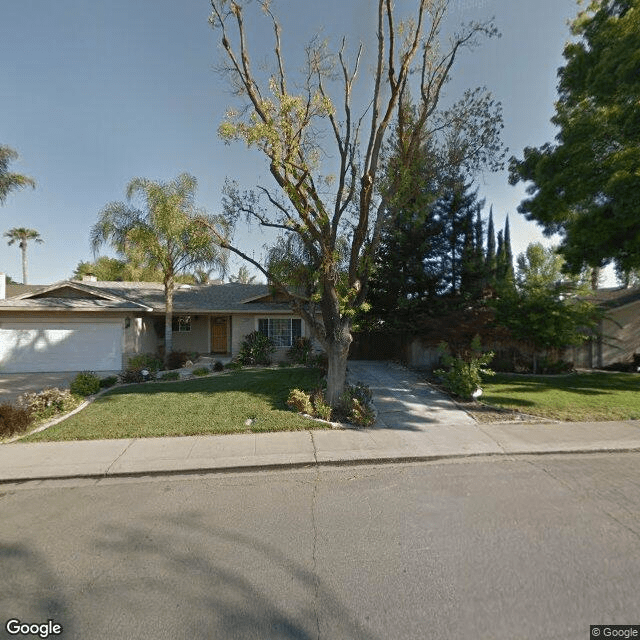
3205 Hummingbird Lane, Modesto, CA 95356
For more information about senior living options: (866) 208-4318
Hummingbird Manor Costs & Pricing
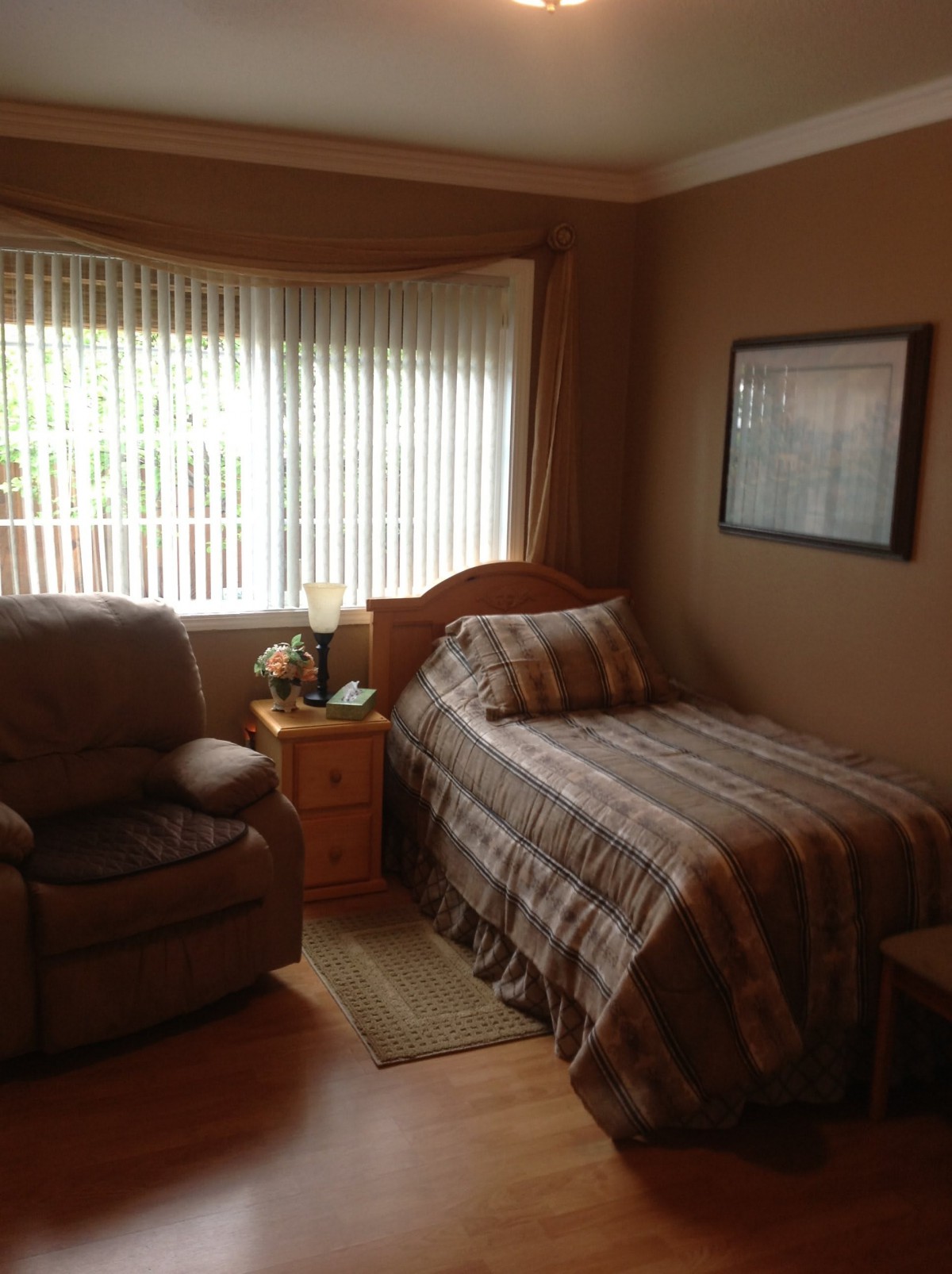
At Hummingbird Manor, the monthly costs for accommodations reflect a commitment to quality care and comfort. For semi-private rooms, residents can expect to pay $4,000, which exceeds both the Stanislaus County average of $3,241 and the broader California average of $3,333. Likewise, the price for private rooms is set at $4,500, positioning it above the county's average of $3,754 and California's state average of $3,939. While Hummingbird Manor's rates are higher than regional benchmarks, they underscore a dedication to providing an elevated living experience that prioritizes resident well-being within a thoughtfully designed environment.
| Floor plans | Hummingbird Manor | Stanislaus County | California |
|---|---|---|---|
| Semi-Private | $4,000 | $3,241 | $3,333 |
| Private | $4,500 | $3,754 | $3,939 |
Assisted Living communities with a similar price nearby
-
from -$300 / mo
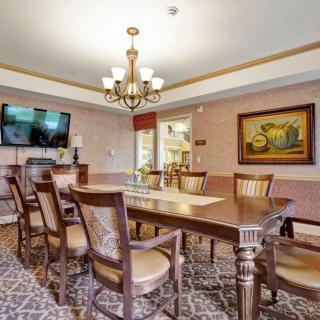
The Commons at Union Ranch
$3,700 to $5,700 / month13.6 miles away -
from -$355 / mo
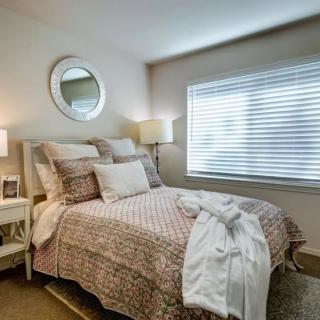
Cogir of Turlock
$3,645 to $4,780 / month15.7 miles away -
from -$400 / mo

Valley Comfort Assisted Living
$3,600 to $4,500 / month1.1 miles away -
About the same

Belmare Senior Living
$3,900 to $5,395 / month13.4 miles away -
from -$500 / mo
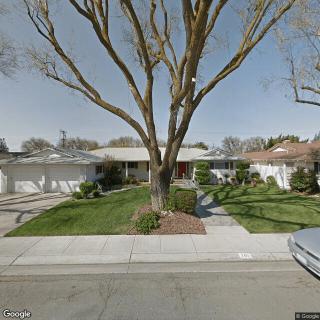
Valley Royale Care
$3,500 to $6,000 / month3.1 miles away
Overall Review of Hummingbird Manor
Pros
 Aurelia and her husband are beautiful people.
- The support staff they bring in are amazing.
- The house is clean, and the meals they provide are healthy and balanced.
- The mom is blossoming there.
- They are little angels on earth.
Review
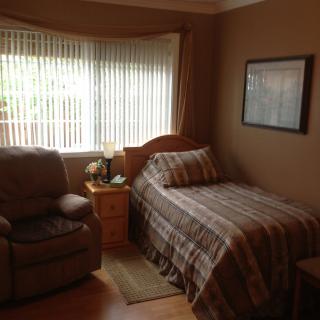
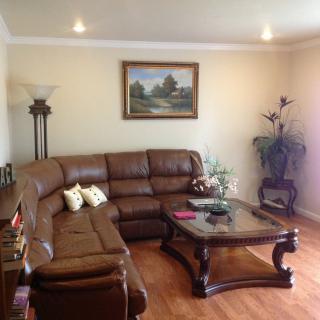
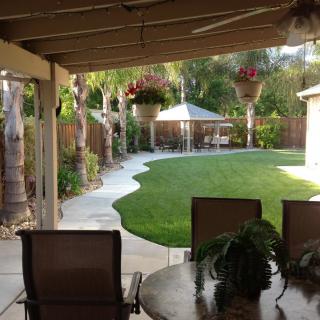
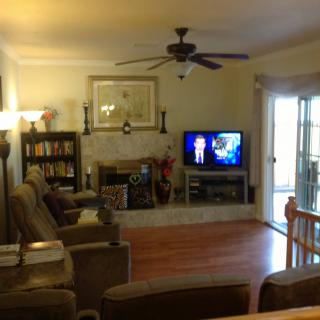
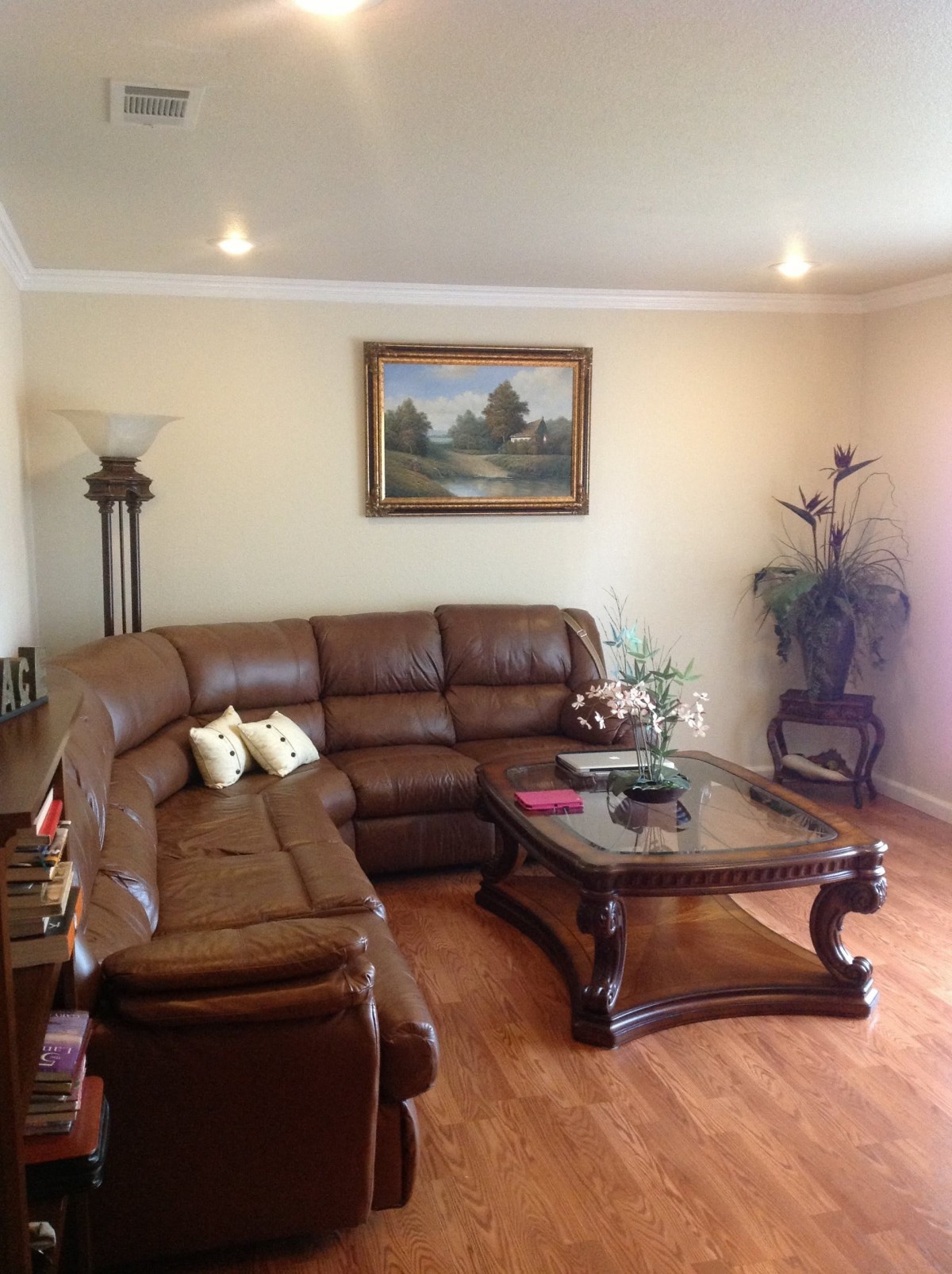
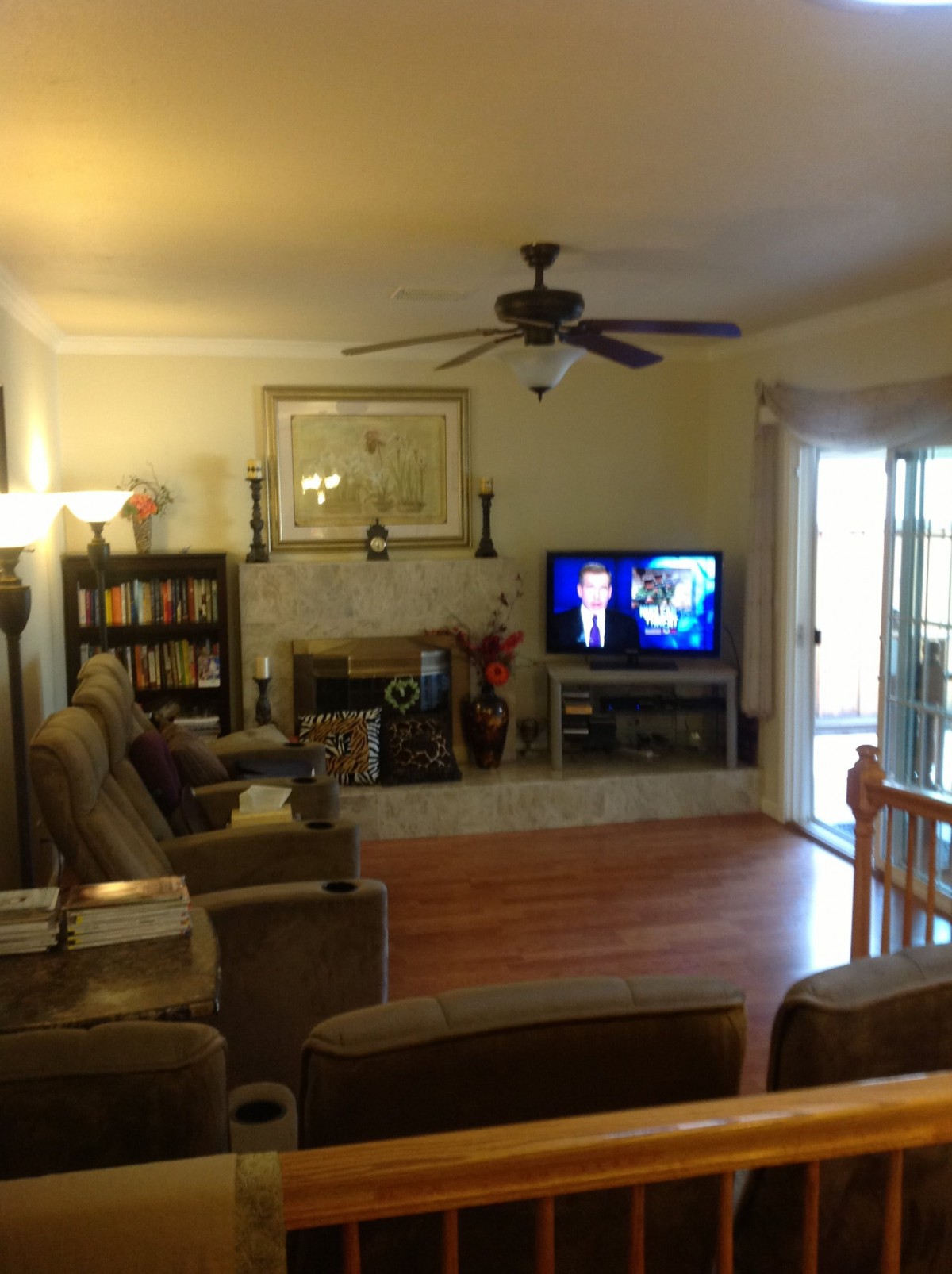
Hummingbird Manor in Modesto is best suited for families seeking a warm, intimate, home‑like assisted living experience where owners are deeply involved and caregiving feels personal, consistent, and relational. The profile here centers on Aurelia and her husband as the core of daily life, with a steady cadre of support staff who reinforce a tight-knit, house‑based atmosphere. The residence itself reads as clean and well kept, and meals are described as healthy and balanced, contributing to noticeable improvements in residents’ well‑being. The standout sign is that a mom living there can “blossom,” a practical testament to the effectiveness of the approach when practiced with care, stability, and genuine regard.
Those who may want to consider alternatives are seniors who require more clinical oversight or a larger, more programmatic setting. If a resident needs around‑the‑clock nursing on site, highly specialized memory‑care programming, or a broad slate of structured activities and transportation options typical of bigger communities, a larger facility could be a better fit. Similarly, if preference leans toward a more formal, corporate environment with a wide network of therapeutic services and robust in‑house medical staff, the small home model may feel too intimate or limited. In short, the strongest alignment is with those who value personal attention over scale.
The core advantages are concrete and durable. First, the owner‑run structure delivers continuity that is hard to match in larger facilities: Aurelia and her husband set the tone, model caregiving behavior, and remain accessible as needs evolve. Second, the support team, described as amazing, provides a reliable, high‑quality caregiving presence that translates into consistent daily life for residents. Third, cleanliness and a well‑managed home environment reduce friction in daily routines and contribute to a sense of safety and comfort. Finally, meals that are healthy and balanced support physical vitality and cognitive clarity, reinforcing the overall sense that daily life is nourishing and manageable. Taken together, these factors create a caregiving culture that makes residents feel valued, seen, and steadily supported.
The single strongest caveat to anticipate in a small, home‑like setting is that the very strengths of intimacy can translate into tradeoffs on breadth of programming and on-site medical resources. While the current review highlights a high level of personal attention and a blossoming of the resident, there is an implicit limit to how many activities, clinical services, or external partnerships can be maintained within a single dwelling. Yet the offset is powerful: the same intimate scale allows staff to anticipate needs, adjust routines swiftly, and maintain a stable, low‑stress environment that often yields better day‑to‑day quality of life than a larger, busier campus. For families weighing this balance, the personal alignment and caregiver reliability often outweigh the absence of a larger activity calendar.
Prospective families should structure their visit around practical checks that translate directly into daily life. Inquire about the stability and accessibility of the caregiving team, how often Aurelia and her husband are on site, and how transitions in care are managed if needs escalate. Observe mealtime routines, sweetness and consistency of meals, and whether dietary restrictions are accommodated without friction. Ask about daily schedules, activity options, and how residents socialize, whether visitors are welcome and how community life actually unfolds day‑to‑day. Finally, clarify pricing, what is included, and how changes in care level are handled, so expectations align with reality before any commitment.
In the end, Hummingbird Manor stands out as a compelling choice for families prioritizing intimate, person‑centered care in Modesto. It is best for seniors who prosper under close relationships with a small team and a family‑like home atmosphere, where daily life emphasizes routine, nourishment, and personalized attention. For residents with more advanced medical needs, or for families seeking a broader range of structured programming, alternatives in larger settings may serve better. Where the fit is right, this community offers a remarkably practical pathway to sustained comfort, dignity, and incremental growth in daily living.
 6 resident community capacity
 Assisted Living
 Board and Care Home
 Activities off-site
 Air-conditioning
 Beautician on-site
 Cable or satellite TV
 Dining room
 Fully furnished
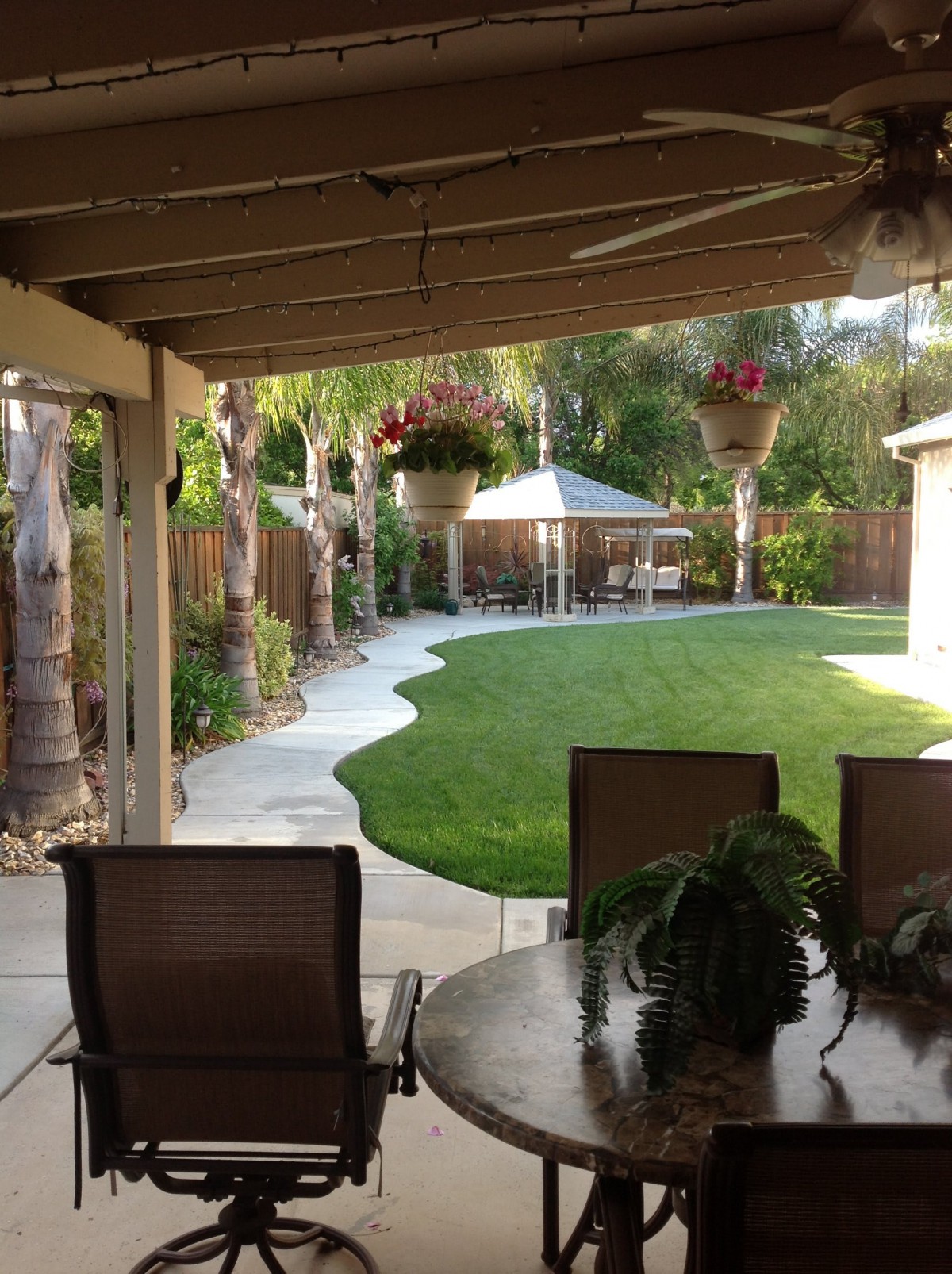
 Garden
 Housekeeping services
 Indoor common areas
 Move-in coordination
 Outdoor common areas
 Private
 Private bathrooms
 Telephone
 Wi-Fi/high-speed internet available
 Modesto City-County-Harry Sham (7 miles away)
 24-hour supervision
 Assistance with bathing
 Assistance with dressing
 Assistance with transfers
 Diabetes diet
 High acuity care
 Incontinence care
 Meal preparation and service
 Medication management
 Special dietary restrictions
 Transportation arrangement (medical)
 Transportation to doctors appointments
 Art classes
 Cooking classes
 Day trips and outings
 Educational speakers / life long learning
 Forever fit
 Karaoke
 Live dance or theater performances
 Live musical performances
 Live well programs
 Wine tasting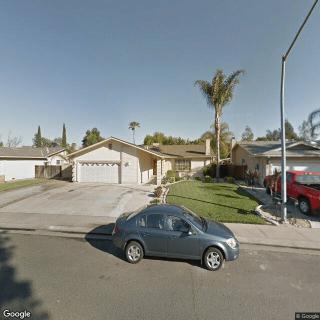



 Choosing the Right Senior Care: A Detailed Exploration of Assisted Living and Nursing Homes
 Understanding the True Cost of Assisted Living in 2025: A Comprehensive Guide
 Understanding Medicaid Coverage for Assisted Living: A Comprehensive Guide