

3620 B Dale Road, Modesto, CA 95356
For more information about senior living options: (866) 208-4318
Overall Review of Vintage Faire Nursing and Rehabilitation Center
Pros
 Audrey was very sweet and helped make his transition from the hospital to the facility as smooth as possible.
- Audrey and Christina were extremely compassionate and supportive when delivering bad news.
- Christina was genuinely concerned with his health.
- Christina was very knowledgeable about his health.
- Christina forewent giving his insulin when his blood sugars were not high enough, using common sense and expertise.
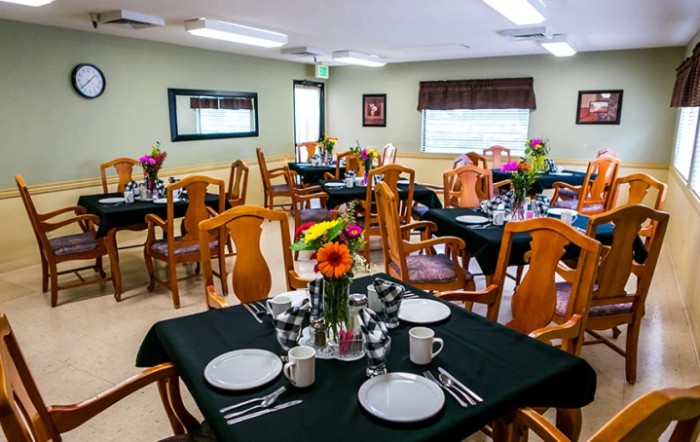
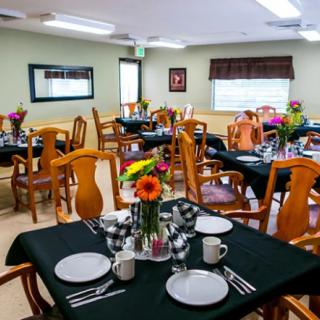
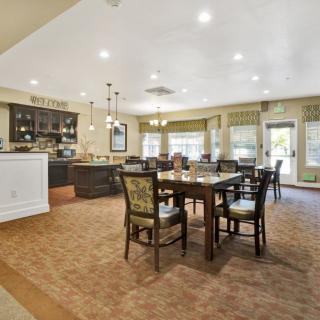
- The dining room was nice and roomy.
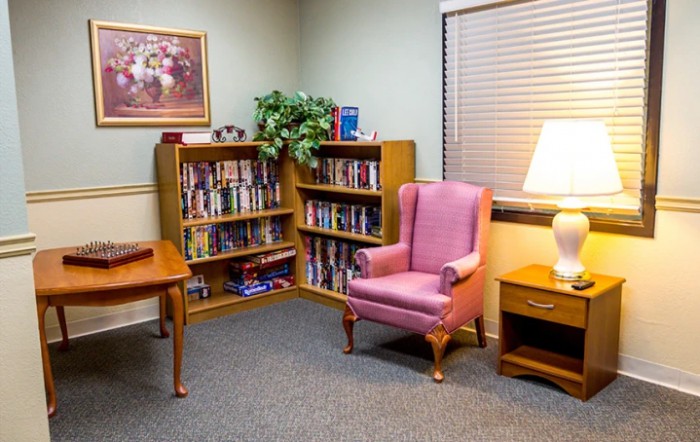
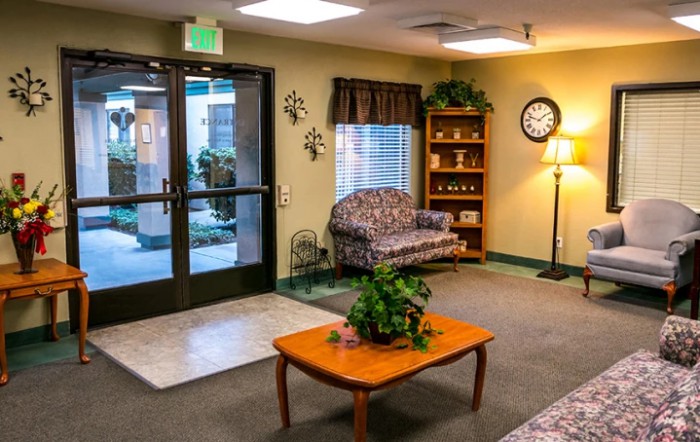
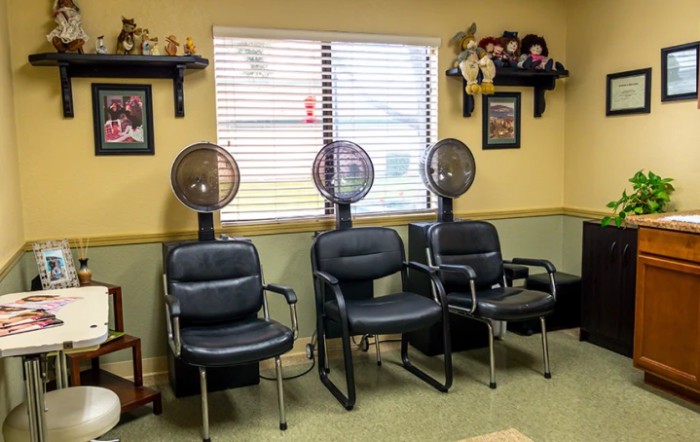
- The facility seemed clean and well-kept, and the staff was very nice.
- They seemed to give very good care.
- Vintage Faire seemed to work out pretty well for her before she passed away.
Cons
 The review cautions readers to use caution when choosing this facility.
- The communication in this facility is terrible.
- The sanitation and cleanliness are very bad.
- The staff did not respond promptly to patient call buttons, jeopardizing safety.
- The facility bagged up a resident's belongings in garbage bags to make room for a new patient.
- The facility appears to prioritize money over patients and shows a lack of accountability.
- There were reports of patients receiving wrong medications and of injuries like falls, indicating serious safety concerns.
Review
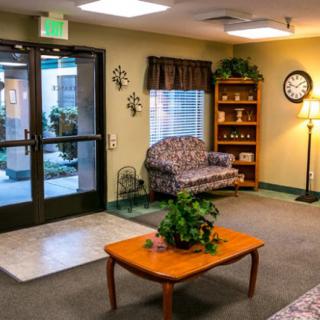
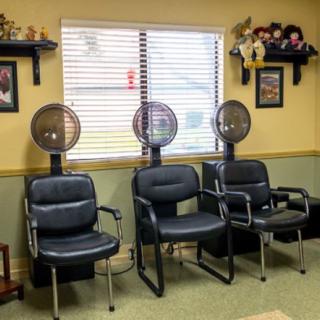
Vintage Faire Nursing and Rehabilitation Center in Modesto is best suited for families that can stay actively involved in care decisions and want a facility that presents a calm, clean, and approachable front end. The admissions experience stands out as a positive anchor: Audrey in admissions is consistently described as compassionate and helpful during transitions from hospital to facility, and Christina the nurse is noted for genuine concern for the resident’s health and for exercising clinical judgment when insulin dosing and blood sugar management are at issue. For a resident whose needs can be safely supervised with regular family or advocate oversight, and who benefits from a facility that feels orderly on the surface, Vintage Faire can feel like a workable option at the outset, with the dining room and general environment delivering a reassuring first impression.
That said, clear cautions arise early and persist, suggesting alternatives may be a better fit for many families. The most persistent red flags center on communication failures and uneven clinical oversight. Family members report lengthy holds to reach staff, difficulty getting timely assistance with call buttons, and a pattern of not being notified about serious incidents promptly. Incidents involving medication management, most notably a dangerously low blood sugar event that led to a fall and subsequent injuries, highlight gaps in consistent, proactive monitoring and timely family communication. When concerns were raised with supervisors or the director of nurses, responses ranged from defensive to insufficient, undermining trust in how accountability is handled after adverse events.
The core pros, a caring admissions process, attentive bedside nursing by at least some staff, and a clean, well-maintained environment, do not fully offset the most serious cons. The compassionate behavior of Audrey and Christina can ease the initial transition and provide a trusted touchpoint for families, but those strengths do not automatically translate into reliable ongoing safety or consistently coordinated rehab. Several reviews describe situations where care appeared reactive rather than proactive: delayed response to call bells, inconsistent supervision during rehab periods, and reports of patients not receiving appropriate or timely interventions. In short, the facility may feel competent in appearance and in episodic staff interactions, but critical processes around med management, monitoring, and escalation are repeatedly called into question.
Rehab quality emerges as a particularly weak area in this mix. One reviewer found the rehab program insufficient during a three-week stay, with little evidence of dedicated, goal-driven therapy and active engagement in recovery. For families seeking a short stay focused on intensive rehabilitation to return home, this raises a substantial concern about whether progress will be made in a timely, disciplined way. Coupled with reports of understaffing and slow responses to urgent needs, the rehab experience cannot be relied upon to deliver consistent, outcome-oriented care. This is especially consequential for residents who require structured rehabilitation to regain functioning after hospitalization, as delays or gaps directly impact discharge readiness and overall recovery trajectories.
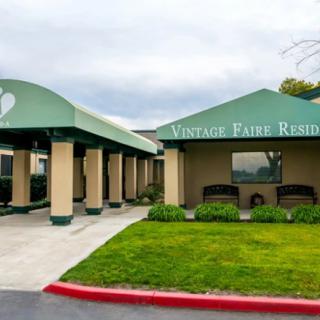
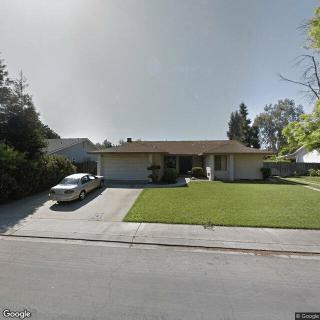
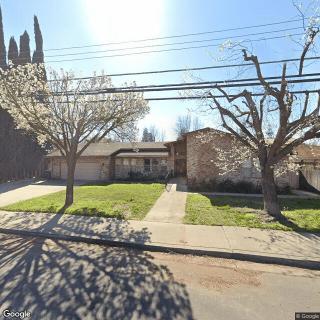
On balance, Vintage Faire presents as a facility with a clean, welcoming exterior and some members of the staff who truly value patient safety and family involvement. However, the most consequential factors, medication safety, real-time responsiveness, reliable rehab programming, and transparent communication, point decisively toward caution. Families should enter with a concrete plan: insist on direct daily communication with a lead nurse or the director of nursing, request a written rehab plan with clear daily goals, and demand a documented med management protocol tailored to the resident’s diabetes and other conditions. Verify staffing levels, weekday vs weekend availability, and the process for incident reporting and timely family notification.
In the end, Vintage Faire is not universally suitable. It may work for residents whose care can be closely supervised by a vigilant family member and who can tolerate a period of adjustment while care processes are clarified. For those needing dependable, proactive medical management, timely notifications, and consistently strong rehab programming, alternatives merit serious consideration. The facility’s strengths offer a meaningful start, but the recurring concerns about safety, responsiveness, and communication make a cautious, stepwise decision essential. Families should compare multiple options, visit at varying times, and demand concrete assurances before making a commitment that ties a loved one to a setting where decisive improvements are needed to meet core safety and rehabilitation standards.
 99 resident community capacity
 Skilled Nursing Facility
 Air-conditioning
 Beauty salon
 Cable or satellite TV
 Computer center
 Continuing learning programs
 Dining room
 Family education and support services
 Fitness room
 Fully furnished
 Gaming room
 Garden
 Housekeeping services
 Kitchenette
 Move-in coordination
 Outdoor patio
 Outdoor space
 Private bathrooms
 Restaurant-style dining
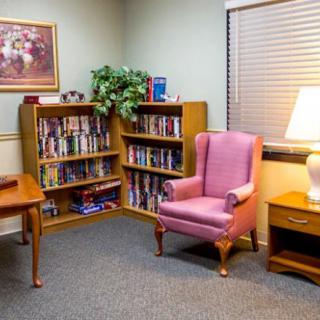
 Small library
 Telephone
 Wellness center
 Wi-Fi/high-speed internet available
 Modesto City-County-Harry Sham (7 miles away)
 Community operated transportation
 12-16 hour nursing
 24-hour call system
 Accept incoming residents on hospice
 Activities of daily living assistance
 Administer insulin injections
 Assistance with bathing
 Assistance with dressing
 Assistance with transfers
 Care with behavioral issues
 Diabetes diet
 Medication management
 Mental wellness program
 Mild cognitive impairment
 Physical therapy
 Same day assessments
 Special dietary restrictions
 Transportation arrangement (medical)
 Concierge services
 Planned day trips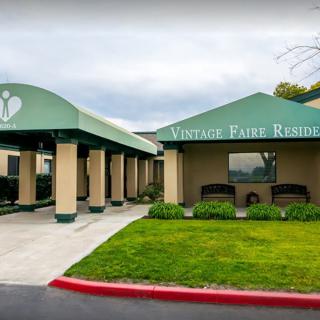



 Urinary Tract Infections in Older Adults: Comprehensive Insights on Symptoms, Treatment, and Prevention
 California's Form 602A: An In-Depth Examination of Senior Care Assessment
 Comprehensive Look at Senior Blood Pressure Charts: Normal and Elevated Levels by Age