
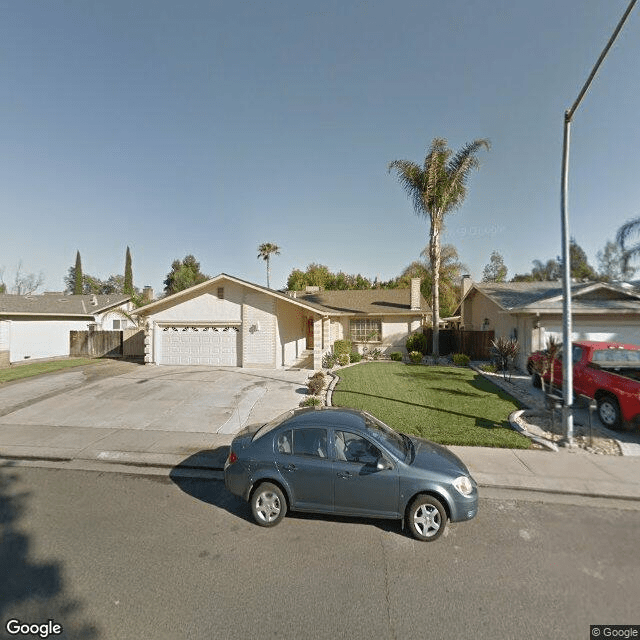
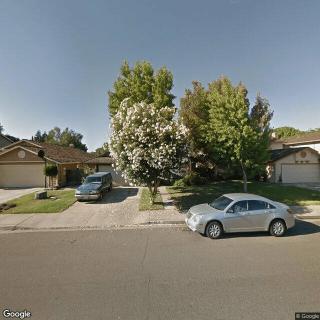
3209 Hummingbird Lane, Modesto, CA 95356
For more information about senior living options: (866) 208-4318
Lidia's Blessed Home Costs & Pricing
Lidia's Blessed Home offers competitive pricing for its residential care services, particularly when compared to the broader Stanislaus County and the state averages in California. For semi-private rooms, Lidia's rate of $3,000 per month is notably lower than both the county average of $3,241 and the state benchmark of $3,333, providing an attractive option for those seeking affordability without compromising quality. In the private room category, Lidia's monthly fee of $4,000 is slightly above the county's average of $3,754 but remains below California's average of $3,939. Furthermore, their one-bedroom offering at $5,000 reflects a more premium experience compared to Stanislaus County's average of $3,685 and California's statewide rate of $4,340. Overall, Lidia's Blessed Home maintains a balance between reasonable pricing and superior care options tailored to meet diverse needs within the community.
| Floor plans | Lidia's Blessed Home | Stanislaus County | California |
|---|---|---|---|
| Semi-Private | $3,000 | $3,241 | $3,333 |
| Private | $4,000 | $3,754 | $3,939 |
| 1 Bedroom | $5,000 | $3,685 | $4,340 |
Memory care communities with a similar price nearby
-
from -$500 / mo
Stetson Court Living
$2,500 / month20.8 miles away -
from -$500 / mo
Beta Care Home
$2,500 to $4,000 / month0.8 miles away -
About the same
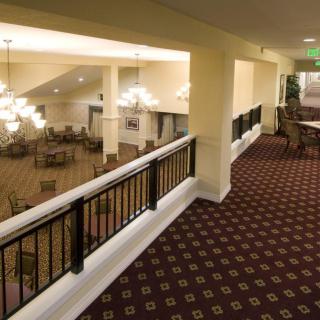
Prestige Assisted Living at Manteca
$3,000 to $4,745 / month11.1 miles away -
from +$200 / mo

Stratford at Beyer Park
$3,200 to $4,595 / month4.6 miles away -
from +$595 / mo
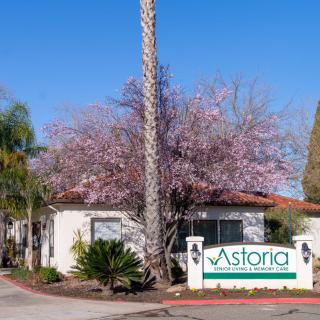
Astoria at Oakdale
$3,595 to $4,595 / month12.1 miles away
Overall Review of Lidia's Blessed Home
Pros
 Lidia's Blessed Home provides a true home with excellent care.
- They go above and beyond to keep residents comfortable and are welcoming to visiting families.
- The care at Lidia's Blessed Home is exceptional.
- They provide competent and compassionate care.
- The home is beautifully kept and clean.
- The smaller community enables better one-to-one care.
- Lidia herself is the best part of the service.
Cons
 It felt more like a business first, with clients coming second.
- The tour was very quick and staff would leave a non-ambulatory resident in bed.
- They were not impressed with the facility overall.
- The rules were extremely rigid: no guests during meals, no cell phones during meals, and no guests after 6 PM.
- Residents were put to bed around 6:30 PM and left unattended by staff.
- The owners and staff were described as rude and not welcoming, with reports of a resident being pushed out.
Review
Lidia’s Blessed Home in Modesto is best suited for families seeking a small, home-like setting where personalized attention and a hands-on, family-run approach are the priority. This community shines for residents who benefit from consistent, one-to-one attention and a warm, non-institutional atmosphere. It is especially appealing to families who value regular, open access to caregivers and a palpable sense that the care team knows the resident and the family well. Those who want a tightly knit environment with direct involvement from the owners will find the arrangement appealing.
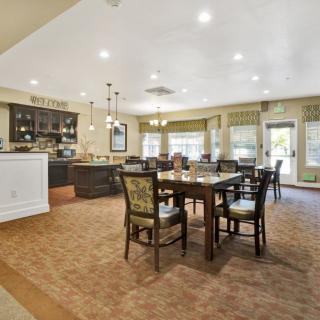
On the plus side, the strongest draw is the quality and character of the care. Reviewers repeatedly describe exceptional, compassionate support and note that Lidia and her family become genuinely involved in daily routines, turning care into a true caregiving partnership. The home-like setting, cleanliness, and personal touches, such as residents appearing well groomed and comfortable during visits, underscore a level of attentiveness that can feel markedly different from larger facilities. A smaller footprint translates into better opportunities for individualized attention, and several families praised the accessibility of staff and the warmth of the environment, with one reviewer highlighting the near-1-to-1 care that accompanies the intimate model.
Yet, there are meaningful caveats that prospective families must weigh. A persistent theme in the feedback is a perception that the operation can tilt toward a business emphasis, occasionally at odds with resident preferences. Several reviews describe rigid rules around guests, meals, and screen time, plus privacy concerns raised by intercom monitoring. Instances of perceived brusqueness or uneven staff responsiveness surface in some accounts, particularly around nighttime requests or perceived lapses in proactive assistance. The tension between a home aesthetic and a more client-centered philosophy shows up in practical realities, tour experiences that felt rushed, and some families encountering communication gaps or misaligned expectations around openings, pricing, and private space.
The key pros, close caregiver relationships, a warm, clean, family-owned setting, and visible devotion from Lidia and her kin, do offer meaningful offset to the drawbacks, but the balance hinges on what families are willing to prioritize. For care needs that benefit from highly personalized attention, a smaller community can deliver comfort and consistency that larger institutions struggle to match. When price is not a chief concern and the goal is to minimize turnover and maximize daily collaboration with a small team, the advantages often outweigh the restrictions. Conversely, for households prioritizing flexible guest policies, budget predictability, or broader medical oversight, the cons can feel more consequential than the benefits.
Alternatives are most worth considering for families with two clear imperatives: budget discipline and a preference for fewer restrictions. If cost sensitivity is central, or if a resident thrives on more expansive programming and greater autonomy in routines, other local options may deliver better value. For those who require robust, around-the-clock medical management, or who want less emphasis on family ownership dynamics and more standardized policies, a larger, more established facility could offer stronger alignment. In short, the decision hinges on whether a warm, intimate home environment with direct owner involvement truly matches the resident’s needs and the family’s expectations around structure, privacy, and transparency.
In the end, Lidia’s Blessed Home deserves serious consideration for families who prize personal connection, quiet dignity, and tailored care within a tight-knit setting, and who are prepared to navigate a few rigidity points and price considerations. Prospective movers should request a longer visit, probe the exact caregiver ratios, and ask hard questions about guest policies, dining arrangements, and how night-time requests are handled. For those who require more expansive programming, greater schedule flexibility, or a more conventional care-management framework, it makes sense to compare several options before deciding. The right fit is the family that values relational care and a home atmosphere, even at the expense of some of the tradeoffs that come with a smaller, owner-led operation.
 6 resident community capacity
 Assisted Living
 Board and Care Home
 Memory Care
 Respite Care
 Activities on-site
 Cable or satellite TV
 Dining room
 Fully furnished
 Garden
 Housekeeping services
 Move-in coordination
 Outdoor space
 Private
 Telephone
 Wi-Fi/high-speed internet available
 Modesto City-County-Harry Sham (7 miles away)
 24-hour supervision
 Assistance with bathing
 Assistance with dressing
 Assistance with transfers
 Diabetes diet
 Meal preparation and service
 Medication management
 Special dietary restrictions
 Transportation arrangement (medical)
 Transportation to doctors appointments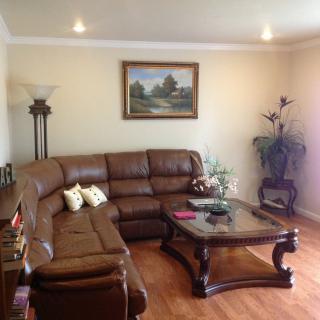


 Comprehending Evening Confusion in Dementia: Causes, Manifestations, and Support
 Delirium and Dementia: Unraveling the Key Differences
 Are Dementia and Alzheimer's Disease Lethal? A Comprehensive Exploration