
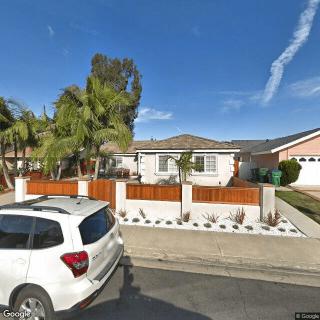
24016 Salero Lane, Mission Viejo, CA 92691
For more information about senior living options: (866) 208-4318
Overall Review of Verona Court V
Pros
 Verona Court felt like a home from the moment they entered.
- Arda and Tarek are caring owners who immediately inspired confidence.
- Julie, the head nurse, answered all questions and concerns and provided complete service.
- They transferred their father from the rehab center to Hospice with no worries.
- The small resident count and two full-time caregivers translate into significant personal attention.
- Remi and Jun provided incredible 24/7 care for their dad.
- Jason, the Hospice head nurse, was great to work with and provided regular updates.
- The family felt comfortable that their dad was in the right place, and his final days were peaceful and serene.
Cons
 He left the first facility wondering if Bed and Care could meet his expectations.
- The rehab center was not the right place for him.
- Dad did not have it easy, being bedridden and waking up often during the night calling out for his mother.
- There were doubts about what level of care Bed and Care would provide.
Review
Verona Court V in Mission Viejo is best suited for families seeking an intimate, home-like setting where a loved one can receive very high-touch care in a small, easily supervised environment. The community operates with six residents and two full-time caregivers, delivering a clear 3:1 patient-to-caregiver ratio that translates into real, practical attention, every need anticipated, every call answered promptly. The owners, Arda and Tarek of Parentis, together with a dedicated head nurse and hospice liaison, form a cohesive team that handles transitions with confidence. When the path runs from hospital to rehab and into hospice, Verona Court V can provide a seamless bridge, reducing the uncertainty that often accompanies these steps and delivering a sense of steadiness families can only trust after watching a loved one decline.
Nonetheless, this setting may not fit every family. For those prioritizing a bustling calendar of activities, extensive amenities, or a broad social milieu, Verona Court V’s size and focused model can feel limiting. The intimate scale that brings rapid, attentive care may translate into fewer opportunities for casual interaction with a larger peer group. Likewise, if a resident’s needs include high-acuity medical supervision beyond what two full-time caregivers can safely manage, or if 24/7 on-site physician coverage is essential, alternative communities with deeper medical staffing should be considered. In short, the strengths here are excellent for intimacy and responsiveness, but they come with trade-offs in scale and breadth of programming.
Critical pros offset several potential drawbacks. The home-like atmosphere reduces clinical stiffness often found in larger facilities, and the 3:1 ratio means caregivers learn the rhythms and preferences of each resident rather than treating care as impersonal tasks. Family members can drop in at any time and expect thoughtful, direct communication, while the staff’s willingness to coordinate with hospice ensures medical and palliative goals stay aligned. That alignment is not merely administrative; it translates into more predictable nights, clearer expectations, and a sense of security for loved ones during the toughest moments. The downside of a small resident pool, potentially thinner social stimulation, is substantially mitigated by this level of personalization and the emphasis on near-constant availability and responsive care.
Evidence from the shared experience underscores a frontline team's effectiveness. The narrative describes entering a space that feels like home, with Arda and Tarek meeting the family personally, and with Julie, the head nurse, guiding questions and concerns. Remi and Jun provided around-the-clock attention during the most demanding nights, while Jason, the Hospice liaison, offered regular updates during visits. The transfer from rehab to hospice was managed with confidence, leaving the family with little to worry about. In the final days, the care staff fostered an environment described as peaceful and serene, which aligns with the core objective of Verona Court V for residents facing end-of-life care.
Another strength lies in the supportive network surrounding Verona Court V. A Plan for Senior Care adviser initially steered the family to this facility, signaling a proactive approach to planning and decision-making. Even if that adviser faced a temporary health setback, the overall recommendation and the subsequent care model reflect a disciplined, coordinated approach to senior care that prioritizes continuity and trust. The combination of intimate staffing, immediate accessibility, and coordinated hospice involvement creates a model where families feel connected and informed without being overwhelmed by logistics.
Bottom-line guidance: Verona Court V is a strong fit for families prioritizing intimate, continuous attention and a calm, home-like setting for a loved one with dementia or at the end of life. It shines when the goal is seamless transitions, real-time communication, and highly personalized care. Alternatives should be considered for those seeking more social programming, a larger community, or medical coverage that includes broader on-site specialists or higher-acuity capabilities. Prospects should schedule a candid visit, ask about night staffing patterns, and review how care plans are documented and updated to ensure alignment with the resident’s medical needs and family preferences. In the right circumstances, Verona Court V delivers reassurance that a difficult chapter can be managed with grace and dignity.
 6 resident community capacity
 Assisted Living
 Board and Care Home
 Cable or satellite TV
 Dining room
 Fully furnished
 Garden
 Housekeeping services
 Move-in coordination
 Outdoor space
 Telephone
 Wi-Fi/high-speed internet available
 John Wayne Orange Co (12 miles away)
 24-hour supervision
 Activities of daily living assistance
 Assistance with bathing
 Assistance with dressing
 Assistance with transfers
 Diabetes diet
 Meal preparation and service
 Medication management
 Special dietary restrictions
 Transportation arrangement (medical)
 Transportation to doctors appointments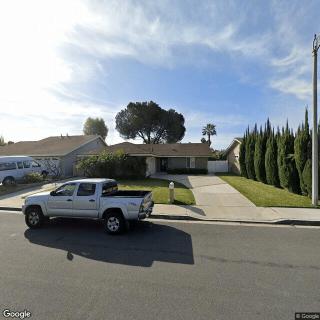


 Exploring the Contrasts Between Assisted Living and Skilled Nursing
 8 Key Indicators That Suggest It May Be Time to Transition from Assisted Living to Skilled Nursing Care
 Vibrant Senior Living: A Comprehensive Guide for Active Older Adults