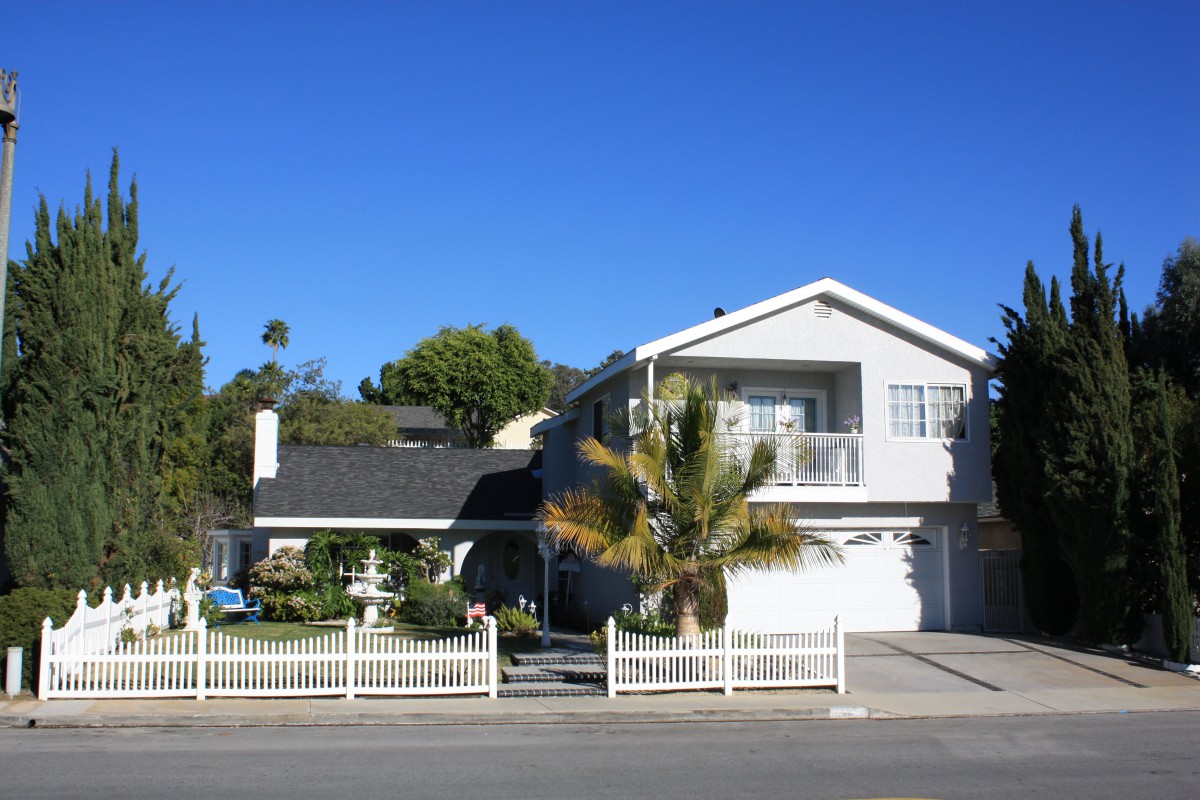

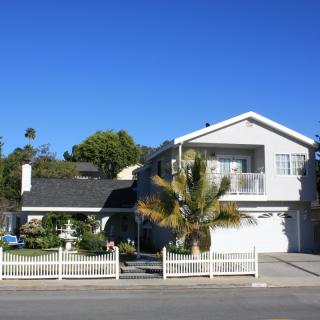
24052 Carrillo Drive, Mission Viejo, CA 92691
For more information about senior living options: (866) 208-4318
Comfort And Care For The Elderly Costs & Pricing
At Comfort And Care For The Elderly, the monthly costs for accommodations are competitively positioned compared to both Orange County and the broader state of California. For semi-private rooms, the fee stands at $3,000, which is notably lower than the county average of $3,431 and the state average of $3,333. Private rooms are priced at $4,000, slightly below Orange County's average of $4,104 and comparable to California's state average of $3,939. Similarly, one-bedroom units are available for $4,000 as well; this is slightly more affordable than both Orange County's rate of $4,380 and California's average of $4,340. Overall, Comfort And Care For The Elderly offers a compelling value proposition for families seeking quality care for their loved ones in a comfortable setting.
| Floor plans | Comfort And Care For The Elderly | Orange County | California |
|---|---|---|---|
| Semi-Private | $3,000 | $3,431 | $3,333 |
| Private | $4,000 | $4,104 | $3,939 |
| 1 Bedroom | $4,000 | $4,380 | $4,340 |
Memory care communities with a similar price nearby
-
from -$200 / mo
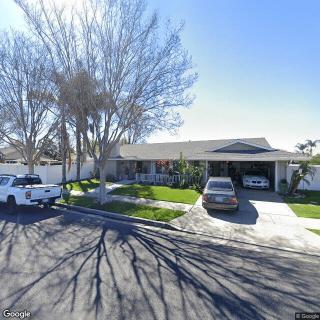
Candlewood Care Home III
$2,800 to $3,400 / month11.8 miles away -
from +$500 / mo
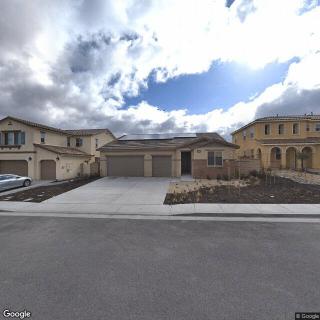
Kun Bai Care
$3,500 to $4,500 / month22.6 miles away -
from -$200 / mo
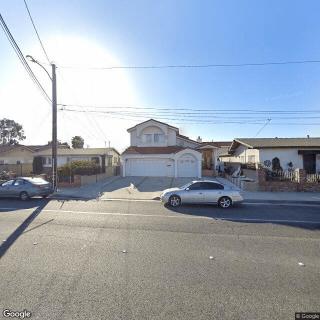
Leah Loving Elderly Care
$2,800 to $3,000 / month17.4 miles away -
from -$300 / mo
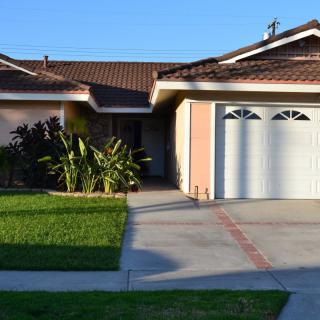
Loving Care Senior Home
$2,700 to $3,500 / month18.0 miles away -
from -$150 / mo
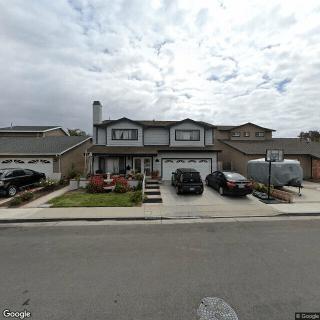
Alternative Senior Care - Freshwater
$2,850 to $3,250 / month20.8 miles away
Overall Review of Comfort And Care For The Elderly
Pros
 The staff are extremely pleasant, polite, calm, and patient with the residents.
- They are very on top of residents' daily basic needs.
- They accommodate residents' dietary needs with flexible meal options, including extra small meals when needed.
- The facility is very clean and well maintained.
- The owner is compassionate and caring.
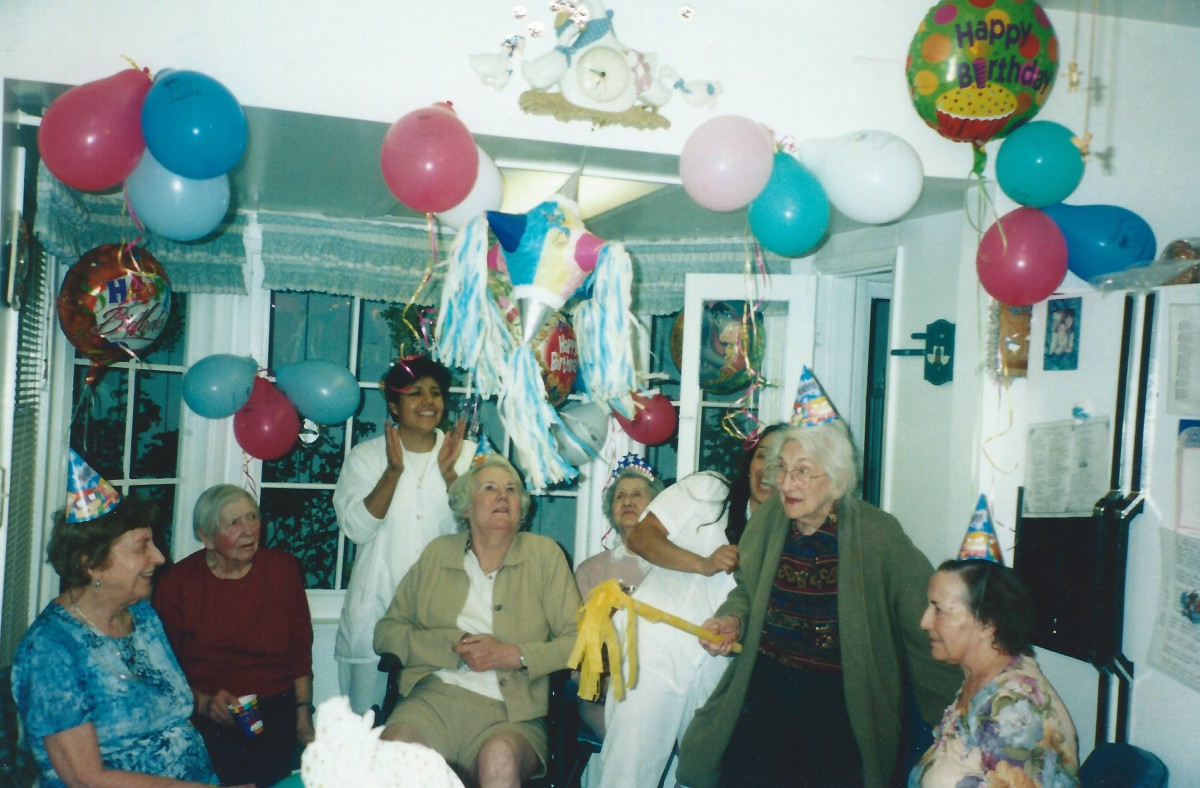
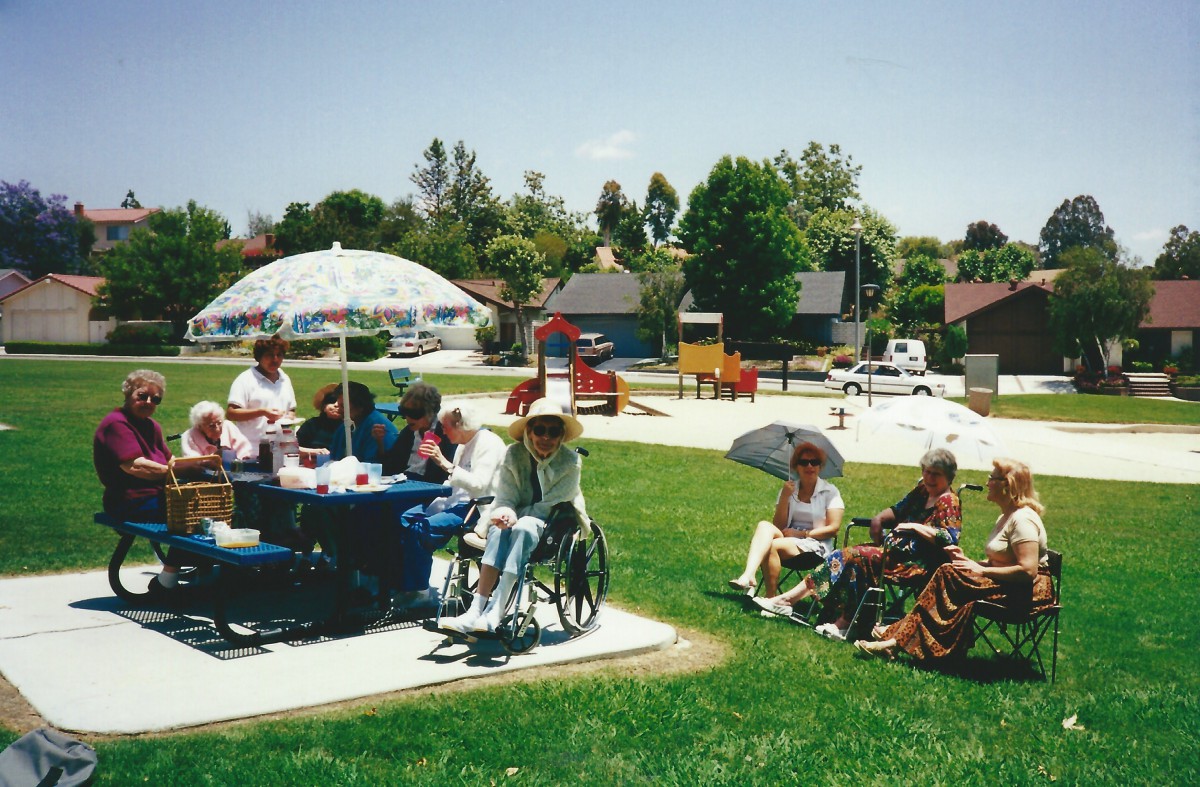
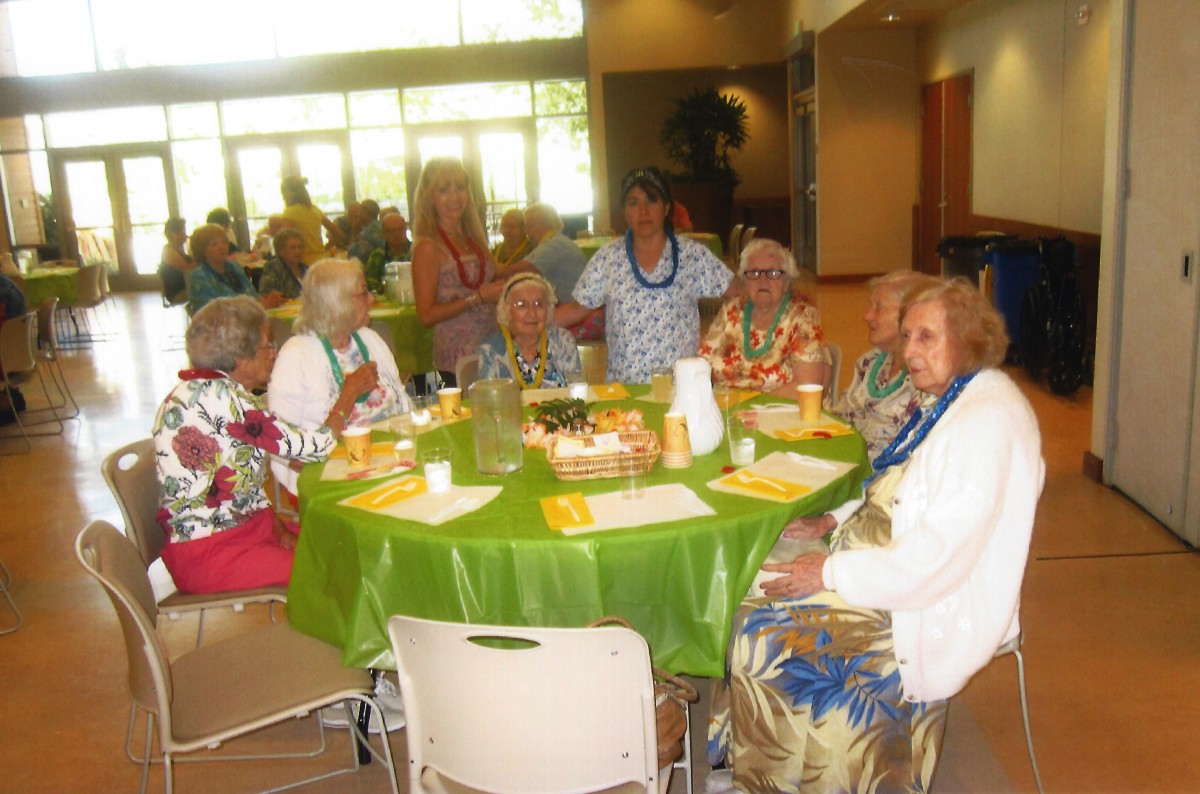
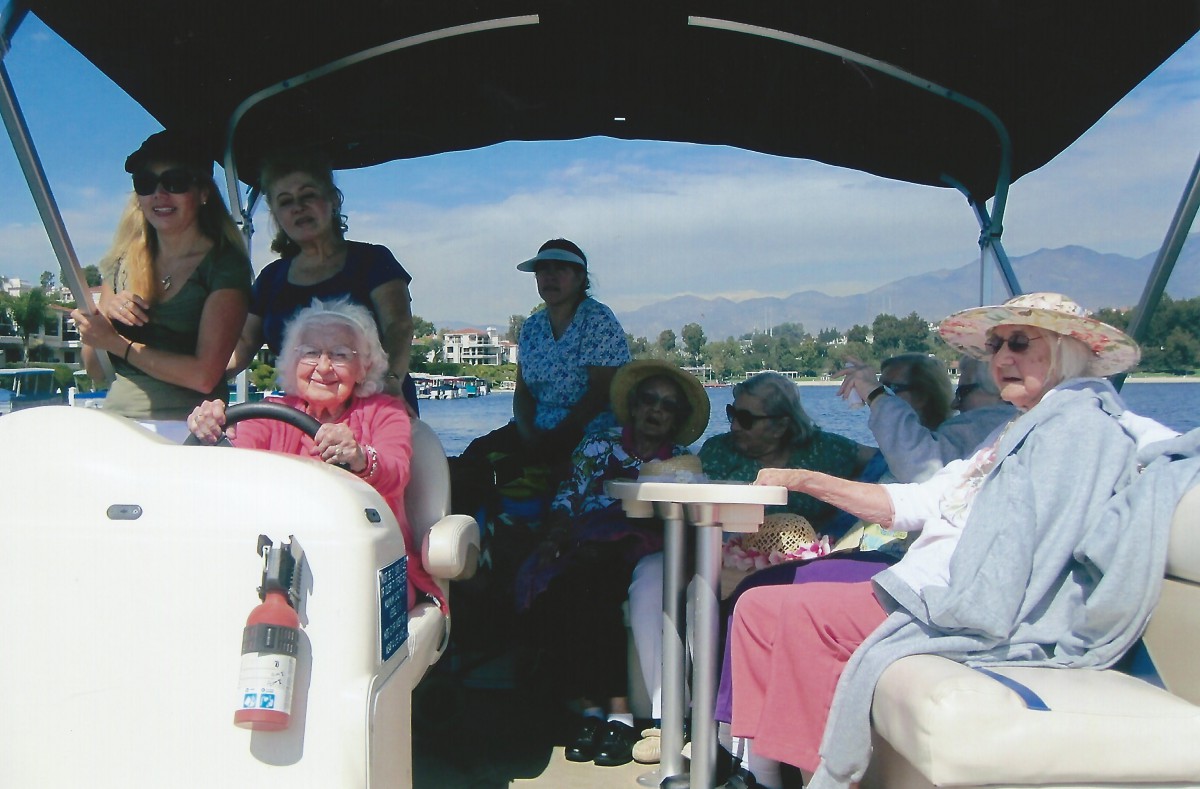
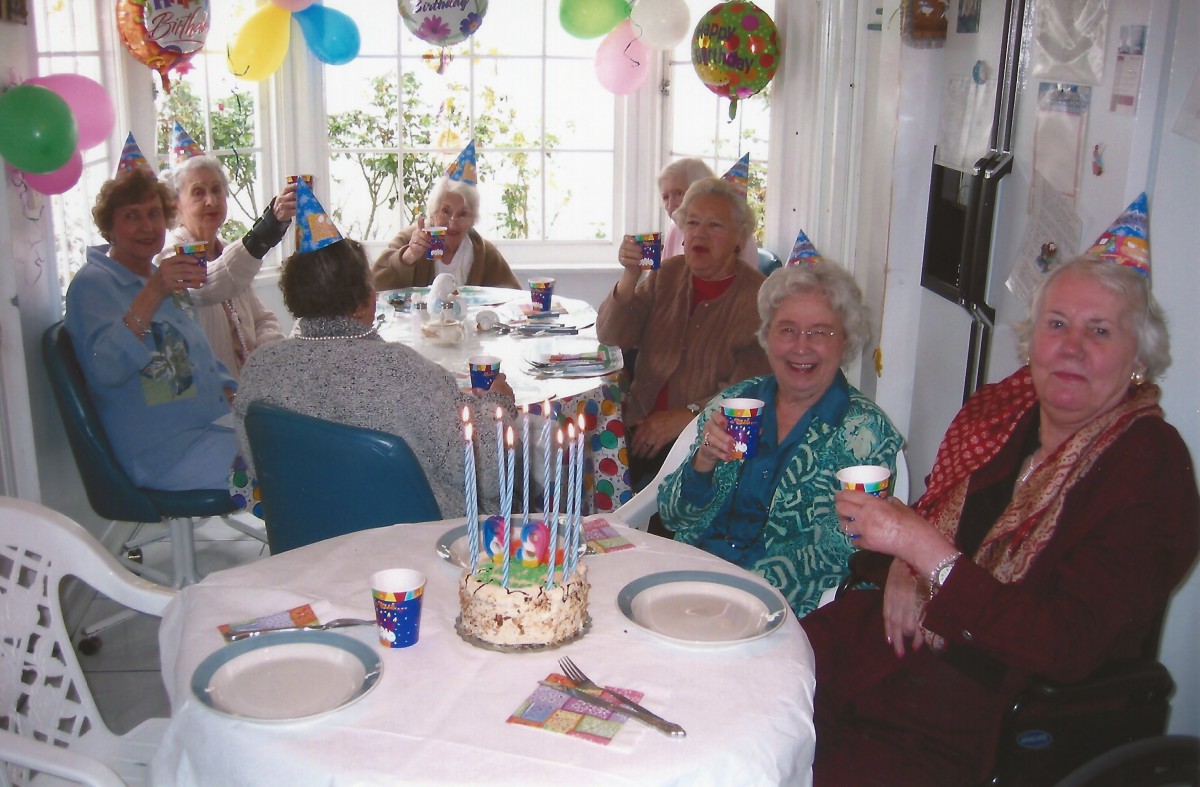
- The facility offers three homes to choose from and provides excellent personal care with numerous activities and events.
Cons
 The reviewer describes an eviction after four days as abrupt and cruel, delivered by email rather than a phone call.
- They question whether the facility truly handles dementia, noting the four-day adjustment and the resident’s inability to remember family.
- They call the place the most unprofessional and unsupportive they’ve encountered and say it should have its license revoked for a complete lack of compassion for the elderly.
- They warn others not to be misled by staff friendliness, arguing that the four-day adjustment period is an unrealistic expectation.
- They state the situation left the resident more confused and distressed.
Review
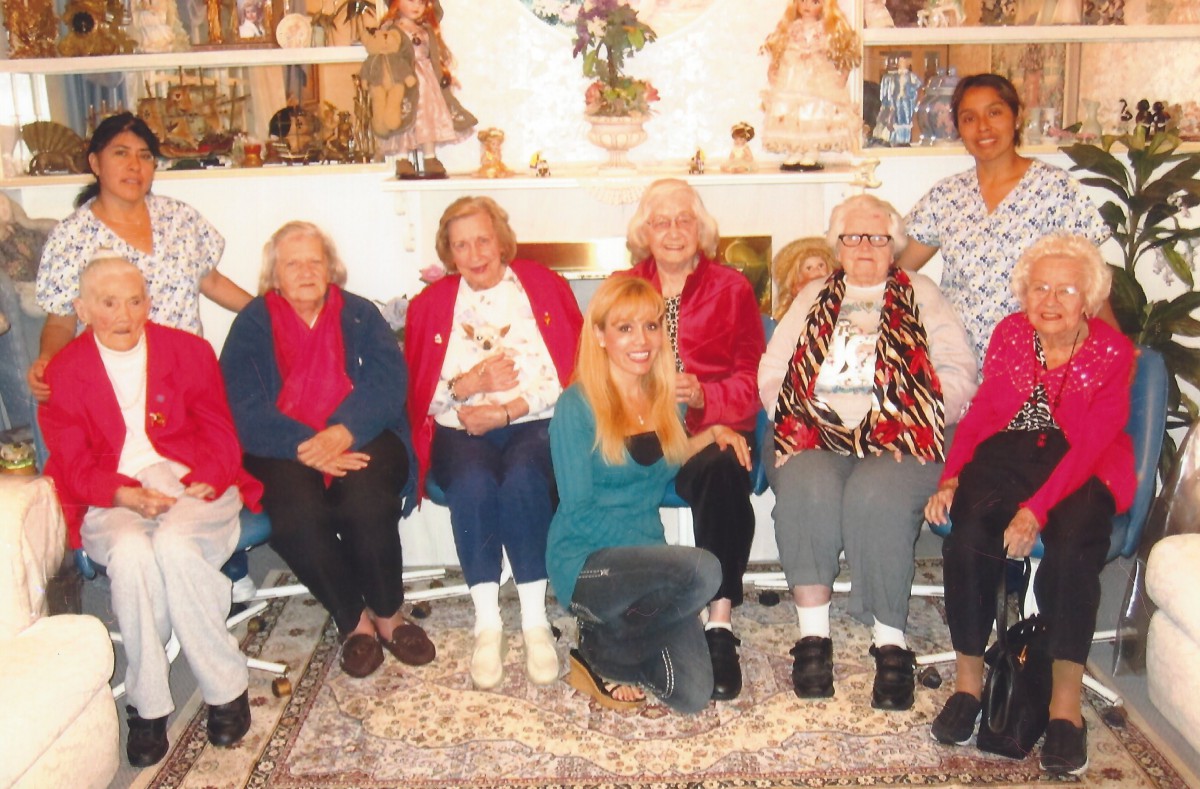
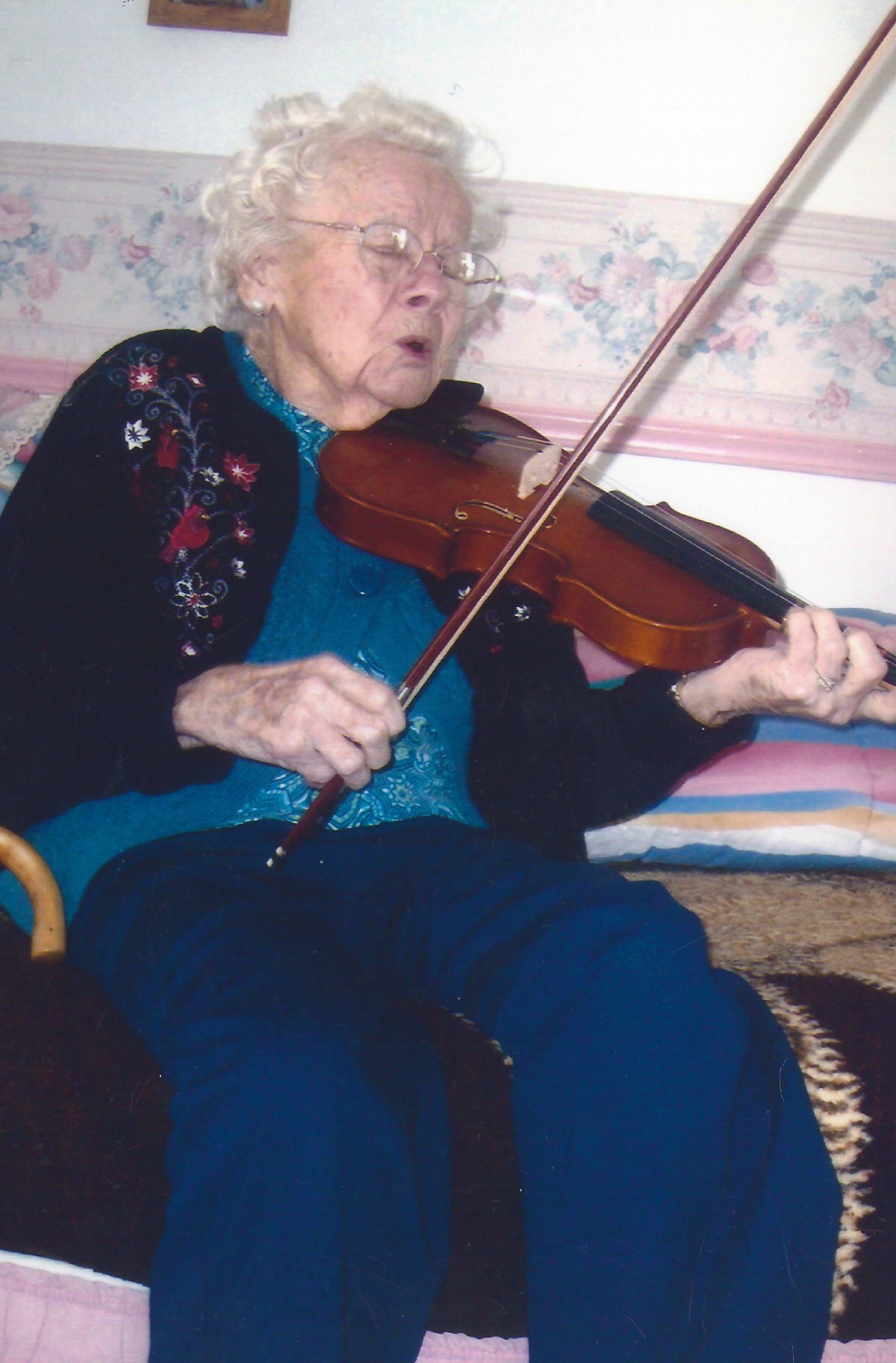
Comfort And Care For The Elderly in Mission Viejo is best suited for families seeking a small, home‑like assisted living experience where staff engagement is constant and an owner‑operator drives daily care. It works well for residents who are relatively independent but need help with routines, enjoy a schedule filled with activities, and appreciate practical meal planning that can accommodate special diets. The setting favors warmth and continuity over campus‑size amenities. For residents with advanced cognitive challenges or families seeking formal memory‑care programming with strict structure and predictable transitions, alternatives should be considered.
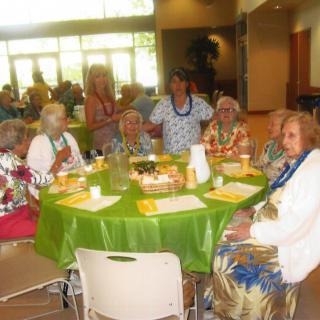
The strongest upside is consistently personal care delivered in a calm, patient environment. Families describe staff as pleasant and thoughtful, on top of residents’ daily basic needs, with a notably accommodating approach to meals, allowing extra smaller meals when needed. Cleanliness and a compassionate owner are repeatedly cited, and the option to choose from three homes provides a degree of flexibility in matching personalities and routines. The community’s longevity, opening in 1996, paired with active programming and events, contributes to a sense of stability that families value deeply, alongside a recognized emphasis on dementia‑aware care in some reviews.
Yet the care model for memory‑impaired residents carries a meaningful caveat. One account tells of an eviction after just four days, communicated by email and citing wandering into other residents’ rooms and taking food. That decisively troubling scenario raises questions about how dementia‑related behaviors are managed, how much adjustment time is granted, and how transitions are communicated with families. While many families recount compassionate, attentive care, this incident suggests that dementia management policies and the sensitivity of transitions require careful verification. In short, high warmth and daily attentiveness do not automatically translate into reliable risk management for cognitive‑loss scenarios.
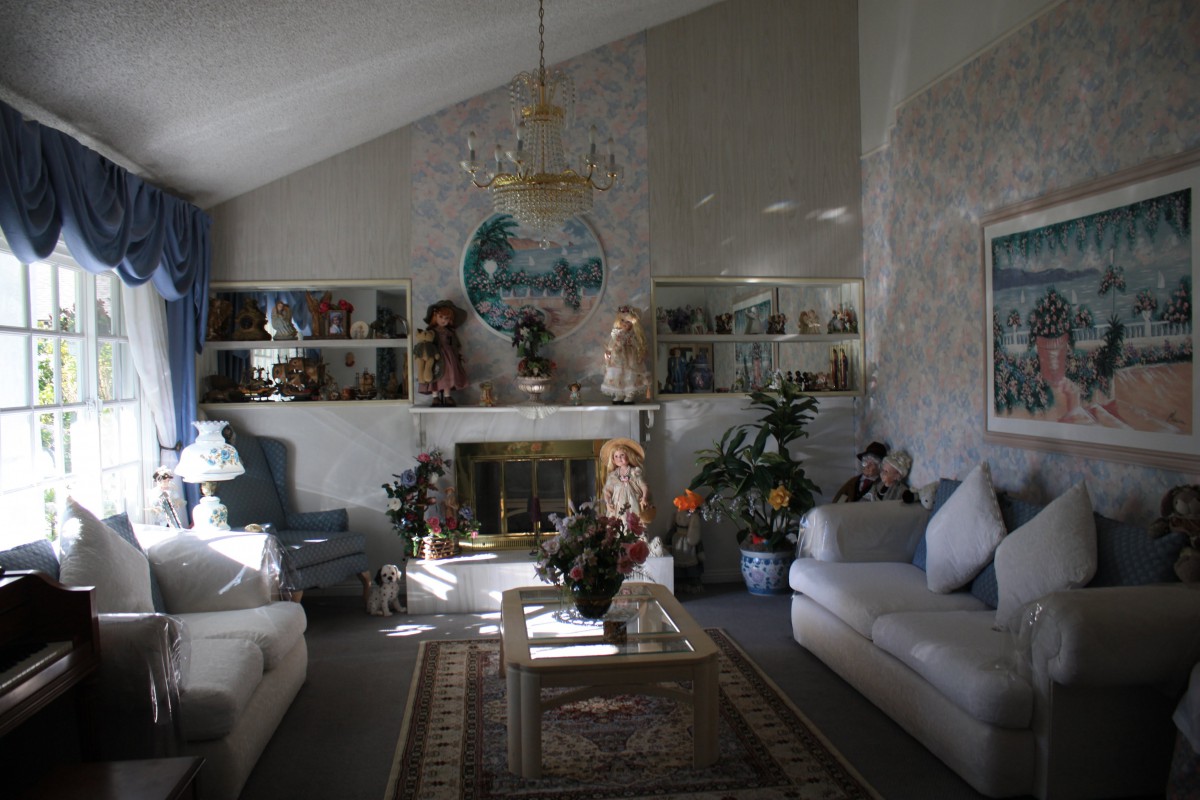
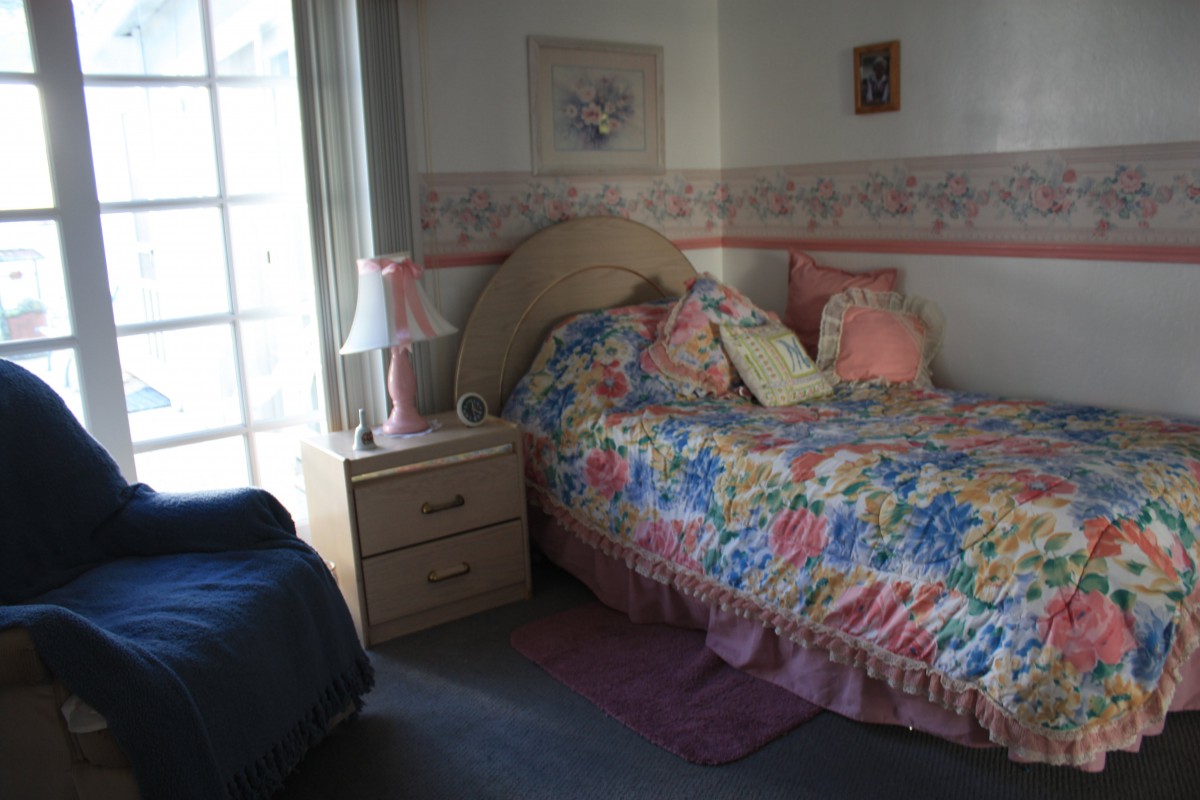
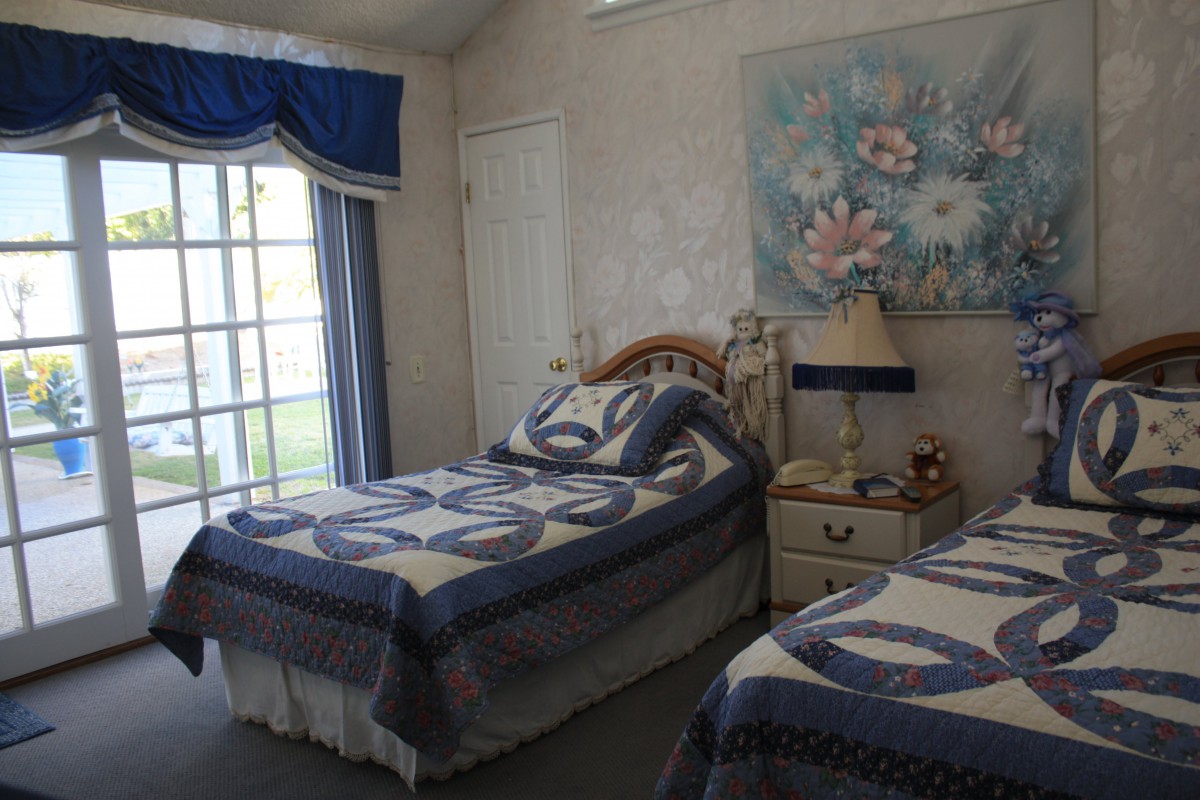
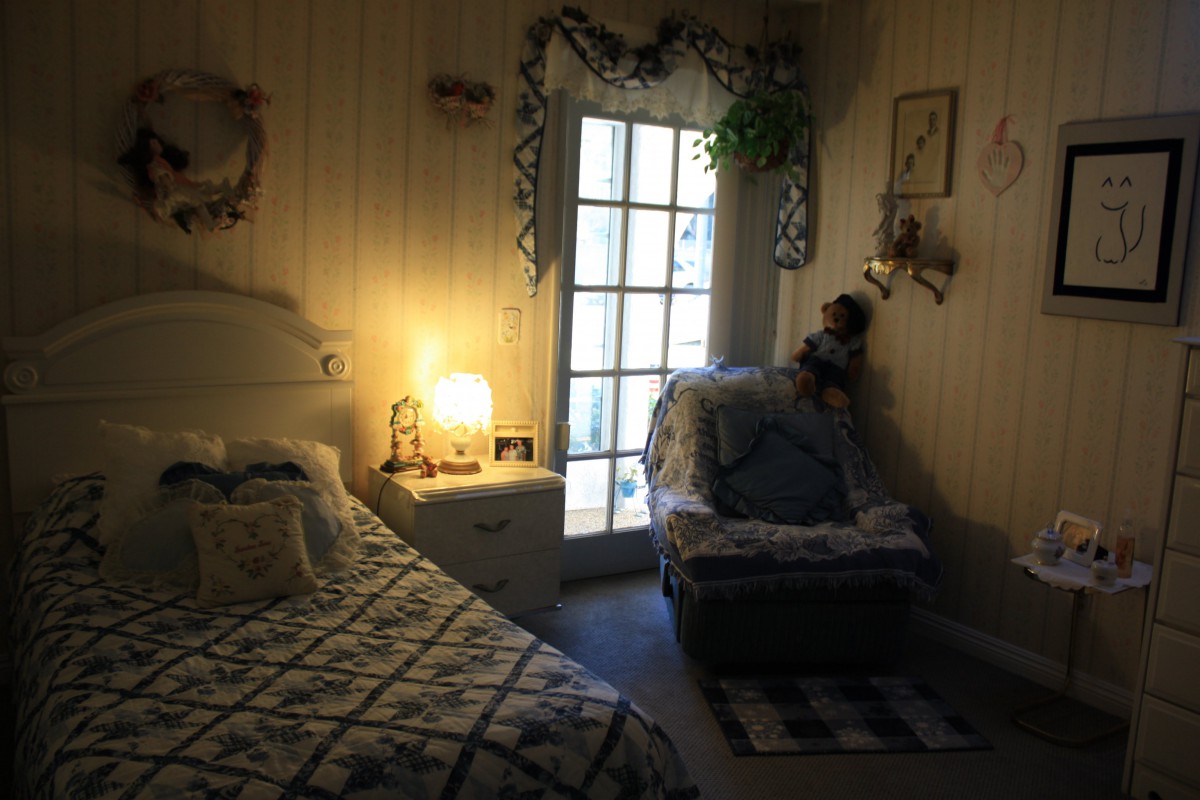
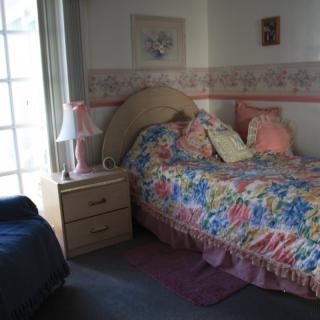
Environment and space shape daily life here as well. Descriptions of the homes emphasize beauty, cleanliness, and a comfortable, homey feel, but also note small rooms and a setting across from an elementary school. That combination can mean a strongest strength in close, responsive caregiving, yet for some residents it equates to limited private space and potential noise or privacy concerns. The intimate footprint supports rapid staff response and a tightly knit community, but the tradeoff is tangible when personal space or quiet downtime matters, or when a resident requires larger, more private living areas.
Who should consider alternatives? Families with loved ones at risk of escalating dementia‑related behaviors that demand formal, well‑staffed memory‑care protocols may find the abrupt transition reported by one family a warning sign. If a longer, clearly defined adjustment period is non‑negotiable, or if a strict, documented care plan for wandering or sensory needs is essential, exploring other facilities with established dementia programs would be prudent. Likewise, those prioritizing larger rooms, more expansive campuses, or a setting removed from the constraints of smaller residential footprints might prefer other options that emphasize space and campus amenities.
The practical course of action is clear. Schedule a detailed tour and insist on a candid discussion about dementia policies, adjustment timelines, and how staff are trained to handle wandering or caregiving demands. Request a written transition plan that includes a staged move and a clearly defined opt‑out or temporary return option if the fit proves unsuitable. Seek recent references from families with loved ones at similar cognitive levels, and verify how dietary needs and meal schedules are actually implemented in daily life. When a resident thrives on a highly personalized, engaged, and compassionate setting and can adapt to a smaller environment, Comfort And Care For The Elderly can be a remarkable match; when cognitive needs require formal, structured memory care, however, there are compelling reasons to consider alternatives with more defined protocols and longer transition support.
 6 resident community capacity
 Assisted Living
 Board and Care Home
 Memory Care
 Respite Care
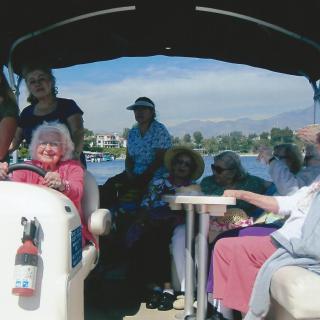
 Activities off-site
 Bath tubs
 Cable or satellite TV
 Devotional services off-site
 Dining room
 Fully furnished
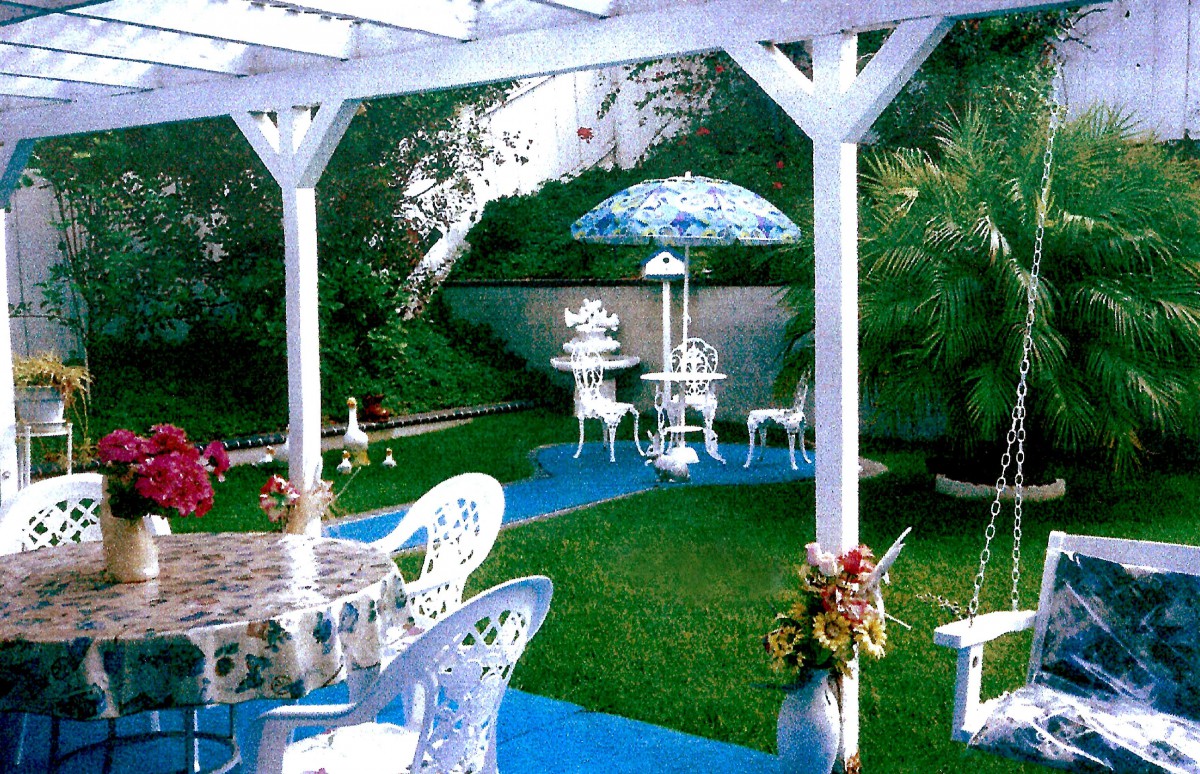
 Garden
 Housekeeping services
 Indoor common areas
 Move-in coordination
 Outdoor common areas
 Private
 Telephone
 Wheelchair accessible showers
 Wi-Fi/high-speed internet available
 John Wayne Orange Co (12 miles away)
 24-hour supervision
 Ambulatory care
 Assistance with bathing
 Assistance with dressing
 Assistance with transfers
 Diabetes diet
 Diabetic care
 High acuity care
 Incontinence care
 Meal preparation and service
 Medication management
 Special dietary restrictions
 Transportation arrangement (medical)
 Transportation to doctors appointments

 Estimating the Expenses of At-Home Dementia Care: A Detailed Exploration
 Comprehensive Insights on the Late Stages of Dementia: What to Expect and How to Provide Care
 Medications Associated with Dementia Risk: A Comprehensive Overview