
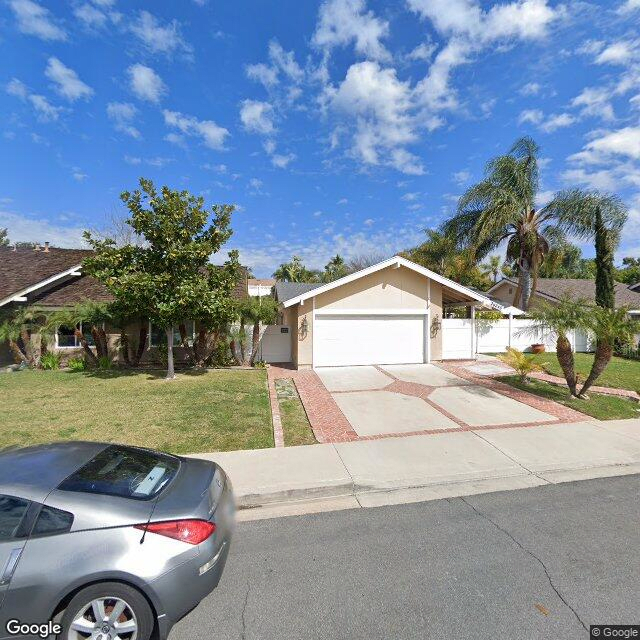
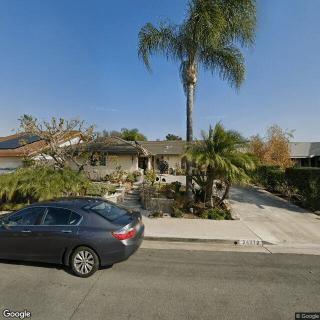
24246 Castilla Lane, Mission Viejo, CA 92691
For more information about senior living options: (866) 208-4318
Paradise Residential Senior Care Costs & Pricing
Paradise Residential Senior Care offers competitive pricing for its services compared to the surrounding market in both Orange County and California as a whole. For semi-private accommodations, residents can expect a monthly cost of $1,800, which significantly undercuts the average rates of $3,431 in Orange County and $3,333 across the state. Similarly, private rooms at Paradise Residential are priced at $2,800, again presenting substantial savings when contrasted with the local average of $4,104 and statewide average of $3,939. This positioning not only underscores Paradise's commitment to providing affordable options for seniors but also highlights the value it brings within the context of residential senior care facilities.
| Floor plans | Paradise Residential Senior Care | Orange County | California |
|---|---|---|---|
| Semi-Private | $1,800 | $3,431 | $3,333 |
| Private | $2,800 | $4,104 | $3,939 |
Assisted Living communities with a similar price nearby
-
About the same
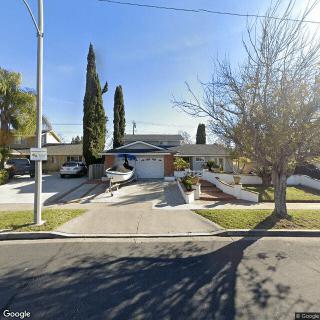
Paradise Residential Senior Care 2
$1,800 / month1.3 miles away -
from +$200 / mo
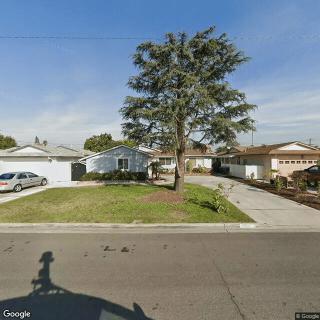
Angel's Care Guest Home
$2,000 to $3,000 / month19.7 miles away -
from -$200 / mo
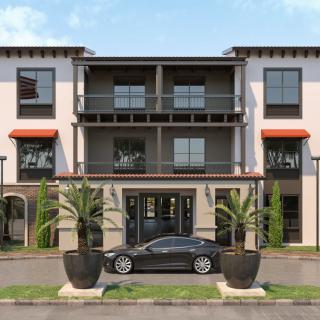
MorningStar of Mission Viejo
$1,600 to $9,200 / month4.3 miles away -
About the same
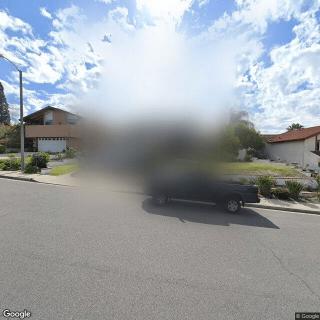
Paradise Residential Senior Care 3
$1,800 to $2,800 / month0.8 miles away -
About the same
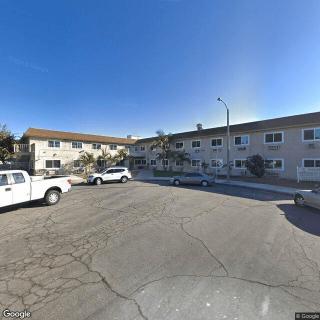
Palms Retirement Center
$1,800 to $3,495 / month23.9 miles away
Overall Review of Paradise Residential Senior Care
Pros
 The property is very good with lots of antiques.
- The director is very pleasant.
- It is a good backup.
Cons
 The bathrooms are old.
Review
Paradise Residential Senior Care in Mission Viejo is best suited for seniors who want a genuine home atmosphere, where care is personal, predictable, and deeply homelike. The residence is a small, five-bedroom property housing five residents, which translates into a setting where staff know each person’s routines and preferences. The space carries a sense of character, antique furnishings and a quiet, residential feel that many families associate with comfort and dignity, not an institutional environment. The leadership makes a strong impression: the director is described as pleasant and responsive, which translates into reliable oversight for families seeking peace of mind. In short, this community works best for families prioritizing intimate, person-centered care over formal programming or scale.
Alternatives become compelling when the priority shifts to modern facilities and broad medical capability. Families needing ADA-friendly bathrooms, barrier-free access, or more contemporary interiors may find the old bathrooms here a real obstacle. Those seeking extensive activities, formal schedules, or specialized memory care programs may prefer larger homes or dedicated memory-care communities with more resources. A walkable street location is a plus for some, but for others it may ease or complicate access to transportation and outside outings, depending on mobility and schedule. In such cases, a different option with greater distance between residents and common spaces, or more standardized safety features, could align better with expectations.
Where Paradise Residential shines is in its intimate, neighborly setting and the hands-on, caretaker-driven vibe. The antiques contribute to a lived-in warmth that helps residents feel at home rather than on display, which can reduce anxiety and social withdrawal. The small footprint enables frequent, meaningful interactions with caregivers and a sense of accountability residents and families can feel confident about. The director’s pleasant demeanor is repeatedly highlighted as a meaningful benefit, implying steady, attentive oversight and accessible leadership. The recorded backup capability further cushions the experience, offering reassurance that staff can cover gaps and respond promptly to needs.
Yet the most persistent drawback is the condition of the bathrooms. Aging facilities raise legitimate safety concerns, especially for residents with mobility or balance issues. While the homey environment and personalized care can mitigate some risk by providing attentive supervision, families must verify whether current bathrooms meet accessibility standards or can be reasonably upgraded. If a resident requires barrier-free showers, grab bars, or wider doorways, these features should be clarified, and a plan for practical improvements or accommodations should be discussed upfront. In essence, the charm of antiques must be weighed against the practical realities of daily safety and ease of use.
Another practical consideration is the breadth of opportunities versus scale. A five-resident home naturally offers fewer social events, classes, and on-site resources than larger facilities. For some families, that means more tailored activities but less variety; for others, it signals a risk of isolation if engagement drops. The small, home-like setting can work exceptionally well for residents who value predictability, routine, and direct access to staff, yet it may fall short for those who want robust excursions, on-site therapy options, or regular visits from a broader care team. Prospective shoppers should seek a realistic picture of daily programming, meals, and transportation support.
Decision-making comes down to aligning priorities with what Paradise Residential Senior Care delivers: a warm, intimate home where the director’s oversight and a small, committed team can provide highly individualized care. It is an excellent choice for families prioritizing dignity, familiarity, and personal touch, especially for residents comfortable with a traditional, antique-filled ambiance and a smaller footprint. Those requiring modern infrastructure, elevated accessibility, or expansive activities should consider alternatives that better match those expectations. The prudent next steps are to tour the home, inspect bathroom facilities, discuss staffing coverage and emergency protocols, and confirm whether the setting can accommodate changing care needs as independence shifts. A well-informed choice now translates into less disruption later.
 6 resident community capacity
 Assisted Living
 Board and Care Home
 Activities on-site
 Beautician on-site
 Cable or satellite TV
 Dining room
 Fully furnished
 Garden
 Housekeeping services
 Indoor common areas
 Move-in coordination
 Outdoor common areas
 Private
 Private bathrooms
 Respite or short term stays offered
 Telephone
 Wheelchair accessible showers
 Wi-Fi/high-speed internet available
 John Wayne Orange Co (12 miles away)
 24-hour supervision
 Assistance with bathing
 Assistance with dressing
 Assistance with transfers
 Diabetes diet
 Diabetic care
 High acuity care
 Incontinence care
 Meal preparation and service
 Medication management
 Special dietary restrictions
 Transportation arrangement (medical)
 Transportation to doctors appointments
 Understanding the Distinctions: Assisted Living and Memory Care Explained
 Guiding Elderly Parents Who Refuse Assisted Living: 6 Practical Steps
 Your Comprehensive Guide to Luxury Assisted Living: Elevated Facilities, Amenities, and Costs