
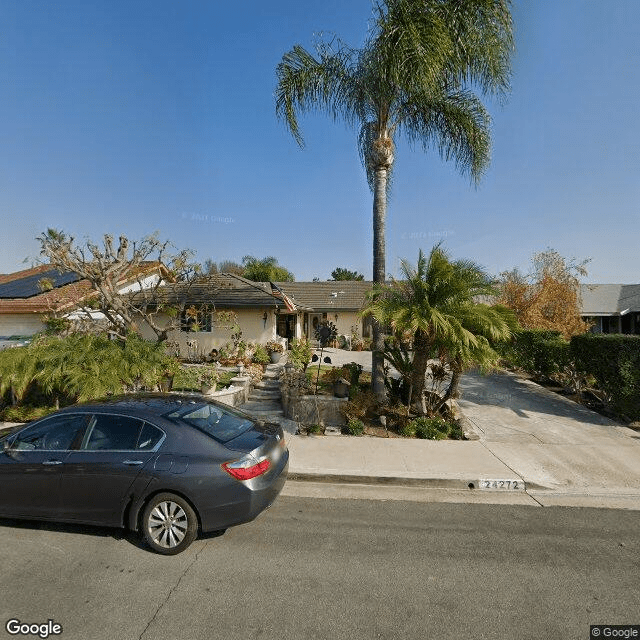
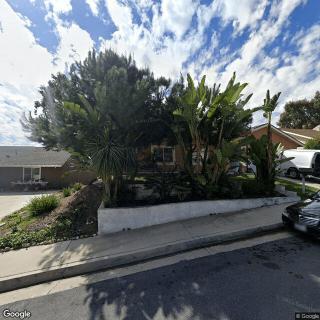
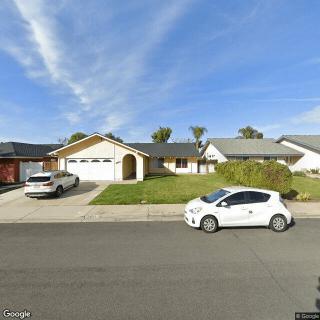
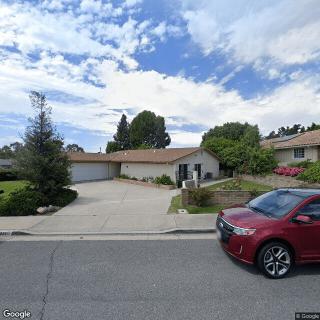
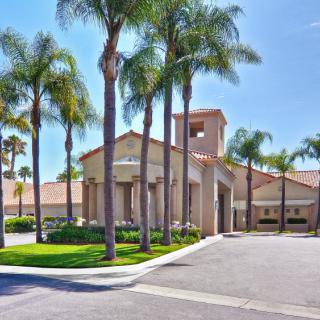
24272 Chrisanta Drive, Mission Viejo, CA 92691
For more information about senior living options: (866) 208-4318
Precious Home Care Costs & Pricing
At Precious Home Care, the monthly cost for a private room is set at $5,000. This figure represents a premium compared to both Orange County and the broader California state averages, which are priced at $4,104 and $3,939 respectively. The higher cost associated with Precious Home Care may reflect a commitment to enhanced services or a superior quality of living environment that caters to individual needs. While guests in Orange County and throughout California can find more economical options, the investment in Precious Home Care suggests an emphasis on personalized care and support that could be invaluable for residents looking for specialized attention in their daily lives.
| Floor plans | Precious Home Care | Orange County | California |
|---|---|---|---|
| Private | $5,000 | $4,104 | $3,939 |
Memory care communities with a similar price nearby
-
from -$500 / mo
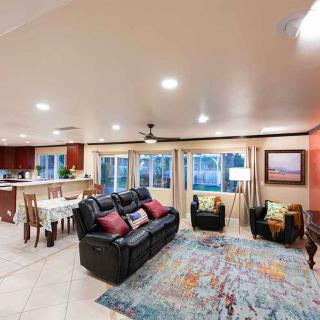
Casa Bella
$4,500 / month18.0 miles away -
from -$500 / mo
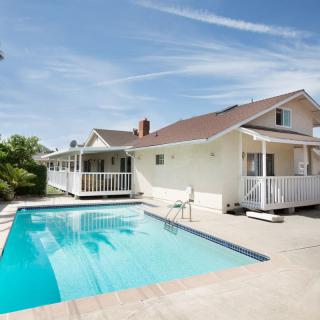
Blessings Senior Care
$4,500 to $5,500 / month23.2 miles away -
from -$500 / mo
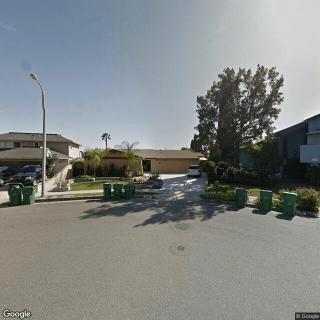
Adriana Elderly Care Home I
$4,500 / month0.9 miles away -
from +$485 / mo
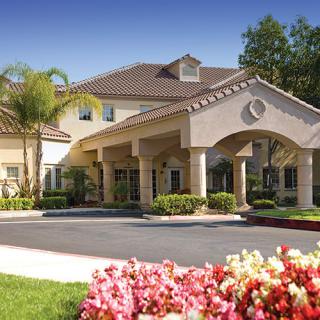
Park Terrace
$5,485 to $6,850 / month5.2 miles away -
from -$160 / mo
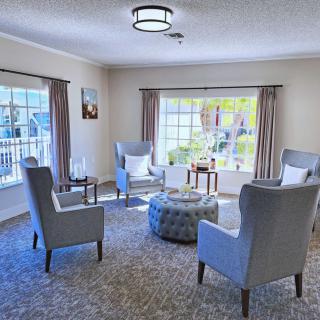
Crescent Landing at Santa Ana Memory Care
$4,840 to $6,825 / month14.6 miles away
Overall Review of Precious Home Care
Pros
 Renee was an invaluable resource in helping families place their dad in a high-quality RCFE.
- Chapter RCFE provides an inclusive, family atmosphere with numerous activities and events.
- Chapters has become family, devoted to residents with dignity, affection, and joyful care.
- Josh and Renee Radabaugh, along with the caregivers, treat every resident with respect and warmth.
- The staff gives individualized attention to each resident and works to maximize their potential.
- The home is beautifully kept—clean, well-maintained, and welcoming, with a friendly dog.
- The meals are well planned, following the Mediterranean Diet and supporting memory and heart health.
- Monthly outings and festive celebrations create engaging experiences for residents and their families.
Cons
 They were somewhat worried about the level of care a larger facility would provide and about the costs involved.
Review
This community is best suited for families who want a hands‑on, home‑like RCFE experience with very personal attention. It appeals to seniors who thrive in a small, family‑run environment where caregivers know residents by name, routines are highly customized, and daily life feels like living with extended family. The setting is ideal for memory‑care–friendly needs aligned with gentle, ongoing engagement: regular activities, meaningful social contact, and caregivers who coordinate closely with family members. For families prioritizing clear, predictable pricing and a straightforward, accountable care plan, this option offers a compelling alignment between heart and practicality.
Pros-centered care stands out as the core strength. The owners’ direct involvement translates into consistently respectful, affectionate treatment and a genuine dedication to maximizing each resident’s potential. The atmosphere is intimate and inclusive, with holiday and birthday celebrations, monthly outings, and a rhythm that makes families feel welcome as part of the community. Culinary thoughtfully follows a Mediterranean approach, and the setting accommodates pets and visiting family, elements that deepen comfort for residents who value familiar routines and homelike surroundings. The ability to coordinate with hospice services when the time is right is another tangible advantage, illustrating readiness to integrate with broader care teams rather than operate in isolation.
Another standout is the transparency and predictability of pricing, which reduces financial ambiguity for families. Reported private rooms and shared accommodations with a sense of value, paired with the intimate scale of the operation, help families plan without sudden sticker shock. A flat-rate model, cited positively in comparison with larger, more impersonal facilities, reinforces a steady caregiving baseline. The open, well‑maintained physical environment, described as clean with welcoming back and front yards, further supports a sense of safety and well‑being, an important factor for daily decision‑makers when choosing among competing options.
Yet, it is prudent to weigh the logical caveats that accompany a smaller, family‑run setting. The strongest constraint is the natural limitation of scale: fewer staff on site relative to large campuses means that for residents with higher acuity or complex medical needs, there may be a greater reliance on family involvement or external providers to supplement care. This is not a flaw so much as a reality of the model. Some families may worry that a larger facility could deliver more formal structure, specialized memory‑care programming, or readily available on‑site medical supervision; those concerns tend to push them toward bigger communities. For those whose priorities tilt toward advanced clinical support or expansive activity calendars, alternatives deserve consideration.
Despite these tradeoffs, the advantages frequently offset the potential downsides for the right resident. A small, consistently attentive staff combined with owners who know every resident’s preferences creates an environment where care plans can be individualized, and adjustments can be made quickly in response to changing needs. The programmatic ingredients, rich social events, regular outings, a dog-friendly culture, and a family atmosphere, sustain engagement for residents who may resist more impersonal settings. For families who value continuity, ease of communication, and a sense that the home becomes an extension of the family, this model often delivers more meaningful daily quality of life than larger options. The result is a compelling fit for seniors who are stable, mildly to moderately impaired, and who benefit from predictable routines and close-knit care.
For families weighing options, the most practical path is to test the fit through visits, while keeping a clear eye on medical needs and care trajectory. If memory care demands escalate or a higher level of clinical oversight is essential, alternatives such as larger assisted living communities or other RCFE models with more robust on‑site medical staffing may be warranted. But for many households, the combination of a warm, home‑like setting, personal attention from dedicated owners, social vitality, and transparent pricing creates a strong, decision‑driving case. In short, Precious Home Care, or its closely associated care network, offers a prudent, principled choice for families seeking intimate, affordable, and actively engaged senior living. Engaging with Renee for guidance, arranging tours, and requesting up-to-date staffing and care‑mix details will crystallize whether this is the optimal path for a given loved one.
 6 resident community capacity
 Assisted Living
 Board and Care Home
 Memory Care
 Cable or satellite TV
 Dining room
 Fully furnished
 Garden
 Housekeeping services
 Move-in coordination
 Outdoor space
 Private
 Private bathrooms
 Respite or short term stays offered
 Telephone
 Wi-Fi/high-speed internet available
 John Wayne Orange Co (12 miles away)
 24-hour supervision
 Activities of daily living assistance
 Assistance with bathing
 Assistance with dressing
 Assistance with transfers
 Diabetes diet
 Diabetic care
 High acuity care
 Meal preparation and service
 Medication management
 Special dietary restrictions
 Transportation arrangement (medical)
 Transportation to doctors appointments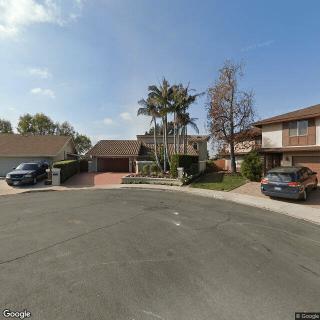

 Illuminating Insights About Alzheimer's Disease: Ten Crucial Realities
 A Thorough Discussion of Medications Potentially Linked to Dementia Risk
 Why Do Dementia Patients Sleep So Much? Understanding Oversleeping, Stages, and Care Approaches