
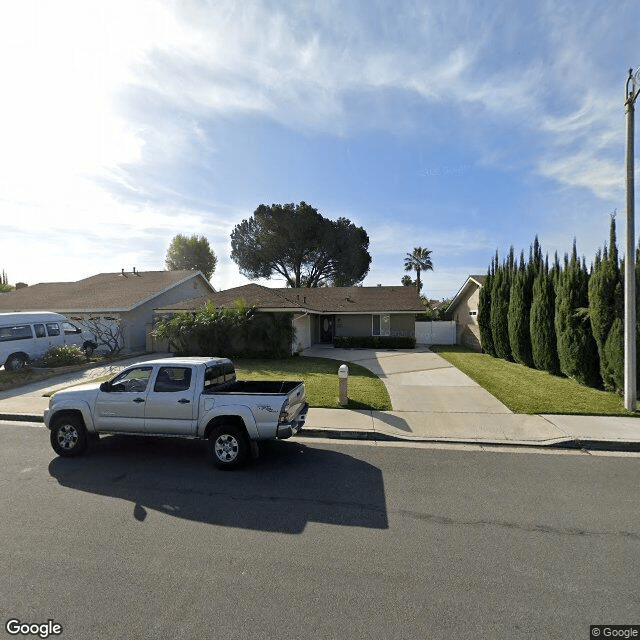
26232 Avenida Calidad, Mission Viejo, CA 92691
For more information about senior living options: (866) 208-4318
Amana Senior Living Costs & Pricing
Amana Senior Living offers competitive pricing for its residents, with monthly costs ranging from $3,500 to $4,500 for private rooms and a consistent rate of $3,500 for semi-private accommodations. When compared to the broader market, Amana's rates are quite favorable; the average cost for a private room in Orange County is approximately $4,104, while the state average stands at around $3,939. Similarly, their semi-private room rate of $3,500 slightly exceeds the county's average of $3,431 and the state's rate of $3,333. Overall, Amana Senior Living provides an appealing option within the Southern California landscape by balancing quality care with reasonable pricing that caters to various budget needs.
| Floor plans | Amana Senior Living | Orange County | California |
|---|---|---|---|
| Semi-Private | $3,500 | $3,431 | $3,333 |
| Private | $3,500 to $4,500 | $4,104 | $3,939 |
Assisted Living communities with a similar price nearby
-
from +$495 / mo

Cadence Brea
$3,995 to $5,500 / month24.2 miles away -
About the same
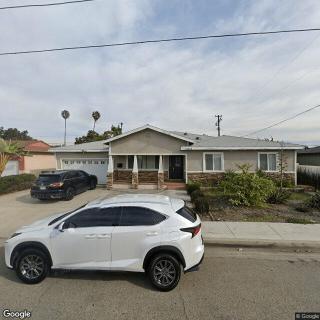
Loving Home Care
$3,500 to $4,500 / month21.5 miles away -
from -$500 / mo
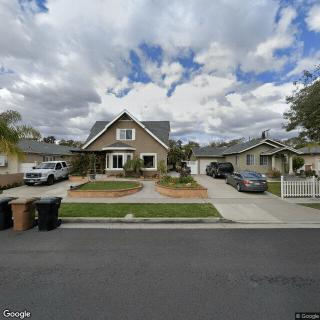
Tabi's Facility Home Care
$3,000 to $3,500 / month24.2 miles away -
About the same

Sam's Homecare
$3,500 to $5,500 / month21.1 miles away -
About the same
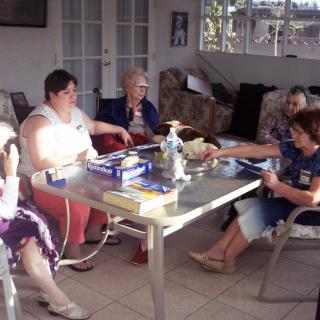
Golden Life Manor
$3,500 to $4,000 / month19.6 miles away
Overall Review of Amana Senior Living
Pros
 Allora Senior Living is described as having friendly, smiley staff.
- Kevin provides family-like support, keeps relatives informed, and coordinates with doctors and nurses.
- The owner is described as a wonderful man, not a corporation, reflecting compassionate leadership.
- The residence is a lovely, freshly renovated, clean home in Mission Viejo, with caregivers who keep residents neat and dry.
- Caregivers are professional, patient, and kind, and the staff communicates openly to navigate challenges.
- The home is clean, cheery, and staffed by friendly, articulate personnel with an administrator eager to make residents happy.
Cons
 The room next to the family room was loud, which was disliked.
- The reviewer did not tour the complete property.
- The food was not gourmet.
Review
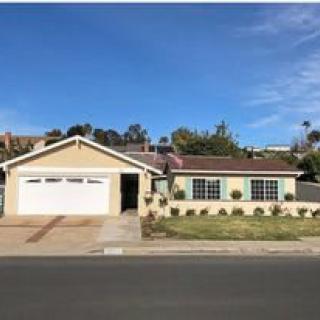
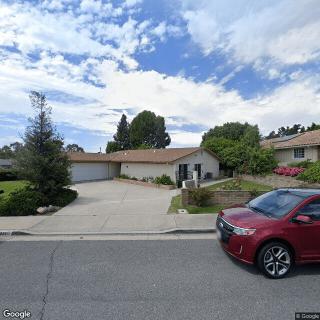
This community is best suited for families seeking a small, home-like assisted living option in Mission Viejo where an owner-operator drives hands-on care. It thrives on personal attention, quick communication, and a hands-on approach to medical coordination. Families who value a calm, low‑key environment, where the administrator is readily involved in day-to-day decisions and crises alike, will find this model particularly reassuring. The residence tends to be on a quiet street, renovated and clean, with a warm, cheery atmosphere that makes residents feel seen rather than processed. For residents who respond well to a familiar, non-corporate setting, this is a strong fit.
Alternatives to consider appear when a resident requires more formal programming, a larger community, or deeper medical oversight. If a family prioritizes robust activity calendars, specialized memory care, or 24/7 on-site nursing coverage, a bigger campus may be a better match. The reviewed setting sometimes highlights the trade-off between intimate, neighborly care and the breadth of services found in larger facilities. For those who place a premium on quiet environments with ample common spaces but less emphasis on structured programs, the alternative landscape can be preferable. And for families sensitive to noise or room placement, a larger campus often offers more predictable room options and layouts.
The strongest pros in these reviews, an engaged owner/administrator, responsive communication, and genuinely caring staff, often offset the notable drawbacks. The owner’s hands-on involvement in coordinating care, navigating hospital encounters, and keeping families in the loop emerges as a decisive advantage. Caregivers are described as professional, patient, and kind, with practical support such as handling laundry and maintaining cleanliness. Meals tend toward homemade quality, which resonates with families who want daily nutrition that feels home-prepared. When a crisis arises, the capacity for rapid, personal intervention makes a meaningful difference in stress levels for families who otherwise shoulder heavy responsibilities.
On the flip side, the main drawbacks center on footprint and programming. A single note about room location next to a busy family room underscores a potential sensitivity to noise and privacy, an important consideration for residents with sleep or sensory preferences. The smaller scale inherently means fewer formal activities and social opportunities, which can matter for residents who rely on structured engagement or who thrive on a wide variety of daily options. Food, while homey, isn’t described as gourmet, which may be a factor for residents who prioritize upscale dining experiences. These realities don’t negate the care quality, but they shape how well the setting aligns with specific personal and medical needs.
Practical judgment steps matter when evaluating Amana Senior Living against this profile. Prospective families should verify room locations and noise patterns, and assess whether the dining experience aligns with expectations. Ask about transportation services, if offered, and how families are kept informed about medical events or changes in care plans. Inquire about staff-to-resident ratios, the availability of on-site nursing, and how emergencies are managed and communicated to loved ones. Finally, observe the texture of daily life: the friendliness of staff, the level of resident privacy, and the ease with which family members can participate in care decisions and visits.
The bottom line is clear. This model suits families who want a warm, intimate setting with an owner‑led, responsive team and a home-like routine. It is less ideal for those who need extensive medical supervision, wide-ranging activities, or a more formal, programmatic environment. The overall sentiment in the reviews, high satisfaction, strong personal connections, and a generally cheerful atmosphere, supports choosing this path if the resident thrives on personalized attention and a non-corporate vibe. Acknowledging one negative note about room noise, the verdict remains that for many families, this approach delivers meaningful comfort, peace of mind, and daily life that feels thoughtfully managed rather than institutional.
 6 resident community capacity
 Assisted Living
 Board and Care Home
 Cable or satellite TV
 Dining room
 Fully furnished
 Garden
 Housekeeping services
 Move-in coordination
 Outdoor space
 Private
 Telephone
 Wi-Fi/high-speed internet available
 John Wayne Orange Co (12 miles away)
 24-hour supervision
 Activities of daily living assistance
 Assistance with bathing
 Assistance with dressing
 Assistance with transfers
 Diabetes diet
 Meal preparation and service
 Medication management
 Special dietary restrictions
 Transportation arrangement (medical)
 Transportation to doctors appointments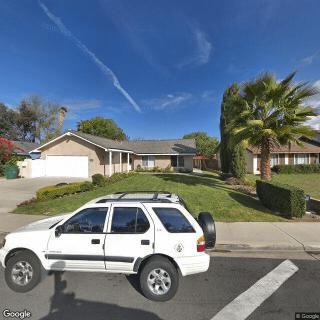

 Assisted Living Expenses and Long-Term Care Insurance: A Comprehensive Exploration
 Securing Financial Support for Assisted Living: A Comprehensive Overview
 Social Security Benefits and Assisted Living: Navigating Options Across the U.S.