
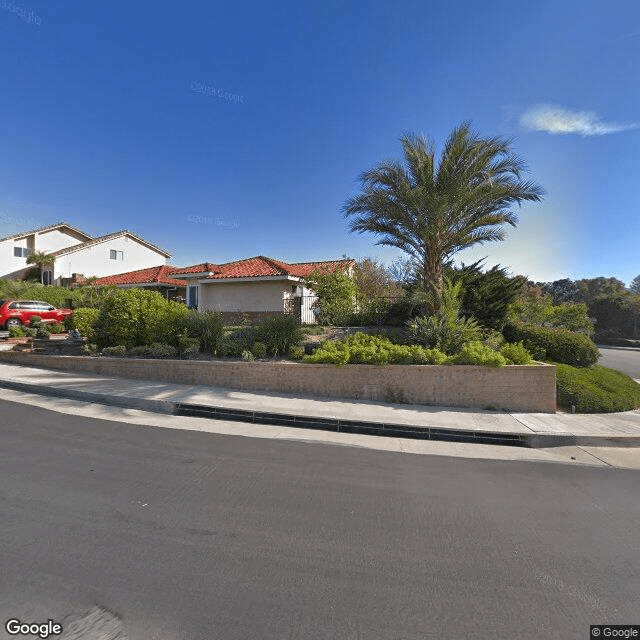
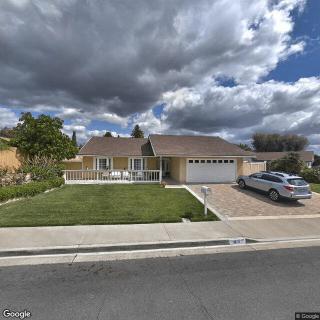
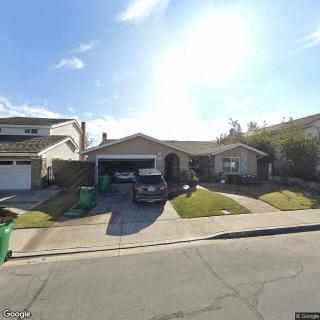
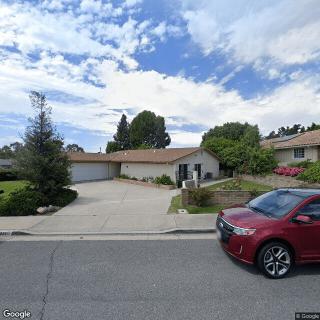
27561 Almendra, Mission Viejo, CA 92691
For more information about senior living options: (866) 208-4318
Orange County Care Home II Costs & Pricing
Orange County Care Home II offers private rooms at a competitive rate of $4,000 per month, which positions it favorably within the local market. When compared to the average cost for private rooms in Orange County, which stands at approximately $4,104, this facility provides a slight savings for residents seeking quality care. Additionally, when looking at statewide averages across California - where private room costs tend to be around $3,939 - Orange County Care Home II's pricing reflects a balanced approach that aligns closely with regional trends while emphasizing value and comfort. This makes it an appealing option for families considering care home services in the area.
| Floor plans | Orange County Care Home II | Orange County | California |
|---|---|---|---|
| Private | $4,000 | $4,104 | $3,939 |
Memory care communities with a similar price nearby
-
About the same
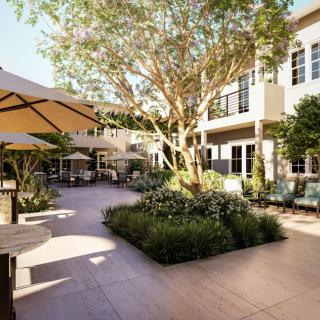
Cadence Brea
$3,995 to $5,500 / month23.8 miles away -
from -$500 / mo
Kun Bai Care
$3,500 to $4,500 / month21.4 miles away -
from +$500 / mo
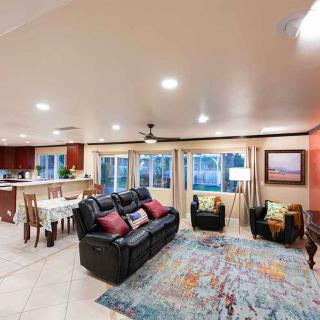
Casa Bella
$4,500 / month17.4 miles away -
About the same
Active Senior Home Care
$4,000 to $5,000 / month1.3 miles away -
About the same
Royal
$4,000 to $4,800 / month18.6 miles away
Overall Review of Orange County Care Home II
Pros
 The staff here is very attentive and friendly.
- The facility is very nice and maintained well at all times.
- It is always clean and fresh.
- The level of care here is wonderful and they genuinely care about the residents.
- After the first month as a resident, the resident feels right at home.
Cons
 He found a needle on the curb outside.
- The caregiver didn't speak any English.
- They decided against Orange County Care Home.
Review
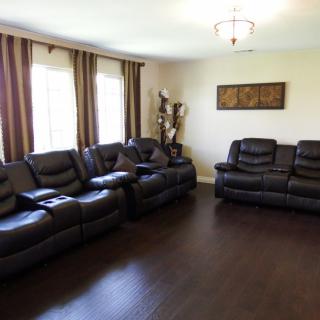
Orange County Care Home II in Mission Viejo is best suited for seniors who want a warm, home-like atmosphere where daily care feels personal and staff availability is a genuine strength. This community appeals to families seeking a small, intimate setting with regular social rhythm, think weekend gatherings and everyday interactions that foster a sense of belonging. If a resident’s priority is to be treated with courtesy, have attentive caregivers at hand, and enjoy a clean, well-kept environment, this is a setting that delivers on those expectations.
Those who may want to consider alternatives are those who require consistent, English-speaking communication from caregiving staff for medical updates or daily coordination. One review noted a caregiver who did not speak English, which can complicate timely instruction, reporting, or rapid response in emergent situations. Another reality to weigh is safety: a one-off observation of a needle on the curb outside signals potential neighborhood safety or perimeter monitoring concerns. For families prioritizing uninterrupted bilingual communication and a lower perceived external risk, exploring facilities with stronger language coverage and stricter exterior safety protocols may be prudent.
On the upside, the core strengths of OC Care Home II are compelling. The staff is described as highly attentive and friendly, with a level of care that feels genuine and consistent. The facility itself is praised for being well-maintained, clean, and fresh, attributes that translate into a calmer daily routine, fewer irritants, and a lower burden on families worried about housekeeping or infection control. Importantly, residents report feeling valued and “at home,” a qualitative signal that the care philosophy resonates with those seeking dignity, companionship, and predictable routines.
These strengths interact with the key downside in a practical, consequential way. The notable language gap and the outside safety remark do not erase the visible benefits of attentive caregivers and a nurturing culture, but they do set guardrails. Families must assess whether a potential language barrier can be mitigated, through staff assignments, translator support, or clear written communication, and whether the campus exterior conditions can be improved or monitored more closely. When those gaps are addressed, the positive daily experience and strong sense of belonging can far outweigh the drawbacks.
From a decision-making standpoint, this community makes sense for families prioritizing warmth, personal attention, and a homey ambience over clinical depth or high-tech care environments. It is advantageous for residents who value meaningful social rituals, regular lighter programming, and a feeling of being treated like family. However, if ongoing, easily accessible English communication with caregivers, immediate healthcare oversight, or robust exterior safety controls are non-negotiables, it would be wise to compare with alternatives that emphasize bilingual staffing, 24/7 on-site nursing, or more visible exterior security measures.
In sum, Orange County Care Home II stands out as a practical, caring choice for seniors who want a welcoming, well-kept home with genuinely caring staff and a strong daily cadence. The main caveats, language barriers with some staff and a safety blip noted by a visitor, should be carefully weighed against the undeniable positives: cleanliness, attentiveness, and a resident-centered culture that makes a month-long adjustment feel like a transition to a comfortable, dignified home. For many families, this combination is a compelling fit; for others, especially those needing seamless multilingual communication and tighter exterior safety assurances, exploring a few other communities first will help protect the decision. Plan a thoughtful visit, ask pointed questions about language coverage and safety practices, and consider a short-term stay to confirm that the fit aligns with the loved one’s care priorities.
 6 resident community capacity
 Assisted Living
 Board and Care Home
 Memory Care
 Cats allowed
 Activities off-site
 Beautician on-site
 Cable or satellite TV
 Devotional services off-site
 Dining room
 Fully furnished
 Garden
 Housekeeping services
 Indoor common areas
 Move-in coordination
 Outdoor common areas
 Private
 Private bathrooms
 Respite or short term stays offered
 Telephone
 Wheelchair accessible showers
 Wi-Fi/high-speed internet available
 John Wayne Orange Co (13 miles away)
 24-hour supervision
 Assistance with bathing
 Assistance with dressing
 Assistance with transfers
 Diabetes diet
 Diabetic care
 High acuity care
 Incontinence care
 Meal preparation and service
 Medication management
 Special dietary restrictions
 Transportation arrangement (medical)
 Transportation to doctors appointments
 Dementia-Related Hallucinations: Causes, Experiences, and Practical Approaches
 Illuminating Insights About Alzheimer's Disease: Ten Crucial Realities
 A Thorough Discussion of Medications Potentially Linked to Dementia Risk