
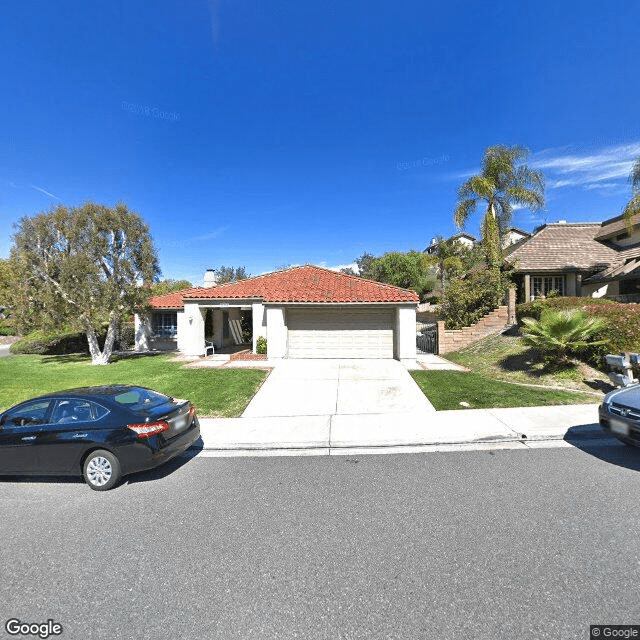
28201 Driza, Mission Viejo, CA 92692
To contact a resident: (949) 922-3118
For more information about senior living options: (866) 208-4318
Aurora Gardens Costs & Pricing
At Aurora Gardens, the monthly costs for various room types reflect a competitive pricing strategy within both Orange County and the broader California market. For semi-private rooms, residents can expect to pay $4,300, which is notably higher than the county average of $3,431 and the state average of $3,333. Similarly, private rooms at Aurora Gardens are priced at $4,900, slightly above Orange County's average of $4,104 and California's average of $3,939. The cost for a one-bedroom unit also stands at $4,900, positioned comparably to the county's rate of $4,380 and just slightly above the state average of $4,340. These prices may reflect enhanced amenities or services offered by Aurora Gardens that contribute to its overall value proposition in this competitive landscape.
| Floor plans | Aurora Gardens | Orange County | California |
|---|---|---|---|
| Semi-Private | $4,300 | $3,431 | $3,333 |
| Private | $4,900 | $4,104 | $3,939 |
| 1 Bedroom | $4,900 | $4,380 | $4,340 |
Memory care communities with a similar price nearby
-
from -$305 / mo

Cadence Brea
$3,995 to $5,500 / month24.5 miles away -
from -$800 / mo
Kun Bai Care
$3,500 to $4,500 / month20.8 miles away -
from +$200 / mo
Casa Bella
$4,500 / month18.0 miles away -
from -$300 / mo
Active Senior Home Care
$4,000 to $5,000 / month1.5 miles away -
from -$300 / mo
Royal
$4,000 to $4,800 / month19.3 miles away
Overall Review of Aurora Gardens
Pros
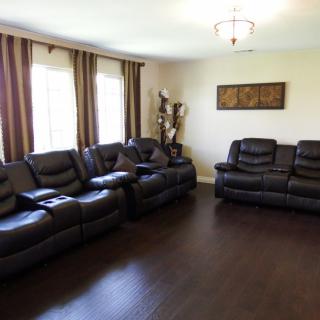
 Aurora Gardens provides excellent care, including nutritious meals, a well-maintained home, and caring providers.
- The owners adhere to licensing standards, which is appreciated.
- The director is very informative and answers questions.
- The home has a very nice, open atmosphere.
- It is enjoyed as a welcoming home environment.
Review
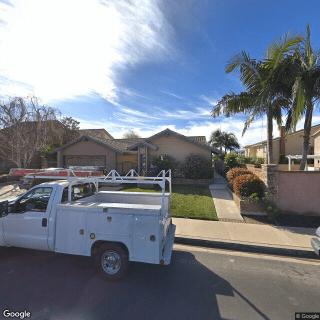
Aurora Gardens in Mission Viejo is best suited for families seeking a warm, home-like assisted living environment where care feels personal and operations are clearly anchored in solid licensing practices. The community consistently shows up as a place with nutritious meals, a well-maintained home, and genuinely caring providers. Reviewers highlight that the ownership runs a tight ship on licensing, which translates into predictable policies, reliable safety practices, and a sense that the home operates without loose ends. In short, this is the kind of setting where routine, respect for regulatory standards, and a steady, family-friendly atmosphere matter most.
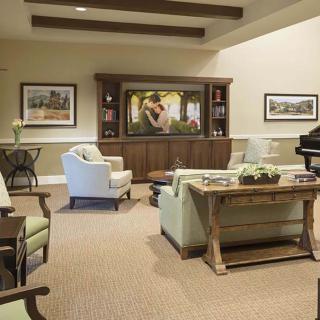
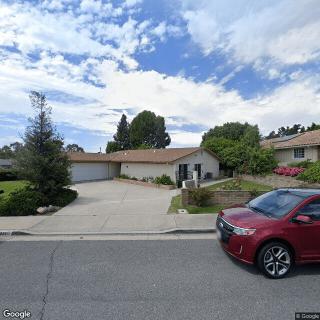
Visitors repeatedly describe Aurora Gardens as an open, inviting space with a calm, residential feel. The atmosphere is described as nice and welcoming, with the director noted for being informative and responsive during questions. That combination, a clear, accessible leadership presence and a home environment that doesn’t feel institutional, creates trust for families weighing distant care decisions. The emphasis on a comfortable living area, paired with attentive staff, helps seniors settle in without the clinical intensity that can come with larger facilities.
From the available impressions, the strongest fit emerges for residents who thrive on predictability, personal attention, and a straightforward care routine. The care quality is framed around daily essentials: balanced meals, cleanliness, and caregivers who appear genuinely engaged. The director’s openness in discussions and willingness to explain processes further reduces uncertainty for families making a critical choice. This is a setting where the day-to-day experience feels manageable and transparent, rather than overwhelming or rushed.
Where Aurora Gardens may not be the obvious match are situations that demand intensive medical oversight, complex memory-care programming, or a bustling calendar of on-site activities and therapies. The reviews do not portray a large, hospital-like care footprint; instead they emphasize a home atmosphere and licensing discipline. For households facing high medical needs, frequent nurse visits, specialized dementia programming, or highly structured activities designed to keep a wide range of cognitive and physical abilities engaged, alternatives with broader clinical staffing and more specialized wings could better fit. Those considering these paths should test drive facilities that foreground medical acuity and formal memory care tracks.
The pros, homey ambience, nutritious meals, attentive caregivers, and transparent leadership, offset the potential gaps that come with a smaller, residential model. The licensing rigor reduces regulatory risk and enhances perceived safety, while the director’s responsiveness helps families feel heard and informed. If the objective is to minimize the sense of care being “institutional” and maximize daily comfort, Aurora Gardens delivers entries into a life that feels like a trusted home with professional oversight. For families where the priority is strong personal attention over industrial-scale services, this community stands out as a prudent choice.
Bottom line: Aurora Gardens delivers quality daily living within a clearly regulated, family-centered framework. It is especially well-suited for seniors who value a warm, home-like setting, predictable routines, and accessible communication with leadership. Those who may want to consider alternatives are families seeking advanced medical support, extensive memory-care programming, or a more expansive social calendar with broader clinical resources. Prospects should use a structured visit to verify caregiver ratios, review the menu for dietary needs, confirm licensing details, and explore the depth of on-site medical support before deciding. This approach will clarify whether Aurora Gardens matches the specific care trajectory and lifestyle preferences of each resident.
 Board and Care Home
 Memory Care
 Activities on-site
 Beautician on-site
 Indoor common areas
 Outdoor common areas
 Private
 Respite or short term stays offered
 Wheelchair accessible showers
 John Wayne Orange Co (14 miles away)
 High acuity care
 Incontinence care
 Medication management
 Kosher
 Visiting chaplain or priest


 8 Key Indicators That Suggest It May Be Time to Transition from Assisted Living to Skilled Nursing Care
 Nourishing the Mind: Essential Dietary Approaches for Dementia
 Understanding Dementia Behaviors: Practical Insights and Strategies for Caregivers