
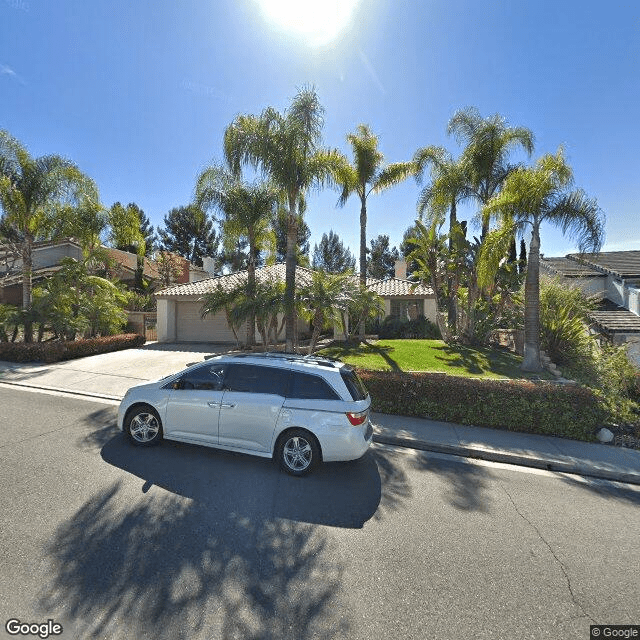
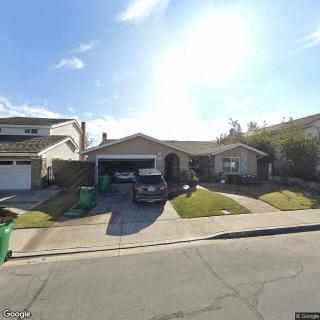
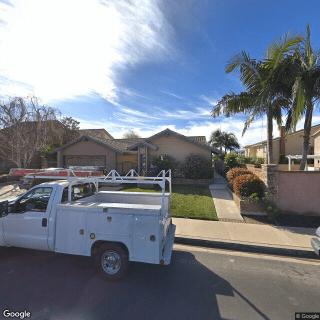
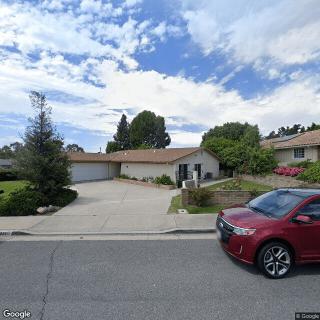
28282 La Caleta, Mission Viejo, CA 92692
For more information about senior living options: (866) 208-4318
Aurora Palms Costs & Pricing
At Aurora Palms, the monthly costs for various room types reflect a competitive pricing strategy within the broader context of Orange County and California as a whole. For a semi-private room, Aurora Palms charges $4,300, which is notably higher than the county average of $3,431 and the state average of $3,333. The private room option is priced at $4,900, exceeding both the Orange County benchmark of $4,104 and California's state average of $3,939. Interestingly, for those seeking one-bedroom accommodations, Aurora Palms maintains its rate at $4,900 - slightly above Orange County's average of $4,380 but still near the state's average of $4,340. Overall, while Aurora Palms does position itself on the upper end of the pricing spectrum for senior living facilities in comparison to its local counterparts and statewide averages, it may offer unique value propositions that justify these rates.
| Floor plans | Aurora Palms | Orange County | California |
|---|---|---|---|
| Semi-Private | $4,300 | $3,431 | $3,333 |
| Private | $4,900 | $4,104 | $3,939 |
| 1 Bedroom | $4,900 | $4,380 | $4,340 |
Memory care communities with a similar price nearby
-
from -$305 / mo
Cadence Brea
$3,995 to $5,500 / month24.6 miles away -
from -$800 / mo
Kun Bai Care
$3,500 to $4,500 / month20.8 miles away -
from +$200 / mo
Casa Bella
$4,500 / month18.1 miles away -
from -$300 / mo
Active Senior Home Care
$4,000 to $5,000 / month1.6 miles away -
from -$300 / mo
Royal
$4,000 to $4,800 / month19.4 miles away
Overall Review of Aurora Palms
Pros
 The staff at the homes were friendly and welcoming.
- A staff member from the Midwest provided a comforting presence.
- The community staff gave a detailed tour of the facility.
- The building was clean and well maintained.
- Visitors were invited to sample a meal and enjoy the dining experience.
- Residents appeared engaged in activities and seemed to enjoy the community.
- The staff were welcoming and helpful, contributing to a positive care experience.
- Reviewers highly recommend Aurora Palms.
Cons
 They didn’t think it would be a good fit for their father, since the location is more for higher functioning seniors.
- The location was too far for their family.
Review
Aurora Palms in Mission Viejo is best suited for higher-functioning seniors who want a lively, well-staffed residential setting with active programming, solid daily living support, and a consistently clean, well-maintained environment. Families seeking reassurance that care is personalized and residents stay engaged will find this community appealing. The combination of friendly staff, transparent tours, and a visible emphasis on activity and quality meals makes it a compelling option for those who value social engagement and a home-like atmosphere over a medical-only model.
Those evaluating alternatives should consider two clear caveats. For seniors who require intensive medical supervision, memory care, or mobility support beyond what the community routinely delivers, a different setting may be a better fit. Distance matters as well; several reviewers noted that the location is not convenient for families, which can complicate visitation, transport, and emergency planning. Prospective residents with significant care needs or closer family proximity concerns may want to widen the search to options with closer proximity or a stronger specialized-care orientation.
The strongest positives here are the staff and the culture they cultivate. Reviews consistently describe friendly, welcoming teams that provide thorough tours and walk families through the facility with patience and transparency. The building itself shows constant attention to cleanliness and upkeep, reinforcing a sense of reliability and comfort. Dining experiences are highlighted as a notable perk, with tastefully prepared meals that residents are eager to try, contributing to a pleasant daily rhythm. When combined with robust activity offerings and visible resident involvement, these factors create a sense of belonging and purpose that many families prioritize.
In practice, families report that residents quickly settle in and appear content, with caregivers who are attentive and responsive to daily needs. The consistency of positive experiences, from initial introductions to ongoing engagement, helps alleviate common concerns about adjustment and safety. Activity calendars are described as varied and meaningful, enabling residents to pursue interests, social connections, and routine. For families, these signals translate into confidence that a loved one can thrive within Aurora Palms’ engaging environment, with a care team that supports independence while providing dependable oversight.
However, the cons aren’t negligible. Distance from home is frequently mentioned, which can complicate regular visits or spontaneous drop-ins. More importantly, the community is perceived as oriented toward higher-functioning seniors, which may leave families wondering whether the level of care aligns with someone who needs more hands-on assistance or specialized medical monitoring. Those questions should be asked directly: what is the exact level of daily supervision, what medical support is available on-site, and how quickly can staff respond to changing care needs? If the answer suggests gaps for a given situation, alternatives with a stronger care continuum should be pursued.
The practical takeaway is clear: Aurora Palms offers a compelling blend of warmth, engagement, and dependable upkeep that can suit vibrant, socially active seniors who don’t require intensive medical oversight. For families, the decisive steps are to tour with a careful eye on matching the resident’s functioning level to the community’s capabilities, to request firsthand demonstrations of staff responsiveness, and to assess proximity for ongoing involvement. If a loved one prioritizes social immersion, a respectful, well-run dining program, and clear evidence of daily support, this community earns a strong recommendation. If more medical intensity, memory-care specialization, or near-home accessibility are non-negotiables, it is prudent to broaden the search and compare with alternatives designed around those needs.
 6 resident community capacity
 Assisted Living
 Board and Care Home
 Memory Care
 Respite Care
 Activities on-site
 Beautician on-site
 Cable or satellite TV
 Dining room
 Fully furnished
 Garden
 Housekeeping services
 Indoor common areas
 Move-in coordination
 Outdoor common areas
 Private
 Telephone
 Wheelchair accessible showers
 Wi-Fi/high-speed internet available
 John Wayne Orange Co (14 miles away)
 24-hour supervision
 Assistance with bathing
 Assistance with dressing
 Assistance with transfers
 Diabetes diet
 High acuity care
 Incontinence care
 Meal preparation and service
 Medication management
 Special dietary restrictions
 Transportation arrangement (medical)
 Transportation to doctors appointments

 A Thorough Discussion of Medications Potentially Linked to Dementia Risk
 Why Do Dementia Patients Sleep So Much? Understanding Oversleeping, Stages, and Care Approaches
 8 Key Indicators That Suggest It May Be Time to Transition from Assisted Living to Skilled Nursing Care