
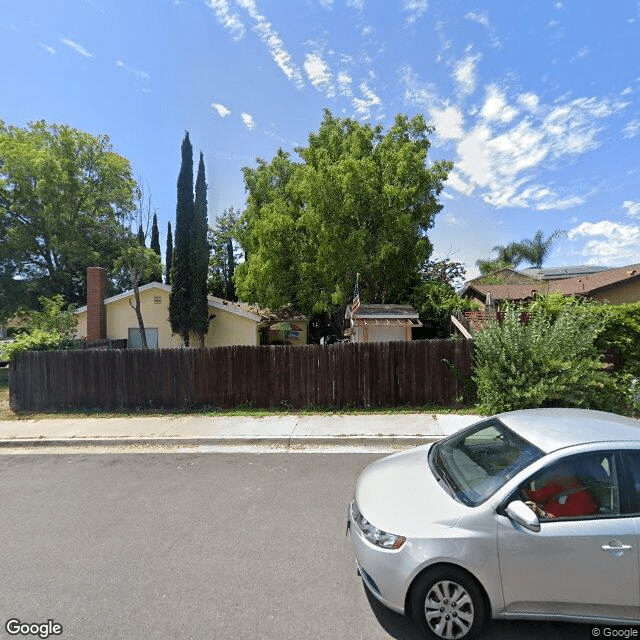
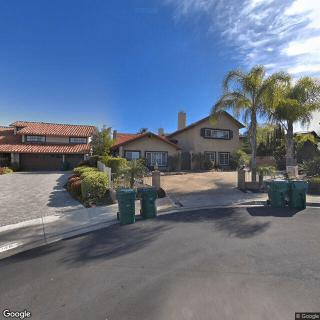
22645 Via Tercero, Mission Viejo, CA 92691
For more information about senior living options: (866) 208-4318
Via Tercero Homes Costs & Pricing
Via Tercero Homes offers competitive pricing for its residential options, particularly when compared to the broader markets in Orange County and California. For semi-private rooms, residents can expect a monthly cost of $3,500, which is slightly higher than the average in Orange County at $3,431 but remains favorable compared to the state average of $3,333. In terms of private accommodations and studios, Via Tercero maintains a similar trend; their private rooms are priced at $4,000, closely aligning with the county's average of $4,104 while being more attractive compared to California's overall rate of $3,939. Studios are similarly priced at $4,000 against a backdrop of county and state averages reaching up to $4,313 and $4,145 respectively. Overall, Via Tercero Homes delivers value while ensuring a quality living environment that is both competitive within the local market and reflective of the state's wider housing costs.
| Floor plans | Via Tercero Homes | Orange County | California |
|---|---|---|---|
| Semi-Private | $3,500 | $3,431 | $3,333 |
| Private | $4,000 | $4,104 | $3,939 |
| Studio | $4,000 | $4,313 | $4,145 |
Memory care communities with a similar price nearby
-
from +$495 / mo

Cadence Brea
$3,995 to $5,500 / month23.6 miles away -
About the same
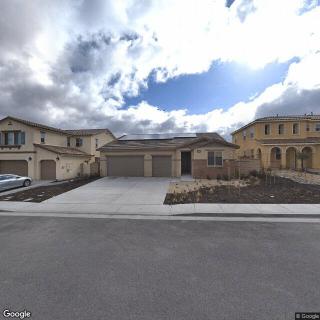
Kun Bai Care
$3,500 to $4,500 / month21.9 miles away -
About the same
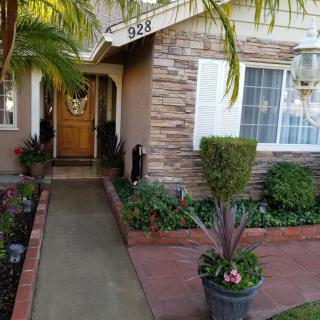
Comfort Keepers Home Care
$3,500 to $6,500 / month24.8 miles away -
from -$650 / mo
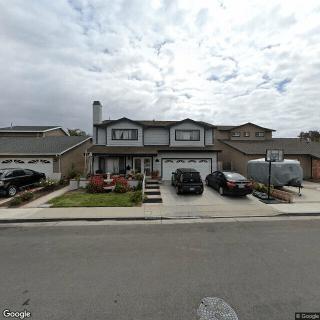
Alternative Senior Care - Freshwater
$2,850 to $3,250 / month20.9 miles away -
from -$500 / mo
Best Elderly Care I
$3,000 to $3,500 / month15.2 miles away
Overall Review of Via Tercero Homes
Pros
 The community is described as a lovely place for loved ones, with friendly staff, great food, and new apartments.
- The mother loves that it’s more than just a room, with a separate kitchen area, living area, terrace, bedroom, and large bathroom, and she enjoys the food.
- The staff are pleasant and caring toward residents, and the home is run in a professional manner and kept very clean.
- The food always smells great, and the overall quality of care is highly satisfactory.
- The home is modern and clean, with private rooms that include a TV, a nice view, and a spacious backyard.
- The facility demonstrates integrity in medication handling and follows guidelines, with activities tailored to residents' abilities.
- The community is clean and well kept, with staff who are nice and friendly.
Cons
 They felt there weren’t enough activities offered and that it might not be the right fit for their mom.
- They noted that most residents are wheelchair-bound and keep to themselves, with little variety in activities.
- They would like more variety in cooking and more vegetables.
- The rooms and bathrooms were too small.
Review
Via Tercero Homes in Mission Viejo is best suited for families seeking an intimate, privacy-forward assisted living option where residents live in private suites rather than shared rooms. The community emphasizes a home-like atmosphere with new apartments that include a separate kitchen area, living space, terrace, and a spacious bathroom. The dining experience is consistently praised for its aroma and quality, and staff are described as friendly, professional, and genuinely caring. For families prioritizing cleanliness, predictable routines, and reliable supervision in a small, manageable setting, this proves to be a compelling choice. The combination of modern, private layouts and a calm, orderly environment helps residents maintain independence while receiving attentive daily care.
Those weighing alternatives should consider if the priority is a robust social calendar, more extensive on-site programming, or higher levels of medical support. Several reviewers note that activity offerings can feel limited and that many residents rely on wheelchairs, keeping to themselves, or that the exact scope of activities is not always clearly described. Space can also feel tight in some rooms and bathrooms, which may be a misalignment for residents who value larger living areas or need more expansive private accommodations. For families seeking substantial memory-care services, rehab-focused programs, or a campus with broad, hospital-like resources, other communities with dedicated memory-care wings or larger campuses may be preferable.
The strongest positives center on staffing, cleanliness, and daily care. Staff are repeatedly described as caring, pleasant, and engaged, contributing to a sense of safety and consistent oversight. The home runs on a professional model, with cleanliness and orderly presentation cited as standout features. Private accommodations, each resident enjoying their own room with a view, and often a private outdoor space, combine with strong medication governance to deliver peace of mind for families concerned about safety and compliance. Meals are a frequent point of pride, with residents and visitors noting the appetizing smell and quality, which supports regular appetite and overall well-being.
Even where activity levels are debated, the existing pros can offset some drawbacks for certain residents. The private, modern suites and the overall cleanliness provide a dignity-preserving environment, and the small-community feel fosters personal attention and family involvement in care planning. Some residents participate in offered activities like personal exercises or bingo, illustrating a flexible approach that can accommodate varying energy levels. At the same time, the absence of a wide-ranging activity program and the occasional sense that programming is uneven should be weighed carefully by families seeking a busier social life or more varied day-to-day engagement. Dietary variety and vegetable options are another area families may want to explore more deeply.
Decision-making should center on concrete, practical questions about space, routines, and future needs. Prospective residents should tour a private suite to assess size, storage, and bathroom usability, and review a current sample menu to gauge nutrition and taste preferences. It’s essential to ask for a typical activity calendar and examples of how programs are adapted to different ability levels. Inquire about staff-to-resident ratios, especially during peak hours, and confirm the facility’s med-management processes to ensure ongoing safety. Finally, consider how future needs, such as a transition to memory care or more intensive therapy, would be handled, and whether the long-term plan aligns with budget and care goals.
Overall, Via Tercero Homes stands out for privacy, cleanliness, and a professional, compassionate caregiving milieu in a compact, home-like setting. It is particularly well-suited for residents who value a private room with modern amenities, predictable daily routines, and a dining experience that reinforces quality living. It is less ideal for those seeking a broad, activity-rich calendar, expansive living spaces, or specialized memory-care services. With careful due diligence, tours, menu samples, activity calendars, and candid discussions about future needs, families can determine whether this community aligns with the resident’s goals and the family's expectations. When alignment exists, the result is a calm, well-run home that supports dignity, routine, and comfortable everyday living.
 6 resident community capacity
 Assisted Living
 Board and Care Home
 Memory Care
 Activities off-site
 Bath tubs
 Beautician on-site
 Cable or satellite TV
 Devotional services off-site
 Dining room
 Fully furnished
 Garden
 Housekeeping services
 Indoor common areas
 Move-in coordination
 Outdoor common areas
 Private
 Respite or short term stays offered
 Telephone
 Wheelchair accessible showers
 Wi-Fi/high-speed internet available
 John Wayne Orange Co (12 miles away)
 24-hour supervision
 Assistance with bathing
 Assistance with dressing
 Assistance with transfers
 Diabetes diet
 Diabetic care
 High acuity care
 Incontinence care
 Meal preparation and service
 Medication management
 Special dietary restrictions
 Transportation arrangement (medical)
 Transportation to doctors appointments
 Christian services

 Understanding the Distinctions: Assisted Living and Memory Care Explained
 How to Communicate with a Loved One Living with Dementia: 10 Supportive Strategies
 Comprehensive Guide to VA Nursing Homes: A Crucial Long-Term Care Resource for Veterans