
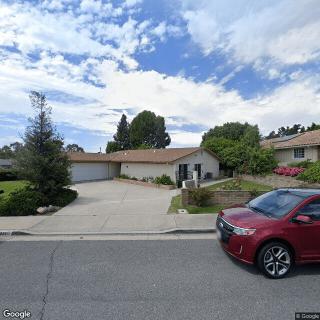
26442 Sandy Creek, Lake Forest, CA 92630
For more information about senior living options: (866) 208-4318
Overall Review of Sandy Creek Care Home
Pros
 The staff treat residents like family, delivering exceptional kindness and compassion.
- They are highly attentive to both physical and emotional needs, so residents feel cared for and valued.
- The facility is impeccably clean, with private, well-kept rooms.
- Home-cooked meals are healthy, delicious, and prepared with care.
- Communication with families is outstanding, keeping them informed and involved.
- Sacred Heart is consistently described as superior to other facilities and a top choice.
- The care team is professional, compassionate, and goes above and beyond to support families and residents.
- The environment is beautiful, well-maintained, and feels like a home.
- Holidays and birthdays are celebrated, with families warmly invited to participate.
- The owner and staff are repeatedly noted as dedicated, thoughtful, and like family.
Review
Sandy Creek Care Home is best suited for families seeking an intimate, home-like atmosphere in Lake Forest for an elder who thrives on steady, compassionate care, privacy, and meaningful daily connection. The strongest profiles mirrored in top-tier board-and-care settings, staff who treat residents like family, a pristine home environment, nourishing home-cooked meals, and proactive, transparent family communication, align well with what this community aims to deliver. It is particularly well-suited for residents with dementia or complex, chronic needs who benefit from a small, highly attentive caregiver team and around-the-clock availability that preserves dignity and independence without a clinical or hospital-like feel.
Who may want alternatives: If the priority is a larger campus with a broader array of on-site therapies, more formal rehabilitation programs, or hospital-grade medical oversight, this setting may not satisfy. For loved ones requiring extensive medical equipment, frequent skilled nursing procedures, or highly structured daily schedules, areas where bigger facilities tend to pool resources, a larger community or a dedicated memory-care wing could be more appropriate. Families who crave a constantly bustling activity calendar or a wide spectrum of social programming across a broad resident base might also find alternatives preferable.
How the strongest pros offset the main trade-offs: The core value rests in the care ethos, the warmth, dedication, and family-level communication that consistently emerge in exceptional board-and-care environments. When staff are described as treating residents like family, and when the facility is spotless and meals are wholesome and thoughtfully prepared, residents experience tangible emotional and social benefits that largely compensate for the lack of scale. The ability to coordinate smoothly with hospice teams or hospital discharge plans, and the privacy afforded by private rooms, keeps dignity front and center. Most persuasive is around-the-clock attentiveness: a high caregiver-to-resident ratio enables quick responses, timely monitoring, and personalized attention that larger communities often struggle to sustain.
Additional advantages reinforce the fit for the right resident: clear, ongoing communication with families keeps everyone informed and engaged in care decisions. Celebrations of birthdays and holidays, coupled with a welcoming, family-like culture, reduce loneliness and strengthen emotional well-being. The staff’s professional credentials, ownership by a nurse and a team with hospital-affiliated experience, translate into reliable, empathetic care that families can trust. A facility described as clean, modern, and inviting, with private rooms and a calm, home-like atmosphere, meets practical needs while delivering the comfort and predictability that families value when transitioning a loved one away from home.
Cons to watch for and how they are mitigated: The inherent trade-off in a small, home-style setting is the limited scale relative to a larger community. This can translate to fewer on-site resources or fewer therapy options than bigger facilities offer. However, this limitation is often offset by deep, personalized attention, quicker responsiveness, and the deep relationships formed between staff and residents. For families accustomed to hospital-like routines or expansive activity rosters, the pace and breadth may feel narrower; the antidote lies in leaning on the strength of a tight-knit team, consistent routines, and meaningful social connections that feel authentic rather than transactional.
Bottom-line guidance: For Lake Forest families weighing options, Sandy Creek Care Home should be evaluated as a compelling match for those who value warmth, dignity, and high-touch, family-centered care in a small, intimate setting. If the loved one benefits from a tightly knit community where staff know residents well, communicate openly with families, and celebrate life with home-cooked meals and personal attention, this model is hard to beat. If scale, extensive on-site medical services, or hospital-grade programming are non-negotiables, it pays to explore alternatives with larger staffs and broader medical capabilities. The decision hinges on balancing the wish for a home environment with the necessary level of medical oversight and activity variety.
 6 resident community capacity
 Assisted Living
 Cable or satellite TV
 Dining room
 Fully furnished
 Garden
 Housekeeping services
 Move-in coordination
 Outdoor space
 Telephone
 Wi-Fi/high-speed internet available
 John Wayne Orange Co (12 miles away)
 24-hour supervision
 Activities of daily living assistance
 Assistance with bathing
 Assistance with dressing
 Assistance with transfers
 Diabetes diet
 Meal preparation and service
 Medication management
 Special dietary restrictions
 Transportation arrangement (medical)
 Transportation to doctors appointments


 Social Security Benefits and Assisted Living: Navigating Options Across the U.S.
 An Extensive Exploration of the VA Aid and Attendance Benefit
 Senior Transition Services: Understanding Their Role, Cost, and Importance