
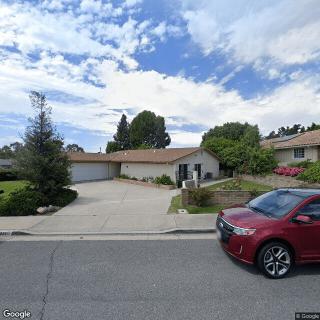
22462 Rio Aliso Drive, Lake Forest, CA 92630
To contact a resident: (949) 586-3658
For more information about senior living options: (866) 208-4318
Tuscany Senior Living Costs & Pricing
Tuscany Senior Living offers a competitive pricing structure for its residents, particularly when compared to the broader market in Orange County and California. For semi-private rooms, Tuscany charges $2,000 per month, which is significantly lower than the county average of $3,431 and the state average of $3,333. Similarly, private rooms at Tuscany come in at $2,500 per month, again well below both the county's average of $4,104 and the state's average of $3,939. This cost-effective approach not only provides significant savings for residents but also reflects Tuscany's commitment to delivering quality care and lifestyle options in a financially accessible manner.
| Floor plans | Tuscany Senior Living | Orange County | California |
|---|---|---|---|
| Semi-Private | $2,000 | $3,431 | $3,333 |
| Private | $2,500 | $4,104 | $3,939 |
Senior living communities with a similar price nearby
-
About the same
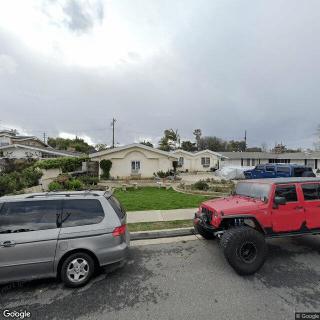
John Villa's Home Care
$2,000 to $3,000 / month13.7 miles away -
from -$200 / mo
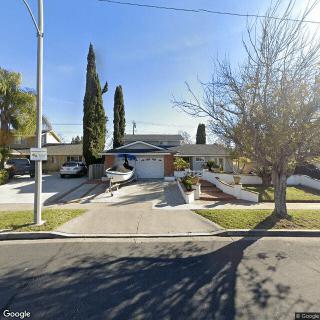
Paradise Residential Senior Care 2
$1,800 / month2.1 miles away -
About the same
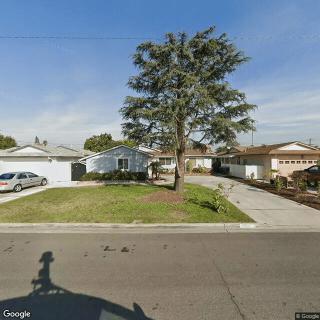
Angel's Care Guest Home
$2,000 to $3,000 / month18.5 miles away -
About the same
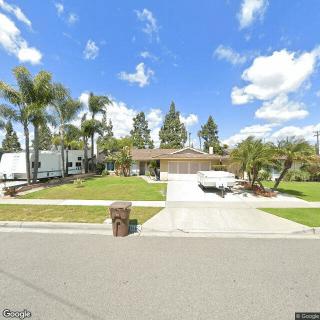
Tess Loving Home
$2,000 to $2,500 / month17.7 miles away -
from +$300 / mo
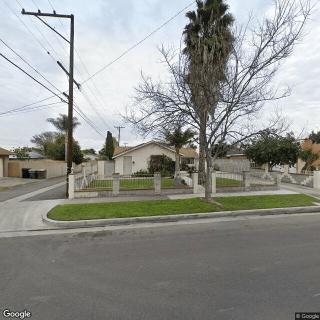
Bronwyn Residential Care
$2,300 to $3,500 / month22.2 miles away
Overall Review of Tuscany Senior Living
Pros
 Sacred Heart Senior Care is described as impeccably clean and well-maintained.
- The staff treat residents like family, showing exceptional kindness and compassion.
- The home-cooked meals are healthy and delicious.
- Communication with families is outstanding, keeping them informed and involved.
- Sacred Heart stands far above other board-and-care facilities.
- The rooms are private, clean, and neatly kept.
- Caregivers are attentive, professional, and genuinely caring.
- The facility fosters a warm, home-like atmosphere with celebrations for birthdays and holidays.
- The care provided is around-the-clock, compassionate, and consistently high quality.
- Residents are supported with love, dignity, and respect.
Cons
 None found — the reviews are uniformly positive about Sacred Heart Senior Care.
Review
This community is best suited for families seeking an intimate, home-like setting where care feels personal, proactive, and deeply connected to daily life. The strongest signal from the reviews is a model in which residents live in private rooms within a clean, warm environment, and staff treat them like family. Daily rhythms include home-cooked meals, regular celebrations, and a level of attentiveness that mirrors caregiving at home but with trained, around-the-clock support. For seniors who value genuine relationships with a stable caregiving team, where staff know names, preferences, and health nuances, this setup delivers dignity, continuity, and a reassuring sense of belonging that larger, institutionalized campuses often miss.
Alternatives clearly merit consideration for residents with different needs. If a senior requires heavier medical supervision, frequent on-site physician rounds, complex wound care, or access to a broader spectrum of on-campus medical services, a larger assisted living campus or a dedicated memory-care environment may be more appropriate. Families prioritizing extensive social programming, expansive transportation options, or a wide array of specialty therapies might find a bigger campus preferable. In essence, the small, intimate model shines for warmth, familiarity, and rapid caregiver responsiveness; it may feel restrictive for those who rely on extensive clinical infrastructure or comprehensive, campus-wide programming.
The strongest pros from this approach, the compassionate, family-like staff; spotless, home-like surroundings; private rooms; and consistently nutritious meals, serve as a powerful counterweight to the likely limits of a smaller operation. The high caregiver-to-resident attention, coupled with 24/7 oversight and proactive health monitoring, translates into swift responses to health changes and clearer, more frequent communication with families. The social fabric, the celebrations, the daily interactions, and the routine that treats each resident as a person with a story, produces emotional well-being that often offsets the absence of a broader menu of organized activities found on larger campuses. In short, the intimate model converts care into a relational, legible experience for families.
To replicate the most cherished outcomes, Tuscany should foreground several priorities. Maintain a true small-scale, home-like atmosphere with a clearly high staff-to-resident ratio and low staff turnover, so residents build lasting relationships with caregivers. Ensure leadership remains visibly involved, an owner-operator model can anchor consistency, training, and a shared culture of warmth. Preserve immaculate cleanliness and comfortable, private accommodations, while continuing to deliver thoughtful, well-prepared meals and snack options. Build formal pathways for family involvement and regular updates, and create space for meaningful celebrations that reinforce community. Lastly, infuse dementia-appropriate training and on-call coordination with specialists so memory-care needs feel supported rather than outsourced.
Who Tuscany is best for becomes especially clear in light of these strengths. It is a fit for families seeking a truly personal, non-institutional experience where staff know residents well, communicate transparently, and respond with immediacy to concerns. It also appeals to those who prize privacy (private rooms) and daily routines that feel domestic and comforting, rather than hospital-like. For loved ones dealing with dementia or progressive cognitive changes, the model’s emphasis on trained, compassionate caregivers who provide consistent, around-the-clock care can make a meaningful difference in quality of life and dignity, provided the staff team is stable and well-supported.
Practical next steps are straightforward. During tours, seek tangible proof of the claimed strengths: observe the cleanliness and ambiance of common areas and resident rooms; note whether meals are appetizing and nutritious and whether snack options align with dietary needs. Meet the caregiving team and ask about staffing ratios, turnover, and caregiver training, especially in dementia care. Request examples of family communication practices and a few sample care plans to gauge how care is coordinated with outside clinicians or hospice teams when needed. Finally, talk to current residents’ families about daily life, responsiveness, and how holidays and birthdays are celebrated. If Tuscany can deliver the high-touch, family-centered, well-managed environment these reviews illustrate, it becomes a compelling choice for families prioritizing dignity, connection, and everyday warmth.
 Board and Care Home
 Activities off-site
 Bath tubs
 Indoor common areas
 Outdoor common areas
 Private
 Private bathrooms
 John Wayne Orange Co (12 miles away)
 Ambulatory care
 Diabetic care
 High acuity care
 Meals provided

 Is a Geriatric Care Manager the Right Choice for Your Family?
 Compassionate Conversations: How to Comfort Someone Who Is Grieving
 Home Health Care Aides: Understanding Their Role and Supporting Your Family