Vasona Care Home II offers competitive pricing for its residential care services in comparison to both Santa Clara County and the broader California market. For semi-private accommodations, Vasona Care Home II charges $2,500 per month, significantly lower than the county average of $3,943 and the state average of $3,333. Similarly, for private rooms, the cost at Vasona Care Home II is set at $3,500, which is more affordable than the county's average of $4,096 and slightly below California's overall average of $3,939. These pricing advantages highlight Vasona Care Home II's commitment to providing high-quality care at accessible rates within a competitive regional landscape.
Floor plans
Vasona Care Home II
Santa Clara County
California
Semi-Private
$2,500
$3,943
$3,333
Private
$3,500
$4,096
$3,939
Memory care communities with a similar price nearby
Several residents and families describe phone and messaging delays.
Multiple reviewers say they struggled to reach the facility, with phones ringing unanswered and messages not returned. Some also describe delays in getting nurses when a call button was used, including long waits for assistance. A few reviews further tie the communication problems to gaps in medication follow-up and information sharing.
caveat10 reviews mention this
Staffing and care follow-through
Some reviews raise concerns about staffing consistency and follow-through.
Several reviewers describe short staffing or inconsistent caregiver availability, including long waits for basic help. Others say medications were late or inconsistent, and some families report nurses did not follow through on care needs they raised. A smaller number of positive reviews push back on this, describing attentive nurses and CNAs, but the negative staffing and follow-through concerns appear repeatedly.
caveat5 reviews mention this
Food quality and dining experience
Food and dining experience is mixed across reviews.
Some reviewers complain about poor or spoiled food and dismissive responses when food concerns were raised. Other reviews describe better dining moments, including staff serving residents a holiday meal and confidence from seeing the dining experience firsthand. Overall, dining satisfaction varies widely by reviewer.
common3 reviews mention this
Activities bring engagement
Residents benefit from scheduled community activities.
Reviewers mention engaging activities as part of daily life, including group events and arts-and-crafts-style programming. One review specifically highlights activity options like bingo and chair yoga. This aligns with the community offering scheduled daily activities and community-sponsored activities.
common15 reviews mention this
Kind, attentive caregivers praised
Many reviewers praise caregivers as kind and supportive.
A substantial number of reviews describe staff who are caring, professional, and responsive to residents and families. Several highlight specific caregivers for gentleness, attentiveness, and help with questions and daily needs. While some other reviews report the opposite, positive staff impressions are frequent enough to stand out on the page.
differentiator4 reviews mention this
Therapy and rehab quality
Therapy and rehab are a central focus in reviews.
Several reviewers credit physical and occupational therapy for meaningful progress after events like falls or surgery, describing organized recovery plans and patient, skillful work. Others single out rehab teams for professional support and successful outcomes. At the same time, one review says rehab was almost non-existent over a long stay, suggesting the rehab experience may vary by case.
How we summarize
Counts show how many written reviews mention each theme; a review can touch several themes, and only frequently mentioned themes are displayed.
Features
Housing
4 resident community capacity
Types of Care
Assisted Living
Board and Care Home
Memory Care
Amenities
Bath tubs
Cable or satellite TV
Dining room
Fully furnished
Garden
Housekeeping services
Move-in coordination
Outdoor space
Private
Private bathrooms
Respite or short term stays offered
Telephone
Wheelchair accessible showers
Wi-Fi/high-speed internet available
Transportation
San Jose International (7 miles away)
Care Services
24-hour supervision
Activities of daily living assistance
Ambulatory care
Assistance with bathing
Assistance with dressing
Assistance with transfers
Coordination with health care providers
Dementia waiver
Diabetes diet
Diabetic care
High acuity care
Hospice waiver
Meal preparation and service
Medication management
Mental wellness program
Mild cognitive impairment
Special dietary restrictions
Specialized memory care programming
Transportation arrangement (medical)
Transportation to doctors appointments
Dining
Diabetes diet
Meals provided
Special dietary restrictions
Activities
Community-sponsored activities
Scheduled daily activities
Nearby Places of Interest
This part of Los Gatos, California, offers a variety of amenities and services that could be appealing to seniors looking for a comfortable and convenient living environment. The proximity to restaurants like Netflix and Teleferic Barcelona, as well as cafes such as Starbucks and Philz Coffee, provides plenty of dining options for residents. Additionally, there are several reputable physicians' offices and pharmacies nearby for easy access to medical care. The presence of parks like Houge Park and Los Gatos Creek Trail at Vasona Park offers opportunities for outdoor recreation and relaxation. For entertainment, there is Pruneyard Cinemas within a short distance. In terms of healthcare, Valley Health Center Bascom and O'Connor Hospital are located nearby for any medical emergencies or ongoing care needs. Overall, this area provides a mix of conveniences that could make it a desirable location for senior living in Los Gatos.
Restaurants
Netflix (0.2 miles)
Teleferic Barcelona (2.7 miles)
Orchard City Kitchen (2.7 miles)
Pacific Catch (2.8 miles)
Meso Modern Mediterranean (4.2 miles)
Fogo De Chao (4.3 miles)
Yard House (4.5 miles)
Physicians
Ramblc Pediatric Group (1 miles)
Palo Alto Medical Foundation (1.1 miles)
Imig, Mary Dr - Mary L Imig, MD - Los Olivos Women's Medical Group (1.2 miles)
Vasona Care Home II offers competitive pricing for its residential care services in comparison to both Santa Clara County and the broader California market. For semi-private accommodations, Vasona Care Home II charges $2,500 per month, significantly lower than the county average of $3,943 and the state average of $3,333. Similarly, for private rooms, the cost at Vasona Care Home II is set at $3,500, which is more affordable than the county's average of $4,096 and slightly below California's overall average of $3,939. These pricing advantages highlight Vasona Care Home II's commitment to providing high-quality care at accessible rates within a competitive regional landscape.
Vasona Care Home II incorporates a range of comprehensive services tailored to enhance the quality of life for residents with dementia or Alzheimer's disease. Assistance with dressing and bathing promotes personal dignity while helping residents maintain a sense of routine, which is crucial in managing cognitive decline. Medication management ensures that individuals receive their necessary medications on time, minimizing confusion and promoting overall health. Meal preparation and service cater to nutritional needs, while transportation arrangements facilitate access to medical appointments, reinforcing the importance of regular health monitoring. Coordination with healthcare providers fosters a seamless connection between caregivers and medical professionals, enhancing the continuity of care. With 24-hour supervision and assistance with transfers, safety is prioritized alongside support for activities of daily living, allowing residents to navigate their environment confidently. Specialized memory care programming along with mental wellness initiatives are designed to engage cognitive abilities and provide social interaction, creating an enriching atmosphere that can mitigate feelings of isolation often experienced by those with memory impairments. These features collectively form a nurturing environment that recognizes both the challenges faced by residents and their right to live fulfilling lives despite cognitive difficulties.
Nearby Communities
Vasona Care Home
Los Gatos, CA
4.2 from 101 reviews
Small, personalized setting with memory care and private furnished rooms.
Villa Vasona Apartments- HUD-
Los Gatos, CA
5 from 3 reviews
Excellent access to nearby dining, parks, pharmacies, doctors, and hospitals.
Princess Lodge
Campbell, CA
3.9 from 8 reviews
$4,500 to $6,000 / month
Warm, home-like atmosphere with attentive staff and quality dining.
Minas Elderly Care Home 1
Los Gatos, CA
Small, personalized care with 24/7 supervision, memory care options, and structured daily activities.
TheKey Los Gatos
Los Gatos, CA
4.9 from 74 reviews
$2,449 / month
Personalized caregiver matching with friendly, professional staff.
LWF Home Care Specialists
Los Gatos, CA
3.8 from 8 reviews
Strong care quality with a standout care manager (Jana) and generally positive caregivers.
Terraces of Los Gatos
Los Gatos, CA
4.6 from 100 reviews
$3,578 to $5,382 / month
Friendly, attentive staff in a well-maintained, amenity-rich community with engaging activities and quality dining.
Vasona Creek Healthcare Center
Los Gatos, CA
4.2 from 100 reviews
Luxurious setting with extensive on-site amenities and 24/7 care.
Village Green Apartments
San Jose, CA
3.5 from 11 reviews
Excellent access to nearby amenities (cafes, parks, pharmacies, physicians, restaurants, places of worship, and theater).
At-home dementia care expenses vary widely based on care levels, location, and caregiver expertise, with monthly costs for home health aides exceeding $4,500 and specialized care potentially surpassing $100,000 annually. While families favor in-home care for its comfort and personalized attention, they must consider financial planning and the challenges of caregiver fatigue.
The article discusses the late stages of dementia, detailing the progression from mild to severe impairment and highlighting key characteristics such as profound cognitive decline and dependency in daily activities. It emphasizes care strategies focused on comfort and dignity, the importance of advance directives, and the emotional support needed for family caregivers facing this challenging journey.
The article examines the link between certain medications and increased dementia risk, particularly in older adults, emphasizing that long-term or high-dose use of anticholinergics, benzodiazepines, and other drug classes can exacerbate cognitive impairment. It calls for careful medication evaluation and shared decision-making to mitigate these risks while managing treatment efficacy.
Get PricingAsk A QuestionSchedule A TourContact Senior Advisor
By clicking submit, you agree to our Partner's Terms of Use. You
also consent to receive calls and texts, which may be autodialed, from our Partner. Your consent is not a condition to
using our Partner's service. Please visit our Partner's Privacy Policy for information about their privacy practices.



 4 resident community capacity
 Assisted Living
 Board and Care Home
 Memory Care
 Bath tubs
 Cable or satellite TV
 Dining room
 Fully furnished
 Garden
 Housekeeping services
 Move-in coordination
 Outdoor space
 Private
 Private bathrooms
 Respite or short term stays offered
 Telephone
 Wheelchair accessible showers
 Wi-Fi/high-speed internet available
 San Jose International (7 miles away)
 24-hour supervision
 Activities of daily living assistance
 Ambulatory care
 Assistance with bathing
 Assistance with dressing
 Assistance with transfers
 Diabetes diet
 Diabetic care
 High acuity care
 Hospice waiver
 Meal preparation and service
 Medication management
 Mental wellness program
 Special dietary restrictions
 Transportation arrangement (medical)
 Transportation to doctors appointments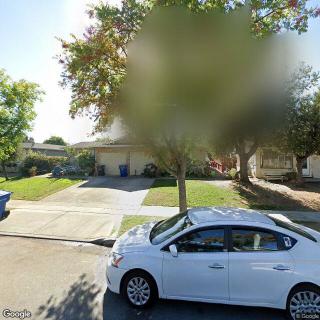
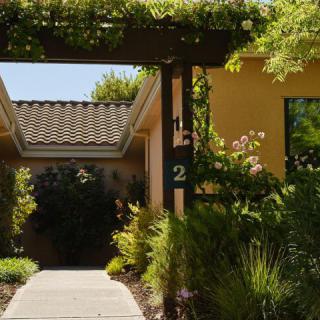
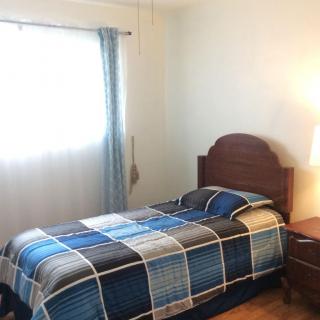
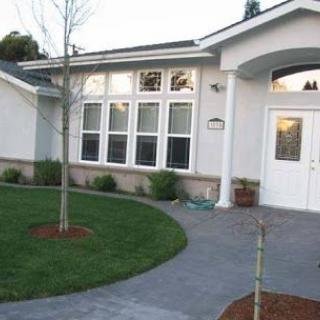
 Small, personalized setting with memory care and private furnished rooms.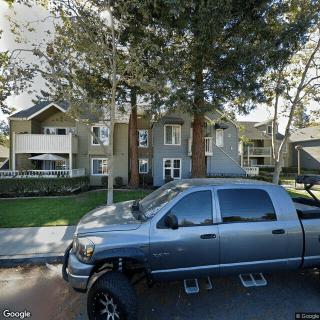

 Estimating the Expenses of At-Home Dementia Care: A Detailed Exploration
 Comprehensive Insights on the Late Stages of Dementia: What to Expect and How to Provide Care
 Medications Associated with Dementia Risk: A Comprehensive Overview