
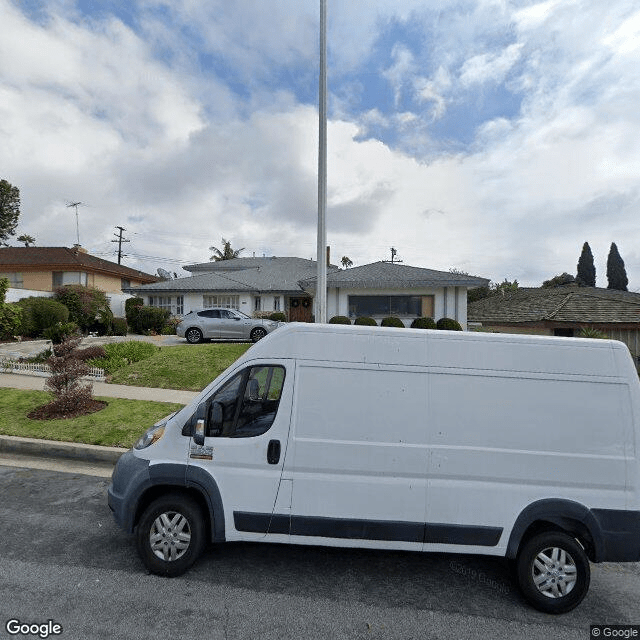
5540 Bedford Avenue, Los Angeles, CA 90056
For more information about senior living options: (866) 208-4318
The View At Ladera Heights Costs & Pricing
The View At Ladera Heights offers competitive pricing for its residential care, with semi-private rooms listed at $6,000 per month and private rooms at $7,000. These rates significantly exceed the average costs in Los Angeles County, where semi-private accommodations average approximately $3,349 and private rooms around $4,197. When we look at state averages across California, the disparity remains evident; semi-private rooms have an average cost of about $3,333, while private options stand at roughly $3,939. This positioning indicates that The View At Ladera Heights caters to a clientele seeking premium services or amenities that justify the higher investment.
| Floor plans | The View At Ladera Heights | Los Angeles County | California |
|---|---|---|---|
| Semi-Private | $6,000 | $3,349 | $3,333 |
| Private | $7,000 | $4,197 | $3,939 |
Assisted Living communities with a similar price nearby
-
from +$200 / mo
The Kensington at Sierra Madre
$6,200 to $9,270 / month21.7 miles away -
from -$500 / mo

Blue Skies Ranch
$5,500 / month16.8 miles away -
from -$1000 / mo

Just Like Home
$5,000 / month12.6 miles away -
from -$500 / mo
Kind Heart Home Care III
$5,500 to $6,000 / month12.6 miles away -
About the same
Hampton Guest Home
$6,000 / month20.7 miles away
Overall Review of The View At Ladera Heights
Pros
 The reviewer was very impressed.
Cons
 This community was not as well managed as the choice that we were looking at for my loved one.
Review
The View at Ladera Heights is best suited for families seeking a modest, home-like assisted-living option in Los Angeles where the emphasis is on personal attention in a smaller setting. It works for seniors who can tolerate a less polished operational footprint and who are willing to evaluate management quality in real time during a visit. For households that require consistently tight oversight, standardized processes, and highly predictable administration, this community is unlikely to be the strongest fit.
One reviewer was explicit that the community did not feel as well managed as a different option they were considering, and that it did not feel like the right match for their loved one. That caution signal is meaningful: it suggests potential variability in how care is planned, communicated, and executed day-to-day. Prospective residents should treat administrative smoothness and responsiveness as non-negotiables to verify on an in-person tour, rather than assuming a warm atmosphere will automatically translate into reliable day-to-day operations.
A separate note from a different visitor revealed an opposite initial impression: despite not considering residential home care previously, the observer was very impressed and intends to return with their mother. This suggests the community can deliver at least a meaningful degree of warmth, engagement, and perceived value in the right circumstance. The takeaway is that the setting may offer genuine personal attention, a comfortable living ambiance, and potential for thoughtful interaction, factors that can matter as long as management supports consistent execution and clear communication with families and residents.
The core pros that emerge from these impressions center on a smaller, more intimate environment where staff interactions can feel more direct and personalized. In a setting like this, residents may benefit from closer relationships with caregivers, easier access to staff, and a sense of home rather than institutional formality. Those advantages matter most to families who prioritize daily quality of life, social connection, and ease of access to caregivers for updates and input on care plans. However, those gains do not automatically compensate for uneven management, gaps in consistency, or slower responsiveness when care needs escalate.
The main cons, uneven management, questions about how care plans are communicated, and the potential for inconsistency in scheduling or follow-through, pose real hurdles for decision-makers. For families balancing multiple options, the need for reliable operations can outweigh the appeal of a warm, small-community feel. The view is that this facility may deliver a meaningful, homey experience on some days and fall short on others if leadership turnover or coordination gaps arise. In such a context, the risk of frustration or unmet expectations grows for residents who require dependable routine and proactive problem-solving.
For those evaluating alternatives, the prudent path is a structured, side-by-side comparison. Schedule a priority tour with the administrator, insist on meeting caregivers across shifts, and request recent examples of care plans, incident logs, and resident-facing communications. Probe for staffing ratios, turnover, training standards, and how decisions travel from the executive leadership to frontline caregivers. Compare contract terms, billing transparency, and what happens when health needs intensify. If a strong, consistent management track record is evident, the positives can tip the scale; if not, more predictable options with proven systems deserve serious consideration.
In the end, The View at Ladera Heights suits families who can tolerate some variability in day-to-day administration in exchange for a potentially warmer, more intimate environment. It is less ideal for families who prioritize ironclad oversight and a consistently high level of operational polish. The decision hinges on the relative emphasis placed on personal attention versus administrative reliability. For households leaning toward exploring this option, thorough due diligence during tours and candid conversations about management and care coordination will determine whether the trade-off is acceptable or a different community with stronger governance should be the next step.
 6 resident community capacity
 Assisted Living
 Board and Care Home
 Activities off-site
 Air-conditioning
 Bath tubs
 Cable or satellite TV
 Devotional services off-site
 Dining room
 Fireplaces
 Fully furnished
 Garden
 Ground floor units
 Handicap accessible
 Housekeeping services
 Indoor common areas
 Move-in coordination
 Outdoor common areas
 Private
 Respite or short term stays offered
 Swimming pool / hot tub
 Telephone
 Wi-Fi/high-speed internet available
 Los Angeles International (4 miles away)
 24-hour supervision
 Assistance with bathing
 Assistance with dressing
 Assistance with transfers
 Diabetes diet
 Diabetic care
 High acuity care
 Incontinence care
 Meal preparation and service
 Medication management
 Special dietary restrictions
 Transportation arrangement (medical)
 Transportation to doctors appointments
 Bible study group
 Day trips and outings
 Live well programs
 Sensory-based programs
 Trivia games




 Exploring the Contrasts Between Assisted Living and Skilled Nursing
 8 Key Indicators That Suggest It May Be Time to Transition from Assisted Living to Skilled Nursing Care
 Vibrant Senior Living: A Comprehensive Guide for Active Older Adults