
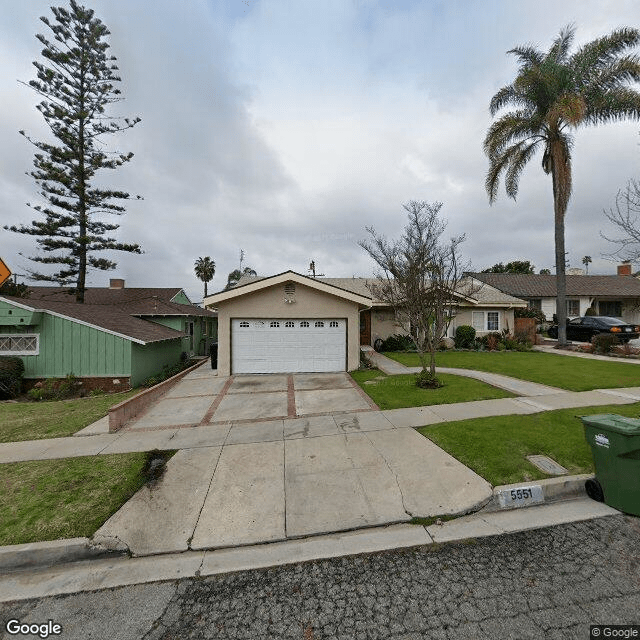
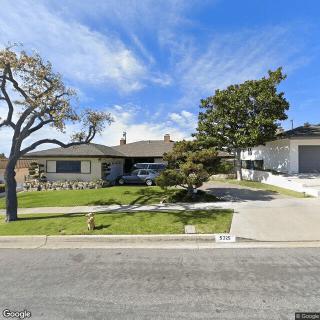
5551 Corning Avenue, Los Angeles, CA 90056
For more information about senior living options: (866) 208-4318
La Dera Sunrise An Exceptional Home For Seniors Costs & Pricing
La Dera Sunrise An Exceptional Home For Seniors offers competitive pricing for its residents, highlighting its commitment to providing exceptional care within a nurturing environment. For semi-private rooms, the monthly cost is $3,400, which is slightly above the county average of $3,349 but still remains more affordable than the broader California average of $3,333. Meanwhile, private room accommodations are priced at $4,000 per month - somewhat lower than Los Angeles County's average of $4,197 and notably higher than the statewide average of $3,939. This pricing structure reflects La Dera Sunrise's emphasis on quality care and personalized experiences tailored to meet the needs of seniors while also being mindful of affordability in an often costly market.
| Floor plans | La Dera Sunrise An Exceptional Home For Seniors | Los Angeles County | California |
|---|---|---|---|
| Semi-Private | $3,400 | $3,349 | $3,333 |
| Private | $4,000 | $4,197 | $3,939 |
Assisted Living communities with a similar price nearby
-
About the same
Kind Heart Home Care VI
$3,500 to $5,000 / month12.0 miles away -
About the same

Bella Manor II
$3,300 to $4,290 / month20.4 miles away -
from +$600 / mo
Palomino Residential Care
$4,000 to $6,000 / month14.1 miles away -
from -$400 / mo
Tabi's Facility Home Care
$3,000 to $3,500 / month24.7 miles away -
from -$650 / mo
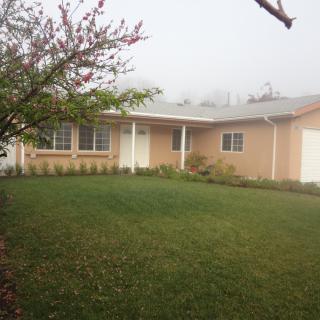
Dignity Care Home 1
$2,750 to $4,150 / month17.8 miles away
Overall Review of La Dera Sunrise An Exceptional Home For Seniors
Pros
 Their care for him was excellent, with thorough management of his needs and appointments.
- The home was kept very clean and safety rules were enforced.
- They provided around-the-clock care, giving the family peace of mind.
- My father considered Ladera Sunrise the best facility he had been in.
- Susan is hands-on and passionate about the residence.
- Ladera Sunrise is a God-send and a model for the way assisted living should be.
- The residents are treated with the utmost respect and attention.
- Susan and Kevin are angels for looking out for the residents and their families.
Cons
 The staff were rude.
- The facility was dirty.
- It was understaffed.
- It was the worst place they had tried for their grandmother.
- The bed that was initially available was no longer available.
- The home was lovely but not right for her mother.
Review
Ladera Sunrise is best suited for families seeking a small, hands-on board-and-care environment in Los Angeles where seniors receive round-the-clock attention, meticulous supervision, and a home-like atmosphere. The community shines for residents who have intricate medical needs and require continuous care, coordinated appointments, and dependable safety routines. It works especially well for families who value direct access to the owners and managers, and for elders who thrive on daily contact with a cohesive, affectionate caregiving team and on robust social programming within a compact, intimate setting.
Those evaluating alternatives should note who may not be the ideal fit. If a senior demands a larger campus, a formal memory-care wing, or a more standardized, corporation-backed operation, a bigger facility may suit better. For elders with highly unpredictable behavior, severe wandering, or needs that overwhelm a small staff, a well-staffed memory-care-focused community or a facility with greater on-site medical resources could offer more consistent management. Availability matters too: a long wait or no vacancy can push families toward other options, even when the care philosophy resonates.
The strongest positives here center on care that feels intentional and present. The care team is described as compassionate and deeply engaged, with owners and managers taking a hands-on role in daily operations. Safety and cleanliness are consistently emphasized, and the setting allows for continuous monitoring and timely responses to health or mobility concerns. A care team that coordinates doctor visits, helps manage appointments, and keeps residents engaged with transporting services and activity-rich outings adds tangible value for families facing complex schedules and medical needs. For dementia-related care, the ability to keep a loved one in their apartment while providing specialized support is frequently cited as a meaningful strength.
Yet the reviews include clear cautions that cannot be ignored. A subset of impressions flags rude staff, cleaner lapses, and understaffing as recurring concerns, painting a more fragile picture of consistency. Several visits also highlight limited availability, with beds becoming open and then quickly filled, which can delay timely placement for a senior in need. Another practical caveat is suitability for ambulatory residents or those with wander-prone behaviors; while the home can accommodate many cases, families should assess whether the resident’s behavior and acuity truly align with what a small, highly personalized setting can safely manage.
These pros and cons do not cancel each other out; they instead map to a clear decision framework. The offset comes from a deeply personal, continuously supervised care model: the owner-led culture, the emphasis on safety, the weekly rhythms of activities, and the seamless integration of transport and medical coordination. For families who prize a warm, homelike environment where staff know residents by name and care plans are executed with consistency, the gains often outweigh the occasional staffing blemishes or occupancy snags. The model is strongest when the resident’s needs sit within a manageable acuity in a small community, and when family members can accept a certain degree of dependency on the facility’s leadership to ensure continuity of care.
In practical terms, this community is a compelling choice for families prioritizing intimate, attentive caregiving in a home setting, particularly when the senior benefits from personalized activity options and straightforward medical coordination. Prospective residents should enter with a concrete plan: inquire about current staffing levels and turnover, request a candid outline of the resident-to-caregiver ratio during peak hours, and confirm how behavioral or wandering risks are managed within the smaller footprint. Tour the home with a checklist that includes cleanliness, safety measures, meal quality, and the availability of transport for appointments and outings. Finally, verify bed availability, understand the waitlist dynamics, and align expectations with budget, recognizing that the standout care model can justify some of the tradeoffs for families seeking a truly caring, engaged environment.
 6 resident community capacity
 Assisted Living
 Board and Care Home
 Activities off-site
 Cable or satellite TV
 Dining room
 Fully furnished
 Garden
 Housekeeping services
 Indoor common areas
 Move-in coordination
 Outdoor common areas
 Private
 Private bathrooms
 Respite or short term stays offered
 Swimming pool / hot tub
 Telephone
 Wi-Fi/high-speed internet available
 Los Angeles International (4 miles away)
 24-hour supervision
 Ambulatory care
 Assistance with bathing
 Assistance with dressing
 Assistance with transfers
 Diabetes diet
 Diabetic care
 High acuity care
 Incontinence care
 Meal preparation and service
 Medication management
 Special dietary restrictions
 Transportation arrangement (medical)
 Transportation to doctors appointments


 Securing Financial Support for Assisted Living: A Comprehensive Overview
 Social Security Benefits and Assisted Living: Navigating Options Across the U.S.
 An Extensive Exploration of the VA Aid and Attendance Benefit