
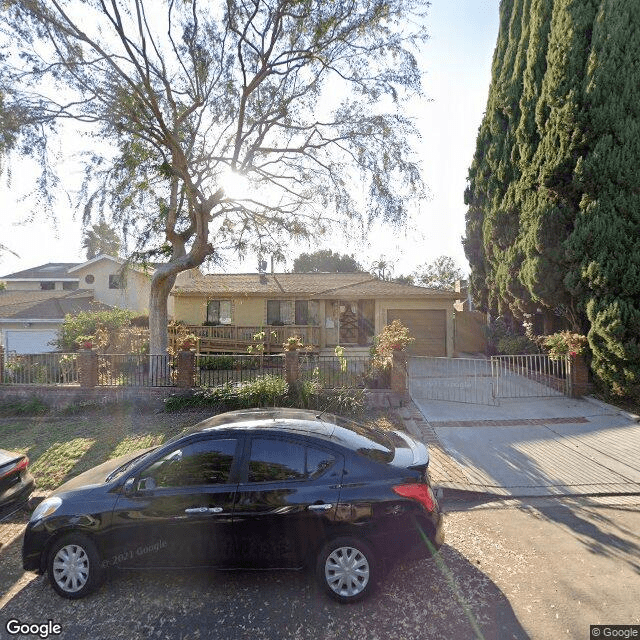
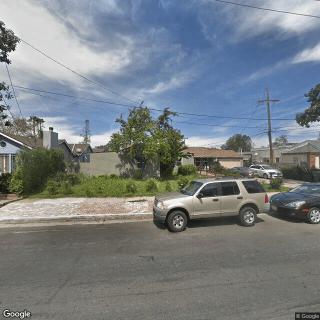
3017 Malcolm Avenue, Los Angeles, CA 90034
For more information about senior living options: (866) 208-4318
Miko Inn Costs & Pricing
Miko Inn offers private room accommodations at a monthly rate of $6,500, which significantly exceeds both the county and state averages. In Los Angeles County, similar private rooms generally cost around $4,197, while the statewide average is even lower at approximately $3,939. This pricing suggests that Miko Inn positions itself as a premium option within the market, catering to guests who may be seeking additional amenities or specialized services that justify the higher price point. As such, prospective visitors should carefully consider what Miko Inn offers in comparison to other options available in the region.
| Floor plans | Miko Inn | Los Angeles County | California |
|---|---|---|---|
| Private | $6,500 | $4,197 | $3,939 |
Assisted Living communities with a similar price nearby
-
from -$300 / mo
The Kensington at Sierra Madre
$6,200 to $9,270 / month22.6 miles away -
from -$1000 / mo
Blue Skies Ranch
$5,500 / month13.0 miles away -
from -$1000 / mo
Kind Heart Home Care III
$5,500 to $6,000 / month16.0 miles away -
from -$500 / mo
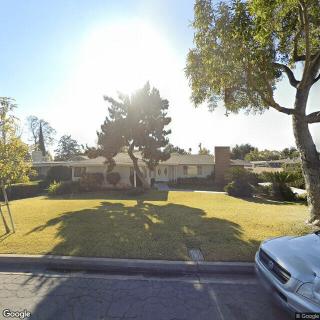
Hampton Guest Home
$6,000 / month21.7 miles away -
from -$500 / mo
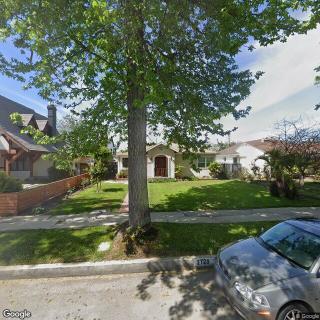
Comfort Home for the Elderly
$6,000 to $6,500 / month0.3 miles away
Overall Review of Miko Inn
Pros
 Miko Inn is an excellent board and care facility.
- Nana, the owner, is onsite regularly and is always available to address questions or concerns, ensuring issues are handled promptly.
- Nana and the caretaking team treat residents with the utmost care and respect, fostering a warm, family-like atmosphere.
- The caretakers have remained consistent, which is important for residents living with dementia.
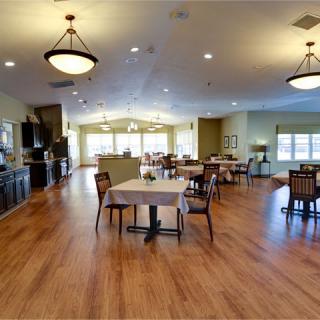
- The facility is clean and well organized, featuring a beautiful back patio and a serene backyard garden with ample natural light.
- Families can rest assured that their loved ones are well cared for at Miko Inn and would highly recommend it.
- The environment is warm and caring, with responsive and attentive staff who follow up on issues promptly.
Cons
 There are disadvantages to a small board-and-care facility.
- The setting sometimes feels like a dorm or shared house with no institutional feel.
Review
Miko Inn in West Los Angeles is best suited for seniors who want a small, home-like board-and-care setting that emphasizes personal attention, continuity of caregivers, and a family atmosphere. It is particularly well matched to residents with dementia or limited mobility who benefit from a stable, intimate environment where staff know them well and respond quickly to changing needs. Families that value direct access to leadership and a transparent, hands-on approach will find reassurance here. The setup suits those who prioritize daily routines, warmth, and a safe, well-kept space over the amenities of a large campus.
However, this is not the right fit for every situation. For loved ones requiring intensive medical nursing on a 24/7 basis, or for families seeking a broad calendar of specialized programs, rehab services, or a large community with extensive on-site resources, alternatives should be considered. Large assisted living campuses or memory-care centers offer deeper clinical capabilities and more numerous activity options but often at the expense of the intimate, home-like feel. Cost sensitivity and bed availability are also practical factors to weigh.
The strongest positives revolve around leadership presence and caregiver consistency. Nana, the owner, is onsite regularly and remains reachable for questions and concerns, which translates into swift resolution and trust. The care team is long-standing, which matters deeply for dementia management. The environment is described as warm and respectful, with a spotless, well-kept home, abundant natural light, and a serene back patio. Residents are treated with dignity, and families report being kept involved and informed about daily progress and challenges.
Operationally, the facility operates with a compact, non-institutional footprint that many families find appealing. The homey feel, more dorm-like than hospital, reduces agitation and stress for residents who do not thrive in hallways and loud activity rosters. Food and nutrition are strong points, with a variety of healthy options, and staff members encourage residents to stay active. Transportation is complimentary, and staff live on site, which supports rapid responsiveness. For those who prize a calm, predictable routine, these factors translate into meaningful quality of life.
Yet the size naturally implies trade-offs. The bed capacity is limited, and the range of specialized services does not compare to larger communities. While three caregivers are on duty during the day and two overnight, the pace and breadth of clinical oversight may feel lean for some families. Still, the value rests in extraordinary accessibility and personal accountability. The combination of a dedicated director, a stable care staff, and a tight-knit resident community often offsets the potential downsides by delivering more attentive, customized care than bigger campuses typically provide.
In sum, Miko Inn is a strong recommendation for families seeking a heartfelt, attentive, home-style setting for a loved one who needs assistance with mobility and memory care. It excels when continuity, responsiveness, and a warm community matter most. Alternatives should be strongly considered when the priority is high-acuity medical nursing, expansive activity programming, or a large, institution-like campus. Prospective families should tour with clear questions about caregiver rotation, care planning, and how dementia needs are monitored day to day to ensure the fit is optimal.
 6 resident community capacity
 Assisted Living
 Board and Care Home
 Activities off-site
 Cable or satellite TV
 Dining room
 Fully furnished
 Garden
 Housekeeping services
 Move-in coordination
 Outdoor space
 Private
 Respite or short term stays offered
 Telephone
 Wi-Fi/high-speed internet available
 Los Angeles International (6 miles away)
 24-hour supervision
 Ambulatory care
 Assistance with bathing
 Assistance with dressing
 Assistance with transfers
 Diabetes diet
 Diabetic care
 High acuity care
 Meal preparation and service
 Medication management
 Special dietary restrictions
 Transportation arrangement (medical)
 Transportation to doctors appointments
 Christian services



 Understanding the Distinctions: Assisted Living and Memory Care Explained
 Guiding Elderly Parents Who Refuse Assisted Living: 6 Practical Steps
 Your Comprehensive Guide to Luxury Assisted Living: Elevated Facilities, Amenities, and Costs