
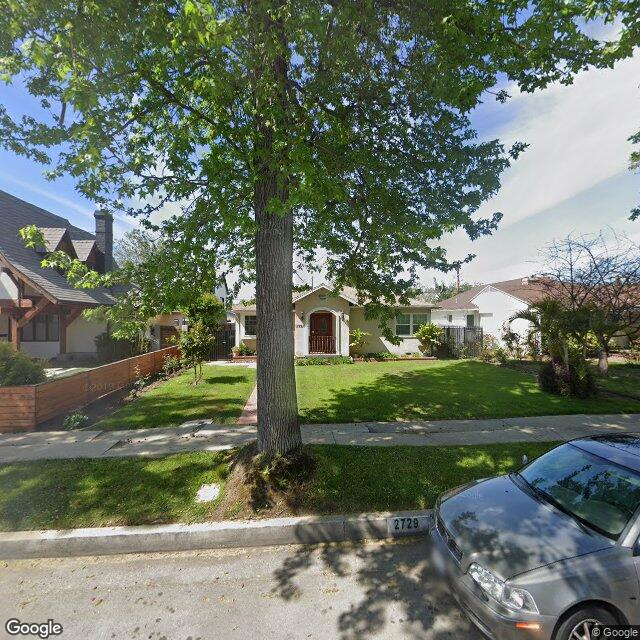
2729 Westwood Blvd, Westwood, CA 90064
To contact a resident: (310) 470-7302
For more information about senior living options: (866) 208-4318
Comfort Home for the Elderly Costs & Pricing
Comfort Home for the Elderly offers semi-private rooms at $6,000 per month and private rooms at $6,500 per month. When compared to the averages in Los Angeles County, where semi-private accommodations cost around $3,349 and private rooms are approximately $4,197, Comfort Home's rates are significantly higher. Even on a state level, where the average monthly costs for semi-private and private rooms stand at $3,333 and $3,939 respectively, Comfort Home's pricing reflects a premium. This may be indicative of enhanced services or amenities that set it apart from other options in both the county and state. Such costs can influence family decisions when selecting appropriate care for their elderly loved ones.
| Floor plans | Comfort Home for the Elderly | Los Angeles County | California |
|---|---|---|---|
| Semi-Private | $6,000 | $3,349 | $3,333 |
| Private | $6,500 | $4,197 | $3,939 |
Assisted Living communities with a similar price nearby
-
from +$200 / mo
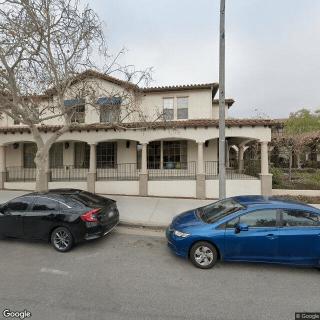
The Kensington at Sierra Madre
$6,200 to $9,270 / month22.7 miles away -
from -$500 / mo
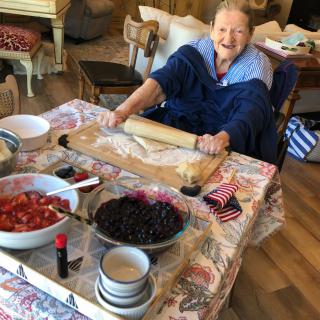
Blue Skies Ranch
$5,500 / month12.7 miles away -
from -$1000 / mo
Just Like Home
$5,000 / month9.5 miles away -
from -$500 / mo
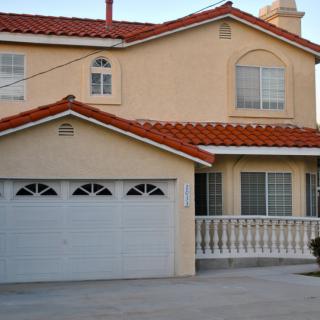
Kind Heart Home Care III
$5,500 to $6,000 / month16.3 miles away -
About the same
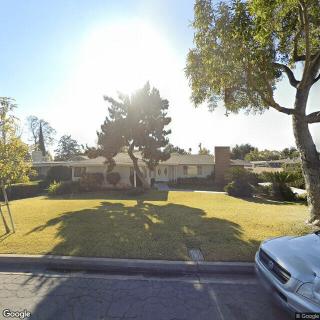
Hampton Guest Home
$6,000 / month21.8 miles away
Overall Review of Comfort Home for the Elderly
Pros
 The staff are caring, helpful, and attentive.
- The home is clean, well-maintained, and feels like a home.
- Activities are tailored to each resident's abilities.
- The food is wonderful and residents are happy with it.
- The community is nice and the staff are excellent and very friendly.
- There is an outdoor area with flowers and a covered cabana, enhancing the ambiance.
- Caregivers provide hands-on help, including assisting to the bathroom and night-time care.
- The owner follows up and communicates with families.
- The facility is associated with UCLA, indicating excellent care.
Cons
 No activities were offered.
Review
Comfort Home for the Elderly in Westwood is best suited for families seeking a small, home-like setting where attentive, hands-on care is the default, not the exception. This community shines for seniors who need practical daily support and a calm, predictable routine, rather than a glittering resort atmosphere. The staff is consistently described as caring and approachable, with residents kept clean and comfortable. The environment feels intimate, each resident can have activities tailored to their abilities, and the home’s cleanliness and gardens reinforce a domestic, lived-in quality. The UCLA connection cited by staff hints at reliable medical oversight without sacrificing the warmth of a private home; the owner’s proactive follow-up further solidifies confidence. In short, it is a solid fit for families prioritizing dependable, personalized care over big-venue amenities.
However, families that want a robust calendar of group activities and a formally structured memory-care program should consider alternatives. At least one review notes that activities were not offered, which can leave some residents feeling socially short-changed. Dementia care is acknowledged as a challenge, and while staff are described as understanding, the setting remains a small, home-based environment rather than a dedicated memory-care unit. For seniors who rely on organized programming, a consistent social calendar, or specialized dementia environments, a larger facility with a defined memory-care wing may deliver more reliable programming and peer interaction. The decision hinges on whether personalized, flexible engagement or formal programming is the priority.
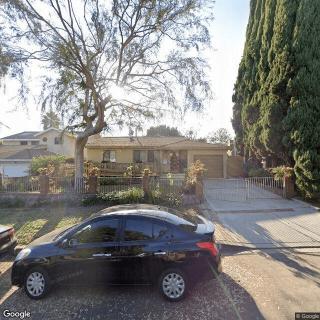
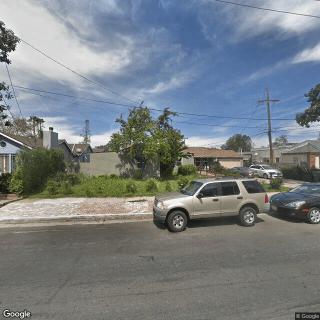
On the plus side, the strongest advantages, exceptional staff, 24/7 attentiveness, and a house-like ambiance, tend to offset the lack of formal programming. Reviews repeatedly praise staff for taking residents to the bathroom, waking through the night, and delivering care with genuine kindness, not showmanship. The setting feels like a private home, well maintained, with tasteful gardens, an outdoor area, and easy street parking, not a commercial campus that distances families from daily life. The combination of attentive caregiving and a homelike atmosphere often yields steadier emotional security for residents with memory challenges, where familiarity and small routines beat large, impersonal calendars. Food quality also supports well-being and morale, complementing the personal care.
Operationally, the home presents as well-staffed and engaged. One account notes two caregivers during the day and ongoing availability, with staff personally answering calls and staying near a resident who needs reassurance. The hands-on approach, hand-feeding when necessary, gentle redirection, and calm de-escalation, reflects a philosophy of quiet, compassionate care. The property’s upkeep, the homey interior, tidy grounds, and dedicated maintenance, contributes to a sense of safety and comfort. The UCLA association adds a layer of credibility for medical responsiveness without requiring residents to leave a familiar environment. For families who value immediate access to caregivers and a low-traffic, intimate setting, these attributes carry significant weight.
Decision-makers should weigh cost and practicality against the shown strengths. Costs are described as in line with similar housing options, which, in a Westwood market, means a premium but not outlandish for the level of personal care offered. The pros, cleanliness, attentive staff, personalization, and a welcoming home atmosphere, often compensate for the absence of a structured activity slate, provided family members are comfortable supplementing engagement through visits or at-home programs. Prospective residents should confirm the current activity plan, gauge staff-to-resident ratios, and verify dementia-care capabilities and staff training. A campus tour can help families observe daily routines and talk through a memory-care plan if needed.
Bottom-line guidance: Comfort Home for the Elderly is best for families seeking a warm, intimate setting where caregivers know residents by name, respond quickly to needs, and maintain a homey environment with reliable medical-linked support. It shines for seniors who thrive on personal attention, predictable routines, and social warmth that does not rely on formal programming. Those needing extensive activity calendars, or highly specialized dementia programming, should explore larger, purpose-built facilities or dedicated memory-care wings. With careful due diligence, visits, questions about staffing, and clarity on programming, this community can be an excellent fit for the right resident and family.
 6 resident community capacity
 Assisted Living
 Board and Care Home
 Activities on-site
 Cable or satellite TV
 Dining room
 Fully furnished
 Garden
 Housekeeping services
 Move-in coordination
 Outdoor space
 Private
 Respite or short term stays offered
 Telephone
 Wheelchair accessible showers
 Wi-Fi/high-speed internet available
 Los Angeles International (6 miles away)
 24-hour supervision
 Ambulatory care
 Assistance with bathing
 Assistance with dressing
 Assistance with transfers
 Diabetes diet
 High acuity care
 Meal preparation and service
 Medication management
 Special dietary restrictions
 Transportation arrangement (medical)
 Transportation to doctors appointments

 Exploring the Path to Senior Living: A Comprehensive Look at Independent Living and Assisted Living
 Is Assisted Living Deductible on Your Taxes? Understanding the Complexities of Assisted Living Expenses and Deductions
 Assisted Living Support for Veterans: A Complete and Detailed Overview