
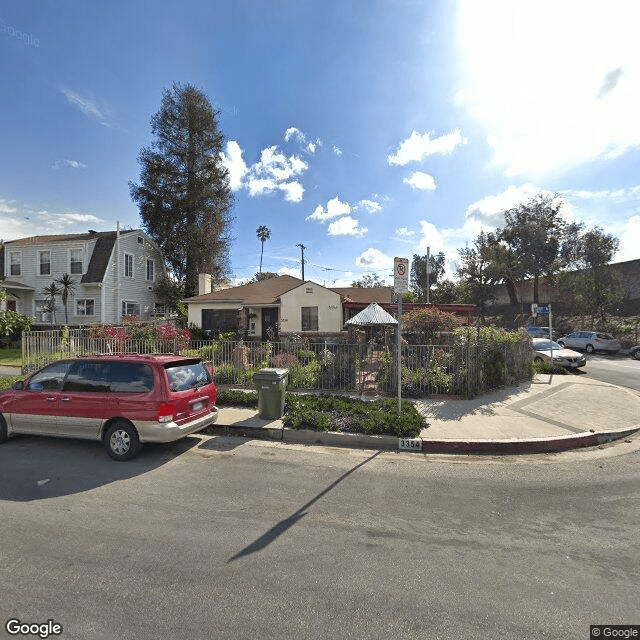
3354 Cardiff, Los Angeles, CA 90034
For more information about senior living options: (866) 208-4318
Managed Care Guest Home Costs & Pricing
The Managed Care Guest Home offers competitive pricing for its accommodations, with both private rooms and studio units available at a monthly cost of $4,000. When compared to the broader market, these rates are slightly lower than the average costs in Los Angeles County, where similar private rooms are priced around $4,197 and studios at approximately $4,172. In contrast, the state-wide average for private rooms in California sits at $3,939 while studio apartments average about $4,145. This places the Managed Care Guest Home in a favorable position within the local landscape, making it an appealing option for those seeking quality care without straying too far from their budget.
| Floor plans | Managed Care Guest Home | Los Angeles County | California |
|---|---|---|---|
| Private | $4,000 | $4,197 | $3,939 |
| Studio | $4,000 | $4,172 | $4,145 |
Memory care communities with a similar price nearby
-
from -$500 / mo
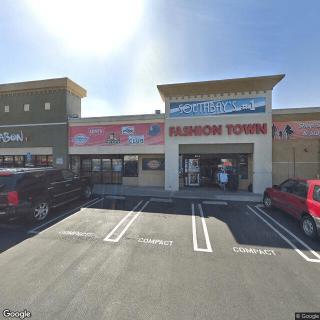
Kind Heart Home Care VI
$3,500 to $5,000 / month15.0 miles away -
from -$500 / mo
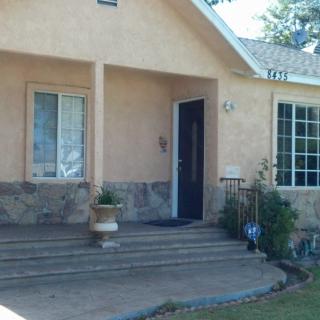
Paradise Senior Living 1
$3,500 to $4,500 / month16.1 miles away -
from +$500 / mo
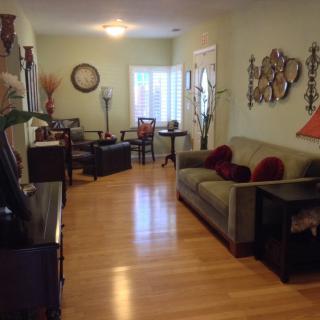
Ardenville Home Care I
$4,500 / month13.0 miles away -
from -$200 / mo
America's Care Manor
$3,800 to $4,000 / month22.9 miles away -
About the same
Land of Peace 6
$4,000 to $5,500 / month16.9 miles away
Overall Review of Managed Care Guest Home
Pros
 Everything has been going very well.
- They are very happy.
- The communication has been first rate.
- It is a very nice community.
- They would recommend the Managed Care Guest Home.
- The home is very nice.
- Everyone is very friendly.
Review
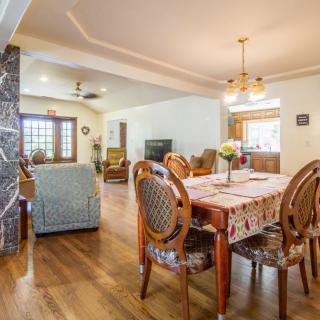
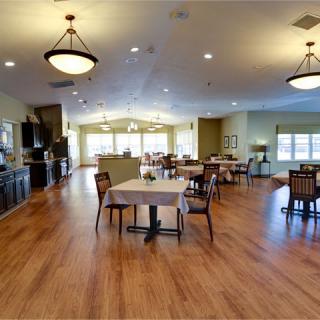
Managed Care Guest Home in Los Angeles is best suited for families seeking a small, personable setting where communication is dependable and staff friendliness translates into daily reassurance. The community comes across as quiet, well maintained, and oriented toward practical daily living rather than flashy amenities. For seniors who value predictable routines, clear updates about care, medications, and day-to-day life, this setting delivers. The positive signals from the two five‑star reviews emphasize straightforward reliability, a pleasant atmosphere, and approachable staff, making it a compelling option for families who prioritize trust and consistency in caregiving.
At the same time, clear caveats exist for those with broader or more acute care needs. Families should consider alternatives if a resident requires intensive medical oversight, complex wound or memory-care management, or rapid access to on-site clinical services. Larger campuses with expansive medical staffing, more robust specialty programs, or wider activity calendars may better fit residents whose needs evolve quickly. Location, accessibility, and pricing are ongoing considerations, and, in the absence of detailed disclosure, prospective buyers should demand clarity on what is included in the rate and how care levels scale over time.
The core strengths highlighted by reviewers, exceptional communication, a friendly, cohesive staff, and a welcoming environment, are not cosmetic. When relatives are informed promptly and accurately, the caregiving burden on families eases, and care coordination becomes more reliable. A pleasant atmosphere and approachable caregivers support social engagement, reduce resident anxiety, and foster a sense of belonging. Taken together, these factors can translate into steadier daily routines, fewer misunderstandings, and higher overall satisfaction for both residents and families.
There are no explicit drawbacks cited in the short set of reviews, which is encouraging but not comprehensive. The prudent course for families is to probe beyond the glow: verify the exact range of services offered on-site, test responsiveness during evenings and weekends, and confirm staffing patterns. Information gaps can hide misalignment between expectations and reality, so Request a sample care plan, arrange a live tour, and talk with front-line staff about typical days and decision-making processes. If the resident’s needs demand more intensive medical management, the lack of detail should prompt deeper inquiry.
Despite the absence of stated downsides, the proven strengths offset many common decision risks. Reliable communication minimizes the chances of care gaps, while a warm, friendly environment reduces isolation and supports emotional well-being. For families prioritizing transparency and ongoing dialogue, the confidence that comes from regular updates and a courteous staff is a meaningful hedge against day-to-day uncertainties. These factors create a sense of security that often matters as much as the specific level of medical care provided.
Bottom line: Managed Care Guest Home is a practical fit for seniors who prize dependable communication, a courteous, steady staff, and a calm, welcoming living environment. It is less suitable for residents needing high-intensity medical interventions or a large campus with extensive on-site medical infrastructure and a broader activity slate. The recommended next steps are concrete: schedule a visit, meet the caregiving team in person, observe a typical day, review the admission agreement, and confirm exactly what care levels are available and how costs are structured. If those elements align with the resident’s needs, this community represents a credible, reassuring option; if not, it remains wise to explore options with broader clinical capabilities and resource availability.
 6 resident community capacity
 Assisted Living
 Board and Care Home
 Memory Care
 Activities on-site
 Bath tubs
 Cable or satellite TV
 Dining room
 Fully furnished
 Garden
 Housekeeping services
 Move-in coordination
 Outdoor space
 Private
 Telephone
 Wi-Fi/high-speed internet available
 Los Angeles International (6 miles away)
 24-hour supervision
 Assistance with bathing
 Assistance with dressing
 Assistance with transfers
 Diabetes diet
 Diabetic care
 High acuity care
 Meal preparation and service
 Medication management
 Special dietary restrictions
 Transportation arrangement (medical)
 Transportation to doctors appointments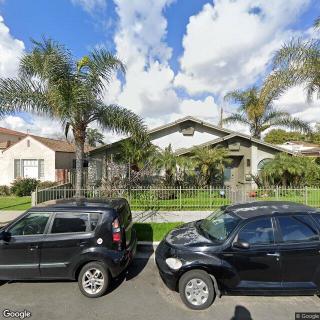




 22 Remarkable Caregiver Support Groups Available Online and In-Person
 Understanding Medicaid Coverage for Assisted Living: A Comprehensive Guide
 How and When Medicaid May Cover Assisted Living Costs