
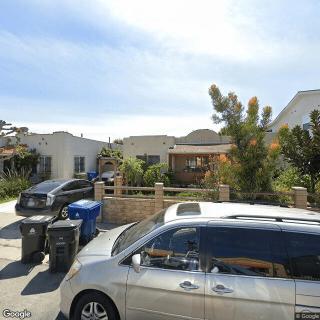
4317 West Country Club Boulevard, Los Angeles, CA 90019
For more information about senior living options: (866) 208-4318
Overall Review of Forever Young Again
Pros
 They are wonderful caregivers for mothers.
- They are loving, caring people.
- They are very personable, even amid the challenges of nursing older people.
- They even came to the mother’s funeral.
Cons
 The care of older people involves drama.
- There is drama associated with nursing older people.
- The review notes drama as a factor in elder care.
Review
Forever Young Again in Los Angeles is best suited for families seeking deeply personal, compassionate daily care for an elderly loved one who thrives on genuine relationships with their caregivers. The community’s core strength is the human connection: staff members who treat residents with warmth, go beyond the call of duty in moments of need, and show genuine investment in each person’s emotional well-being. This is a setting where caregivers know residents by name, celebrate small milestones, and create a sense of belonging that can make a daunting transition feel less isolating. The ideal resident is someone who does not require intensive clinical management but does want a constant, familiar presence from dedicated caregivers who view caregiving as a calling rather than a job.
That said, alternatives deserve serious consideration for families whose loved one requires stronger medical oversight, memory-care specialization, or a more predictable, less emotionally intense environment. The upside of Forever Young Again’s warmth can become a downside if care demand shifts toward complex medical needs or highly structured routines. With only two positive reviews available, the data set is narrowly scoped, making it essential to verify consistency, licensure, and the availability of licensed nursing support or on-call physicians. For families prioritizing high-tech monitoring, aggressive clinical protocols, or specialized dementia programming, there are facilities that may deliver more explicit medical infrastructure.
The strongest pros are unmistakable: exceptionally loving, personable staff who demonstrate a willingness to be emotionally present and deeply invested in residents’ lives. One reviewer noted that caregivers were wonderful at taking care of the mother, and another highlighted staff dedication by recounting that caregivers attended the mother’s funeral. This level of care translates into tangible benefits: residents experience steadier daily routines, more proactive attention to mood and social engagement, and quicker recognition of subtle changes because staff have sustained familiarity with each person. In practice, these advantages reduce family anxiety about leaving a loved one and can significantly lower the emotional burden of caregiving for anxious or grieving relatives.
Yet the limited data cannot be ignored. Two glowing reviews do not guarantee uniformity across shifts, seasons, or resident needs. The casual reference to “drama that comes with nursing older people” hints at social dynamics and the potential for interpersonal tension in a small team environment. That reality can affect consistency of care and the resident experience if not actively managed, especially in moments of staffing churn or high demand. Families should press for specifics on staff-to-resident ratios, turnover, and how care plans are developed and updated. If medical complexity, round-the-clock supervision, or tailored cognitive care is anticipated, this community should be weighed against facilities with clearer clinical track records and documented memory-care programs.
For families ready to move forward, a disciplined, value-driven decision process is essential. Plan a visit with a practical checklist focused on staff consistency, opportunities for meaningful engagement, and transparent pricing. Observe caregiver interactions with residents in real time, assess the rhythm of meals and activities, and request a written sample care plan to understand how personalized needs are met day-to-day. Inquire about emergency procedures, transportation options, and how family communication is handled, whether updates are timely, clear, and responsive. When a loved one prizes authentic relationships, a home-like atmosphere, and emotional warmth, Forever Young Again can be a profoundly good fit. If medical complexity or a more formal, medically oriented environment is non-negotiable, seek alternatives with stronger clinical infrastructures.
Ultimately, Forever Young Again should be viewed as a compelling option for families prioritizing compassionate, relationship-centered care. The standout attribute, the people, delivers real, measurable advantages in daily life, reducing isolation and fostering a sense of being truly cared for. The main caveat lies in the lack of publicly documented medical oversight and explicit memory-care capabilities, coupled with the inherent risks of staffing dynamics in a smaller operation. For decision-makers, the question is straightforward: prioritize a care culture built on devotion and personal connection, or tilt toward environments that emphasize clinical rigor and predictable medical management. When the emphasis is on emotional assurance and consistent, affectionate caregiving, Forever Young Again earns serious consideration as a top-choice community in Los Angeles.
 4 resident community capacity
 Assisted Living
 Cable or satellite TV
 Dining room
 Fully furnished
 Garden
 Housekeeping services
 Move-in coordination
 Outdoor space
 Telephone
 Wi-Fi/high-speed internet available
 Los Angeles International (9 miles away)
 24-hour supervision
 Activities of daily living assistance
 Assistance with bathing
 Assistance with dressing
 Assistance with transfers
 Diabetes diet
 Meal preparation and service
 Medication management
 Special dietary restrictions
 Transportation arrangement (medical)
 Transportation to doctors appointments



 Understanding the Distinctions: Assisted Living and Memory Care Explained
 Guiding Elderly Parents Who Refuse Assisted Living: 6 Practical Steps
 Your Comprehensive Guide to Luxury Assisted Living: Elevated Facilities, Amenities, and Costs