
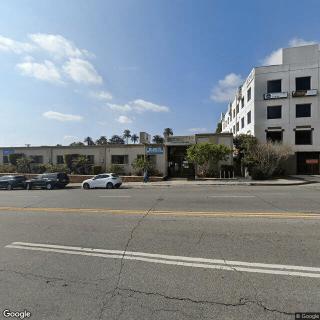
1032 South Windsor Boulevard, Los Angeles, CA 90019
For more information about senior living options: (866) 208-4318
Overall Review of Forever Young 32
Pros
 They are loving and caring.
- They are very personable, even amidst the drama that comes with nursing older people.
- They even attended the reviewer’s mother’s funeral.
Cons
 There is drama that comes with nursing older people.
- The review notes drama associated with nursing older people.
Review
Forever Young 32 in Los Angeles is best suited for families seeking a small, intimately led environment where caregivers know residents by name and treat them with genuine warmth. The standout attribute is the staff’s people-first approach: loving, caring, and personable. In practice, this translates into caregivers who are readily available for conversations, who remember personal histories, and who show up in meaningful moments beyond standard care, evidenced by their attendance at the resident’s funeral. For seniors who value consistent, empathetic interactions and a home-like feel over a showroom setting, Forever Young 32 delivers a compelling, lived-in sense of belonging.
Nevertheless, those weighing alternatives should consider the facility’s fit if medical oversight or structured programming tops the list of requirements. The lone review highlights warmth and personal touch but does not detail clinical staffing levels, transfer protocols, or specialized dementia support. For residents needing frequent skilled nursing, complex medication management, or rapid response to health changes, a provider with more formalized medical services may be preferable. Families who want a broad activity calendar or a formal continuum of care might gravitate toward a larger operation with clearly delineated medical and therapy offerings.
The strongest pro, the genuine devotion of the caregiving team, creates a relational safety net that can offset limited clinical depth. When staff treat residents as extended family, families gain confidence that concerns are heard and addressed with urgency. The ability to attend significant family moments, such as funerals, signals a depth of emotional support that reduces isolation for both residents and loved ones. This kind of relational strength often translates into steadier daily routines, better communication, and a sense of security that matters as much as, if not more than, technical metrics in choosing a home.
That said, the same intimate environment can magnify certain drawbacks. Close-knit settings sometimes experience interpersonal drama among residents or staff, which can spill into daily life and require proactive navigation by families. The facility’s small footprint may also limit access to a wider array of activities, therapies, or specialized programs that some seniors rely on for ongoing engagement and cognitive support. Because the review doesn’t spell out memory-care specifics or advanced clinical capabilities, families should verify whether the services offered align with current health needs and potential future changes.
Despite these concerns, the core strength, trustworthy, people-centered care, remains a powerful counterweight. For seniors who prize predictable routines, familiar faces, and a home-like atmosphere, Forever Young 32 offers the intangible benefits that often matter most: dignity, connection, and a sense of acceptance within a small, close community. The emotional resonance of staff presence during life events can cultivate a quiet resilience in residents and reduce family anxiety, creating a mutually reinforcing cycle of comfort and loyalty that is hard to find in larger, more impersonal campuses.
Ultimately, the decision hinges on balance. If warmth, personal attention, and a family-like environment top the priority list, Forever Young 32 warrants strong consideration and a hands-on visit. Prospective residents should assess staff continuity, daily routines, and the facility’s capacity to meet medical and memory-care needs through direct questions and in-person observations. If a resident requires robust medical programming, higher clinician-to-resident ratios, or a busier activity calendar, it remains prudent to explore other options that offer clearer clinical depth and a more expansive engagement schedule.
 6 resident community capacity
 Assisted Living
 Board and Care Home
 Cable or satellite TV
 Dining room
 Fully furnished
 Garden
 Housekeeping services
 Move-in coordination
 Outdoor space
 Telephone
 Wi-Fi/high-speed internet available
 Los Angeles International (9 miles away)
 24-hour supervision
 Activities of daily living assistance
 Assistance with bathing
 Assistance with dressing
 Assistance with transfers
 Diabetes diet
 Meal preparation and service
 Medication management
 Special dietary restrictions
 Transportation arrangement (medical)
 Transportation to doctors appointments


 Understanding Medicaid Coverage for Assisted Living: A Comprehensive Guide
 How and When Medicaid May Cover Assisted Living Costs
 A Detailed Exploration of Assisted Living Medicaid Waivers Across the United States