

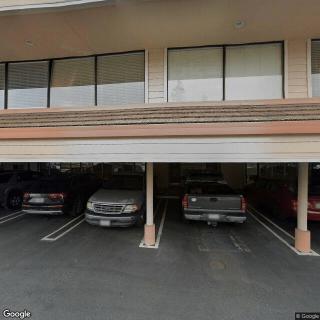
8100 Horseshoe Bar Road, Loomis, CA 95650
For more information about senior living options: (866) 208-4318
Gold Age Villa Costs & Pricing
Gold Age Villa offers competitive pricing for its accommodation options compared to both Placer County and the wider California market. For a semi-private room, Gold Age Villa charges $2,500 per month, significantly lower than the county average of $3,489 and the state average of $3,333. Similarly, its private rooms are priced at $3,000, which is more affordable than the county's rate of $4,026 and slightly below the state's average of $3,939. These cost advantages position Gold Age Villa as an appealing choice for individuals seeking quality care without straining their financial resources.
| Floor plans | Gold Age Villa | Placer County | California |
|---|---|---|---|
| Semi-Private | $2,500 | $3,489 | $3,333 |
| Private | $3,000 | $4,026 | $3,939 |
Assisted Living communities with a similar price nearby
-
About the same
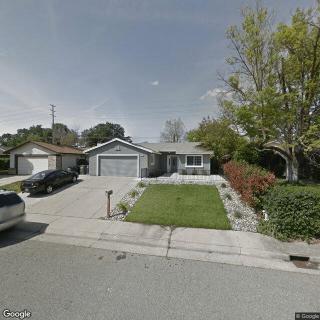
Sunrise Senior Care
$2,500 to $3,500 / month10.6 miles away -
About the same

Gina's Home Care
$2,500 / month14.7 miles away -
About the same
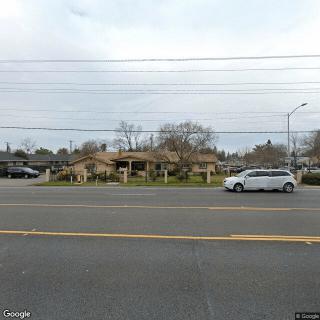
Eastern Manor
$2,500 to $3,000 / month17.8 miles away -
About the same
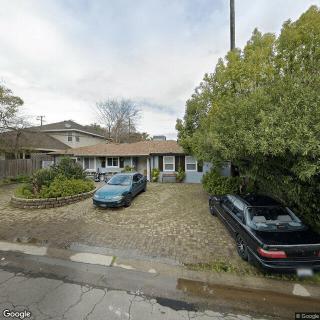
Hempstead Home
$2,500 to $6,930 / month20.3 miles away -
About the same

Eskaton Village Placerville
$2,464 to $4,678 / month20.8 miles away
Overall Review of Gold Age Villa
Pros
 Raisa and her husband are wonderful and caring, prioritizing residents and their families.
- The home is homey, clean, and modern, with a lovely back porch and a garden.
- The setting is small, with a maximum of six residents, making it feel non-institutional and personalized.
- The staff provide complete care in a charming, home-like setting.
- The owner genuinely cares for the residents, and questions or concerns are addressed quickly.
- Residents appear happy and well cared for under their care.
- The location offers a quiet rural environment while remaining close to town.
Cons
 Caregiving for an elderly person is difficult and complicated.
- English is not the first language for staff and management in this care home.
- They advise that nothing of value should be left with a family member.
- All clothing should be well marked to prevent loss.
- The staff seldom answers the house number.
Review
Gold Age Villa in Loomis, California is best suited for families who want a warm, home‑like setting for an elderly loved one and prioritize personalized attention over institutional scale. The home operates with a small, family‑style footprint, no more than six residents, delivering what feels like a private residence more than a care facility. Its rural, quiet location with a short drive to town offers a calm backdrop, while the house itself remains clean, modern, and comfortably lived in. For seniors who respond well to direct, hands‑on care from owners who treat residents as family, this setting can be a natural and reassuring fit.
The strongest selling points are the intimate environment and the people running it. Raisa and her husband have a long track record of attentive, hands‑on caregiving, and families repeatedly describe the care as genuinely dedicated and responsive. Residents enjoy a home atmosphere with simple, meaningful amenities, the sunny back porch, a welcoming garden, and spaces designed for relaxed socializing with visitors. Several families note measurable improvements in well‑being and mood after the move, and the contrast with larger facilities in terms of cost and atmosphere is clear: better quality care at a lower price point, delivered with a personal touch that makes families feel heard and respected.
Yet certain drawbacks warrant careful consideration. One reviewer points to language as a potential barrier, noting that English is not always the first language for staff and management. This can complicate care planning and day‑to‑day communication for families who rely on precise instructions or detailed questions. Practical logistics also surface as soft negatives: clothing should be clearly labeled, valuables should be kept to a minimum, and there are occasional concerns about responsiveness to routine requests, such as the need to reach the house number. These factors do not undermine the core quality of care, but they do require proactive, explicit communication and clear expectations to avoid frustration.
These pros can offset the cons when viewed through the right lens. The small size means each resident receives more direct oversight, quicker problem resolution, and day‑to‑day interactions that feel meaningful rather than transactional. The owners’ commitment, evident in their willingness to address questions promptly and to put residents’ and families’ priorities first, helps reduce risk around miscommunication and care Gaps. The cost advantage relative to larger, more corporate facilities also matters, particularly for families balancing budgets with ongoing care needs. In exchange for fewer on‑site specialists, the setting compensates with consistent, personalized attention and a stable, non‑institutional daily rhythm that many seniors find comforting.
Families considering this community should test practicalities before committing. Ask about the daily schedule, who administers medications, and how emergencies are handled outside of regular hours. Inquire about language preferences and whether a staff member who speaks the family’s language can participate in important care planning conversations. Confirm expectations around clothing and belongings, and evaluate whether a potential resident would thrive in a more free‑form, homey environment or would benefit from a facility with more formal processes and regular, structured activities. A visit during a typical day can reveal whether staff responsiveness and family communication meet the standards desired.
Bottom line: Gold Age Villa offers a compelling option for seniors who flourish in close‑knit, home‑like care with owners who view residents as family and who value warmth, accessibility, and a calm environment. It is an especially strong fit for families prioritizing individualized attention and cost efficiency without sacrificing the sense of security that comes from a dedicated, small team. However, for those needing robust, English‑dominant medical oversight, or for families seeking extensive activity programming and highly standardized communications, alternatives, such as larger assisted living communities or facilities with stronger language alignment, should be explored. A candid conversation with Raisa will illuminate whether this intimate setting aligns with the loved one’s medical needs, communication style, and daily preferences.
 6 resident community capacity
 Assisted Living
 Board and Care Home
 Cats allowed
 Dogs allowed
 Activities on-site
 Bath tubs
 Cable or satellite TV
 Dining room
 Fully furnished
 Garden
 Housekeeping services
 Indoor common areas
 Move-in coordination
 Outdoor common areas
 Private
 Private bathrooms
 Telephone
 Wheelchair accessible showers
 Wi-Fi/high-speed internet available
 Sacramento International (25 miles away)
 24-hour supervision
 Ambulatory care
 Assistance with bathing
 Assistance with dressing
 Assistance with transfers
 Diabetes diet
 High acuity care
 Incontinence care
 Meal preparation and service
 Medication management
 Special dietary restrictions
 Transportation arrangement (medical)
 Transportation to doctors appointments



 Exploring the Path to Senior Living: A Comprehensive Look at Independent Living and Assisted Living
 Is Assisted Living Deductible on Your Taxes? Understanding the Complexities of Assisted Living Expenses and Deductions
 Assisted Living Support for Veterans: A Complete and Detailed Overview