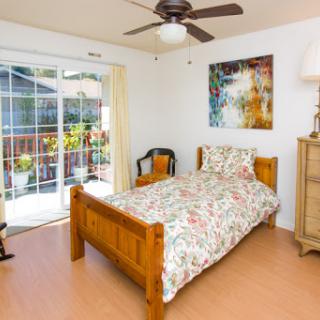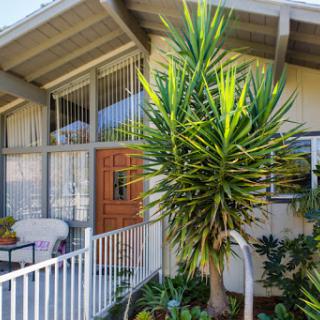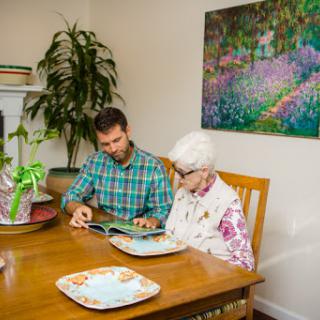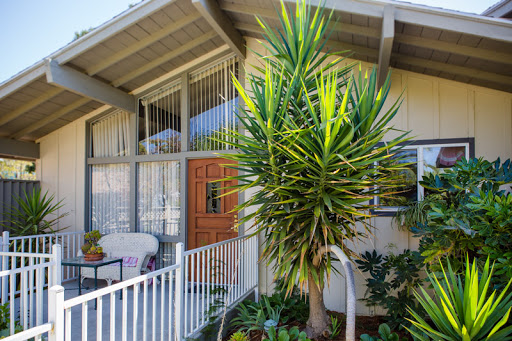
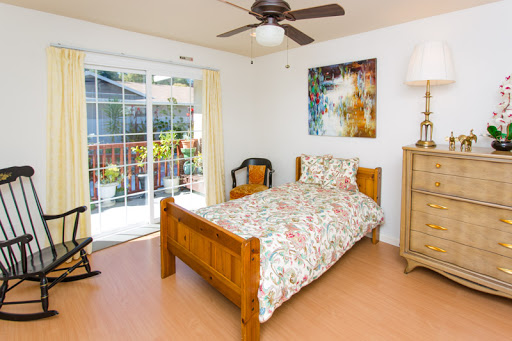
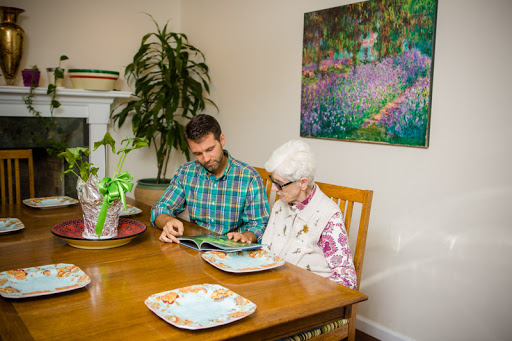


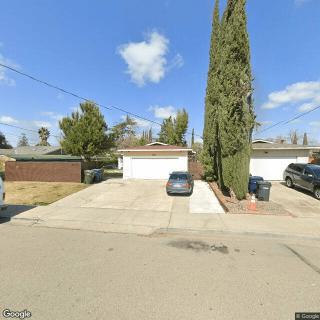
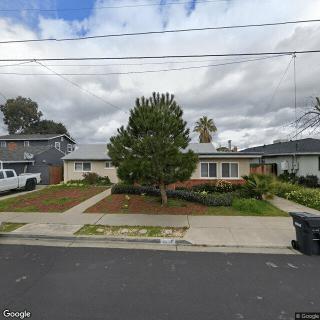
3234 East Avenue, Livermore, CA 94550
For more information about senior living options: (866) 208-4318
Sunrise Private Care Costs & Pricing
Sunrise Private Care offers a comprehensive range of care options that reflect its commitment to quality service, albeit at a higher cost compared to average rates in Stanislaus County and California as a whole. For a semi-private room, Sunrise charges $4,000 monthly, which is notably above the county's average of $3,241 and slightly higher than the state average of $3,333. Similarly, for a private room, the monthly fee stands at $5,000 - again exceeding both local and state averages of $3,754 and $3,939 respectively. These figures suggest that while Sunrise Private Care may be more expensive than other facilities in the region, it likely emphasizes an elevated level of personalized care and amenities that justify the investment for families seeking exceptional support for their loved ones.
| Floor plans | Sunrise Private Care | Stanislaus County | California |
|---|---|---|---|
| Semi-Private | $4,000 | $3,241 | $3,333 |
| Private | $5,000 | $3,754 | $3,939 |
Memory care communities with a similar price nearby
-
from +$600 / mo
Milan Villa Senior Living
$4,600 to $9,200 / month1.2 miles away -
from +$500 / mo
Lafayette Gardens
$4,500 to $5,000 / month24.3 miles away -
About the same
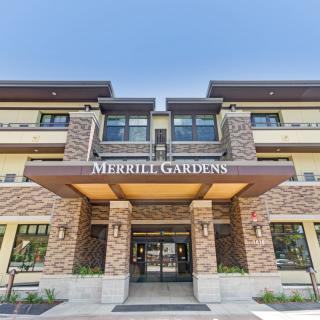
Merrill Gardens at Lafayette
$3,975 to $8,995 / month24.3 miles away -
from -$200 / mo
Stamm Care Home 3
$3,800 / month19.5 miles away -
from +$600 / mo

The Pavilion
$4,600 / month14.7 miles away
Overall Review of Sunrise Private Care
Pros
 The community is perfect for a family seeking staff and residents, and it offers Chinese cuisine.
- The people are excellent.
- Some staff are fluent in Chinese and Mandarin.
Review
Sunrise Private Care in Livermore is best suited for families that prize cultural compatibility and a warm, personable feel in daily care. This community is particularly attractive to households seeking staff who can communicate in Chinese or Mandarin and who want a resident community that reflects those language and cultural ties, including a menu featuring Chinese cuisine. The landscape suggested by the available observations points to a small, neighborly environment where residents and caregivers interact with familiarity, making it a compelling choice for seniors who value clear communication and a sense of belonging.
Those who may want alternatives include families prioritizing more expansive clinical resources or a broader array of care types. If the aim is robust skilled nursing, memory care, or a larger campus with a wider slate of medical partners and specialty services, a bigger operation might be a better fit. Additionally, if language diversity among staff beyond Chinese or Mandarin is important, or if the search criteria include a broader variety of therapeutic activities, transportation options, or budget constraints, exploring other communities could yield a closer match to those needs.
The strongest positives center on people, language access, and cuisine as anchors for daily life. The staff are described as excellent, a signal that day-to-day care, responsiveness, and interpersonal warmth are likely reliable. Language alignment reduces misunderstandings, enhances safety, and supports more proactive care planning for residents who prefer or require communication in Chinese. The presence of Chinese cuisine adds cultural resonance to meals, easing transitions for new residents and providing familiar comfort during family visits. Taken together, these elements create a trustworthy foundation for emotional well-being and routine stability.
What the reviews do not spell out are the practical realities of medical oversight, memory-care suitability, activity breadth, and cost structure. The small number of reports means there is limited visibility into how the community handles complex medical needs, if it offers specialized memory-support programming, or how transportation, outings, and recreational therapies are deployed. Without explicit information on pricing or the depth of clinical staffing, families must guard against assumptions and perform direct verification to determine whether Sunrise Private Care can sustain evolving care requirements as a loved one’s needs change.
That said, the core strengths can meaningfully offset certain common concerns for the right resident profile. A culture of excellent staff and a bilingual, culturally attuned environment can mitigate anxiety around daily care, helping residents feel understood and respected. The Chinese dining program is more than a convenience; it can anchor routines and support appetite and comfort, which matters in long-term living. For families who expect close-knit staff attention and a warm, familiar atmosphere, these advantages may surpass the downsides of a smaller operation or limited publicly available detail about medical services.
Ultimately, families evaluating Sunrise Private Care should approach with a practical checklist. Arrange a tour and observe how staff interact with residents, noting whether language needs are met in real-time and how meals are served and adapted to preferences. Clarify the level of medical oversight, the availability of 24/7 nursing coverage, and whether memory-care or assisted-living options align with the loved one’s current and near-future needs. Request a transparent cost breakdown and what is included versus add-ons. Compare this community against others that offer broader language support, more expansive activity programming, and more extensive healthcare partnerships. For households aligned with language comfort, cultural cuisine, and a warm, attentive staff, Sunrise Private Care stands out as a practical, confident choice, while others should ensure the fit stretches to all care and financial considerations before making a commitment.
 6 resident community capacity
 Assisted Living
 Board and Care Home
 Memory Care
 Activities on-site
 Cable or satellite TV
 Dining room
 Fully furnished
 Garden
 Housekeeping services
 Indoor common areas
 Move-in coordination
 Outdoor common areas
 Private
 Private bathrooms
 Respite or short term stays offered
 Telephone
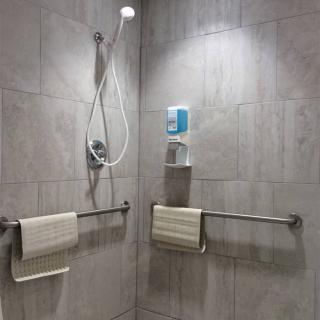
 Wheelchair accessible showers
 Wi-Fi/high-speed internet available
 San Jose International (24 miles away)
 24-hour supervision
 Assistance with bathing
 Assistance with dressing
 Assistance with transfers
 Diabetes diet
 Diabetic care
 High acuity care
 Incontinence care
 Meal preparation and service
 Medication management
 Special dietary restrictions
 Transportation arrangement (medical)
 Transportation to doctors appointments

 Exploring the Power of Reminiscence Therapy for Individuals With Dementia
 An In-Depth Look at Reminiscence Therapy in Dementia Care
 Dementia-Related Hallucinations: Causes, Experiences, and Practical Approaches