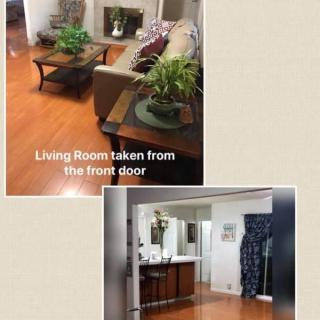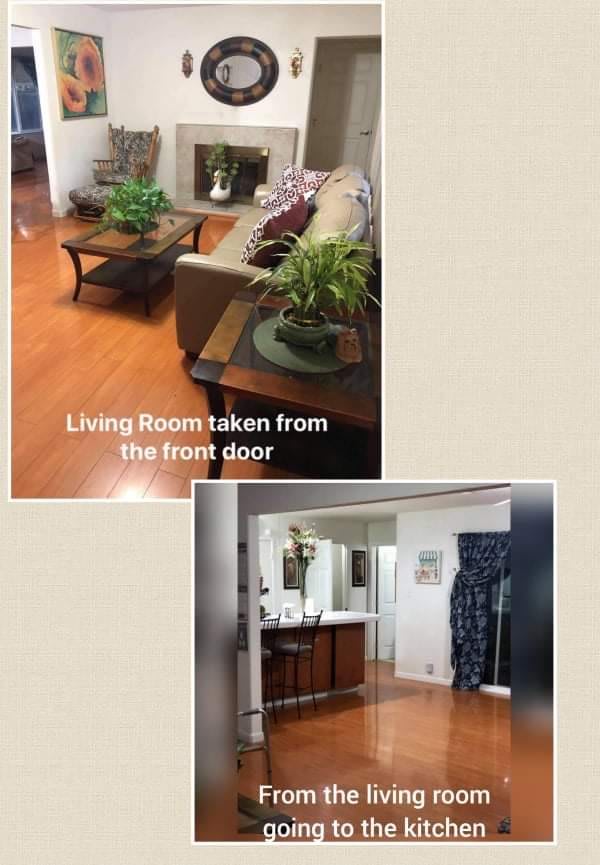
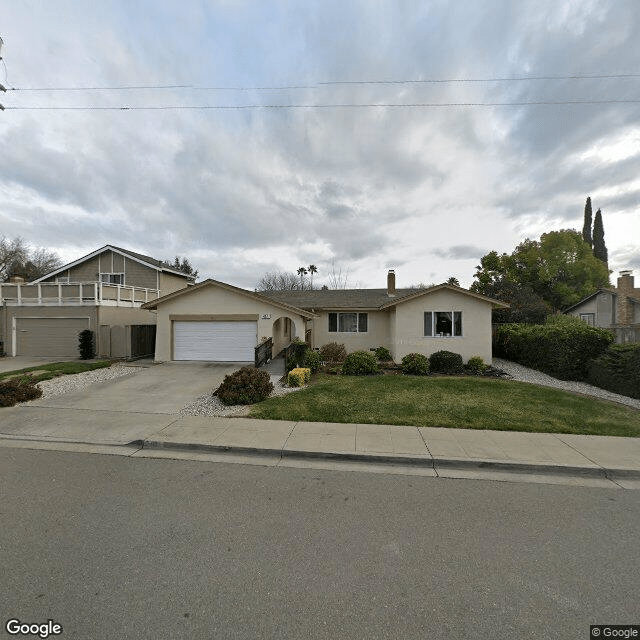
417 Jillana Ave, Livermore, CA 94550
To contact a resident: (209) 834-7598
For more information about senior living options: (866) 208-4318
Mama's Loving Care Home Costs & Pricing
Mama's Loving Care Home offers competitive pricing for its residents, with monthly costs that reflect both the quality of care provided and the regional market rates. For a semi-private room, residents can expect to pay $3,500, which is slightly higher than the average cost in Stanislaus County at $3,241 and the California state average of $3,333. In contrast, the private room option is priced at $5,000 per month, exceeding both local and state norms of $3,754 and $3,939 respectively. This pricing structure may indicate a commitment to personalized care and enhanced services that cater to individual needs within a supportive community environment.
| Floor plans | Mama's Loving Care Home | Stanislaus County | California |
|---|---|---|---|
| Semi-Private | $3,500 | $3,241 | $3,333 |
| Private | $5,000 | $3,754 | $3,939 |
Senior living communities with a similar price nearby
-
from -$500 / mo
Golden Harmony Elderly Care
$3,000 / month22.3 miles away -
from -$600 / mo
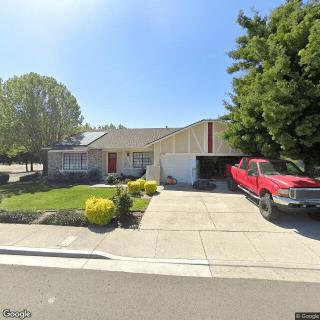
Parkside Manor
$2,900 to $3,600 / month7.8 miles away -
from -$500 / mo
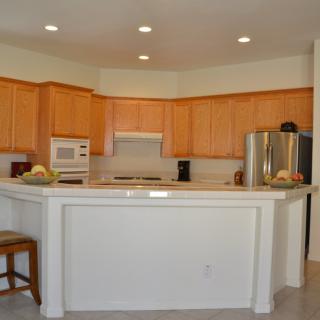
Laylor Care Home For The Elderly
$3,000 to $4,000 / month19.5 miles away -
About the same
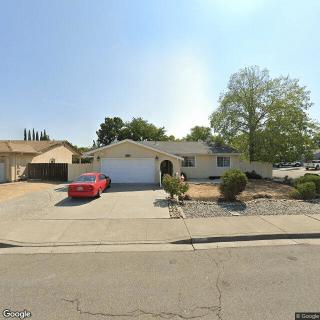
Gigi's Guest Home
$3,500 / month3.0 miles away -
from -$500 / mo

Palm Garden Home Care
$3,000 to $4,000 / month16.9 miles away
Overall Review of Mama's Loving Care Home
Pros
 A Home of Our Own was an incredible transition for her mom.
- The Director is great to work with, and the staff cares for and helps residents during their last years.
- Mom was there for several years and always had a smile on her face.
- They have delicious meals and take their guests out to the porch to enjoy the garden, fountain, and front yard.
- The place was always clean and cheerful.
- The great grandmother stays there and absolutely loves it.
- The ladies staying there are lovely and kind and get along very well.
- Visits are inclusive of families, making for enjoyable times during visits.
Cons
 Leaving a parent with strangers is one of the hardest things a person will do.
Review
This Livermore home is best suited for families seeking an intimate, home-like setting where an aging parent can receive attentive, compassionate care over the long haul. The environment is clearly designed around personal connection: a director who collaborates with families, staff who are described as caring and personable, and residents who appear relaxed and well-attended. It works particularly well for seniors who thrive with routine, daily meals that feel homelike, and a peaceful setting that allows visits to become a regular, meaningful part of life. For families prioritizing warmth, dignity, and steady human contact over clinical spectacle, this community stands out.
Those considering alternatives should note when care needs exceed what a small, family-style home can reliably provide. If the balance shifts toward high-acuity medical supervision, specialized memory-care programming, or a large, structured activity schedule with extensive on-site professional staff, a larger facility may be a better fit. Distance limitations that keep family involvement from being a daily norm, or a desire for more formalized care coordination and clinical oversight, are also legitimate reasons to explore other options. In short, this setting thrives on close relationships and personal attention, not on expansive clinical infrastructure.
The strongest positives are concrete and impactful. The director’s responsiveness and willingness to partner with families stand out, ensuring care plans feel tailored rather than generic. Staff care is repeatedly highlighted, translating into daily routines that emphasize safety, kindness, and a sense of belonging. The culinary experience is described as enjoyable, with meals that support appetites and mood, while outdoor time, porching with a garden fountain and front-yard space, provides gentle stimulation and opportunities for fresh air. Cleanliness and a cheerful atmosphere reinforce a dignified, reassuring home atmosphere that can ease transitions for residents who once faced institutional settings.
But there are trade-offs to consider. The most notable potential drawback is a reliance on smaller-scale resources, which can translate into limited on-site medical specialization and fewer formal, around-the-clock clinical services. A compact, home-like model often means fewer documented activities or programs with built-in staff coverage, and a greater expectation that families stay engaged to advocate and coordinate care. This is not a failing so much as a design choice: the value rests in personal attention and familiar faces, which may require more proactive involvement from relatives to round out the care plan.
Yet the strengths compensate for these trade-offs if a family can lean into them. The intimate setting makes residents feel known and respected, with caregivers who recognize individual preferences and routines. That continuity, where staff and residents form genuine relationships, reduces anxiety and disorientation that come with transitions, and it supports steady, daily oversight that might otherwise require a larger staff pool. Family involvement becomes a strength rather than a burden, turning advocacy into a collaborative element of care. In this arrangement, the obvious warmth, cleanliness, and homey touches materially enhance quality of life and emotional well-being.
For families weighing a decision, practical steps matter. Arrange multiple visits at different times to observe mealtime, quiet moments, and how staff interact with residents. Probe staffing patterns: who supervises at night, how quickly call lights are answered, and how care plans are updated in response to changing needs. Request a clear care plan that covers medications, transportation to appointments, and the handling of emergencies, along with a realistic sense of how much family involvement will be expected or beneficial. Accept that advocacy is part of the care model here, and assess whether the home’s philosophy aligns with the resident’s personality, medical needs, and the family’s capacity to participate. In the right match, this Livermore home delivers warmth, dignity, and steady companionship that can be the difference between merely aging and aging with grace.
 Board and Care Home
 Activities on-site
 Devotional services on-site
 Indoor common areas
 Outdoor common areas
 Private
 Private bathrooms
 Wheelchair accessible showers
 Wi-Fi/high-speed internet available
 San Jose International (24 miles away)
 Diabetic care
 High acuity care
 Medication management
 Gluten-free
 BBQs or picnics
 Forever fit
 Karaoke
 Live dance or theater performances
 Live musical performances
 Live well programs
 Trivia games
 Wii bowling


 Comprehensive Approaches for Arthritis: A Detailed Guide to Symptoms, Causes, and Care
 Comprehensive Insights and Practical Strategies to Help Older Adults Avoid Falls
 6 Crucial Ways an Elder Law Attorney Assists Families