
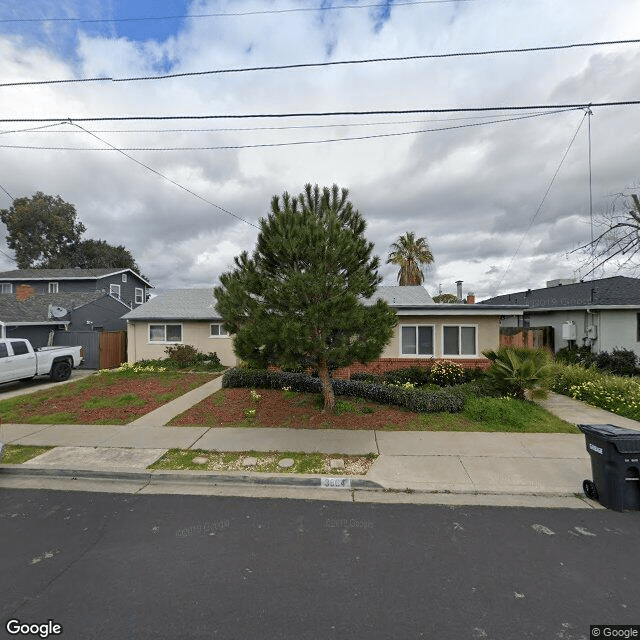
3864 Princeton Way, Livermore, CA 94550
For more information about senior living options: (866) 208-4318
Valleycrest Home Costs & Pricing
Valleycrest Home offers competitive pricing for its accommodations compared to both Stanislaus County and the broader California market. For instance, a one-bedroom unit at Valleycrest is priced at $2,900, significantly lower than the county average of $3,685 and the state average of $4,340. The semi-private room option also presents a value at $3,000, undercutting both local and state averages of $3,241 and $3,333 respectively. While private units are listed at $4,000 - slightly above the county's average but still within reach of the state's figure - the studio accommodation mirrors this price point. Overall, Valleycrest Home provides an attractive range of living arrangements that offer affordability without compromising on quality when compared to regional costs.
| Floor plans | Valleycrest Home | Stanislaus County | California |
|---|---|---|---|
| 1 Bedroom | $2,900 | $3,685 | $4,340 |
| Semi-Private | $3,000 | $3,241 | $3,333 |
| Private | $4,000 | $3,754 | $3,939 |
| Studio | $4,000 | $3,925 | $4,145 |
Memory care communities with a similar price nearby
-
from +$100 / mo
Laylor Care Home For The Elderly
$3,000 to $4,000 / month19.5 miles away -
from +$95 / mo
TreVista at Antioch
$2,995 to $5,995 / month21.0 miles away -
from +$100 / mo
Joy Senior Center
$3,000 to $3,800 / month19.7 miles away -
from -$400 / mo
Isherwood Care III
$2,500 to $3,500 / month14.9 miles away -
from +$395 / mo
Carlton Senior Living San Leandro
$3,295 to $5,995 / month22.4 miles away
Overall Review of Valleycrest Home
Pros
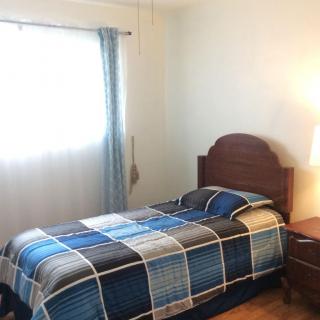
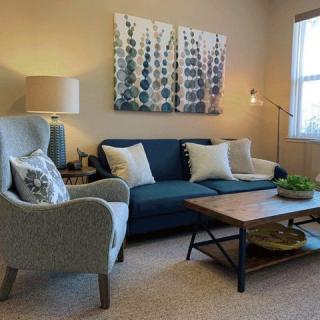
 The room was great and could be arranged to one’s taste.
- Everyone was very friendly and helpful.
- They made friends and enjoyed dining with them.
- They would readily recommend it for friendly intimate care.
- They are nice people.
Cons
 The house is not maintained.
Review
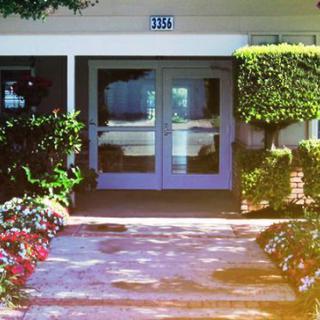
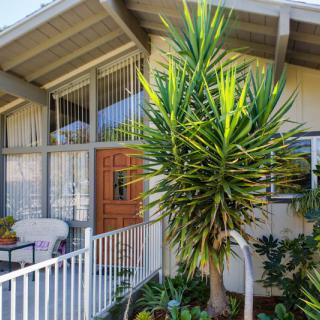
Valleycrest Home in Livermore is best suited for seniors who want a small, home-like setting where care feels personal, staff are approachable, and social life happens naturally. The key draw is a space that can be configured to feel like a resident’s own with more autonomy over their living area. The environment supports genuine social connection: residents mingle during meals, form friendships, and experience a level of intimate, attentive care that comes from a tight-knit staff. This isn’t a polished, impersonal campus; it’s a place where warmth and neighborliness can translate into daily comfort and a sense of belonging.
Those who should consider alternatives are residents who demand pristine upkeep as a baseline expectation or who require a more formalized, institution-like atmosphere. A cited drawback, “house not maintained”, signals real concerns about housekeeping standards and upkeep that may not meet everyone’s expectations. For families seeking robust clinical oversight, expansive programming, or a larger, more comprehensive continuum of care, other communities in the area will likely deliver more predictable maintenance schedules, stricter housekeeping, and a broader range of services. In short, if meticulous upkeep or extensive medical support are non-negotiable, explore other options.
The strongest positives at Valleycrest offset the potential downsides in meaningful ways. The staff comes across as friendly and helpful, contributing to an environment where residents feel seen and supported. The ability to tailor rooms to taste fosters a sense of ownership and dignity, an important factor for autonomy in later life. Dining alongside peers reinforces social engagement and reduces isolation, turning everyday meals into opportunities for connection. For someone prioritizing intimate, person-centered care within a small community, these elements create a compelling value proposition that can surpass occasional maintenance hiccups.
Care quality and the social fabric are central to Valleycrest’s appeal. The notion of “intimate care” implies attentive help with daily needs in a setting that preserves personal dignity and independence. The friendly tone of the staff helps residents settle in, build routines, and form friendships that enrich daily life. However, the maintenance caveat, if left unaddressed, can undermine the comfort and reliability that come with personalized attention. Visitors should weigh the strength of interpersonal care against the likelihood of occasional upkeep challenges, especially for those who spend extended periods in residence.
For families evaluating options, approach Valleycrest with practical benchmarks. During a visit, probe housekeeping cadence, cleanliness of common areas, and how quickly maintenance requests are resolved. Ask to hear from current residents about response times and whether issues are addressed proactively. Clarify what “arranging the room to taste” covers, decor, layout, and safety features, and confirm what customization costs or constraints exist. Compare the dining experience and social calendar with peers at other communities, and assess budget implications, including what is included in monthly fees and what might incur extra charges.
The bottom line is straightforward: Valleycrest Home offers a pragmatic, people-centered option for Livermore families who value warmth, personalized care, and social engagement in a compact setting. It works best as a short- to mid-term home for seniors who prize intimate attention and the chance to form meaningful connections with peers and staff. Those who require spotless upkeep, formal programming, or a broader medical continuum should consider alternatives with stronger maintenance records and more extensive care offerings. A guided tour, direct conversations with staff, and a short-term stay if possible will reveal how well this community aligns with the resident’s priorities and the family’s expectations.
 6 resident community capacity
 Assisted Living
 Board and Care Home
 Memory Care
 Respite Care
 Activities on-site
 Cable or satellite TV
 Dining room
 Fully furnished
 Garden
 Housekeeping services
 Indoor common areas
 Move-in coordination
 Outdoor common areas
 Private
 Telephone
 Wheelchair accessible showers
 Wi-Fi/high-speed internet available
 San Jose International (24 miles away)
 24-hour supervision
 Assistance with bathing
 Assistance with dressing
 Assistance with transfers
 Diabetes diet
 Incontinence care
 Meal preparation and service
 Medication management
 Special dietary restrictions
 Transportation arrangement (medical)
 Transportation to doctors appointments

 Illuminating Insights About Alzheimer's Disease: Ten Crucial Realities
 A Thorough Discussion of Medications Potentially Linked to Dementia Risk
 Why Do Dementia Patients Sleep So Much? Understanding Oversleeping, Stages, and Care Approaches