
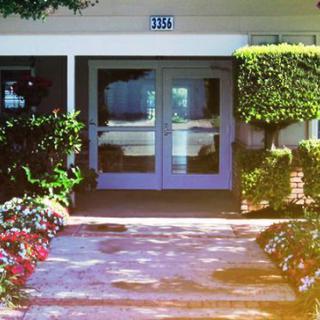
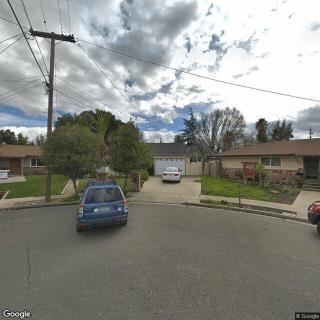
3536 Murphy Street, Livermore, CA 94550
For more information about senior living options: (866) 208-4318
Overall Review of Easy Living Care Home
Pros
 Emily G. with Easy Living Care Home has turned many families' lives around.
- Emily G. and her team guide families through tough care decisions, making them easier.
- Emily G. has connected families to a caregiver support group to learn about the disease.
- Social workers highly recommend Emily G.'s facility, and their endorsements are well-founded.
- Emily G. and her staff are praised for taking excellent care, earning lasting gratitude from families.
- The facility provides attentive care and customized daily meals that families value highly.
Cons
 It was extremely hard for the daughter to make decisions for her mom with Alzheimer's.
- Finding the best care can be emotionally and mentally draining.
- They ultimately decided to move their mom back to a Nursing Home after ten months at the facility.
- Their mom missed the attention from the caretakers and the customized daily home cooked meals.
Review
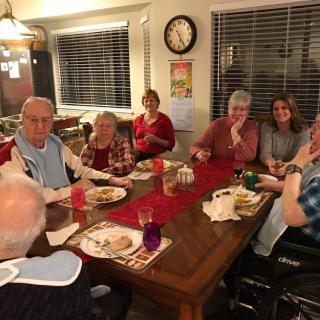
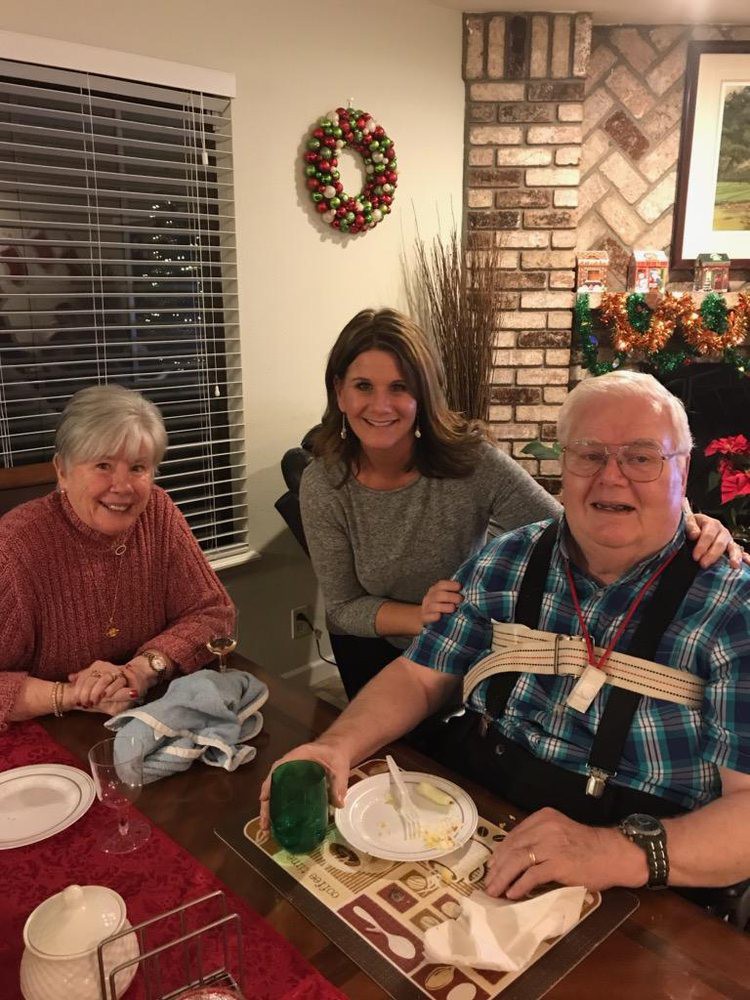
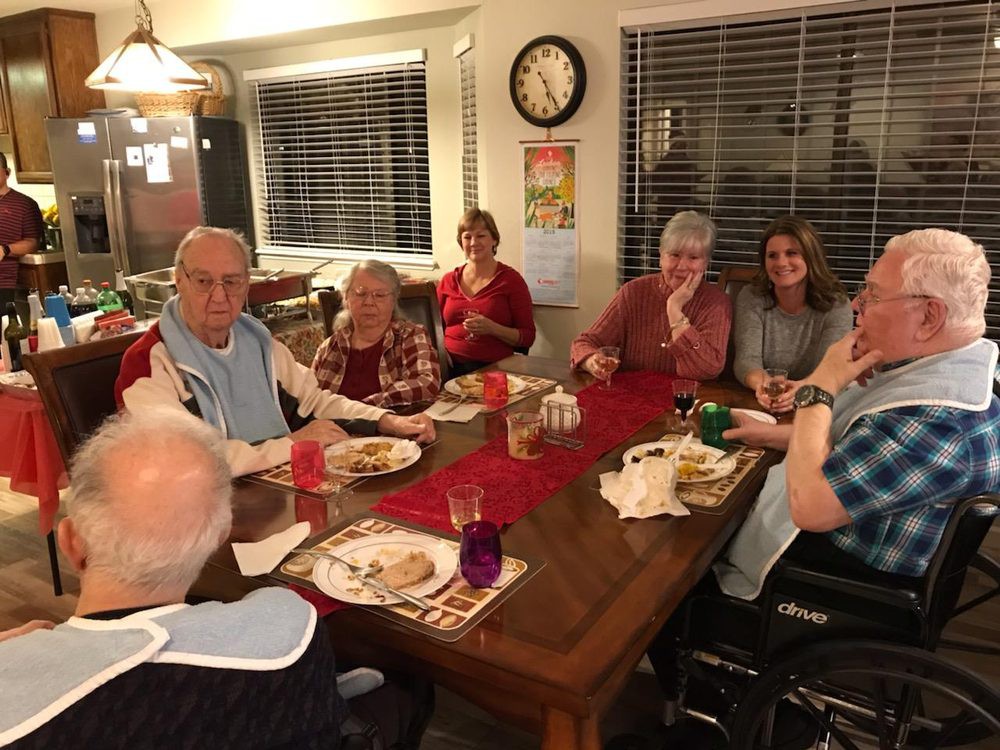
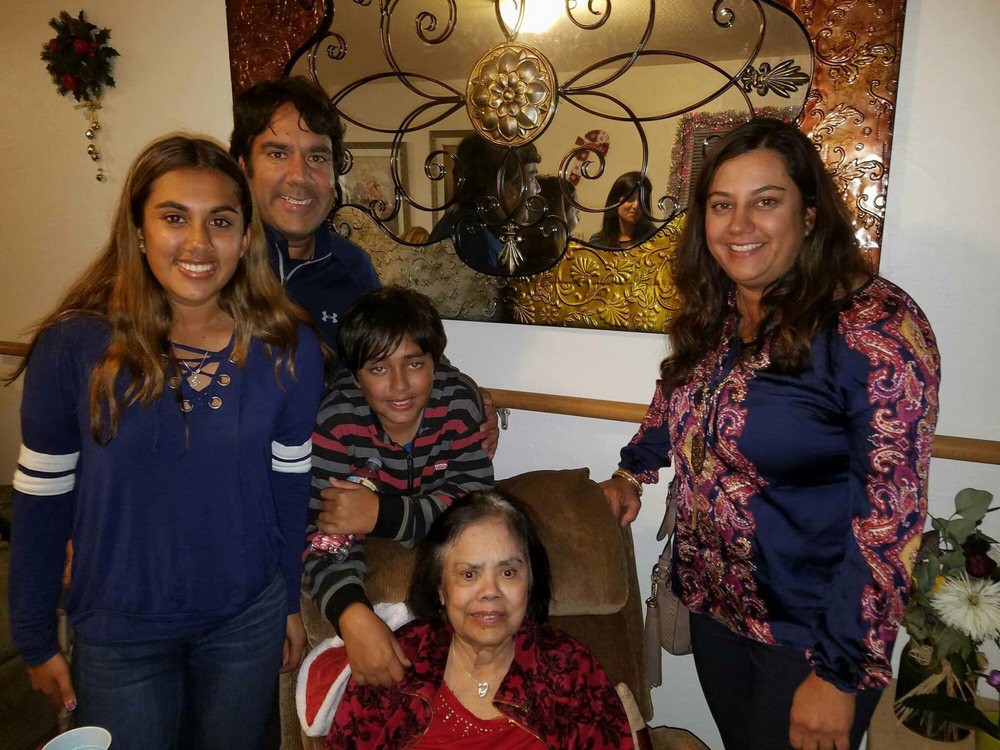
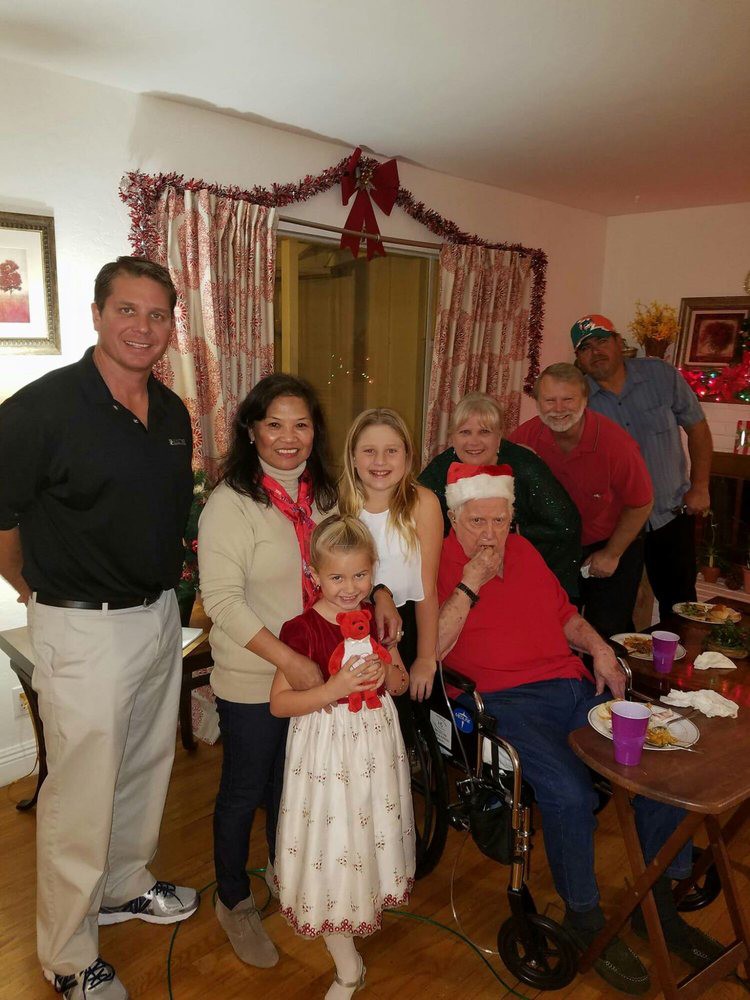
Easy Living Care Home in Livermore is best suited for families seeking a small, home-like setting where personalized, attentive care for a loved one with memory impairment can feel like a real partnership. The community shines when families want hands-on, relationship-driven support from a consistent local team, led by caregivers who treat residents as individuals rather than numbers. It is especially effective for Alzheimer’s care where the emphasis is on daily routines, meaningful engagement, and warmth over institutional formality. The model works best for those who want to delay or avoid the move into a larger skilled nursing facility while still ensuring frequent, reassuring contact with staff who know the resident’s preferences, history, and goals.
But this is not the place for families pursuing high-acuity medical supervision or a large, medically intensive campus. Alternatives should be considered when there is a pressing need for robust 24/7 clinical oversight, secure dementia units with extensive monitoring, or a broad menu of on-site therapeutic services that require substantial staffing and equipment. For residents whose care needs evolve toward complex wound care, complicated medications, or frequent high-risk medical interventions, a larger facility with dedicated nursing resources may be more appropriate. The same applies if a family requires a more structured, programmatic activities calendar driven by formal memory-care protocols beyond what a small home-style setting typically provides.
The strongest pro, consistency and compassion, directly offsets the most common concern families face when choosing smaller care homes. Emily G. and the accompanying team cultivate a sense of continuity that translates into fewer caregiver turnovers, deeper familiarity with each resident’s routine, and a level of attentiveness that families can feel in real time. Families point to personalized daily meals, customized care approaches, and a culture of listening as the core value proposition. Social workers and caregiver-support networks already endorse the facility, which underscores a practical benefit: families receive guidance and validation as they navigate the emotional terrain of dementia care, rather than facing it in isolation. In short, the human-centered approach lowers anxiety and often improves day-to-day quality of life for residents.
Yet it is important to acknowledge the reality highlighted by families: a limited capacity and a looming question about what happens if care needs escalate. One family’s experience, residing there for nearly a year before transitioning to a Nursing Home, then choosing to return as needs shifted, signals that Easy Living Care Home excels at steady, moderate levels of memory-care support, but may rely on external transitions if and when higher-acuity care becomes indispensable. The juxtaposition is telling: the same environment that provides home-like attention and customized meals can, at times, be outpaced by clinical demands that require more intensive medical staffing. The waiting list for admission also emphasizes demand and the need for early planning by families who value this model.
For families weighing options, the decision hinges on the desired balance between intimate, person-centered living and the certainty of robust clinical coverage. If the goal is to preserve autonomy, preserve a familiar routine, and keep a loved one in a setting where staff allocates real time to conversation, memory stimulation, and home-cooked meals, Easy Living Care Home offers a compelling fit. If, however, the priority is guaranteed high-level medical oversight, a secure, high-capacity environment, or rapid escalation to 24/7 nursing services, a larger memory-care community or nearby skilled facility may be more appropriate, and worth pursuing early to avoid transitions down the line.
Ultimately, families should arrange a direct visit, speak with Emily G., and tour the dining areas, living spaces, and any secure-egress considerations that matter to the resident. Ask about capacity, wait times, and what specific supports are available for memory-care milestones, wandering safety, and daily supervision. Clarify how care plans are updated, who coordinates with physicians and social workers, and what happens if medical needs intensify. For many families, the conclusion is clear: Easy Living Care Home is the best fit when the priority is a compassionate, personalized home environment with a dedicated team, and when there is willingness to course-correct to a higher level of care if and when the clinical needs dictate.
 6 resident community capacity
 Assisted Living
 Board and Care Home
 Respite Care
 Cable or satellite TV
 Dining room
 Financial aid
 Fully furnished
 Garden
 Housekeeping services
 Move-in coordination
 Outdoor space
 Telephone
 Wi-Fi/high-speed internet available
 San Jose International (25 miles away)
 24-hour supervision
 Activities of daily living assistance
 Assistance with bathing
 Assistance with dressing
 Assistance with transfers
 Diabetes diet
 Hospice care
 Meal preparation and service
 Medication management
 Physical therapy
 Special dietary restrictions
 Transportation arrangement (medical)
 Transportation to doctors appointments
 Walking wheelchair assistance
 Fitness programs
 English





 8 Key Indicators That Suggest It May Be Time to Transition from Assisted Living to Skilled Nursing Care
 Vibrant Senior Living: A Comprehensive Guide for Active Older Adults
 When to Transition from Assisted Living to Memory Care: Key Indicators, Steps, and Finding the Right Community