For more information about senior living options: (866) 208-4318
3.2 from 102 reviews
5 stars
52
4 stars
3
3 stars
4
2 stars
3
1 stars
40
Overall Review of Acti-Kare of Tracy, CA
common2 reviews mention this
Notary help gets specific praise
Residents-to-be describe helpful notary support from staff who take the time to explain steps.
Some reviews specifically mention notary services and note staff stayed patient while working through paperwork. One reviewer describes being helped without an appointment, and another highlights support connected to notary work alongside other services like printing.
common2 reviews mention this
Helpfulness and patience stand out
Several reviews say staff are patient, polite, and willing to guide customers through returns and printing.
A recurring theme is that staff keep things moving while answering questions. Two reviews emphasize patience and calm support during return or document-related errands, including walking people through what to do.
common2 reviews mention this
Service speed and efficiency come up
Reviews frequently mention fast, efficient service that reduces waiting during common tasks.
A couple of reviewers describe quick turnaround and efficiency, including getting in and out in a short time. Others specifically call out speed during busy or time-sensitive moments.
caveat2 reviews mention this
Fees and extra charges are a caveat
Some reviews criticize added charges for packaging or small items during return drop-offs.
At least a few reviewers describe being charged for things they expected to be handled without extra cost, such as packaging for returns. Other comments also call out surprise fees tied to completing the process in-store.
How we summarize
Counts show how many written reviews mention each theme; a review can touch several themes, and only frequently mentioned themes are displayed.
Features
Transportation
Modesto City-County-Harry Sham (23 miles away)
Nearby Places of Interest
Cafes
Starbucks (0.4 miles)
Starbucks (3.2 miles)
Dutch Bros Coffee (3.3 miles)
Starbucks (5.4 miles)
Starbucks (8.9 miles)
Dutch Bros Coffee (9.4 miles)
Pharmacies
Walgreens (0.6 miles)
Kaiser Permanente Pharmacy (2.7 miles)
CVS Pharmacy (2.9 miles)
Save Mart Supermarkets (2.9 miles)
Rite Aid (3.1 miles)
Walgreens (3.8 miles)
Longs Drugs (3.9 miles)
Restaurants
Jack In The Box (0.6 miles)
In-N-Out Burger (0.8 miles)
Ghirardelli Chocolate Outlet and Ice Cream Shop (2 miles)
The Boathouse At River Islands (2.6 miles)
Barnwood (2.6 miles)
McDonald's (2.9 miles)
Chili's Grill & Bar (2.9 miles)
Hospitals
Kaiser Permanente - Emergency Room (2.6 miles)
San Joaquin County Alcohol Services (4.7 miles)
San Joaquin County Hospital (4.7 miles)
Doctors Hospital Of Manteca (5 miles)
5th Street Medical Clinic (7.9 miles)
Port City Health (9.5 miles)
Sutter Tracy Community Hospital Lab (9.6 miles)
Physicians
Kaiser Permanente Manteca Medical Offices (2.7 miles)
Ciccarelli Rudy R DDS (2.9 miles)
Tate Diagnostics (3.2 miles)
Dr Florinda Mallorca MD (3.3 miles)
Employee Health Services (4.7 miles)
Healthy Beginnings (4.7 miles)
San Joaquin General Hospital (4.7 miles)
Places of Worship
Sequoia Heights Baptist Church (3.5 miles)
Greater New Hope Deliverance Church Of God In Christ (7.4 miles)
Senior move management provides specialized support for older adults relocating by assisting with logistics, emotional challenges, and downsizing decisions to ensure a smooth transition to new living environments. These services address the unique needs of seniors and have become increasingly important as baby boomers retire and seek to downsize.
Weight training is vital for seniors to maintain muscle mass, bone density, and overall health, combating age-related declines through customized resistance exercises that enhance balance and well-being. Safe routines should start with realistic goals and proper form, while emphasizing gradual progress and consultations with healthcare providers to ensure safety and effectiveness.
The Sandwich Generation comprises adults managing the dual responsibilities of caring for aging parents and raising children, leading to significant emotional, logistical, and financial challenges. This situation is exacerbated by longer life expectancies and cultural expectations, necessitating effective coping strategies and support resources to alleviate caregiver stress and burnout.
Get PricingAsk A QuestionSchedule A TourContact Senior Advisor
By clicking submit, you agree to our Partner's Terms of Use. You
also consent to receive calls and texts, which may be autodialed, from our Partner. Your consent is not a condition to
using our Partner's service. Please visit our Partner's Privacy Policy for information about their privacy practices.

 Modesto City-County-Harry Sham (23 miles away)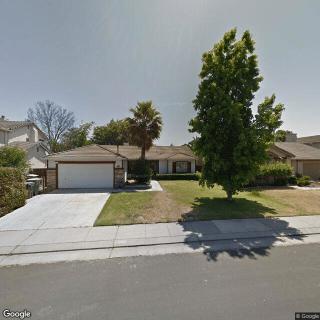
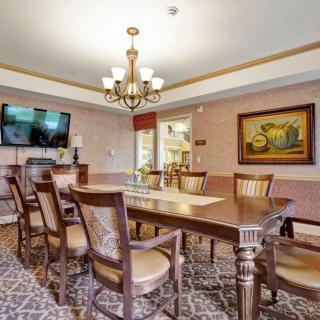
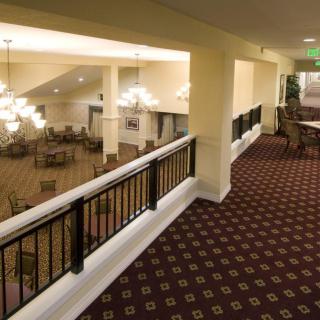
 Caring staff with good meals and a clean, activity-oriented environment.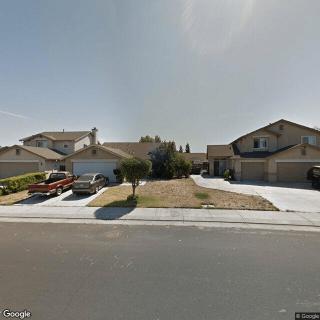


 Senior Move Management: Understanding the Role, Value, and Associated Costs
 Weight Training for Seniors: Building Strength and Vitality
 Understanding the Sandwich Generation: Stress and Responsibilities for Multigenerational Caregivers