
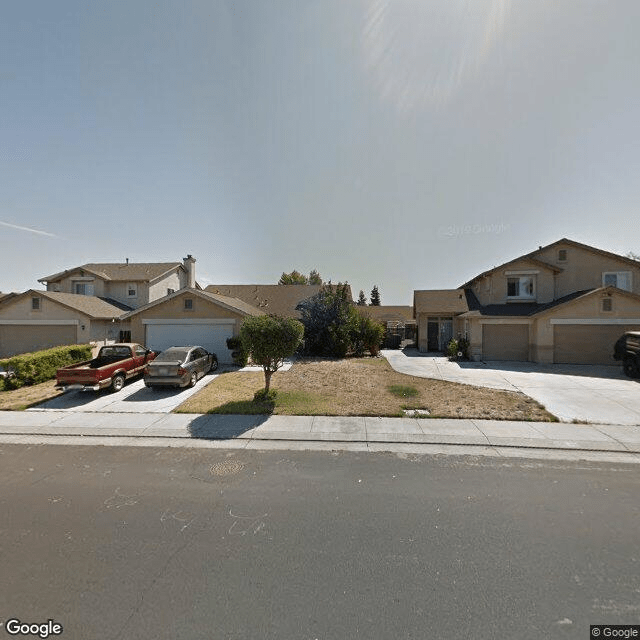
13754 Jasper Street, Lathrop, CA 95330
For more information about senior living options: (866) 208-4318
Johanan Care Home Costs & Pricing
At Johanan Care Home, the monthly costs for accommodations reflect a commitment to quality care and personalized services, with semi-private rooms priced at $3,500 and private rooms available for $5,000. When compared to the broader landscape of San Joaquin County, where semi-private rooms average around $3,074 and private options are approximately $3,364, Johanan's rates are notably higher. This trend continues on the state level in California, where semi-private room costs hit an average of $3,333 and private rooms stand at about $3,939. While Johanan Care Home's prices exceed those of both San Joaquin County and California averages, they may encompass additional amenities or levels of personalized attention that can justify the investment for families seeking superior care for their loved ones.
| Floor plans | Johanan Care Home | San Joaquin County | California |
|---|---|---|---|
| Semi-Private | $3,500 | $3,074 | $3,333 |
| Private | $5,000 | $3,364 | $3,939 |
Memory care communities with a similar price nearby
-
from +$605 / mo
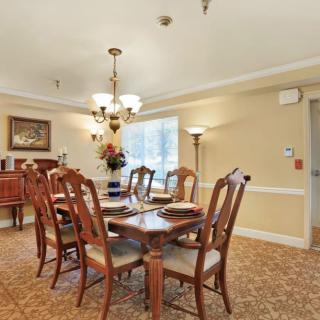
The Commons On Thornton
$4,105 to $7,000 / month15.7 miles away -
from +$200 / mo
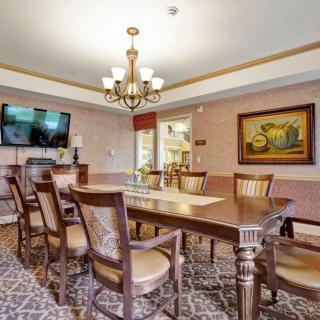
The Commons at Union Ranch
$3,700 to $5,700 / month2.4 miles away -
from -$500 / mo
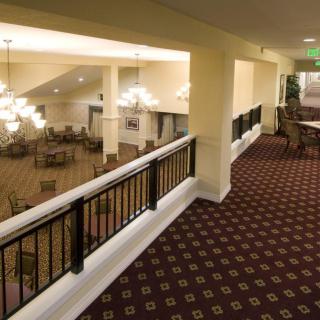
Prestige Assisted Living at Manteca
$3,000 to $4,745 / month5.0 miles away -
from -$300 / mo

Stratford at Beyer Park
$3,200 to $4,595 / month19.6 miles away -
About the same
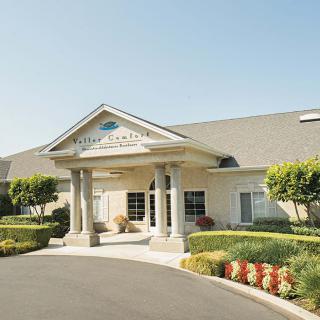
Valley Comfort Assisted Living
$3,600 to $4,500 / month16.7 miles away
Overall Review of Johanan Care Home
Pros
 The family-run care home provides attentive, personalized care.
- It offers home-cooked meals.
- The facility is very clean.
- The staff ensures residents' needs are taken care of.
- The mom has been there for over a year.
Review
Johanan Care Home in Lathrop is best suited for seniors who want a small, family-run environment where care feels personal, meals come from the kitchen, and cleanliness is evident in every corner. The setting appeals to families that value daily attentiveness in a homelike atmosphere rather than a large, impersonal campus. A key takeaway is the perceived continuity of care; a mom has remained there for over a year, which speaks to stable staffing and dependable routines. For families prioritizing warmth, individualized meals, and a quiet, respectful pace, this community presents a compelling fit.
Those who may want to consider alternatives include residents with higher medical needs or specialized programming. If a senior requires robust on-site nursing supervision, frequent clinical oversight, or dementia-specific care with structured memory programs, a larger facility with formal medical partnerships could be more suitable. Additionally, families seeking broad activity calendars, extensive transportation options, or a wide array of on-site amenities might find a smaller, family-run home less aligned with those expectations. In short, this option excels in personalization but may not match the clinical depth or breadth of services found in bigger communities.
The standout pros center on a home-cooked approach to meals, meticulous cleanliness, and a steady, hands-on care philosophy. Home-style cooking tends to translate into predictable daily routines and comfort, while a spotless environment reduces stress around cleanliness and safety. The reviewer emphasizes that the staff consistently ensures the mom’s needs are being met, a signal of reliable caregiver engagement and a culture of responsiveness. Long-tenured placement further reinforces the merit of consistent staff, predictable routines, and an established care dynamic that tends to minimize the disorienting changes that disrupt some seniors.
Recognized limitations accompany the strength of the positives. Small, family-run homes often operate with leaner clinical resources and fewer formal care pathways than larger facilities. While the personal attention is a clear asset, the absence of visible, round-the-clock medical specialists or a wide spectrum of therapy options may constrain residents with complex medical or rehabilitation requirements. Activities and social programming may be more intimate but less expansive than in bigger communities. Transportation offerings and scope of on-site amenities could also be more limited. These factors are relevant when comparing options for someone who wants a broad, institutional support network.
Yet, the core advantages can offset many potential drawbacks for the right resident. When safety, cleanliness, and customized daily care drive the decision, the family-run model can deliver consistency that stabilizes routines and reduces anxiety. The comfort of home-cooked meals and a familiar environment can support appetite, mood, and overall well-being, critical factors for sustained quality of life. The long-tenured staff helps families feel confident about who is supervising daily needs, which matters deeply for seniors who prefer known caregivers over rotating teams. In cases where medical complexity remains moderate and independence is a priority, the balance of warmth and attentiveness often outweighs the absence of expansive clinical services.
Bottom line: Johanan Care Home stands out for families seeking a warm, intimate setting where meals are crafted on-site, cleanliness is uncompromising, and staff demonstrate steady, attentive care over time. It is a strong fit for seniors who thrive on personal attention, predictable routines, and a home-like ambiance. For those whose elder requires advanced medical support, dementia-specific programming, or a wide-reaching activity and transportation network, exploring alternatives with more robust clinical resources is prudent. The decision hinges on balancing the value placed on intimate, consistent care against the need for broader clinical capabilities and programmatic breadth.
 6 resident community capacity
 Assisted Living
 Board and Care Home
 Memory Care
 Cable or satellite TV
 Dining room
 Fully furnished
 Garden
 Housekeeping services
 Move-in coordination
 Outdoor space
 Private
 Telephone
 Wi-Fi/high-speed internet available
 Modesto City-County-Harry Sham (23 miles away)
 24-hour supervision
 Activities of daily living assistance
 Assistance with bathing
 Assistance with dressing
 Assistance with transfers
 Diabetes diet
 Meal preparation and service
 Medication management
 Special dietary restrictions
 Transportation arrangement (medical)
 Transportation to doctors appointments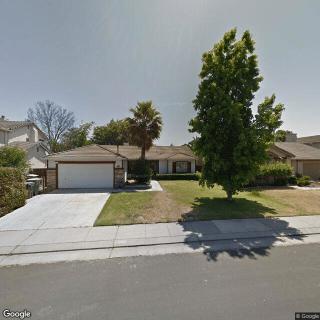


 Dementia, Paranoia, and Caregiver Guidance: Understanding the Connection
 Engaging Memory Care Activities That Enhance Quality of Life
 When to Transition from Assisted Living to Memory Care: Key Indicators, Steps, and Finding the Right Community