
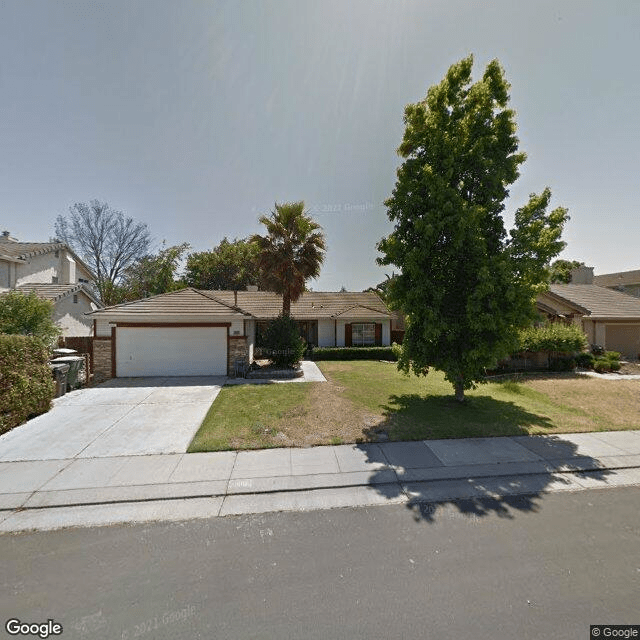
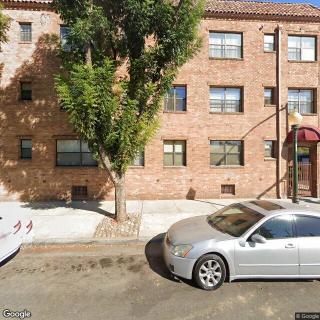
14110 Jasper Street, Lathrop, CA 95330
For more information about senior living options: (866) 208-4318
Home Sweet Home For The Elderly Costs & Pricing
Home Sweet Home For The Elderly offers competitive pricing within the context of both San Joaquin County and the broader California market. The facility charges $2,500 for a semi-private room, significantly lower than the county's average of $3,074 and the state's median of $3,333. For those seeking more privacy, a one-bedroom unit is available at $3,000, again undercutting both county and state averages of $3,551 and $4,340 respectively. Private rooms at Home Sweet Home are priced at $3,500, which is slightly above San Joaquin's average of $3,364 but remains more affordable compared to California's overall average of $3,939. This positioning makes Home Sweet Home For The Elderly an attractive option for families seeking quality care while being mindful of budget considerations.
| Floor plans | Home Sweet Home For The Elderly | San Joaquin County | California |
|---|---|---|---|
| Semi-Private | $2,500 | $3,074 | $3,333 |
| 1 Bedroom | $3,000 | $3,551 | $4,340 |
| Private | $3,500 | $3,364 | $3,939 |
Memory care communities with a similar price nearby
-
About the same
Stetson Court Living
$2,500 / month5.8 miles away -
About the same
Beta Care Home
$2,500 to $4,000 / month16.4 miles away -
from -$301 / mo
Paradise Residential Care Home in Mountain House
$2,199 to $3,199 / month14.8 miles away -
About the same
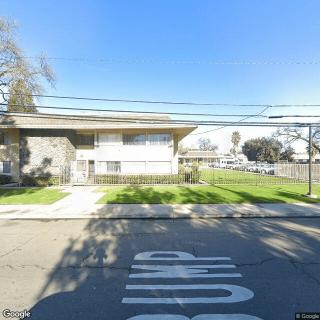
Stacie's Chalet - Stockton
$2,500 to $3,795 / month10.6 miles away -
About the same
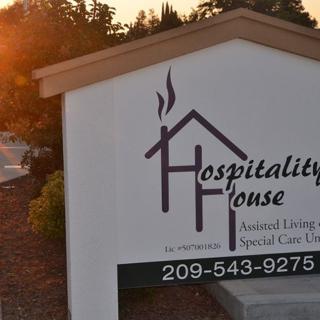
Hospitality House
$2,500 to $4,200 / month13.2 miles away
Overall Review of Home Sweet Home For The Elderly
Pros
 The staff are caring to residents' needs.
- The meals are well liked by residents.
- Residents are involved in activities.
- The community is very clean.
- People would recommend the community for great care.
- The home offers daily activity time for residents.
- Residents are welcomed and included when moving in.
- The food is well prepared.
- Meals are served at the same time every day.
- The owner and staff are attentive and caring.
- Residents seem content and happy in their new home.
Cons
 The rooms were very small and there was not enough privacy.
- It was not what they were looking for.
- They were disappointed by how the staff reacted to their mother's memory loss.
- They had to move her out of the community because of the lack of care for dementia patients.
- People looked decidedly unhappy.
- Carpets in the bedrooms looked worn, bleached, and stained.
- The home had a fetid smell.
- The proprietor would not admit memory-impaired individuals.
Review
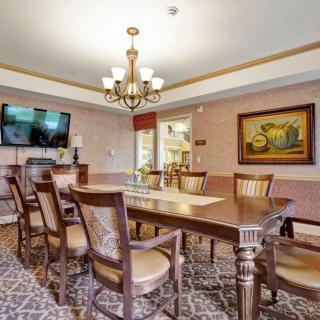
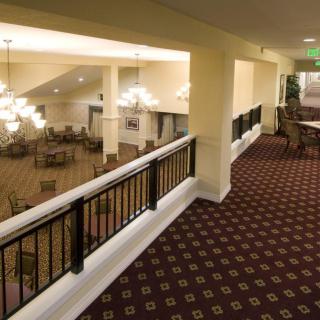
Home Sweet Home For The Elderly in Lathrop is best suited for seniors who want a genuinely home-like setting where care feels personal, and daily life is anchored by attentive staff, structured activities, and routine meals. The community emphasizes a warm, familial atmosphere rather than a clinical feel, and many residents enjoy private rooms within a home-style layout. This configuration works well for families seeking hands-on support without an institutional backdrop, where caregivers know the residents by name and integrate them into everyday happenings. Cleanliness and a calm, welcoming energy are recurring strengths, and the ability to participate in organized activities helps maintain a sense of purpose and belonging for residents who still enjoy social engagement.
From the perspective of daily care, the strongest assets are evident in staff attentiveness and the proprietor’s hands-on involvement. Families consistently report compassionate caregivers who respond to individual needs, a well-regarded meal program, and a steady cadence of activities that keep residents engaged. The atmosphere feels inclusive, with residents and families describing welcoming reception and meaningful inclusion from move-in onward. The combination of friendly service, reliable meals, and visible cleanliness builds a solid foundation for peace of mind when choosing supervision for a loved one who benefits from regular human contact and predictable routines.
However, the setting presents real constraints for anyone facing memory loss or dementia. Several reviews note small rooms with limited privacy, and even tours characterized the space as a private home rather than a larger campus. One review described a fetid smell and worn carpeting, signaling maintenance and odor-control concerns that can affect comfort over time. More critically, the staff’s reported frayed response to memory impairment and the proprietor’s explicit reluctance to accept memory-impaired residents indicate this is not a memory-care environment. In practice, that translates to a risk that dementia patients may not receive the level of supervision or specialized strategies they require, forcing families to seek alternatives earlier than expected.
For families whose loved one will need memory-support, higher-security safeguards, or more private space, alternatives should be explored. The community’s strength in warmth and activity does not compensate for the lack of dedicated dementia care, limited staff capacity for cognitive decline, and a policy stance against memory-impaired residents. Availability can be another hurdle, as some prospective residents learn there are no openings when a need arises. In short, this is best considered as a transitional home for those who are reasonably self-sufficient and ready for a more intimate, home-like setting, with openness to additional help, rather than a long-term memory-care residence.
When evaluating this community, focus on realistic scenarios: will a memory-impaired relative require constant supervision, wandering precautions, or specialized programs? Ask for exact staff-to-resident ratios, whether there is a dedicated caregiver per shift, and how emergencies are handled for cognitive supervision. Inspect the rooms for privacy and noise isolation; confirm whether there are private bathrooms and sufficient space. Evaluate the kitchen and dining logistics, shared meal times can be a real plus, but privacy and dignity must be preserved. Visit multiple times at different hours to gauge consistency in cleanliness, mood of residents, and the degree to which staff know the residents’ preferences. These are decisive factors that can determine whether this community remains a comfortable home or proves inadequate as care needs evolve.
Bottom line: Home Sweet Home For The Elderly delivers a compelling, care-focused experience for seniors who thrive on personal attention, a homey environment, and structured activities, with a strong emphasis on cleanliness and warm interactions. The strongest caveats arise when memory care, larger private spaces, or strict safety monitoring are essential. For families prioritizing dementia care, security, and formal memory-support services, alternatives with dedicated memory-care wings or larger campuses will typically offer the necessary safeguards. For others who value a compassionate, intimate setting, this community can be an excellent fit, provided the expectations align with its capacity and policy framework.
 6 resident community capacity
 Assisted Living
 Board and Care Home
 Memory Care
 Respite Care
 Cats allowed
 Dogs allowed
 Activities off-site
 Air-conditioning
 Cable or satellite TV
 Devotional services off-site
 Dining room
 Fully furnished
 Garden
 Ground floor units
 Housekeeping services
 Indoor common areas
 Move-in coordination
 Outdoor common areas
 Private
 Private bathrooms
 Small library
 Telephone
 Wheelchair accessible showers
 Wi-Fi/high-speed internet available
 Modesto City-County-Harry Sham (23 miles away)
 24-hour supervision
 Ambulatory care
 Assistance with bathing
 Assistance with dressing
 Assistance with transfers
 Diabetes diet
 Diabetic care
 High acuity care
 Incontinence care
 Meal preparation and service
 Medication management
 Special dietary restrictions
 Art classes
 Birthday parties
 Catholic services
 Karaoke
 Live musical performances
 Stretching classes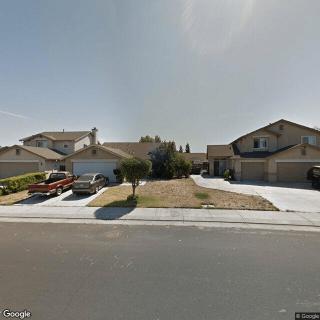


 Comprehensive Guide to VA Nursing Homes: A Crucial Long-Term Care Resource for Veterans
 Estimating the Expenses of At-Home Dementia Care: A Detailed Exploration
 Comprehensive Insights on the Late Stages of Dementia: What to Expect and How to Provide Care