Overall Review of Kaiser Foundation Hospital Manteca
common2 reviews mention this
Staff care and bedside manner
Residents describe the team as polite, respectful, and supportive during care.
Multiple reviewers highlight staff who treat them respectfully and make them feel at ease. Others specifically praise the warmth and professionalism they experienced from reception through clinical care.
differentiator4 reviews mention this
Mental wellness support
Residents mention counseling and mental health care that helps with depression, anxiety, and similar needs.
Several reviews reference one-on-one mental health support, including counseling sessions and care directed toward depression and anxiety. Reviews also call out EMDR as helpful, and another person says it was easy to get treatment for substance abuse or mental health concerns. The community also provides a mental wellness program, aligning with the types of support residents describe.
caveat4 reviews mention this
Long waits can happen
Some reviewers report long ER and lab waits that try their patience.
A handful of reviews describe extended waiting, including guidance to plan for hours and accounts of being kept waiting for blood work or after arriving at the ER. Others report very slow service that led to frustration and leaving. This is the main recurring downside compared with reviews that describe being processed quickly.
How we summarize
Counts show how many written reviews mention each theme; a review can touch several themes, and only frequently mentioned themes are displayed.
Features
Housing
38 resident community capacity
Types of Care
Skilled Nursing Facility
Amenities
Beauty salon
Cable or satellite TV
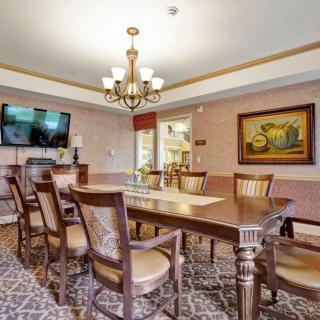
Dining room
Fully furnished
Garden
Housekeeping services
Kitchenette
Move-in coordination
Outdoor space
Restaurant-style dining
Small library
Telephone
Wi-Fi/high-speed internet available
Transportation
Modesto City-County-Harry Sham (20 miles away)
Care Services
24-hour call system
24-hour supervision
Activities of daily living assistance
Assistance with bathing
Assistance with dressing
Assistance with transfers
Diabetes diet
Meal preparation and service
Medication management
Mental wellness program
Special dietary restrictions
Dining
Diabetes diet
Special dietary restrictions
Activities
Community-sponsored activities
Resident-run activities
Scheduled daily activities
Nearby Places of Interest
Hospitals
Kaiser Permanente - Emergency Room (0 miles)
Doctors Hospital Of Manteca (2.6 miles)
San Joaquin County Alcohol Services (6.4 miles)
San Joaquin County Hospital (6.4 miles)
5th Street Medical Clinic (9.6 miles)
Sutter Tracy Community Hospital Lab (10.9 miles)
Physicians
Kaiser Permanente Manteca Medical Offices (0.1 miles)
Ciccarelli Rudy R DDS (0.3 miles)
Tate Diagnostics (0.9 miles)
Dr Florinda Mallorca MD (0.9 miles)
Chauhan Prachi, MD (2.6 miles)
Abdul Khan Md (2.6 miles)
Emani Venkata (2.6 miles)
Pharmacies
Kaiser Permanente Pharmacy (0.1 miles)
Save Mart Supermarkets (0.4 miles)
Rite Aid (0.6 miles)
Walgreens (1.8 miles)
Save Mart Supermarkets (2 miles)
Longs Drugs (2 miles)
CVS Pharmacy (2.1 miles)
Cafes
Starbucks (0.6 miles)
Dutch Bros Coffee (0.8 miles)
Starbucks (2.9 miles)
Starbucks (3 miles)
Dutch Bros Coffee (6.8 miles)
Starbucks (10.5 miles)
Restaurants
Taco Bell (0.9 miles)
McDonald's (0.9 miles)
Chili's Grill & Bar (1.1 miles)
Barnwood (1.3 miles)
Pete's Restaurant & BrewHouse (1.5 miles)
La Costa Taqueria (1.7 miles)
Jack In The Box (1.8 miles)
Places of Worship
Sequoia Heights Baptist Church (0.9 miles)
Greater New Hope Deliverance Church Of God In Christ (8.7 miles)
The article emphasizes the critical role of supportive employee benefits for caregivers, advocating for flexible scheduling, paid leave, and mental health services to ease their challenges while enhancing employee well-being and organizational loyalty. It also highlights the importance of strong leadership in promoting these initiatives to foster a sustainable workplace culture that values caregivers.
Senior drivers prioritize comfort, safety, and ease of use in vehicles due to age-related challenges, seeking features like easy entry, clear visibility, and modern driver-assistance technologies. Recommended models include the Subaru Forester, Honda CR-V, and Toyota Camry, with emphasis on test-driving for personal comfort and evaluating crash-test ratings alongside insurance considerations.
Private pay home care offers a flexible caregiving option for older adults and families who don't qualify for government programs, allowing them to directly fund in-home care services that range from daily assistance to specialized support. This model's customization potential enables aging in place while addressing financial considerations through strategic planning options, though clients must navigate marketplace challenges and ensure quality compliance.
Get PricingAsk A QuestionSchedule A TourContact Senior Advisor
By clicking submit, you agree to our Partner's Terms of Use. You
also consent to receive calls and texts, which may be autodialed, from our Partner. Your consent is not a condition to
using our Partner's service. Please visit our Partner's Privacy Policy for information about their privacy practices.

 38 resident community capacity
 Skilled Nursing Facility
 Beauty salon
 Cable or satellite TV
 Dining room
 Fully furnished
 Garden
 Housekeeping services
 Kitchenette
 Move-in coordination
 Outdoor space
 Restaurant-style dining
 Small library
 Telephone
 Wi-Fi/high-speed internet available
 Modesto City-County-Harry Sham (20 miles away)
 24-hour call system
 Activities of daily living assistance
 Assistance with bathing
 Assistance with dressing
 Assistance with transfers
 Diabetes diet
 Medication management
 Mental wellness program
 Special dietary restrictions
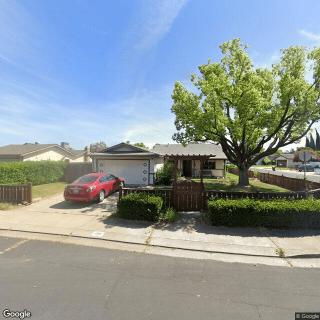
 Affordably priced with private and semi-private rooms in a homelike setting.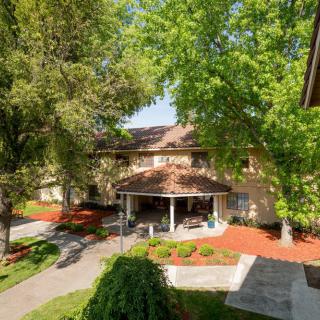
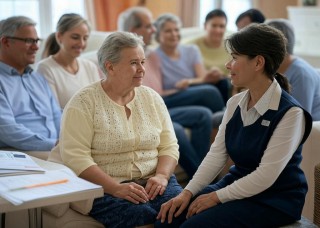 Supportive Employee Benefits That Help Caregivers Attain Better Work-Life Harmony
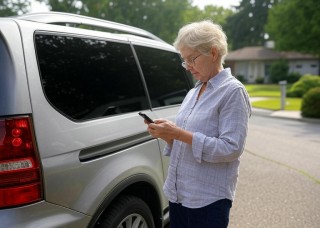 Top Cars for Senior Drivers and Essential Safety Innovations
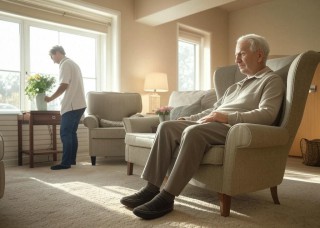 A Closer Look at Private Pay Home Care