
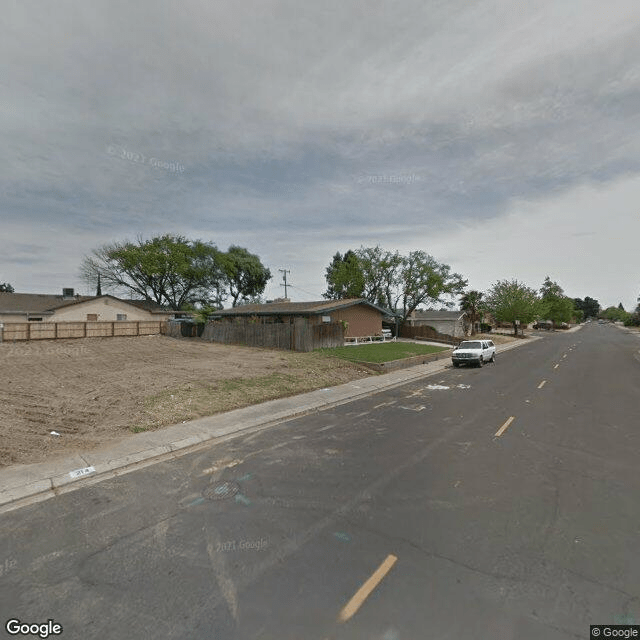
220 El Capitan Ave NO LONGER OPEN!, Manteca, CA 95337
To contact a resident: (209) 825-8190
For more information about senior living options: (866) 208-4318
Sierra Guest Home Costs & Pricing
Sierra Guest Home offers competitive pricing for its services, particularly when compared to the broader market in San Joaquin County and throughout California. For semi-private rooms, residents can expect a monthly cost of $1,800, significantly lower than the county average of $3,074 and the state average of $3,333. Similarly, the private room rate at Sierra Guest Home stands at $3,000, which is more affordable than both the county's average of $3,364 and California's higher statewide cost of $3,939. This pricing structure highlights Sierra Guest Home's commitment to providing quality care at a more accessible price point for those seeking residential options.
| Floor plans | Sierra Guest Home | San Joaquin County | California |
|---|---|---|---|
| Semi-Private | $1,800 | $3,074 | $3,333 |
| Private | $3,000 | $3,364 | $3,939 |
Senior living communities with a similar price nearby
-
from -$300 / mo
A Safe Harbor
$1,500 to $4,500 / month14.0 miles away -
from -$300 / mo

Optimum Senior Care Home
$1,500 to $2,500 / month23.7 miles away -
from +$200 / mo
Homestead Care for the Elderly
$2,000 to $3,000 / month10.3 miles away -
About the same
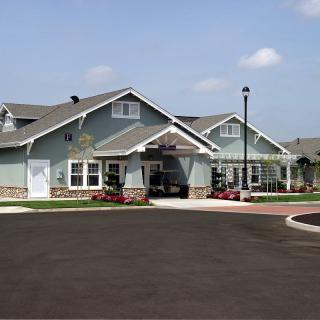
Samaritan Village
$1,815 to $4,500 / month24.7 miles away -
from +$200 / mo
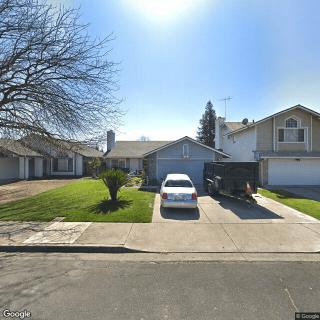
Nellie's Manor for the Elderly
$2,000 to $2,500 / month14.9 miles away
Overall Review of Sierra Guest Home
Pros
 The administrator Rick runs a very fine establishment.
- The father was cared for as if he were part of the family.
- All of the employees are exceptionally nice and take great care of the tenants.
- Rick is willing to work with families to find a room that fits their budget.
- The father was on a fixed income, and the staff really helped the family.
- Sierra Guest Home is recommended as a great care home.
- The facility feels like home.
- The facility smells like grandma's home cooking.
- Staff greet visitors with smiles, and residents seem happy.
Review
Sierra Guest Home in Manteca is best suited for seniors who want a warm, intimate, home-like setting where staff attention feels personal and budget considerations can be woven into floor plans and room choices. This community reads as a place where residents are treated like family, with an emphasis on stability and long-term companionship. It is ideal for families seeking a straightforward, low-stress option that prioritizes daily care, a familiar atmosphere, and predictable costs over a sprawling campus with elaborate programming.
Those who should consider alternatives include residents needing extensive medical oversight, skilled nursing daily, or memory-care specialized services, as well as families seeking a larger community with a wide array of on-site amenities and diversified social activities. The limited publicly shared information suggests a smaller operation, which can be wonderful for personal attention but may not meet every medical or activity need. Prospective residents are advised to confirm the scope of clinical support, transportation arrangements, and the availability of any specialized programs before committing.
The strongest positives are palpable in the leadership and the tone set by the staff. Rick, the administrator, is described as deeply involved and accommodating, with a willingness to tailor room assignments to fit a fixed income and budget realities. Staff members are consistently portrayed as exceptionally kind, delivering care that makes residents feel valued and included. The atmosphere is repeatedly described as inviting and homelike, reinforced by sensory cues like the scent of home cooking at the entrance and the sight of smiling, engaged residents. Such warmth translates into practical benefits: smoother transitions, lower stress for families, and greater day-to-day satisfaction for residents.
Those strengths offset the typical drawbacks of a smaller operation by concentrating meaningful, affectionate care into a manageable, predictable environment. The budget-friendly flexibility demonstrated by Rick directly addresses one of the most common barriers to care, cost, without sacrificing the perceived quality of daily attention. The long residency implied by a resident’s 13-year mention signals stability and trust, two critical factors for families evaluating continuity of care. In practice, this means fewer staff turnover disruptions and a steadier routine, which can be a decisive advantage for seniors who thrive on familiarity and predictable daily rhythms.
Nevertheless, the compact footprint of Sierra Guest Home naturally comes with caveats. The reviews provide a compelling snapshot of warmth and reliability, but the limited number of sources leaves questions about the full range of services, clinical oversight, and activity programming. Prospective movers should verify the level of medical support available, including medication management, nursing presence, and emergency response protocols, as well as the cadence of social and recreational offerings. A pre-mmove checklist, care plans, meal variety, transportation options, and accessibility features, will help determine whether the intimate setting will cover all ongoing needs.
In the final assessment, Sierra Guest Home offers a persuasive option for families prioritizing a genuine, home-forward approach to daily care, with a budget-conscious framework and a leadership team that mobilizes to fit individual circumstances. It stands out as a practical, emotionally supportive environment that can deliver peace of mind for long-term residency. However, for those whose senior’s requirements extend beyond basic daily care, into robust medical management, specialized memory support, or a larger, more feature-rich campus, alternatives should be explored to ensure alignment with specific care goals and future needs.
 Board and Care Home
 Cats allowed
 Dogs allowed
 Private
 Modesto City-County-Harry Sham (19 miles away)
 Diabetic care


 A Detailed Exploration of Living Wills and Advance Directives
 Comprehensive Guide to Medicare Coverage for Hospice Care
 Caring for Those Who Care: Recognizing, Understanding, and Overcoming Caregiver Burnout