
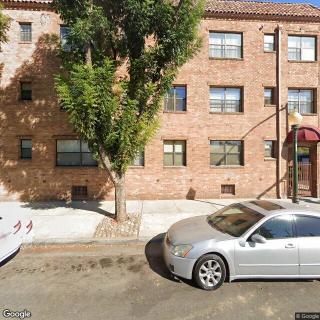
512 Victory Avenue, Manteca, CA 95336
For more information about senior living options: (866) 208-4318
Overall Review of Diamond Care Home For Seniors II
Pros
 The facility offers a quiet, relaxing country atmosphere that makes visits convenient.
- The staff are available and attentive, providing care promptly.
- The environment is clean, tidy, and secure with a gated entrance and security cameras.
- Diamond Care is described as a happy place where nurses cook great meals.
- Residents show improvement through rehab, with the goal of walking again.
- Gloria is a caring, compassionate owner who listens to families and treats them like family.
- Families are confident that the staff can help residents recover, including those with dementia.
- The staff create engaging activities, such as memory games, and provide therapy pets that residents enjoy.
Cons
 Some staff members pass off their required responsibilities to others instead of performing their own tasks.
Review
Diamond Care Home For Seniors II in Manteca is best suited for families seeking a small, home‑like setting where rehab recovery and personal attention come first. This community shines for seniors who value a quiet, country atmosphere, easy caregiver access, and a partner in care who treats residents, and the family, as part of the team. It works well for short‑term rehab after a hospital stay, with a focus on strength and mobility, and for residents who benefit from low‑key surroundings, clean spaces, and visible staff engagement. Proximity to work can make visiting easier for families, a practical convenience that reinforces care consistency. In short, it’s a practical option for those prioritizing individualized attention, safety, and a reassuring, homelike vibe. The community carries a solid 4.2 rating, underscoring steady satisfaction in these areas.
However, alternatives may be preferable for families with higher medical complexity or memory‑care needs requiring a larger staff, more structured programming, or tighter oversight. The smallest charm can become a constraint when care demands rise: one review notes a staff member passing off tasks to others, which raises questions about accountability and routine reliability. For residents needing intensive medical management, rapid physician coordination, or highly formalized care plans, other facilities with bigger teams and deeper resources may offer greater peace of mind. Families seeking a robust calendar of activities or a broader spectrum of specialized memory care might find other communities better aligned with expectations.
On the upside, the core strengths are meaningful. A quiet, clean environment and a secured entry provide ongoing safety reassurance. Nurses are described as readily available, and caregivers come across as genuinely caring and attentive. The country setting seems to support calmer days, aiding rehab progress and reducing agitation. Families report tangible improvements in strength and mood, reinforced by staff who show up consistently during visits and engage residents in purposeful activities, memory games for dementia, therapy pets, outdoor time, and a comforting routine that strengthens familiarity and reduces stress.
Care culture appears to center on compassionate leadership. The owner, Gloria, is repeatedly credited with listening to families, providing support, and treating residents like family. This leadership translates into smoother transitions and a sense that the care team is aligned with family goals, which matters during rehab and discharge planning. Yet leadership cannot fully compensate for frontline gaps if accountability lapses occur; the one-star feedback signals that occasional breakdowns in task ownership must be monitored and addressed with explicit care plans, clear roles, and ongoing supervision. In practice, strong ownership should be paired with consistent execution by every shift.
Prospective residents should weigh the rehab‑friendly, intimate environment against the potential for day‑to‑day variability in staffing. The facility seems to deliver meaningful mobility and cognitive engagement when families participate and communicate closely with the team. The inclusion of therapy animals and regular outdoor time adds a sensory and mood‑supporting dimension that many families find valuable. The best fit hinges on expectations around staffing reliability and the level of medical oversight required. For a senior who thrives in a small, homelike setting and benefits from steady, nurturing care, Diamond Care Home For Seniors II often serves very well; for those needing more sophisticated medical coordination or memory‑care infrastructure, other options may be more appropriate.
Decision guidance: arrange a visit to observe interactions with the care team, request a detailed weekly care plan, and confirm staffing patterns across shifts. Inquire how memory care is structured for dementia residents and which specialized activities are offered. Ask how concerns about task accountability are tracked and how families receive updates. If prioritizing a calm rehab‑focused environment with a compassionate owner and close family involvement, this community stands as a strong candidate. If higher levels of medical oversight, broader staffing resources, or more expansive memory‑care programming are essential, consider alternatives with deeper capabilities.
 6 resident community capacity
 Assisted Living
 Cable or satellite TV
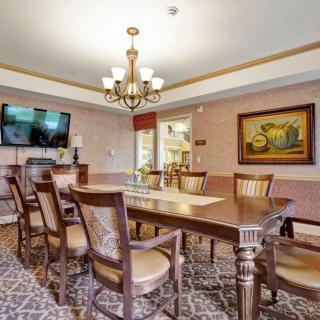
 Dining room
 Fully furnished
 Garden
 Housekeeping services
 Move-in coordination
 Outdoor space
 Telephone
 Wi-Fi/high-speed internet available
 Modesto City-County-Harry Sham (19 miles away)
 24-hour supervision
 Activities of daily living assistance
 Assistance with bathing
 Assistance with dressing
 Assistance with transfers
 Diabetes diet
 Meal preparation and service
 Medication management
 Special dietary restrictions
 Transportation arrangement (medical)
 Transportation to doctors appointments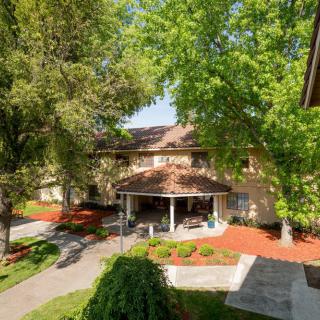


 Senior Transition Services: Understanding Their Role, Cost, and Importance
 Exploring the Path to Senior Living: A Comprehensive Look at Independent Living and Assisted Living
 Is Assisted Living Deductible on Your Taxes? Understanding the Complexities of Assisted Living Expenses and Deductions