
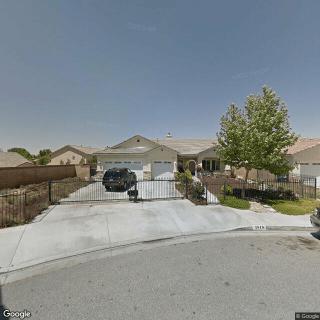
1539 West Avenue L-12, Lancaster, CA 93534
For more information about senior living options: (866) 208-4318
Overall Review of Yong Care Home
Pros
 The care provided to residents is amazing.
- The staff go above and beyond to ensure comfort and well-being.
- The home is clean and well-maintained.
- Residents are encouraged to socialize and exercise with permission.
- The owner is amazing and deeply caring.
- The staff treat residents like family with genuine compassion.
- The facility feels like a loving, warm, and inviting home.
- The home offers individualized care and engaging activities to keep residents thriving.
- The nails are done for residents every Friday, reflecting thoughtful, attentive care.
Review
Yong Care Home in Lancaster, CA is best suited for families seeking a small, home-like senior living option where care feels intensely personal and the environment operates more like a family residence than a crowded campus. This community shines when residents crave consistent, one-on-one attention, a stable daily rhythm, and a culture of warmth anchored by a dedicated owner and a close-knit staff. It is particularly appealing for seniors who value privacy, each resident having their own room, and who thrive on intimate social interaction, gentle encouragement to stay active, and a sense that caregivers treat them with genuine affection and respect.
The most compelling strengths here are the people and the atmosphere. The owner and staff consistently earn praise for compassion, attentiveness, and reliability. The home is described as clean and well-maintained, reinforcing a sense of safety and respect for residents. Activities are thoughtfully designed to be accessible and engaging, with staff encouraging residents to interact with others beyond their doors, always with consent and consideration. The emphasis on family-like care is palpable in routine touches, such as personalized grooming, regular informal outings or social time, and a philosophy that centers dignity and comfort. The small, residential footprint, few rooms and private accommodations, cultivates familiarity, accountability, and a level of contact that can feel reassuring to families.
A particularly powerful endorsement comes from the end-of-life care many families reference. In one deeply personal account, staff provided “exceptional care” in the final months, going above and beyond to maintain comfort, cleanliness, and well-being. Reassuring details, like staff attending to small comforts such as nails and personal care, underscore a standard of compassionate, patient-centered service that many families prioritize when choosing care for a loved one. Across multiple reviews, the portrayal of care as loving, patient, and family-oriented reinforces a clear pattern: this home aims to treat residents with the same consideration and affection they would receive at home, a factor that often offsets the desire for a larger, more impersonal setting.
However, prospective families should explicitly consider alternatives if certain needs are non-negotiable. Those requiring intensive medical monitoring, complex wound care, dialysis, or 24/7 skilled nursing may find a small residential home less suited to ongoing, highly medical support. Likewise, anyone prioritizing a formal memory-care program with structured, campus-wide protocols or a broad menu of on-site therapeutic services may prefer a larger assisted living community. Availability can also be a practical concern in a small home with limited rooms, where admissions and transfers may take longer or require flexibility around admission timing. In short, a bigger campus with more specialized staffing may be the better fit for residents with complex medical or cognitive needs.
The core strengths, the intimate setting, consistent caregivers, and deeply personalized approach, tend to offset the potential drawbacks for most families. The advantages translate into reliable daily stability: predictable routines, frequent social opportunities, and a level of caregiver familiarity that minimizes confusion and anxiety for residents. Residents benefit from frequent interaction, gentle socialization, and purposeful activities designed to keep them engaged without overwhelming them. The private rooms support dignity and privacy, while the owner’s hands-on involvement helps ensure that care plans stay aligned with evolving needs. For families seeking a sanctuary of warmth, trust, and continuity, these factors often outweigh the constraints of a smaller operation.
For families weighing Yong Care Home, a prudent path is to arrange a firsthand visit and conversation with the owner about staffing ratios, daily schedules, and the scope of care offered. Tours should probe how care plans are developed and updated, how transitions between activities are managed, and what supports exist for family involvement. Ask about emergency procedures, medical partnerships, and how the home coordinates with outside medical providers. If the priority is a tight-knit community where residents feel cherished and actively engaged, Yong Care Home stands out as a compelling, well-run option. If, instead, the priority is expansive medical capability or a sophisticated memory-care program, consider alternatives with larger teams and broader service menus.
 6 resident community capacity
 Assisted Living
 Board and Care Home
 Cable or satellite TV
 Dining room
 Fully furnished
 Garden
 Housekeeping services
 Move-in coordination
 Outdoor space
 Telephone
 Wi-Fi/high-speed internet available
 24-hour supervision
 Activities of daily living assistance
 Assistance with bathing
 Assistance with dressing
 Assistance with transfers
 Diabetes diet
 Meal preparation and service
 Medication management
 Special dietary restrictions
 Transportation arrangement (medical)
 Transportation to doctors appointments



 Is Assisted Living Deductible on Your Taxes? Understanding the Complexities of Assisted Living Expenses and Deductions
 Assisted Living Support for Veterans: A Complete and Detailed Overview
 Exploring the Contrasts Between Assisted Living and Skilled Nursing