
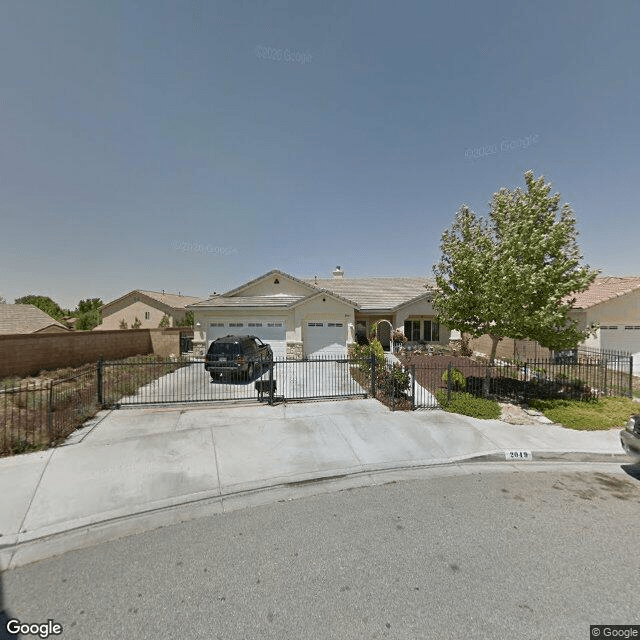
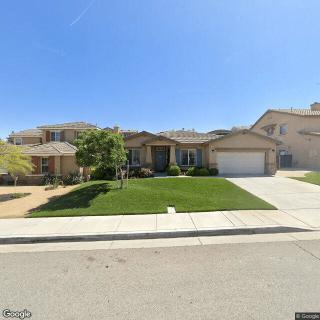
2049 Kalliope Ave, Lancaster, CA 93536
To contact a resident: (661) 941-2258
For more information about senior living options: (866) 208-4318
Guma 2 Residential Care Facility for the Elderly Costs & Pricing
Guma 2 Residential Care Facility for the Elderly offers a competitive pricing structure for its semi-private rooms, with a monthly cost of $3,000. This rate is notably lower than the average costs within Los Angeles County, which sits at approximately $3,349, and also below the statewide average in California of around $3,333. By providing a more affordable option while maintaining quality care, Guma 2 stands out as an attractive choice for families seeking suitable residential care solutions for their elderly loved ones in a cost-sensitive environment.
| Floor plans | Guma 2 Residential Care Facility for the Elderly | Los Angeles County | California |
|---|---|---|---|
| Semi-Private | $3,000 | $3,349 | $3,333 |
Memory care communities with a similar price nearby
-
About the same
Palm Vista Senior Living
$2,995 to $4,095 / month4.5 miles away -
About the same
The Havens at Antelope Valley
$2,993 to $6,385 / month0.5 miles away -
from +$500 / mo
Westside Villa
$3,500 to $4,200 / month3.5 miles away -
from -$500 / mo
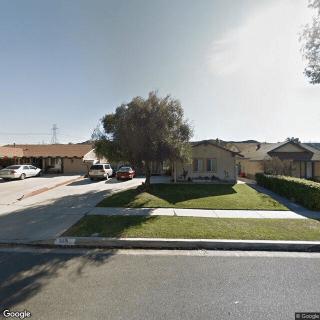
D' Elders R Us
$2,500 to $4,000 / month24.6 miles away -
from +$200 / mo
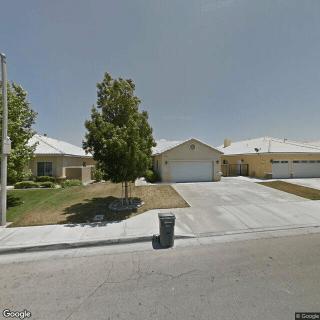
Casa Amore East
$3,200 to $3,600 / month18.9 miles away
Overall Review of Guma 2 Residential Care Facility for the Elderly
Pros
 Amare Villa is a great place for loved ones in their last months, with staff treating residents respectfully and providing thorough updates to families.
- Amare Villa is a good home for bedridden residents, with clean care, good and healthy meals, and a caring director who communicates well.
- Amare Villa feels like home, where Ren and Nora treat residents with love and family-like warmth, and holiday celebrations are welcoming to families.
- The staff at Amare Villa show extraordinary love and care, with gentle kindness, constant communication, and dignified, compassionate treatment.
- The facility is consistently clean, contributing to a comfortable living environment.
Review
This community is best suited for families seeking a small, intimate residential care setting in Lancaster where residents receive highly personalized, compassionate attention and where family involvement is actively encouraged. The reviews portray a home-like environment that prioritizes dignity, respectful treatment, and clear, ongoing communication with relatives. It shines particularly for seniors who benefit from daily, hands-on care and from being treated as part of a caring, extended family. Instances where loved ones were nearing the end of life or were bedridden were handled with warmth and professionalism, with families feeling kept in the loop and comforted by attentive staff.
Those weighing alternatives should consider whether the priority is a highly medicalized facility with extensive on-site clinical resources, a larger campus with a broader activity calendar, or a dementia-focused program with specialized memory-care infrastructure. If a family needs robust medical oversight, frequent on-site therapy, hospital-grade responsiveness, or highly structured, wide-ranging programming, a larger or more clinically oriented community may be a better fit. For residents who require intensive skilled nursing care or more specialized dementia services, exploring options beyond a small, home-style setting is prudent.
The foremost strengths across the reviews are strikingly consistent: genuine respect and kindness from staff, transparent and frequent communication with families, and a consistently clean, home-like atmosphere. The staff are described as caring and attentive, going to great lengths to update families about changing conditions and to involve loved ones in celebrations and daily life. Cleanliness and healthy, satisfying meals stand out as tangible daily assurances, reinforcing trust that residents are well cared for and valued. The director’s presence and responsiveness, particularly noted in Renelyn’s case, adds a level of reassurance that caregivers are not simply performing tasks but cultivating relationships with residents and families.
Where the strongest pros intersect with potential constraints, the takeaway is that the most meaningful advantages, personalized attention, dignity, and open, heartfelt communication, partially offset the typical trade-offs of a smaller, home-like operation. The reviews imply limited visibility into specialized medical services or large-scale programming, yet they demonstrate that exceptional caregiver-to-resident ratios, consistent updates, and a culture of compassion can compensate for those gaps. In practice, families gain a sense of security from being informed and involved; the intimate setting mitigates concerns about impersonal care or institutional rigidity that sometimes accompany larger facilities.
For families evaluating options, the recommendation is clear: prioritize the overall quality of daily life, not just clinical metrics. If the priority is to preserve a warm, family-like atmosphere where staff treat residents with extraordinary kindness and where relatives are welcomed and informed, this community stands out as a standout choice. Prospective residents or guardians should verify alignment on care planning, staffing coverage, and the ability to address changes in health or mobility promptly. In short, for those who value dignity, consistent communication, and a true sense of home, this setting delivers with exceptional credibility.
Ultimately, this community is a compelling choice for those who want a softly lit alternative to clinical models, where care feels personal, and staff performance translates into real peace of mind for families. Alternatives should be considered primarily for higher medical needs, more intensive dementia oversight, or a broader range of on-site amenities. The decision hinges on one key question: is the resident’s well-being best served by a tight-knit, homey environment with relentless staff compassion and clear family communication, or by a larger, more medically oriented setting with expansive programming? For many families, the answer points decisively toward the former, supported by the consistently glowing experiences documented in the reviews.
 Board and Care Home
 Memory Care
 Bath tubs
 Private bathrooms
 Wheelchair accessible showers
 Ambulatory care
 Incontinence care
 Medication management
 Meals provided


 How and When Medicaid May Cover Assisted Living Costs
 A Detailed Exploration of Assisted Living Medicaid Waivers Across the United States
 Exploring the Contrasts Between Assisted Living and Skilled Nursing