
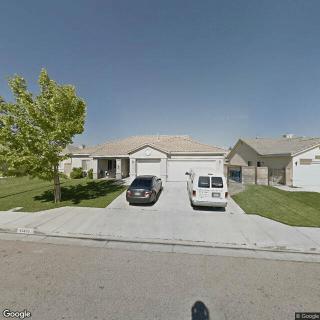
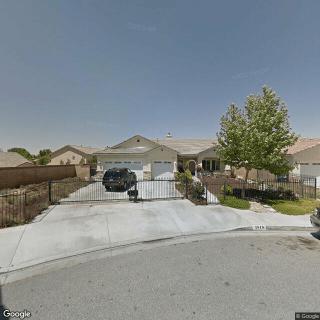
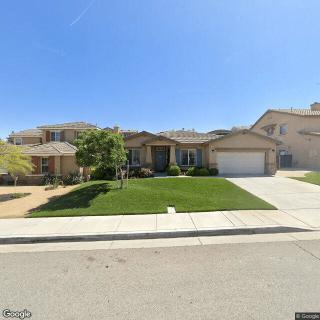
43437 No. 17Th Street. West, Lancaster, CA 93534
For more information about senior living options: (866) 208-4318
Tlc Residential Care Costs & Pricing
Tlc Residential Care offers competitive pricing for its services compared to the broader market in Los Angeles County and the state of California. For semi-private accommodations, Tlc charges $1,900 per month, significantly lower than the county average of $3,349 and the state average of $3,333. The private room option is priced at $2,700, again more affordable than both Los Angeles County's typical rate of $4,197 and California's average of $3,939. Even for studio units, Tlc's cost remains attractive at $2,700 compared to $4,172 in Los Angeles County and $4,145 statewide. This pricing structure positions Tlc Residential Care as a budget-friendly alternative without compromising on quality.
| Floor plans | Tlc Residential Care | Los Angeles County | California |
|---|---|---|---|
| Semi-Private | $1,900 | $3,349 | $3,333 |
| Private | $2,700 | $4,197 | $3,939 |
| Studio | $2,700 | $4,172 | $4,145 |
Overall Review of Tlc Residential Care
Pros
 The Treasure Heritage owner is kind, caring, and supportive in meeting a relative's needs.
- They would receive an A+ rating.
- The nurses at the five-star resort hotel have great bedside manners.
- It feels like home, with a nice layout and great personnel on staff.
Review
Tlc Residential Care in Lancaster, California is best suited for seniors who want a warm, home-like environment where care is personalized, attentive, and rooted in a small-community dynamic. The strongest signal from the experience is that the owner is kind, caring, and actively supportive in meeting a relative’s needs, creating a sense of partnership with families rather than distance between staff and residents. This is not a place built on clinical anonymity; it’s a setting where relationships matter and where daily routines feel natural rather than institutional. For residents who prize a calm, domestic feel, with caregivers who treat each resident as an individual, this community stands out as a practical, comfort-forward choice.
Certain families should consider alternatives, however. If a loved one requires high-acuity medical oversight or frequent on-site therapies, the compact, homey footprint may not deliver the breadth of services found in larger campuses. Those who seek a robust calendar of structured activities, extensive rehabilitation programs, or expansive on-site amenities may find the scale and pace here less aligned with expectations. In short, this is a targeted option for those prioritizing intimate care relationships and a quiet, home-like atmosphere over a resort-style environment or a medically dense, highly resource-rich setting.
On the positive side, the principal advantages are complemented by a staff culture that consistently reinforces trust and comfort. Reviews highlight nurses with five-star bedside manners and a leadership approach that treats residents with dignity and warmth. The owner’s kindness and proactive involvement translate into responsive care planning, attentive problem-solving, and a sense that concerns are promptly addressed. The layout, described as an “older house” that still feels thoughtfully designed, supports easy navigation, private moments, and a welcoming, homelike rhythm that reduces the sterile tension sometimes found in larger facilities. These elements cohere into a care experience that feels both capable and genuinely compassionate.
Those benefits, while substantial, must be weighed against the practical realities implied by a smaller, home-forward model. The most salient potential drawback is the natural limit on the breadth of services, less on-site programming and fewer medical supports than big communities can offer. Yet the very factors that create a sense of home also enable tighter communication lines and quicker, more individualized responses to day-to-day needs. Families should expect staff to know residents well, coordinate external services when necessary, and maintain open channels for updates. When care plans are dynamic, this level of personalized oversight can offset some of the constraints presented by a smaller operation.
In deciding, it pays to approach with a concrete checklist. Visit multiple times, if possible, to observe how staff interactions unfold around meals, activities, and routine care. Ask about staff-to-resident ratios, how much continuity exists in caregiving assignments, and what oversight exists for medical needs, medications, and emergencies. Clarify what an average day looks like, what therapies can be accessed off-site if needed, and how family input is integrated into care planning. If the resident values privacy, quiet companionship, and direct access to caregivers, the setting is likely to feel welcoming; if a highly structured, activity-packed schedule or an in-house rehab program is a must, alternatives should be explored.
Bottom line: for seniors who prize a homey atmosphere and deeply personal caregiving, TLC Residential Care delivers a compelling blend of warmth, attentiveness, and practical competence. The owner’s supportive approach and the staff’s strong bedside manner create a trust-based environment where residents are treated with dignity and families are kept in the loop. This is a standout choice for those who want intimate, relationship-driven care and a setting that feels like a preferred family home rather than a clinical facility. Those with higher medical complexity or the desire for expansive on-site programming should consider larger communities that can offer a broader range of medical services and structured activities.
 6 resident community capacity
 Assisted Living
 Board and Care Home
 Memory Care
 Activities on-site
 Cable or satellite TV
 Dining room
 Fully furnished
 Garden
 Housekeeping services
 Move-in coordination
 Outdoor space
 Private
 Telephone
 Wheelchair accessible showers
 Wi-Fi/high-speed internet available
 24-hour supervision
 Ambulatory care
 Assistance with bathing
 Assistance with dressing
 Assistance with transfers
 Diabetes diet
 High acuity care
 Meal preparation and service
 Medication management
 Special dietary restrictions
 Transportation arrangement (medical)
 Transportation to doctors appointments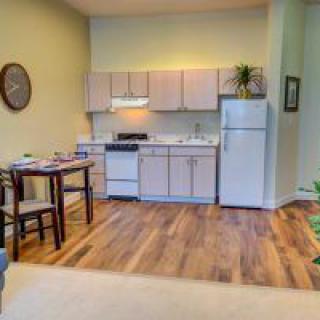



 Dementia-Related Hallucinations: Causes, Experiences, and Practical Approaches
 Illuminating Insights About Alzheimer's Disease: Ten Crucial Realities
 A Thorough Discussion of Medications Potentially Linked to Dementia Risk