
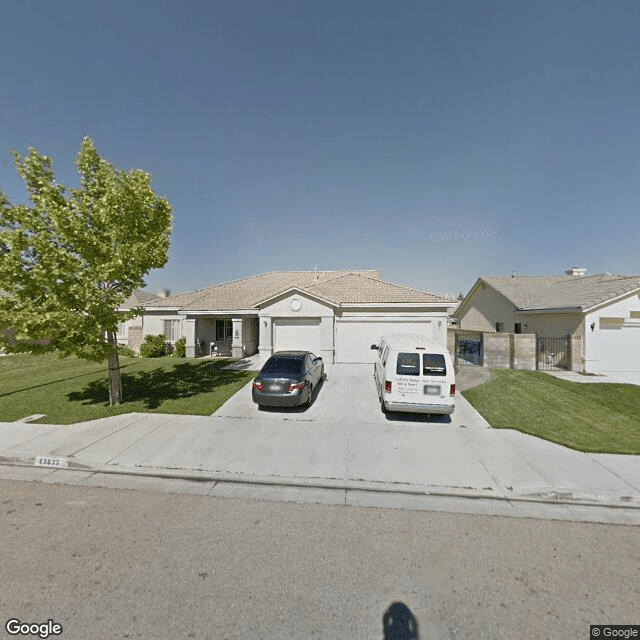
43835 Johns Court, Lancaster, CA 93536
For more information about senior living options: (866) 208-4318
A Plus Elderly Care Costs & Pricing
A Plus Elderly Care offers competitive pricing for its services, making it an appealing option for families seeking quality care for their loved ones. For semi-private accommodations, the monthly cost is just $2,000, significantly lower than the average rates in Los Angeles County at $3,349 and across California at $3,333. Similarly, the private room rate at A Plus Elderly Care stands at $2,500, which again represents a notable cost advantage compared to the county's average of $4,197 and the state's average of $3,939. These favorable rates reflect A Plus Elderly Care's commitment to providing accessible and affordable elder care while maintaining high standards of service.
| Floor plans | A Plus Elderly Care | Los Angeles County | California |
|---|---|---|---|
| Semi-Private | $2,000 | $3,349 | $3,333 |
| Private | $2,500 | $4,197 | $3,939 |
Assisted Living communities with a similar price nearby
-
from +$295 / mo
Casa Amore West
$2,295 to $3,600 / month1.9 miles away -
from -$200 / mo
Joe-Sephine Residential Care Fac. For The Elderly
$1,800 to $2,500 / month2.9 miles away -
About the same
Antelope Valley Manor
$2,000 to $2,800 / month0.9 miles away -
from +$200 / mo
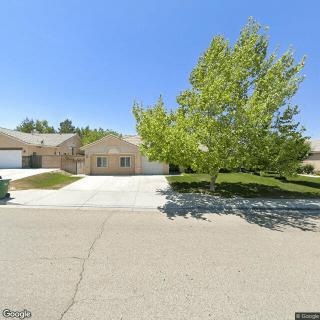
J.R. Retirement Home for Elderly
$2,200 to $3,500 / month0.3 miles away -
About the same
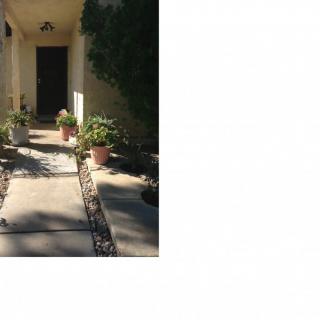
Ana Residential Care
$2,000 to $3,000 / month3.5 miles away
Overall Review of A Plus Elderly Care
Pros
 The staff are very kind and experienced.
- The accommodations are spacious and clean.
- The meals are delicious.
- The home is beautiful.
- The people are caring.
- The owners are professional.
Review
A Plus Elderly Care in Lancaster, California is best suited for seniors who want a warm, home-like setting with consistently attentive, experienced staff and straightforward, dignified daily living. This community appeals to families seeking a small, intimate environment where caregivers know residents well, routines are predictable, and meals feel comforting and familiar. It is especially appropriate for residents with low-to-moderate care needs who prioritize safety, cleanliness, and a genuine sense of community over the bustle and formality of a larger campus. The combination of a well-kept residence, professional ownership, and a focus on personal connection makes it a natural fit for those who value stability, respect, and a hands-on, caring approach.
Those weighing alternatives should consider residents who require more intensive medical oversight or specialized memory-care programming. If a senior needs frequent on-site nursing, complex wound care, or a dedicated memory-care wing with structured dementia activities, a larger facility with expanded clinical staff and a broader activity catalog may serve better. Families who want a city-scale array of amenities, transportation networks, and programming every day of the week might also find a bigger community more aligned with their expectations. In short, this is not the destination for high-acuity care or highly specialized clinical services; it excels where personal attention and a home atmosphere matter most.
The strongest regard in the reviews centers on the staff: very kind and experienced team that consistently translates care into comfort. That compassionate demeanor is paired with spaces that feel generous, spacious, clean accommodations that reduce clutter and confusion, contributing to a calmer daily rhythm. The meals are described as delicious, a often-overlooked pillar of well-being, supporting nutrition, appetite, and social dining experiences. A beautiful home atmosphere, coupled with caring people and professional owners, reinforces a sense of trust and continuity at every level of daily life. Taken together, these elements create a dependable, low-stress environment where residents can settle in and families can feel confident in supervision and routine.
Those positives offset potential gaps inherent in small-scale, residential settings: the same intimate footprint that enables personal attention can limit the breadth of on-site services and everyday activities found in larger communities. The professional ownership signals stability, standards, and accountability, which helps mitigate concerns about turnover or inconsistent care. Clean, well-maintained spaces and satisfying meals lessen the friction that sometimes accompanies transitions, helping residents adapt more quickly and families relax about supervision and safety. While the reviews don’t spotlight major drawbacks, prudent families will still verify the level of medical oversight, emergency response, and the availability of ancillary services to ensure alignment with a loved one’s evolving needs.
Visiting the community with a practical checklist is essential. Prospective residents should ask about staffing ratios on each shift, the cadence of caregiver assignments, and the process for handling medical or behavioral changes. Inquire about the exact services included in the base rate, transportation options, and how meals are planned and accommodated for dietary restrictions. Observe interactions between staff and residents, inspect privacy in rooms and bathrooms, and sample a meal to gauge taste and texture. Request a calendar of daily activities to see if there are opportunities for engagement aligned with personal interests. Finally, verify ownership involvement in day-to-day operations and request references from families with similar care requirements.
In the end, A Plus Elderly Care stands out for families seeking a dependable, home-centric option in Lancaster where kindness, competence, and a well-kept environment translate into real everyday relief and comfort. It is a compelling choice for residents who value personal attention, clean and spacious living spaces, and reliably good meals, delivered within a structure led by professional ownership. For seniors whose needs skew toward high levels of medical care, dementia-specific programming, or expansive social calendars, it warrants comparing with facilities that specialize in those areas. The practical path is clear: prioritize a visit, validate the staff dynamics and care plans, and measure the fit against the resident’s medical needs, lifestyle preferences, and the family’s capacity for ongoing involvement.
 6 resident community capacity
 Assisted Living
 Board and Care Home
 Dogs allowed
 Activities off-site
 Bath tubs
 Cable or satellite TV
 Devotional services off-site
 Dining room
 Fully furnished
 Garden
 Housekeeping services
 Indoor common areas
 Move-in coordination
 Outdoor common areas
 Private
 Private bathrooms
 Respite or short term stays offered
 Telephone
 Wheelchair accessible showers
 Wi-Fi/high-speed internet available
 24-hour supervision
 Assistance with bathing
 Assistance with dressing
 Assistance with transfers
 Diabetes diet
 Diabetic care
 High acuity care
 Incontinence care
 Meal preparation and service
 Medication management
 Special dietary restrictions
 Transportation arrangement (medical)
 Transportation to doctors appointments
 Adventist services
 Buddhist services
 Islamic services


 Assisted Living Support for Veterans: A Complete and Detailed Overview
 Exploring the Contrasts Between Assisted Living and Skilled Nursing
 8 Key Indicators That Suggest It May Be Time to Transition from Assisted Living to Skilled Nursing Care