
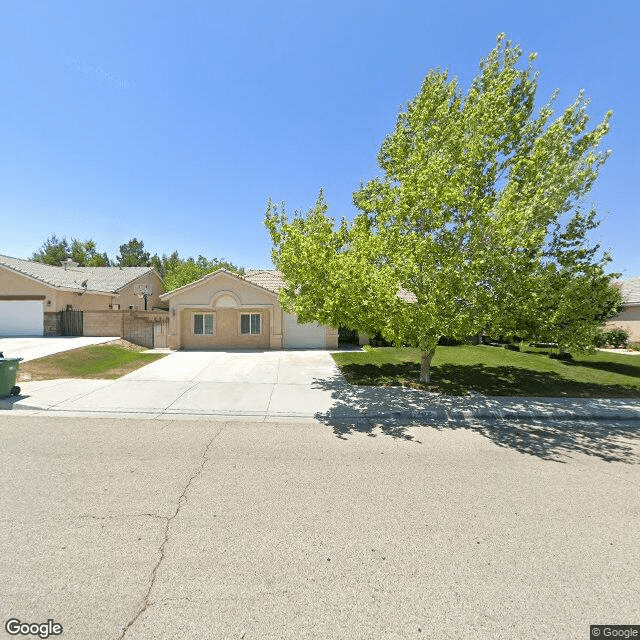
44035 22nd St West, Lancaster, CA 93536
To contact a resident: (805) 300-6596
For more information about senior living options: (866) 208-4318
J.R. Retirement Home for Elderly Costs & Pricing
J.R. Retirement Home for Elderly offers competitive pricing for its residents, especially when compared to the broader market in Los Angeles County and across California. The monthly cost for a semi-private room at J.R. is $2,200, significantly lower than the county average of $3,349 and the state average of $3,333. For those seeking more privacy, the private room rate stands at $3,500, which is also more economical than Los Angeles County's average of $4,197 and California's average of $3,939. This attractive pricing structure not only underscores J.R. Retirement Home's commitment to providing affordable care options but also highlights its value within an often costly industry landscape.
| Floor plans | J.R. Retirement Home for Elderly | Los Angeles County | California |
|---|---|---|---|
| Semi-Private | $2,200 | $3,349 | $3,333 |
| Private | $3,500 | $4,197 | $3,939 |
Memory care communities with a similar price nearby
-
from +$95 / mo
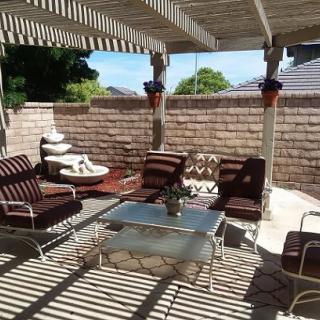
Casa Amore West
$2,295 to $3,600 / month1.7 miles away -
from -$200 / mo
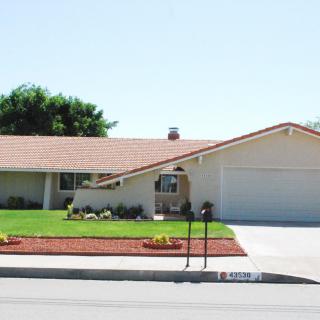
El Vista Residential Care
$2,000 to $3,000 / month3.1 miles away -
from -$200 / mo

TLC Room and Board II
$2,000 to $4,300 / month11.0 miles away -
from -$200 / mo
TLC Room and Board I
$2,000 to $2,500 / month20.5 miles away -
from -$200 / mo
TLC Room and Board III
$2,000 to $2,500 / month10.9 miles away
Overall Review of J.R. Retirement Home for Elderly
Pros
 The Treasure Heritage owner is kind, caring, and supportive in meeting residents' needs.
- The five-star resort hotel's nurses have excellent bedside manners.
- J.R. Retirement's managers and staff are always helpful and attentive to residents' needs.
- The staff at J.R. Retirement are kind and caring and willing to discuss residents' status at any time.
- Families are grateful to have found J.R. Retirement to care for their loved ones.
Cons
 None found in the reviews.
Review
J.R. Retirement Home for Elderly in Lancaster is best suited for families that prize a warm, person-first environment where caregivers know residents by name and respond quickly to daily needs. The reviews portray a community that prioritizes attentiveness over formality, with staff and managers who stay on top of care and remain accessible to families seeking updates. For seniors who are largely self-sufficient but benefit from reliable oversight, familiar routines, and compassionate bedside manner, this setting offers a reassuring home atmosphere rather than a clinical corridor. The tone in the feedback underscores a culture of respect and practical kindness, where decisions are explained and family partnership is encouraged. In short, this is a strong fit for relatives seeking steady, personable care supported by a stable, engaged team.
Those with higher-acuity medical needs or a requirement for explicit memory-care programming should weigh alternatives. The reviews focus on kindness, responsiveness, and open communication, but they offer little detail about specialized services, medical oversight, or memory-specific strategies. If a resident requires frequent skilled nursing interventions, complex wound care, specialized equipment, or structured daily activities designed around cognitive challenges, a larger community with documented care levels and memory-care designation may be a tighter fit. Potential residents should verify the facility’s licensing, care plans, and the availability of on-site clinicians to ensure alignment with medical requirements.
Key advantages lie in staff warmth and managerial accessibility. Reviewers describe managers and staff as consistently helpful, on top of needs, and willing to discuss a resident’s status at any time. This direct, open line of communication translates into real peace of mind for families and reduces the friction of caregiving, knowing concerns will be heard and addressed promptly. Such a culture makes daily life more predictable for residents and more manageable for relatives, turning what can be anxiety into a collaborative process where care plans are adjusted with transparency. When bedside manners meet steady accountability, families gain a practical assurance that care quality remains consistent week after week.
Another strength is continuity and reliability. A family member notes a three-year stay, highlighting stable responsiveness and long-lasting relationships with caregivers. Long-tenured staff often means familiarity with routines, preferences, and subtle changes in health. When caregivers know the resident’s baseline and personal cues, they can tailor daily support, from medication reminders to dietary choices, to the individual, which reduces miscommunications and supports smoother transitions. The overall impression is a community where residents are treated as people with histories and evolving needs, not just as tasks in a schedule.
On the downside, the absence of explicit information about advanced medical services or dedicated memory-care programming means families must perform due diligence before committing. The strongest reviews emphasize warmth and accessibility, but prospective residents with high medical needs should confirm on-site clinician availability, emergency procedures, and the range of therapeutic services. That said, the proven strength of dependable, compassionate care acts as a meaningful offset: attentive staff and open communication lessen the risk of neglect or overlooked problems and provide a solid foundation for gradual care escalation if needed. In practical terms, this means a safe, supportive bridge for many seniors who value intimate care over institutional scale.
Bottom line: for families seeking a practical, warm home where caregivers are accessible and genuinely attentive, J.R. Retirement Home for Elderly offers a compelling choice in Lancaster. It excels at daily responsiveness, clear communication, and a resident-centered ethos that helps families breathe easier. For those whose loved ones require high-acuity medical treatment, memory-care specialization, or a densely programmed activity calendar, exploring alternatives with explicit assurances in those areas is prudent. Prospective residents should arrange an in-person visit, observe staff interactions with residents, confirm care plans, and ask about staffing ratios and on-site clinical support to ensure alignment with specific needs.
 6 resident community capacity
 Assisted Living
 Board and Care Home
 Memory Care
 Bath tubs
 Cable or satellite TV
 Dining room
 Fully furnished
 Garden
 Housekeeping services
 Move-in coordination
 Outdoor space
 Private
 Private bathrooms
 Respite or short term stays offered
 Telephone
 Wheelchair accessible showers
 Wi-Fi/high-speed internet available
 24-hour supervision
 Activities of daily living assistance
 Ambulatory care
 Assistance with bathing
 Assistance with dressing
 Assistance with transfers
 Diabetes diet
 Diabetic care
 High acuity care
 Incontinence care
 Meal preparation and service
 Medication management
 Special dietary restrictions
 Transportation arrangement (medical)
 Transportation to doctors appointments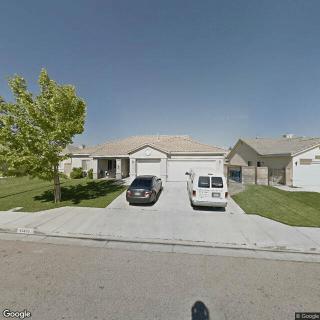

 Delirium and Dementia: Unraveling the Key Differences
 Are Dementia and Alzheimer's Disease Lethal? A Comprehensive Exploration
 Exploring the Power of Reminiscence Therapy for Individuals With Dementia