
3205 Arious Way, Lancaster, CA 93536
For more information about senior living options: (866) 208-4318
Overall Review of Jbm Residence Home
Pros
 The administrator and staff are very accommodating.
- They take their time preparing the patients' meals.
- There are many amenities including private bedrooms and a nice backyard.
- The facility is clean and inviting.
- The furniture is tasteful and comfortable.
- The staff is hospitable and available to residents during visits.
- They clear the table for residents to eat at the table, rather than bringing meals to their rooms.
- This makes the elderly care home very homey and comfortable.
Cons
 The TV was so loud that conversations with staff were nearly impossible.
- There wasn’t much for residents to do, with only a small side yard available for sitting.
- Private homes are not a good option unless it’s absolutely necessary.
- Meals were vague, with staff saying they would ask residents what they want and then prepare that.
- There is only one staff member caring for about five residents 24 hours a day.
- There aren’t many activities available for residents in their free time.
Review
JBM Residence Home in Lancaster, CA is best suited for families seeking a small, homelike setting where privacy and personal attention trump institutional scale. It serves seniors who are comfortable in a private-home atmosphere, value private bedrooms, and appreciate a calm, low-key environment with a pleasant backyard. It suits residents who do not require highly structured programming or intensive, round-the-clock activities. Families should be aware that the operation relies on a lean staffing model and a dining plan that can feel fluid, which may not align with memory-care expectations that demand predictable routines and tightly supervised meals. For anyone needing robust staffing coverage or a richer activity calendar, better-suited alternatives exist.
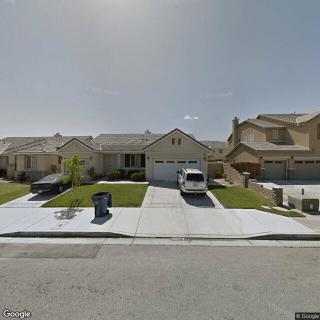
The strongest positives center on human touches and a sense of hospitality. The administrator and staff are described as accommodating, taking time with meal preparation, and being available during visits. The facility presents as clean, inviting, and homey, with private bedrooms and a nicely kept backyard. Dining practices emphasize table service and shared meals, which fosters social connection rather than isolating residents in their rooms. The atmosphere is clearly designed to feel comfortable and respectful, with visible professional credentials at the front door signaling accountability and pride in the operation.
Yet, several clear drawbacks temper the appeal. The staffing model, roughly one caregiver for five residents, raises legitimate concerns about supervision, response times, and individualized attention, especially for residents with higher needs. The visit notes include a jammed or loud TV and a small outdoor area that limits activity outside, which can undermine comfort and engagement for those who crave a more stimulating environment. Meal planning emerged as a potential weakness, described as vague by staff, and there is a worry that residents with memory impairment require more balanced, prescriptive nutrition than a simple “ask the residents what they want” approach can reliably deliver. Overall, there are not many activities available to occupy free time, which can be a drawback for residents who benefit from structured daily routines.
These realities interact in meaningful ways when weighing options. For families prioritizing a warm, intimate, and clearly caregiver-focused setting, the homey environment, private rooms, and the social dining model offer tangible reassurance that residents are treated with care and courtesy. The ability to maintain a comfortable indoor climate and a pleasant backyard supports daily well-being. However, the lean staffing, constrained outdoor space, and uncertain meal planning for memory-care residents introduce real risk of gaps in supervision, engagement, and nutrition. Without a more robust activity program or a stronger, more predictable dietary framework, some residents may experience under-stimulation or dietary drift, particularly those needing consistent structure and cues throughout the day.
To make an informed judgment, visit with a targeted checklist in hand. Inquire about night-to-day staff ratios and who covers peak times, as well as how emergencies are handled when demand surges. Request a sample weekly menu and ask how meal plans are tailored for memory-care residents, including dietary restrictions and monitoring. Explore the breadth of activities offered, the pace of daily life, and how residents are encouraged to participate, if the goal is meaningful engagement, a limited social calendar may not suffice. Speak with current residents or families about typical daily routines, and ask to observe a mealtime and a group activity if possible. Seek clarity on safety features such as call systems and fall prevention.
In sum, JBM Residence Home delivers a warm, private, and attentive environment that can be a superior match for seniors who prize home-like intimacy and individualized dining attention over a broad-scale activity lineup. It is a strong fit for residents who flourish with a calm pace, privacy, and personal touch from staff, and who do not require heavy daily programming or strict dietary oversight. Those needing frequent, structured activities, comprehensive memory-care nutrition plans, or robust 24/7 supervision should consider alternatives that offer stronger staffing depth and more expansive activity offerings. With a deliberate visit and focused questions, families will determine whether this intimate setting aligns with the resident’s care goals and daily rhythms.
 6 resident community capacity
 Assisted Living
 Board and Care Home
 Cable or satellite TV
 Dining room
 Fully furnished
 Garden
 Housekeeping services
 Move-in coordination
 Outdoor space
 Telephone
 Wi-Fi/high-speed internet available
 24-hour supervision
 Activities of daily living assistance
 Assistance with bathing
 Assistance with dressing
 Assistance with transfers
 Diabetes diet
 Meal preparation and service
 Medication management
 Special dietary restrictions
 Transportation arrangement (medical)
 Transportation to doctors appointments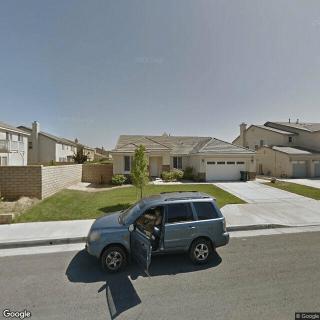


 Social Security Benefits and Assisted Living: Navigating Options Across the U.S.
 An Extensive Exploration of the VA Aid and Attendance Benefit
 Senior Transition Services: Understanding Their Role, Cost, and Importance