
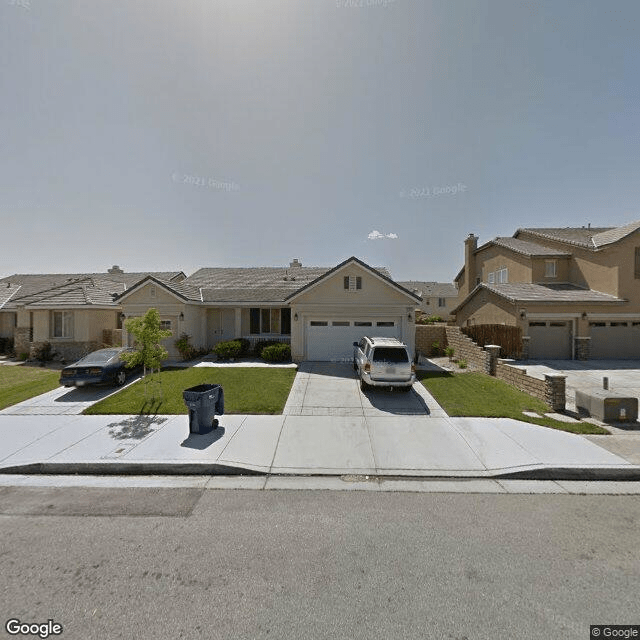
44849 Lotus Lane, Lancaster, CA 93536
For more information about senior living options: (866) 208-4318
Arayata Elderly Care Costs & Pricing
Arayata Elderly Care offers competitive pricing for its services, particularly when compared to both Los Angeles County and the wider California market. For semi-private rooms, Arayata charges $3,000 per month, which is notably lower than the county average of $3,349 and slightly more reasonable than the state's average of $3,333. In terms of private accommodations, Arayata's rate of $3,800 stands favorably against Los Angeles County's higher rate of $4,197 and is just above California's average of $3,939. These cost structures reflect Arayata's commitment to providing quality elderly care while maintaining affordability in comparison to regional norms.
| Floor plans | Arayata Elderly Care | Los Angeles County | California |
|---|---|---|---|
| Semi-Private | $3,000 | $3,349 | $3,333 |
| Private | $3,800 | $4,197 | $3,939 |
Memory care communities with a similar price nearby
-
About the same
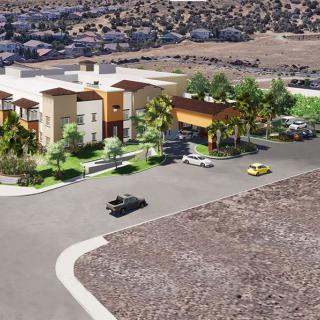
Palm Vista Senior Living
$2,995 to $4,095 / month6.7 miles away -
About the same
The Havens at Antelope Valley
$2,993 to $6,385 / month2.9 miles away -
from +$500 / mo
Westside Villa
$3,500 to $4,200 / month1.7 miles away -
About the same
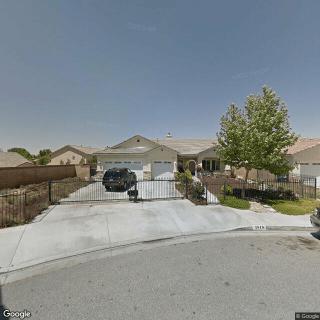
Guma 2 Residential Care Facility for the Elderly
$3,000 / month2.8 miles away -
from +$200 / mo
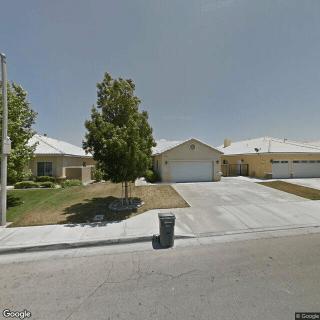
Casa Amore East
$3,200 to $3,600 / month16.8 miles away
Overall Review of Arayata Elderly Care
Pros
 The staff at Arayata Memory Care got to know her and worked hard to meet her needs.
- The food was good, and the facility has a nice backyard and front porch for visiting.
- The staff was absolutely wonderful and caring, and residents are treated with care and dignity.
- All meals are cooked from scratch.
- The home environment fosters personal attention and a strong sense of community.
- The residents are treated like family at the facility.
Cons
 Some reviewers say the facility cannot be trusted and allege staff abuse residents.
- They claim staff discouraged walking, contributing to the resident’s rapid decline.
- They accuse the facility of caring more about potential lawsuits than the resident’s health and independence.
- They describe the resident as being left bedridden in a back room, with the bed never moved to the living area to allow interaction.
- They report residents were made to go to bed very early so staff could sit and watch TV.
Review
Arayata Elderly Care in Lancaster is best suited for seniors who thrive in a small, home-like setting where personal attention is the norm and relationships with caregivers matter most. The six-bed footprint fosters intimate, individualized care, with owners who live on site and actively participate in residents’ daily routines. This environment suits residents who prefer a non-institutional atmosphere, where meals are cooked from scratch, a communal living space supports socialization, and routines can be tailored to individual needs. For families seeking a gentle transition into care with consistent faces, predictable daily rhythms, and meaningful personal connections, Arayata offers a compelling fit.
Those who may want to consider alternatives are primarily families seeking more robust clinical oversight or a larger facility with broader amenities and formalized safety protocols. If a resident requires higher nurse-to-resident ratios, frequent medical monitoring, aggressive rehabilitation services, or a setting with extensive recreation programs and larger communal spaces, a bigger memory care or assisted-living campus could be a better match. Additionally, families cautious about safety and oversight will want to independently verify staffing practices, care plans, and incident handling before committing.
The strongest positives hinge on the small scale and family-led operation delivering highly personalized care. Families consistently note that residents are treated like family, with staff who know them well and respond with genuine attentiveness. The on-site owners’ involvement matters, as does the ability to spend time in a home-appropriate environment where residents have private bedrooms and a large shared living area. From scratch meals and homey touches to community outings and even accommodating a resident’s dog, the setting supports dignity, comfort, and social belonging, elements that many families prize when a loved one needs steady, compassionate care.
Yet the most troubling counterpoint comes from a vehement, highly critical review that questions safety and care standards. While not representative of every experience, it highlights perceived pressures that can erode trust: potential mishandling of mobility needs, decisions that appear to deprioritize a resident’s health and independence, and rigid routines that feel more punitive than protective. Such concerns underscore the imperative for prospective families to conduct thorough due diligence: request detailed care plans, observe mobility assistance capabilities, confirm staffing coverage across shifts, and probe how incidents and complaints are addressed. The existence of a strong positive consensus does not erase the need for vigilance.
When weighing the pros against the cons, the small, home-oriented strengths of Arayata can realistically offset the risks only if the facility’s oversight and daily practices meet a high standard. The intimate staff-resident ratio, direct access to the owners, and a proven emphasis on personalized routines can deliver meaningful quality of life improvements that larger facilities struggle to match. However, this balance depends on transparent operations, consistent safety measures, and a demonstrated commitment to evolving care practices in response to concerns. Families should come prepared with a clear care plan, a list of questions, and a plan for ongoing review during the first weeks of placement.
In the end, Arayata Elderly Care represents a prudent choice for families seeking a warm, intimate, and highly personalized memory care home in Lancaster. It is particularly well-suited for residents who value close-knit relationships, autonomy within a home setting, and the ability to maintain familiar routines. Those who prioritize formal medical infrastructure, expansive activity programming, or stricter clinical oversight may want to compare alternatives that offer larger scale operations and more pronounced governance. A focused site visit, conversations with the owners, and a requested sample care plan will reveal whether Arayata aligns with the resident’s goals and the family’s risk tolerance.
 6 resident community capacity
 Assisted Living
 Board and Care Home
 Day Program
 Memory Care
 Beautician on-site
 Cable or satellite TV
 Devotional services off-site
 Dining room
 Fully furnished
 Garden
 Housekeeping services
 Indoor common areas
 Move-in coordination
 Outdoor common areas
 Private
 Private bathrooms
 Telephone
 Wheelchair accessible showers
 Wi-Fi/high-speed internet available
 24-hour supervision
 Ambulatory care
 Assistance with bathing
 Assistance with dressing
 Assistance with transfers
 Diabetes diet
 Diabetic care
 High acuity care
 Incontinence care
 Meal preparation and service
 Medication management
 Special dietary restrictions
 Transportation arrangement (medical)
 Transportation to doctors appointments


 Delirium and Dementia: Unraveling the Key Differences
 Are Dementia and Alzheimer's Disease Lethal? A Comprehensive Exploration
 Exploring the Power of Reminiscence Therapy for Individuals With Dementia