
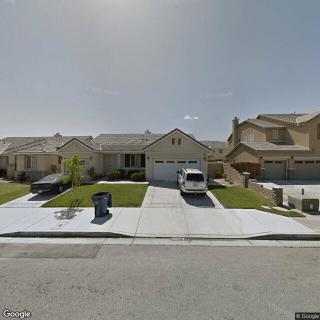
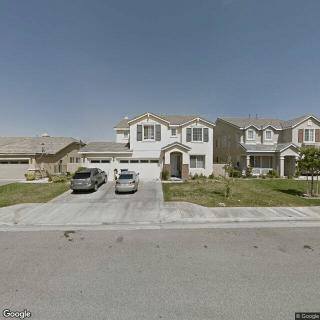
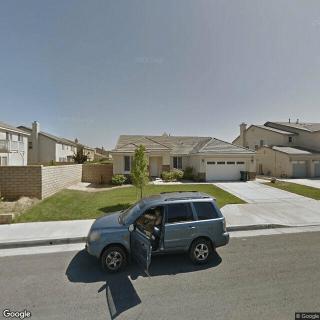
44812 Ruthron Street, Lancaster, CA 93536
For more information about senior living options: (866) 208-4318
Overall Review of Heavenly Home Care
Pros
 Forever Love Home Care is a warm and welcoming place for families.
- Mark and Mylene are the heart of the home, supported by an amazing staff who care for everyone like family.
- The facility is clean, calm, and well-run, which makes residents feel comfortable from the start.
- They provide honest and reassuring communication that keeps families in the loop.
- Forever Love Home Care comes highly recommended for loving and dependable care.
- They listen intently and pay close attention to each resident’s needs.
- They are patient and caring, and residents love their cooking.
- The atmosphere is calm and inviting, with friendly and caring staff.
- The home feels like a genuine home, not just a business, and is meticulously clean.
- The caregivers go above and beyond to ensure every resident’s experience is the best.
Review
Heavenly Home Care is best suited for families seeking a truly homelike, around-the-clock caregiving environment where residents are treated like family. The accounts describe a small, calm, and meticulously clean setting where caregivers form deep, personal connections with each resident. This model appeals especially to seniors who value routine, home-cooked meals, and stable, predictable care with constant access to familiar faces. It is particularly attractive for those navigating dementia or memory-care needs, where careful supervision and a warm, reassuring atmosphere can make daily life feel more manageable and dignified. In short, this is the choice for families who want love and continuity as the core of daily support.
The strongest positives center on human warmth and dependable availability. The caregivers are portrayed as patient, attentive, and genuinely invested, owners who lead with kindness and a staff culture that treats residents as members of a chosen family. The facility’s cleanliness and well-run operations reinforce a sense of safety and calm. Honest, ongoing communication with families stands out as a critical benefit, delivering trust and reducing the anxiety that often accompanies in-home transition or ongoing care. 24/7 care, responsive bell service, and personalized attention to preferences, down to favorite meals, turn daily routines into meaningful, reassuring experiences. The environment is noted to be supportive for dementia care, where continuity and gentle, respectful care matter most.
These advantages offset what could otherwise be significant drawbacks of small, home-style operations. The reviews show that the intimate setting does not compromise reliability; rather, it enhances it by fostering consistent relationships between residents and caregivers. Family members consistently feel informed and involved, which translates into less second-guessing about quality of life and daily support. When the need extends beyond routine assistance, staff’s willingness to accommodate individual food preferences, celebrate holidays, and welcome visitors creates a sense that care is not merely transactional but emotionally sustaining. In this way, the home’s strengths, availability, attentiveness, and a family-like culture, function as a counterbalance to the limitations that sometimes accompany smaller, non-institutional care homes.
Still, the strongest explicit caveat for those weighing options is the kind of care that may be required. For families seeking highly medicalized oversight, intensive skilled-nursing services, or extensive rehabilitation programs on site, a larger assisted living campus or a traditional nursing facility may be more appropriate. The intimate, home-based model thrives on personal attention and daily caregiving rather than formal, clinic-style medical infrastructure. Likewise, families looking for a broader slate of structured activities, formal therapy schedules, or a more clinical ambience should evaluate other options. The message is clear: this setting excels in warmth and day-to-day companionship, but it may not replicate the breadth of clinical resources found in bigger facilities.
To evaluate Heavenly Home Care effectively, prospective families should verify several practical details. Confirm licensing and staff-to-resident ratios, and probe for dementia-specific training among caregivers. Review how care plans are developed, updated, and communicated, and ask about night-time responsiveness and emergency protocols. Inspect visitation policies, flexibility for family involvement, and the transparency of monthly costs versus add-on services. Request a sample menu to gauge meal variety and customization, and clarify transition plans from hospital or acute care settings. Finally, visit at different times and observe how pace, noise, and routine feel in practice; these impressions often reveal the true heartbeat of daily life there.
Bottom line: for families prioritizing a true home atmosphere coupled with 24/7 compassionate care and open, proactive communication, this approach delivers a compelling, almost incomparable value. The combination of loving staff, attentive ownership, and a housekeeping standard that feels like living in a well-cared-for home creates a strong case for choosing such a setting when these attributes align with needs and budget. Only those whose priorities include extensive medical complexity, aggressive rehab services, or a larger institutional footprint should carefully weigh alternatives and compare their clinical offerings against what a home-centered model can noblely provide.
 6 resident community capacity
 Assisted Living
 Cable or satellite TV
 Dining room
 Fully furnished
 Garden
 Housekeeping services
 Move-in coordination
 Outdoor space
 Telephone
 Wi-Fi/high-speed internet available
 24-hour supervision
 Activities of daily living assistance
 Assistance with bathing
 Assistance with dressing
 Assistance with transfers
 Diabetes diet
 Meal preparation and service
 Medication management
 Special dietary restrictions
 Transportation arrangement (medical)
 Transportation to doctors appointments


 Social Security Benefits and Assisted Living: Navigating Options Across the U.S.
 An Extensive Exploration of the VA Aid and Attendance Benefit
 Senior Transition Services: Understanding Their Role, Cost, and Importance