Palm Terrace Healthcare and Rehabilitation

Save

  • Interior

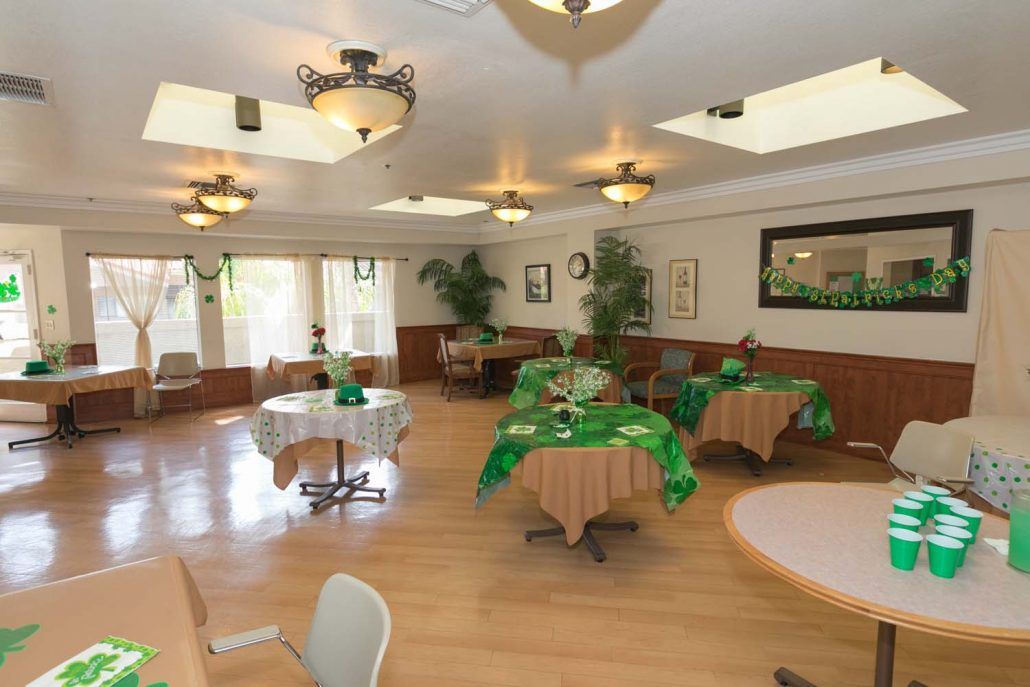
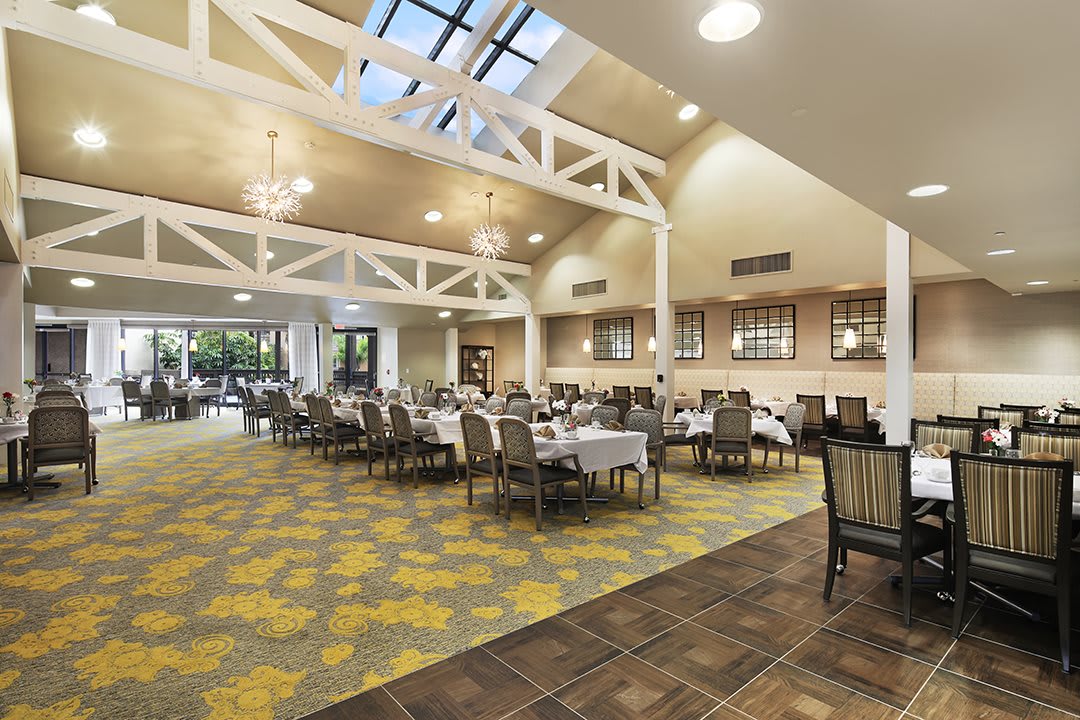
    A well-lit dining room with tables decorated in green and adorned with plants.
  • Decor

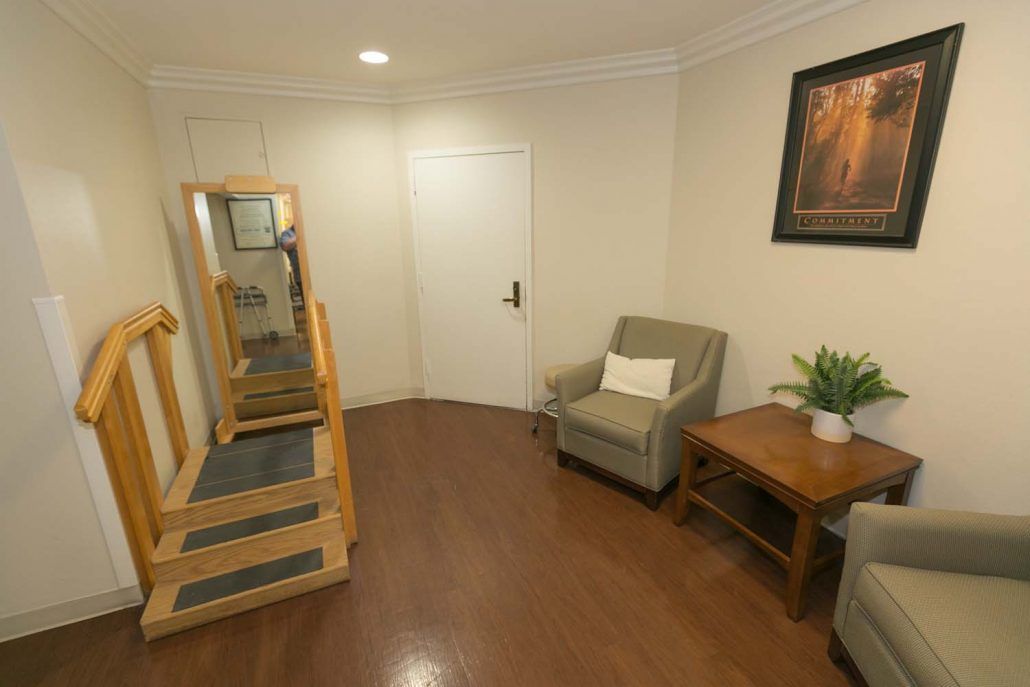
    A cozy hallway with a mirror, stairs, and a comfortable chair next to a small table.
  • Living Room

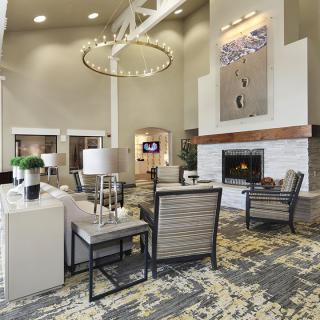
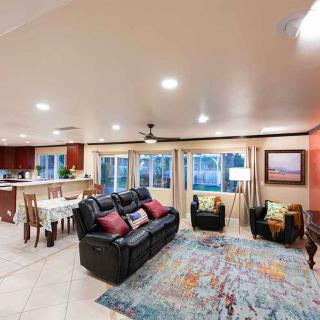
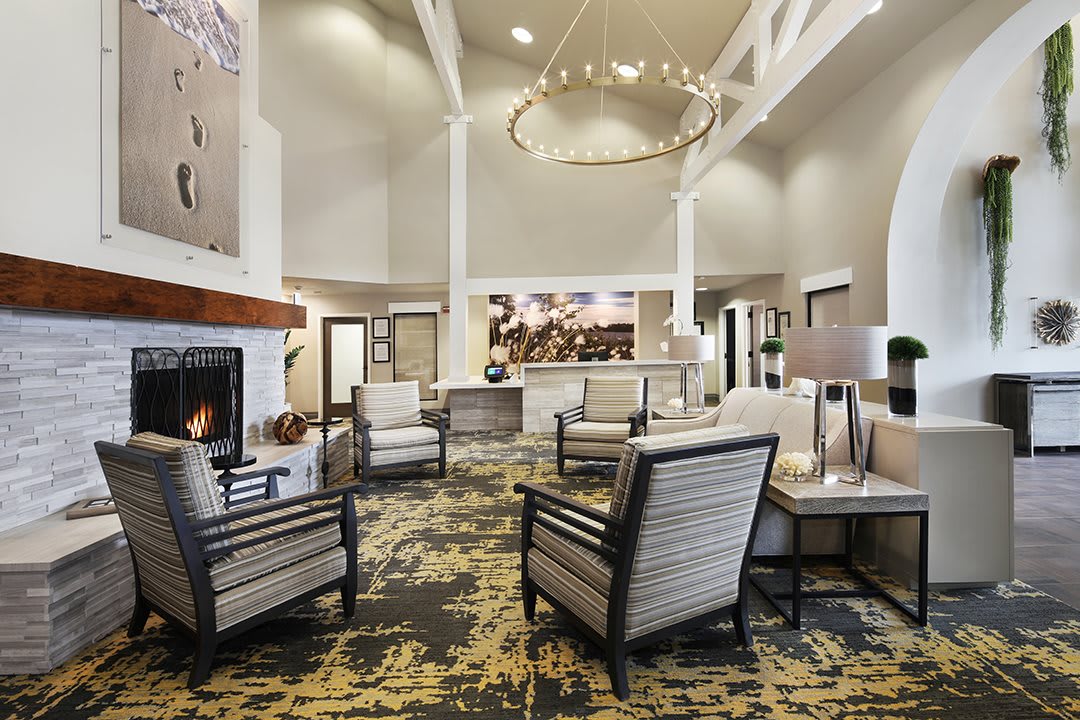
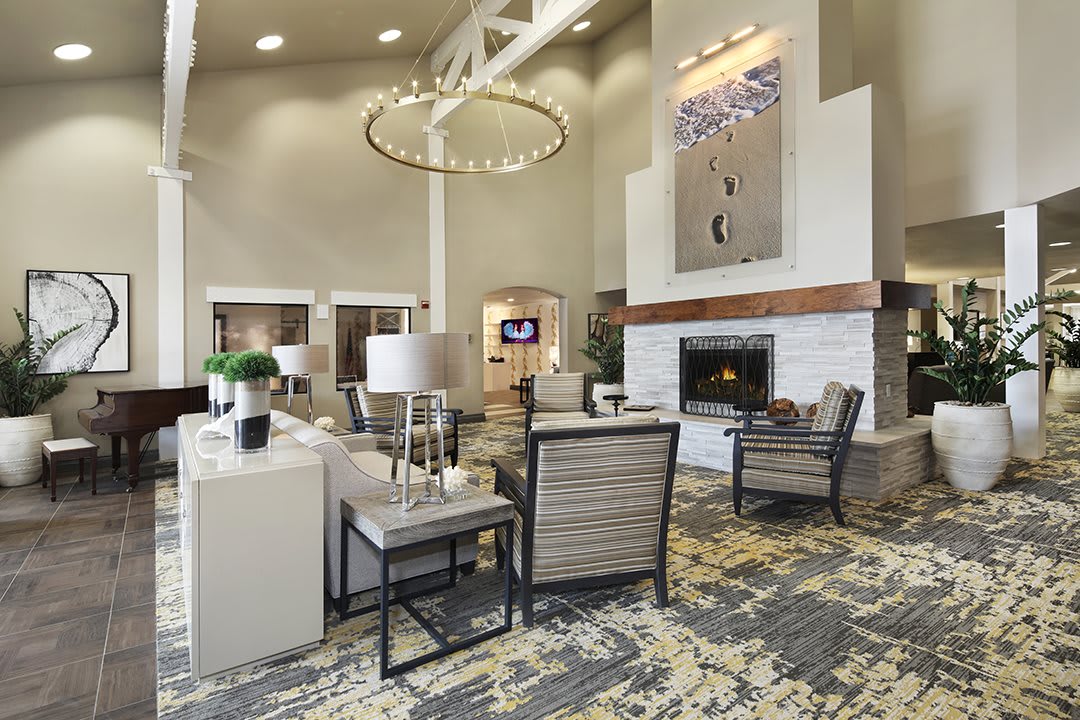
    A spacious and modern living room featuring elegant seating, a central fireplace, and a striking chandelier.
  • Building

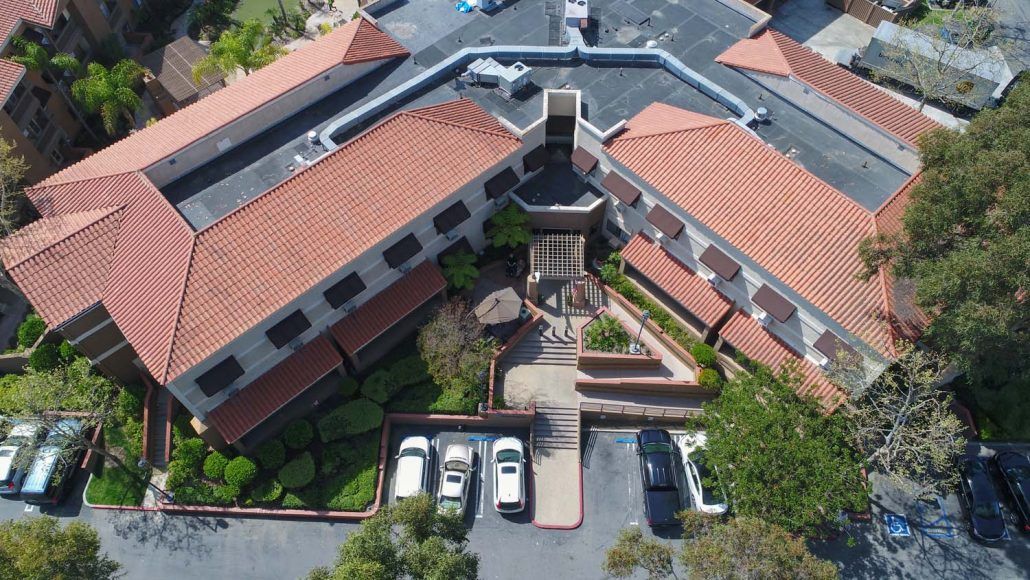
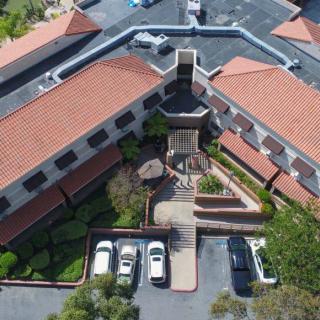
    Aerial view of a building complex with a central courtyard and adjacent parking area.
  • Architecture

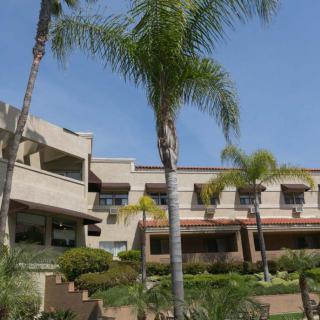
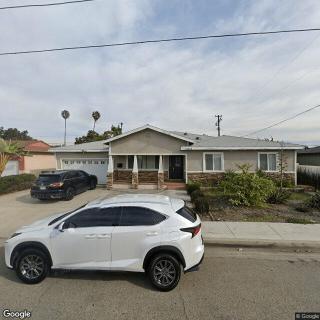
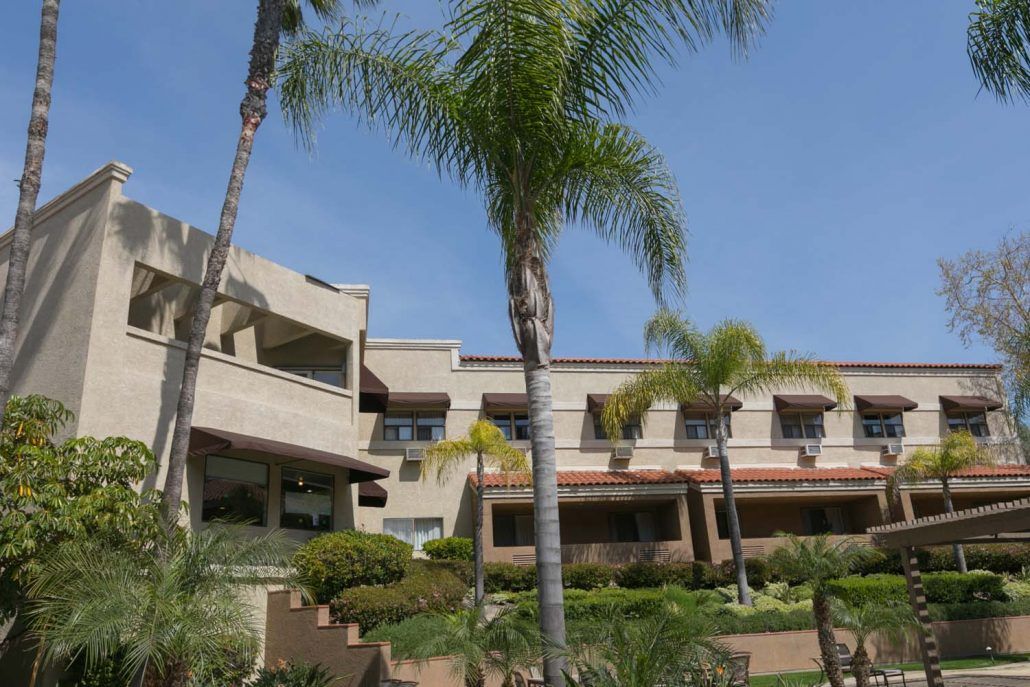
    A sunny day view of a modern building surrounded by palm trees.
  • Bedroom

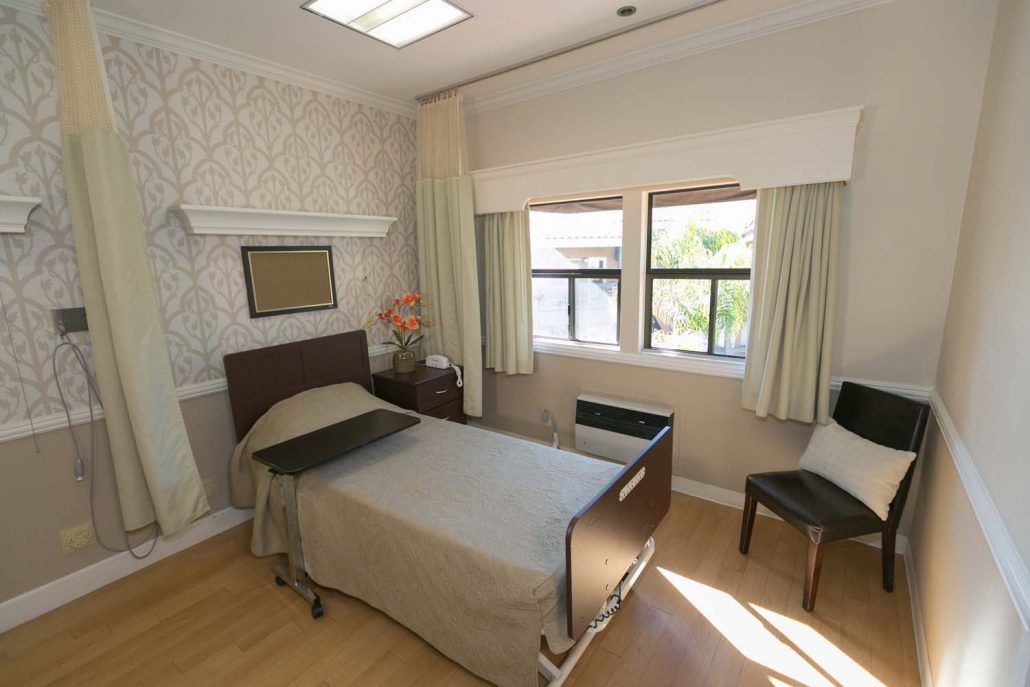
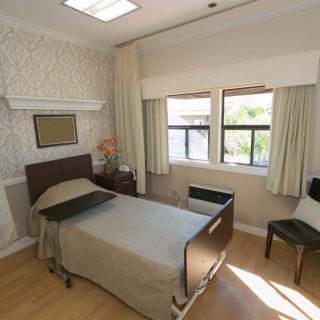
    A clean and bright hospital room with a single bed, chair, and large windows.
  • Windows

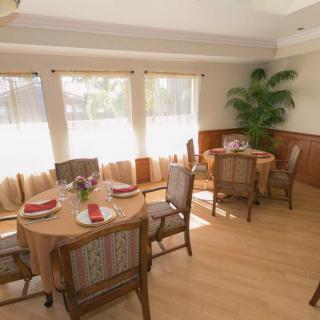
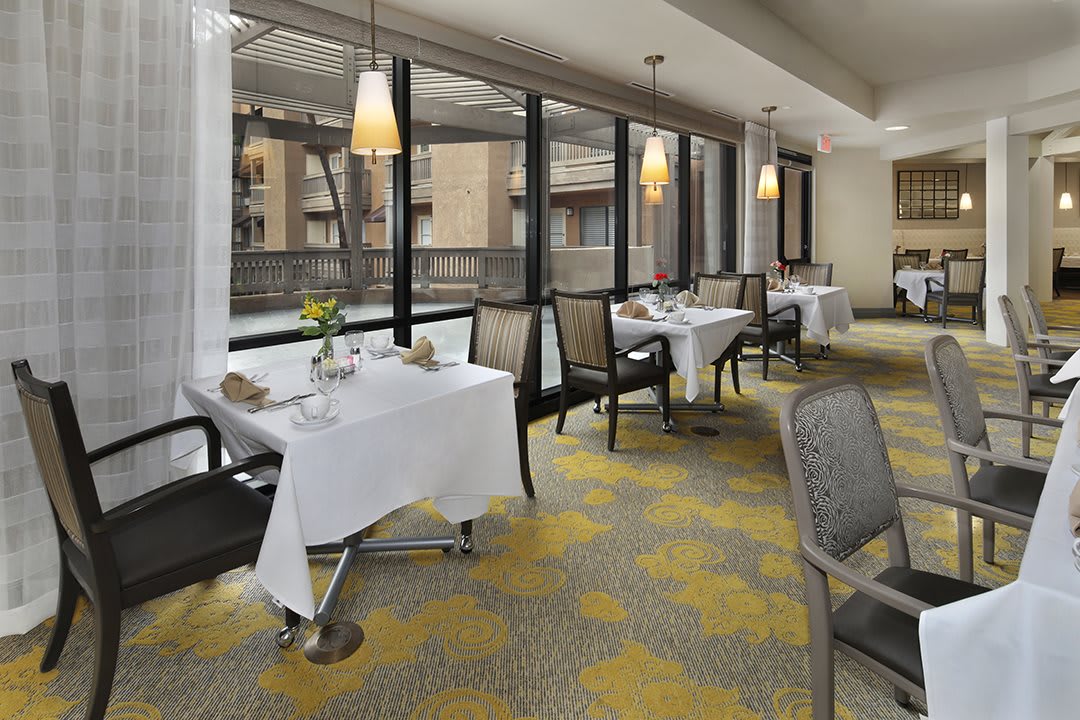
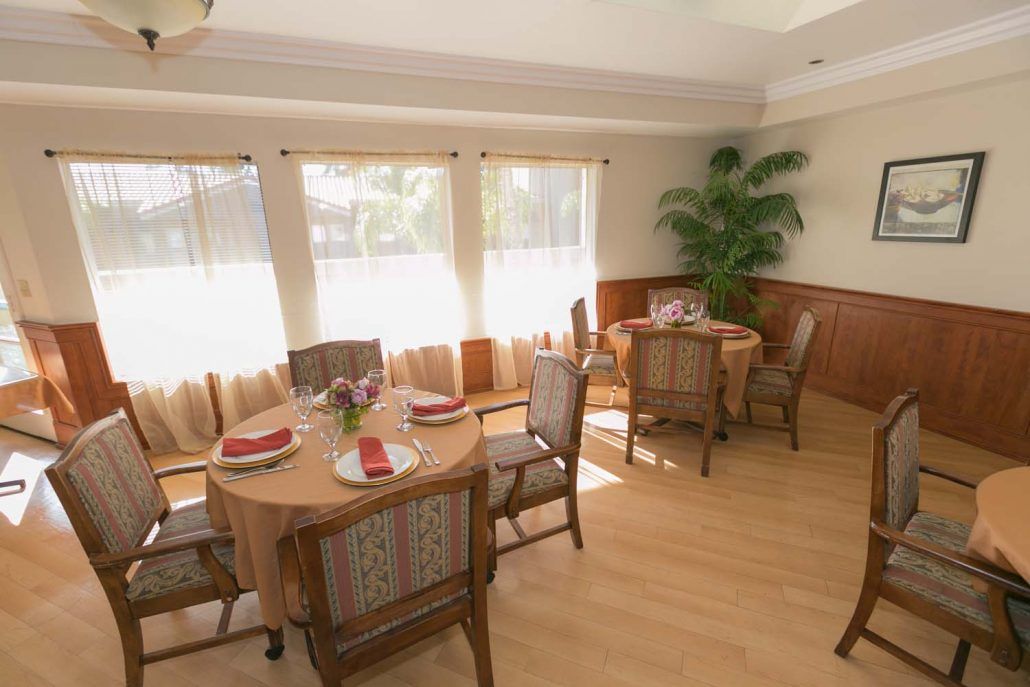
    A bright dining room with neatly set tables, wooden chairs, and large windows allowing sunlight to flood the space.
  • Dining

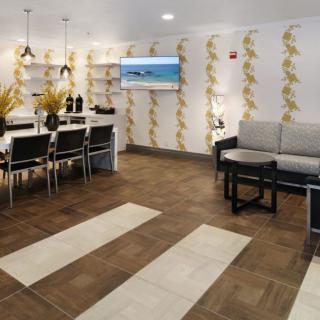
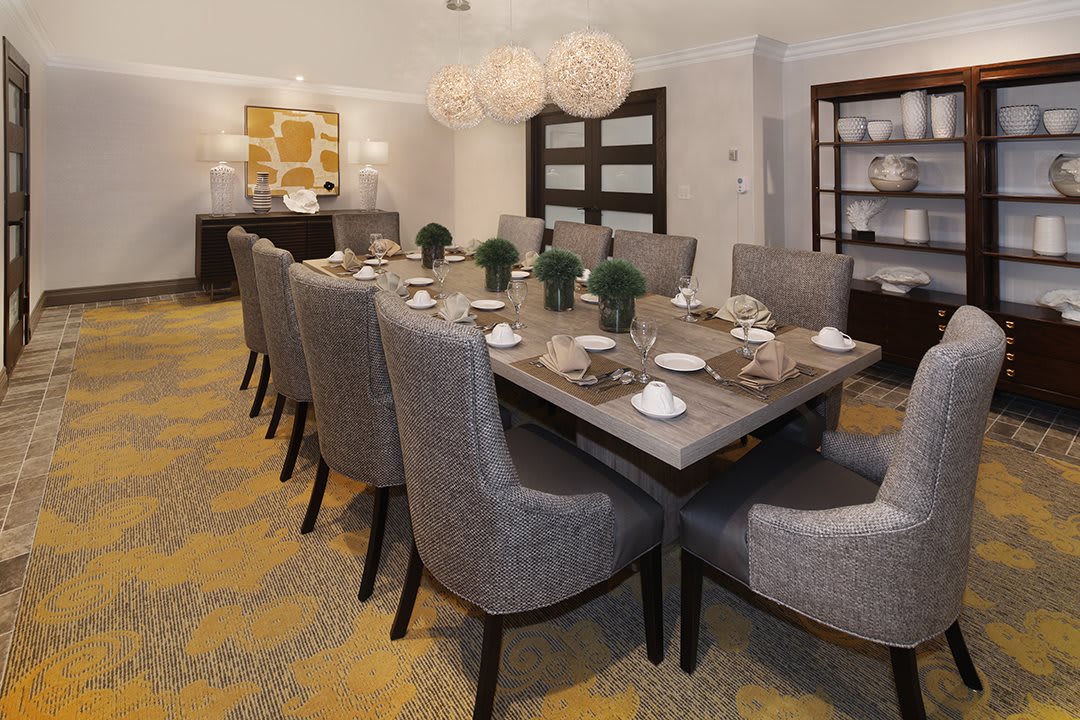
    A modern and elegant dining room with a stylish table set for a meal.
  • Kitchen

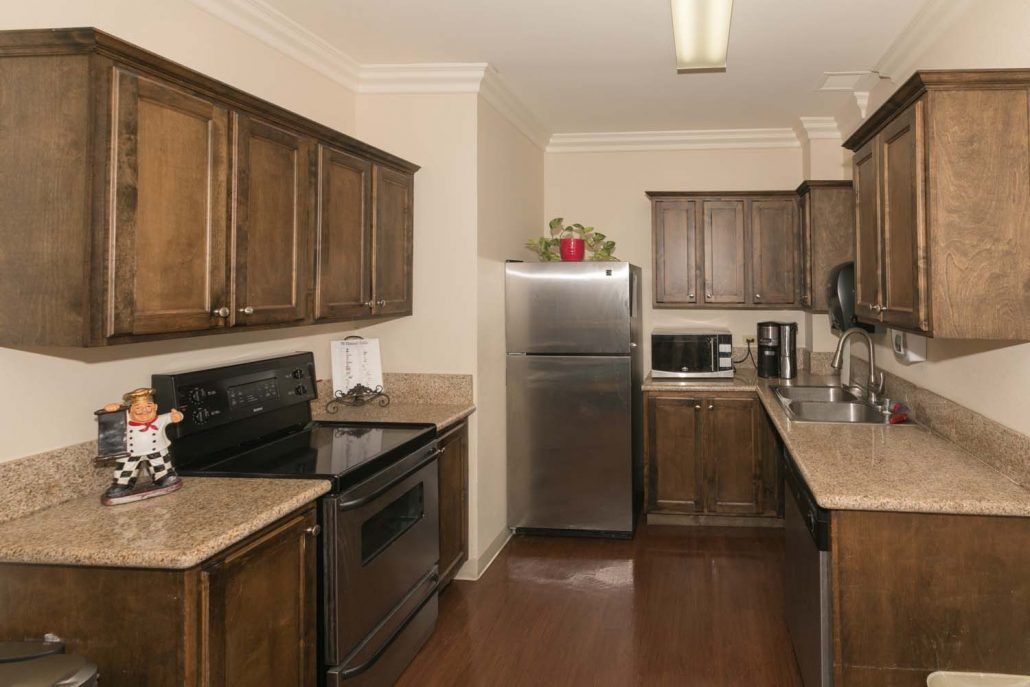
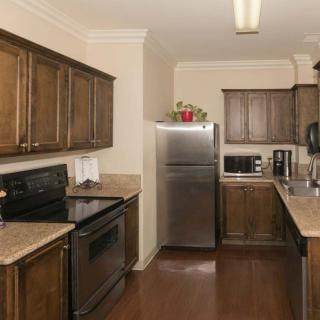
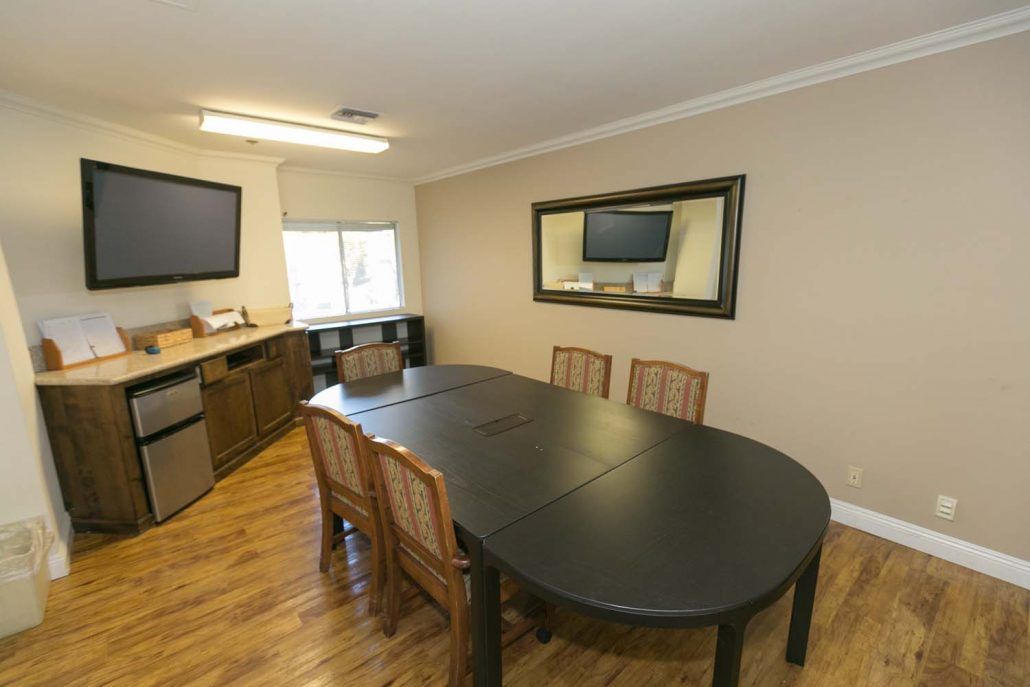
    A modern kitchen with wood cabinets and stainless steel appliances.
  • Lighting

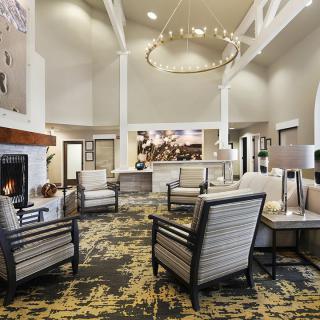
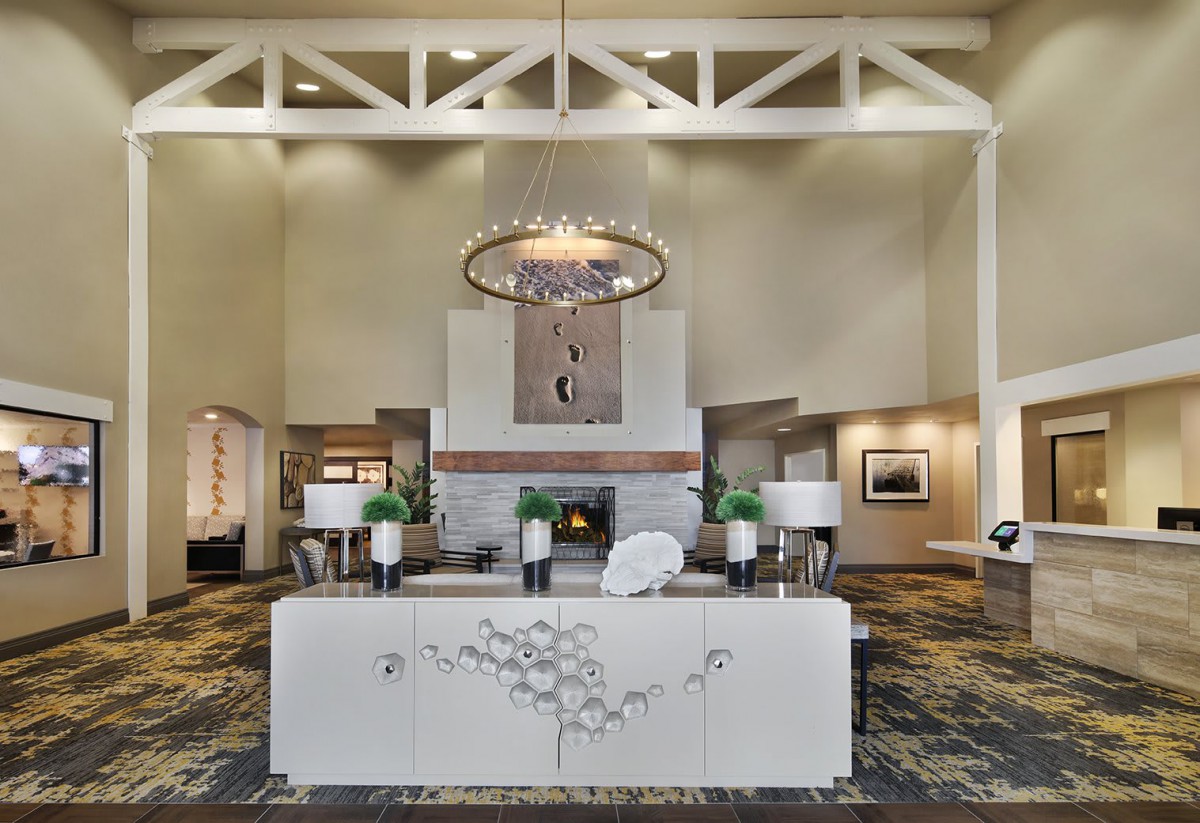
    A modern hotel lobby featuring comfortable seating, a warm fireplace, and elegant lighting fixtures.
  • Entrance

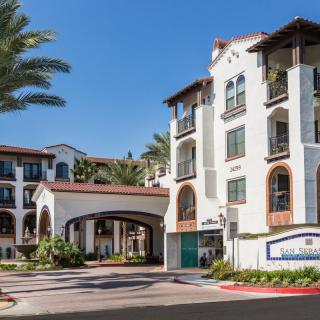
    A sunny view of a hotel's entrance with palm trees and elegant architecture.
  • Seating Area

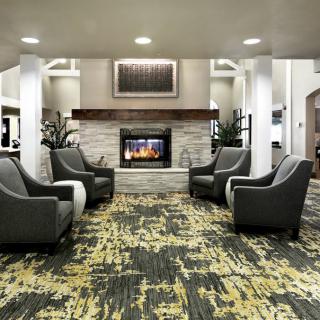
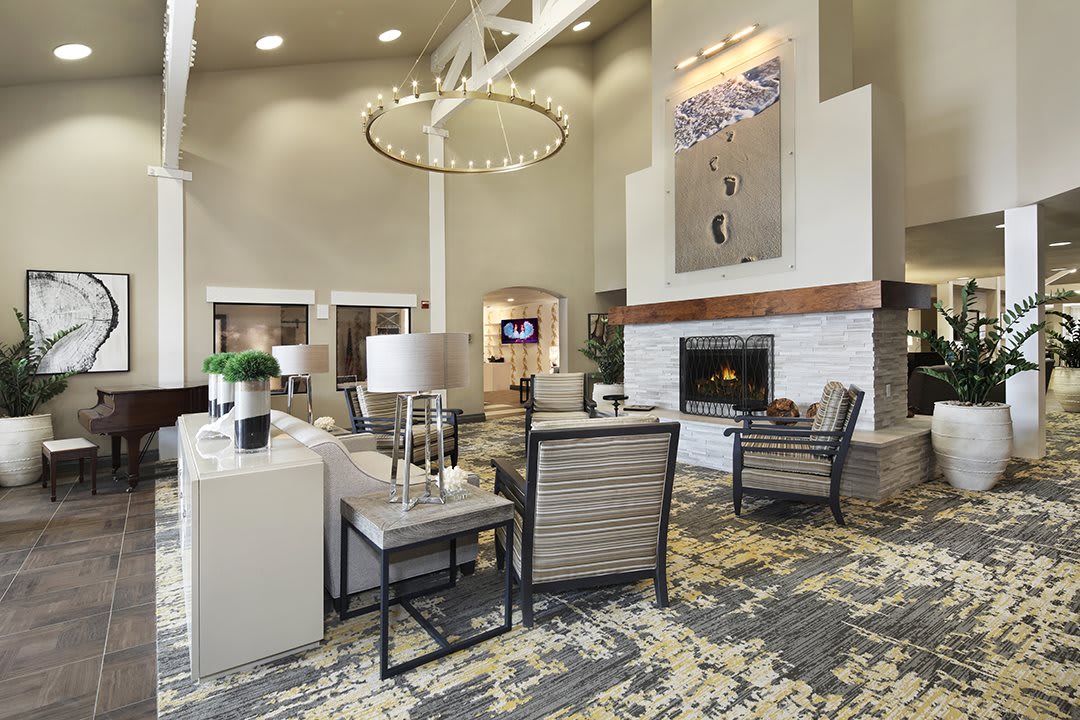
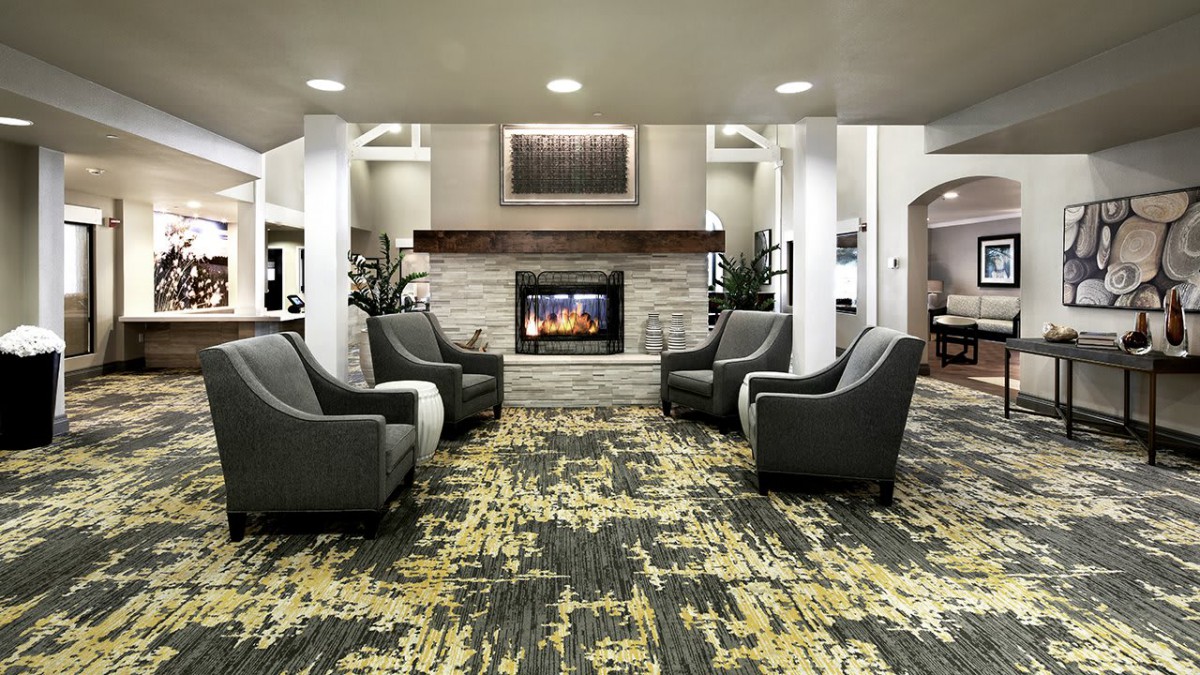
    A modern lobby featuring a cozy seating area with a fireplace and armchairs.
  • Fireplace

    A modern lobby featuring comfortable seating and a stylish fireplace.
  • Lobby

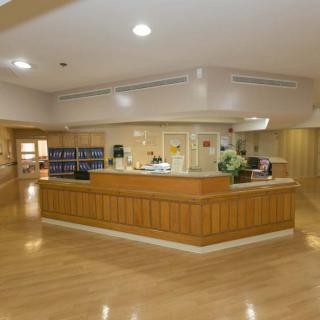
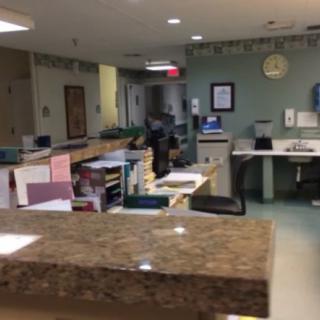
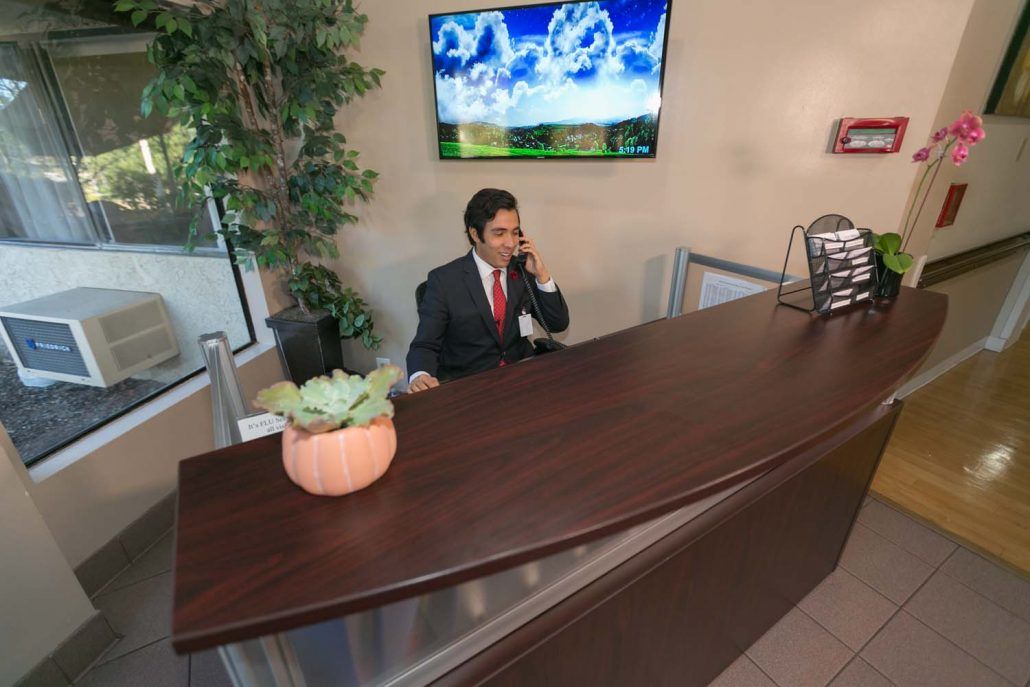
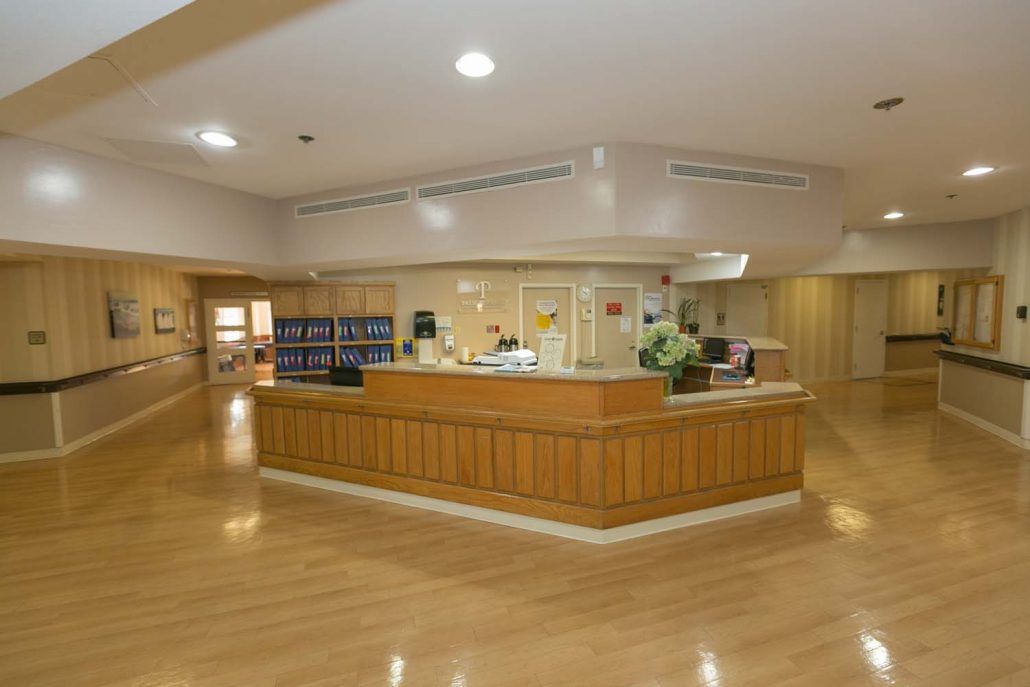
    A well-lit hospital reception area with a central desk and clean surroundings.

Palm Terrace Healthcare and Rehabilitation in Laguna Hills, CA

24962 Calle Aragon, Laguna Hills, CA 92637

For more information about senior living options: (844) 490-3973

4.3 from 135 reviews
5 stars
102
4 stars
8
3 stars
4
2 stars
7
1 stars
14

Assisted Living Independent Living Memory Care Skilled Nursing Facility

Palm Terrace Healthcare and Rehabilitation Costs & Pricing

Palm Terrace Healthcare and Rehabilitation offers competitive pricing for its various room types when compared to the broader market of Orange County and California. For instance, the cost of a studio at Palm Terrace is $3,995, which is slightly lower than the county average of $4,313 but more affordable than the state average of $4,145. When it comes to one-bedroom units, Palm Terrace's offering at $4,995 is higher than both the county and state averages. However, their semi-private rooms are positioned at $5,537 - significantly above county averages ($3,431) and state figures ($3,333), possibly reflecting enhanced amenities or services offered. Lastly, their two-bedroom option stands at $6,495, which also exceeds both county ($5,390) and state ($5,270) averages. Overall, while some room types are on par or below local averages, others suggest a premium service that may include additional care options valued by residents and their families.

Floor plansPalm Terrace Healthcare and RehabilitationOrange CountyCalifornia
Studio$3,995$4,313$4,145
1 Bedroom$4,995$4,380$4,340
Semi-Private$5,537$3,431$3,333
2 Bedrooms$6,495$5,390$5,270

What level of care are you interested in?

Assisted Living

Memory Care

Independent Living

Skilled Nursing Facility

Continuing Care Retirement Community (CCRC)CCRC

Other


Request a tour at Palm Terrace Healthcare and Rehabilitation

    Overall Review of Palm Terrace Healthcare and Rehabilitation

    Pros

    • pro Palm Terrace provides excellent care and support; the staff are attentive, compassionate, and consistently go above and beyond to keep residents comfortable and cared for.
    • pro The Palm Terrace team is what makes the SNF special; they are kind, compassionate, and professional.
    • pro The therapy team at Palm Terrace is excellent, with therapists like Jordan delivering compassionate, attentive care and clear, regular communication.
    • pro Palm Terrace Rehab Center is characterized by caring and professional staff in a clean, warm environment that puts families at ease.
    • pro The nurses, aides, and therapists are consistently dedicated, attentive, and genuinely caring for residents' recovery and well-being.
    • pro Palm Terrace is described as a beautiful facility with a warm, welcoming staff and well-maintained surroundings.
    • pro The administration and activities staff are supportive and communicate well with residents and families.

    Cons

    • pro They describe Palm Terrace as the worst by far among nursing homes and would not recommend it.
    • pro They urge others to avoid the facility altogether, claiming residents will only get worse in its care.
    • pro They report chronic understaffing and poor practices used to justify substandard care.
    • pro They allege a resident was left unattended and fell, requiring emergency care.
    • pro They claim jewelry belonging to a resident was stolen and not adequately addressed.
    • pro They describe call buttons being ignored for hours and insufficient communication with families.
    • pro They describe the facility as noisy with tiny rooms and disorganized rehab.
    • pro They recount a death attributed to neglect or slow response, and say staff did not treat it with urgency.

    Review

    Palm Terrace Healthcare and Rehabilitation in Laguna Hills is best suited for families prioritizing a strong, therapy-driven path to recovery and a warm, homelike environment. This community excels for residents who need intensive rehabilitation after a hospital stay and for families that want frequent progress updates and hands-on therapy from an engaged team. It works well for those who respond to a cohesive care culture where nurses, aides, and therapists are consistently described as compassionate, attentive, and willing to go the extra mile. It is less ideal for long-term memory care or for families seeking minimal daily oversight, constant clinical risk management, or a tightly controlled, zero-incident experience over the longer term.

    For families weighing Palm Terrace against alternatives, several red flags deserve explicit consideration. A notable subset of reviews highlights inconsistent staffing, slow call-bell responses, and gaps in communication with families and patients. There are even allegations of care lapses and, in extreme cases, adverse events tied to perceived mismanagement. These memories - and the fear they evoke - make it important to compare Palm Terrace with other South Orange County options that emphasize stronger daily oversight, more transparent family communication, and steadier governance. Alternatives such as Ivy Park of Wellington in Laguna Woods offer memory-care integration, robust on-site therapy, and highly responsive social work teams; Las Palmas presents a different balance of dining, atmosphere, and activity with its own mixed track record. These contrasts matter when the priority shifts from "great rehab outcomes" to "unshakeable daily safety and consistent communication."

    The strongest positives at Palm Terrace lie in therapy and daily care quality. The rehabilitation department earns repeated praise for individualized treatment plans that push patients toward meaningful gains, with therapists like Jordan, Reggie, Neena, and their colleagues repeatedly cited for expertise, motivation, and dependable follow?through. Families report real mobility improvements, safer transfers, and the confidence that a dedicated therapy team maintains momentum even as patients approach discharge. The facility's environment - bright, clean, and well maintained - contributes to a sense of safety and calm, while meals and daily activities are frequently described as well managed. In short, for residents whose recovery hinges on excellent PT/OT and a reassuring, well-organized setting, Palm Terrace delivers tangible, valuable results.

    Yet the cons shadow the positives enough to shape a cautious view. Concerns about understaffing at night, slow call responses, and occasional lapses in medical communication recur in reviews from multiple families. In a minority of cases, families report feeling brushed off or left to advocate aggressively for routine care, and a few accounts describe serious procedural or safety failures. The most severe reminders - claims of mishandled medications, delayed responses, or unsatisfactory handling of transitions - underscore a reality: having a highly capable therapy team does not automatically translate into flawless day-to-day operations. For families prioritizing reliable, consistently proactive staffing and unwavering family engagement, these gaps are enough to prompt serious consideration of alternatives.

    That said, the pros can offset the cons when the decision hinges on rehab-forward goals and a supportive environment. Palm Terrace often fulfills two critical needs at once: pushing patients through intense, outcome-oriented rehabilitation and maintaining a nurturing atmosphere that eases anxiety around recovery. For many families, ongoing communication from therapists and nurses during a patient's stay, combined with visible progress and well?coordinated discharge planning, mitigates the emotional burden of inpatient rehab. When family members can stay connected - visiting, requesting updates, and participating in care planning - the facility's strengths become more reliable and persuasive. In these terms, Palm Terrace remains a legitimate, even strong option for those with clear rehab objectives and robust family involvement.

    The practical verdict rests on aligning needs with risks. For someone seeking rapid, results-driven rehabilitation in a facility that feels welcoming and well-run on most days, Palm Terrace can be an excellent match - provided there is diligent, ongoing family oversight and clear expectations about communication and staffing. However, for families whose comfort hinges on sustained, predictable daily care - especially in memory care or long-term scenarios where calm, consistent leadership matters - alternatives deserve serious consideration. Prospective residents should schedule a thorough tour, request direct conversations with the therapy lead and the social services team, and probe with recent residents and their families about response times, medication handling, and the day-to-day cadence of care. If clarity and consistency are nonnegotiable, Ivy Park of Wellington or Las Palmas may prove more reliable long-term options. Palm Terrace remains a strong contender for rehab-focused care, but not a one-size-fits-all solution.

    Features

    Housing

    • 99 resident community capacity 99 resident community capacity
    • 1-bedroom apartments 1-bedroom apartments1-bedroom apartments are important for seniors because they provide a sense of independence, privacy, and autonomy while still offering the necessary space for comfortable living. These apartments allow seniors to maintain their own personal space and lifestyle preferences in a supportive community setting.
    • 2-bedroom apartments 2-bedroom apartments2-bedroom apartments are important for seniors because they provide extra space for guests, hobbies, and caregivers, as well as potential for additional income through roommates or rental.
    • Studio apartments Studio apartmentsStudio apartments are important for seniors because they offer a smaller, more manageable living space that is easier to navigate and maintain as physical abilities decline. Additionally, studio apartments provide seniors with independence and privacy while still being part of a community that offers support and social opportunities.

    Types of Care

    • Assisted Living Assisted LivingAssisted living facilities provide crucial support and care for seniors who may need help with daily tasks such as medication management, bathing, and meal preparation. These communities offer a safe and comfortable environment where seniors can maintain their independence while receiving the assistance they need to thrive in their golden years.
    • Independent Living Independent LivingIndependent living communities are important for seniors because they offer a safe and supportive environment where older adults can live independently while still having access to amenities and services that enhance their quality of life. These communities provide social opportunities, recreational activities, and assistance with daily tasks, promoting overall well-being and allowing seniors to maintain their independence for as long as possible.
    • Memory Care Memory CareMemory care is crucial for seniors as it provides specialized support and services for individuals with dementia or Alzheimer's disease. These programs offer a safe and secure environment where residents receive personalized care, cognitive stimulation, and help with daily activities. Memory care helps seniors maintain their independence, quality of life, and dignity while also providing peace of mind for their families.
    • Skilled Nursing Facility Skilled Nursing FacilitySkilled Nursing Facilities are crucial for seniors as they provide round-the-clock medical care, rehabilitation services, and assistance with daily activities. These facilities ensure that seniors receive the specialized care they need to maintain their health and well-being as they age.

    Amenities

    • Activities off-site Activities off-siteEngaging in off-site activities is crucial for seniors to maintain social connections, stay active, and stimulate their minds. It promotes overall well-being and helps combat feelings of isolation and loneliness.
    • Activities on-site Activities on-siteActivities on-site are important for seniors because they provide opportunities for socialization, mental stimulation, physical activity, and overall well-being. Engaging in activities can help seniors stay active, maintain their independence, and improve their quality of life.
    • Air-conditioning Air-conditioningAir conditioning is important for seniors as they are more vulnerable to heat-related illnesses and may have underlying health conditions that make it difficult for them to regulate their body temperature. It helps to keep them comfortable, safe, and healthy in hot weather.
    • Beautician on-site Beautician on-siteHaving a beautician on-site at a senior living community is important for seniors as it allows them to easily access grooming and personal care services, boosting their self-esteem and overall well-being. It also provides convenience and helps seniors maintain their sense of independence and personal style.
    • Beauty salon Beauty salonBeauty salons are important for seniors because they provide a space for them to feel pampered, socialize, and maintain their personal grooming and hygiene. Regular visits to a beauty salon can help boost seniors' self-esteem and overall well-being.
    • Cable or satellite TV Cable or satellite TVCable or satellite TV is important for seniors because it provides entertainment, news, and companionship, helping to combat loneliness and boredom. It also offers a wide range of programming options tailored to different interests and preferences.
    • Cafe CafeCafes are important for seniors because they provide a social setting where they can connect with others, enjoy a meal or beverage, and engage in activities that promote mental stimulation and overall well-being. Additionally, cafes offer a convenient and accessible option for seniors to dine out without the hassle of preparing meals at home.
    • Computer center Computer centerA computer center is essential for seniors as it provides access to technology, communication tools, and resources that can enhance their daily lives. It allows them to stay connected with loved ones, engage in online activities, and learn new skills, ultimately promoting socialization and mental stimulation.
    • Devotional services off-site Devotional services off-siteDevotional services off-site are important for seniors as they provide spiritual nourishment, social engagement, and a sense of community outside of the senior living facility. This can enhance overall well-being and help combat feelings of isolation and loneliness often experienced by older adults.
    • Devotional services on-site Devotional services on-siteDevotional services on-site provide seniors with spiritual support and a sense of community, as well as an opportunity for reflection and guidance during their senior living experience. This can promote emotional well-being and connection to others, leading to a more fulfilling and enriching lifestyle in their later years.
    • Dining room Dining roomDining rooms are important for seniors as they provide a space for socialization, connection, and nutritious meals. They offer opportunities for residents to bond over shared meals, foster a sense of community, and promote healthy eating habits. Dining rooms also ensure that seniors have access to well-balanced meals tailored to their dietary needs and preferences.
    • Family private dining rooms Family private dining roomsFamily private dining rooms are important for seniors as they provide a space for quality time with loved ones, encourage social interaction, and allow for a sense of normalcy and comfort in their living environment. This can greatly improve their overall well-being and quality of life.
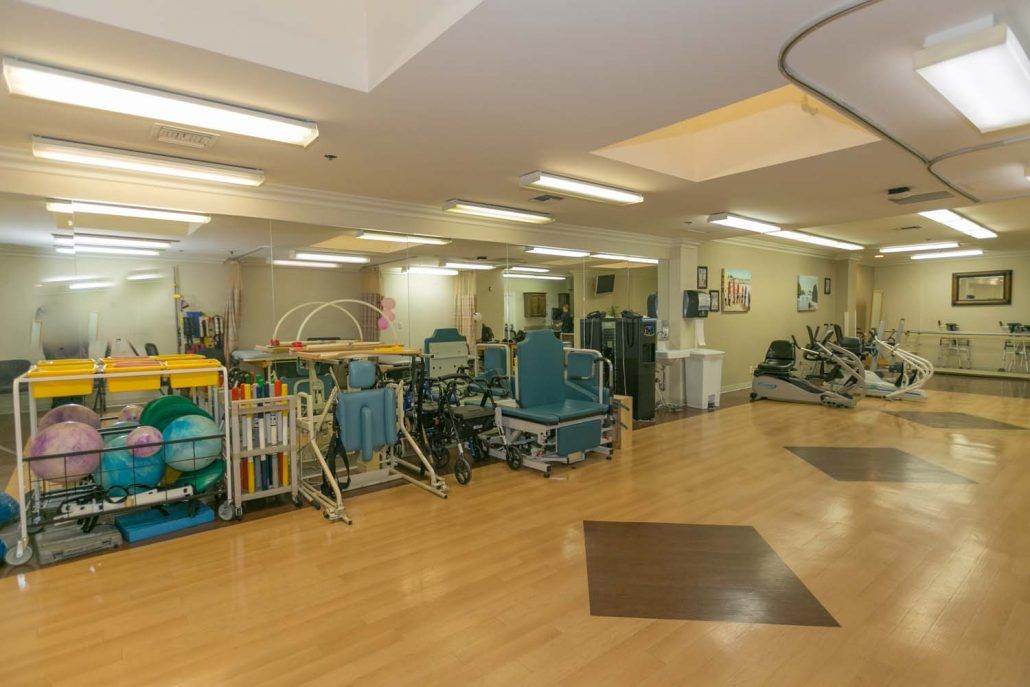
    • Fitness room Fitness roomHaving a fitness room in a senior living community is essential for seniors to stay active, maintain their physical health, and improve their overall well-being. Regular exercise can help prevent falls, reduce the risk of chronic diseases, and promote mental sharpness. It also provides social opportunities for residents to connect with others and enjoy a sense of community.
    • Fully furnished Fully furnishedFully furnished senior living communities are important for seniors because they provide convenience, comfort, and a hassle-free moving experience. Seniors can easily settle into their new living space without the stress of having to buy and move furniture. This allows them to focus on enjoying their new home and community.
    • Gaming room Gaming roomGaming rooms are important for seniors as they provide a fun and engaging environment for socializing, cognitive stimulation, and physical activity. Games can improve memory, problem-solving skills, and overall mental well-being while fostering friendships and reducing feelings of isolation.
    • Garden GardenGardens are important for seniors as they provide a peaceful and therapeutic environment for relaxation, physical activity, and socialization. Being in nature has been shown to reduce stress, improve mood, and promote overall well-being. Gardens also offer opportunities for seniors to engage in gardening activities, which can improve mobility, flexibility, and cognitive function. Additionally, gardens create a sense of community and connection with others who share a passion for plants and outdoor spaces.
    • Housekeeping services Housekeeping servicesHousekeeping services are important for seniors because they help maintain a clean and safe living environment, promote independence, and reduce the risk of accidents or illnesses. Additionally, having assistance with household chores can alleviate physical strain and allow seniors to focus on other aspects of their well-being.
    • Indoor common areas Indoor common areasIndoor common areas are crucial for seniors as they provide a space for socialization, recreation, and community engagement, promoting overall well-being and reducing feelings of isolation and loneliness.
    • Kitchenette KitchenetteKitchenettes are important for seniors living in senior living communities because they provide the convenience and independence of being able to prepare simple meals and snacks in the comfort of their own living space. This can help promote a sense of autonomy and well-being for seniors, allowing them to maintain some level of control over their dietary choices and daily routines.
    • Move-in coordination Move-in coordinationMove-in coordination is important for seniors because it helps ease the transition into their new living environment. It ensures that all logistics, such as packing, organizing movers, and setting up utilities are taken care of, allowing seniors to focus on settling in and adjusting to their new home. Having a smooth move-in process can alleviate stress and anxiety, making the transition smoother and more enjoyable for seniors.
    • Organic food and ingredients Organic food and ingredientsOrganic food and ingredients are important for seniors because they offer higher nutrient content, fewer harmful chemicals, and can help improve overall health and well-being as individuals age. Organic food is also more environmentally sustainable, making it a healthier choice for both seniors and the planet.
    • Outdoor common areas Outdoor common areasOutdoor common areas are important for seniors as they provide a space for socialization, physical activity, and relaxation. Being outside in nature can improve mood and overall well-being, while also encouraging movement and engagement with others. These spaces can help combat feelings of isolation and promote a sense of community among residents.
    • Outdoor space Outdoor spaceOutdoor spaces are important for seniors as they provide opportunities for physical activity, social interaction, exposure to natural light and fresh air, and a sense of connection to nature. Having access to outdoor spaces can improve overall well-being and quality of life for older adults living in senior communities.
    • Private bathrooms Private bathroomsPrivate bathrooms are important for seniors in senior living communities because they provide independence, dignity, and comfort. Having a private bathroom allows seniors to maintain their personal hygiene routines without the need for assistance, promoting a sense of autonomy and privacy. Additionally, private bathrooms help prevent the spread of infections and provide a safe and clean environment for seniors to navigate safely.
    • Respite or short term stays offered Respite or short term stays offeredRespite or short term stays provide seniors with a temporary solution when their regular caregiver is unavailable, offering them the opportunity to receive additional care and support during times of need, while also giving caregivers a chance to rest and recharge.
    • Restaurant-style dining Restaurant-style diningRestaurant-style dining is important for seniors because it allows them to enjoy delicious, nutritious meals in a social and upscale setting. This enhances their dining experience, promotes healthy eating habits, and fosters socialization with fellow residents, ultimately contributing to their overall well-being and quality of life.
    • Small library Small librarySmall libraries are important for seniors as they provide access to a variety of reading materials, including books, newspapers, and magazines. This can help stimulate their minds, keep them engaged, and provide a sense of community through book clubs and other social activities. Additionally, reading has been shown to improve cognitive function and overall mental well-being in older adults.
    • Swimming pool / hot tub Swimming pool / hot tubSwimming pools and hot tubs are important for seniors as they provide a safe and enjoyable way to stay active, improve mobility, reduce joint pain, and promote relaxation. Regular use of these amenities can contribute to overall well-being and quality of life for older adults living in senior communities.
    • Telephone TelephoneTelephones are important for seniors as they provide a lifeline for communication with loved ones, emergency services, and healthcare providers. They offer a sense of security and independence, enabling seniors to stay connected and access assistance when needed.
    • Wellness center Wellness centerWellness centers are important for seniors because they offer a variety of programs and services that promote physical, mental, and emotional well-being. These centers provide opportunities for exercise, socialization, education, and relaxation, helping seniors maintain their overall health and quality of life.
    • Wheelchair accessible showers Wheelchair accessible showersWheelchair accessible showers are crucial for seniors as they provide a safe and independent bathing option for those with mobility challenges. These showers help prevent falls and allow seniors to maintain their dignity and autonomy while ensuring they can bathe comfortably.
    • Wi-Fi/high-speed internet available Wi-Fi/high-speed internet availableWi-Fi/high-speed internet is important for seniors to stay connected with loved ones, access online resources, and participate in virtual activities to combat feelings of loneliness and isolation. It also allows them to easily manage healthcare needs, access entertainment, and engage in lifelong learning opportunities.

    Transportation

    • John Wayne Orange Co (10 miles away) John Wayne Orange Co (10 miles away)
    • Community operated transportation Community operated transportationCommunity operated transportation is crucial for seniors as it provides them with the means to access essential services, social activities, and medical appointments. It allows seniors to maintain their independence and quality of life by ensuring they can participate in activities outside of their homes. Additionally, community-operated transportation services offer a safe and reliable way for seniors to travel without having to rely on family or friends for assistance.
    • Transportation arrangement Transportation arrangementTransportation arrangements are crucial for seniors as they may face challenges with driving, mobility, or access to public transportation. Having reliable transportation services ensures that seniors can easily attend appointments, social activities, and maintain their independence and quality of life.

    Care Services

    • 12-16 hour nursing 12-16 hour nursing12-16 hour nursing care is crucial for seniors in order to ensure around-the-clock monitoring, timely medication administration, and prompt response to any health concerns or emergencies. This level of care helps to promote the overall well-being and safety of seniors living in senior living communities.
    • 24-hour call system 24-hour call system24-hour call systems are important for seniors because they provide peace of mind and immediate assistance in case of emergencies. This technology ensures that help is always available, promoting safety and security for elderly individuals living alone or in assisted living facilities.
    • 24-hour nursing 24-hour nursing24-hour nursing is important for seniors because it provides round-the-clock medical care and support, ensuring their health and safety are consistently monitored and attended to. This level of care can help prevent emergencies, manage chronic conditions, and provide peace of mind for both seniors and their families.
    • 24-hour supervision 24-hour supervision24-hour supervision is important for seniors to ensure their safety, well-being, and access to immediate assistance in case of emergencies or health issues. This constant support provides peace of mind for both seniors and their loved ones, allowing them to age in place with dignity and security.
    • Activities of daily living assistance Activities of daily living assistanceActivities of daily living assistance are important for seniors because they provide essential support with tasks such as eating, bathing, dressing, and mobility. This assistance helps seniors maintain their independence, dignity, and overall quality of life as they age.
    • Assistance with bathing Assistance with bathingAssistance with bathing is crucial for seniors as it helps maintain personal hygiene, prevents infections, and ensures their overall well-being and comfort. It also provides a sense of dignity and independence for seniors who may struggle with this task on their own.
    • Assistance with dressing Assistance with dressingAssistance with dressing is important for seniors because it helps maintain their independence, promotes personal hygiene, prevents accidents and injuries, and improves overall quality of life. This service ensures that seniors can continue to dress comfortably and confidently, despite any physical limitations they may have.
    • Assistance with transfers Assistance with transfersAssistance with transfers is crucial for seniors as it helps prevent falls and injuries, maintains their independence, and ensures they can safely navigate their living environment. It also provides peace of mind for both seniors and their loved ones.
    • Diabetes diet Diabetes dietA diabetes diet is crucial for seniors as it helps manage blood sugar levels, reduce risks of complications, and improve overall health and well-being. By following a balanced and nutritious diet tailored to their specific needs, seniors can better control their diabetes and enhance their quality of life.
    • Diabetic care Diabetic careDiabetic care is crucial for seniors as they are more susceptible to developing diabetes due to aging and other health conditions. Proper management of diabetes can help prevent complications such as heart disease, vision loss, and nerve damage, improving the overall quality of life for seniors in senior living communities.
    • High acuity care High acuity careHigh acuity care is important for seniors because it provides specialized medical attention and support for individuals with complex medical needs. This level of care ensures that seniors receive the appropriate treatment and assistance to maintain their health and quality of life as they age.
    • Incontinence care Incontinence careIncontinence care is essential for seniors to maintain their dignity, hygiene, and overall quality of life. By addressing incontinence issues promptly and effectively, seniors can enjoy a sense of independence and comfort in their daily activities.
    • Meal preparation and service Meal preparation and serviceMeal preparation and service are crucial for seniors as they may have limited mobility or energy to cook nutritious meals. Having access to healthy and convenient food options can ensure they are getting the proper nutrition needed to maintain their overall health and well-being.
    • Medication management Medication managementMedication management is crucial for seniors to ensure they are taking the right medications at the correct dosages and times. This helps prevent adverse drug interactions, reduces the risk of medication errors, and promotes overall health and well-being. Proactive management also allows for adjustments as needed based on changing health conditions or new prescriptions.
    • Mental wellness program Mental wellness programMental wellness programs are essential for seniors as they promote cognitive stimulation, emotional support, and social engagement. These programs help prevent isolation, depression, and cognitive decline, ultimately enhancing the overall quality of life for older adults.
    • Physical therapy Physical therapyPhysical therapy is essential for seniors to maintain and improve their mobility, strength, and overall quality of life. It helps reduce pain, prevent falls, and enhance independence in daily activities. By promoting movement and function, physical therapy can help seniors stay active, healthy, and engaged in their communities.
    • Special dietary restrictions Special dietary restrictionsSpecial dietary restrictions are important for seniors because age-related changes in metabolism and health conditions can make it difficult for their bodies to process certain foods. By following a diet tailored to their specific needs, seniors can maintain their overall health and well-being, manage chronic conditions, and reduce the risk of complications such as malnutrition or food interactions with medications.
    • Transportation arrangement (medical) Transportation arrangement (medical)Transportation arrangements for medical purposes are essential for seniors as they may have difficulty driving themselves to appointments or accessing public transportation. Having reliable and safe transportation options ensures that seniors can receive timely medical care and maintain their health and well-being.

    Dining

    • Diabetes diet Diabetes dietA diabetes diet is crucial for seniors as it helps manage blood sugar levels, reduce risks of complications, and improve overall health and well-being. By following a balanced and nutritious diet tailored to their specific needs, seniors can better control their diabetes and enhance their quality of life.
    • Meals provided Meals provided"Meals provided" are crucial for seniors in assisted living communities as it ensures they have access to nutritious, balanced meals without the stress of meal planning and preparation. This can help promote overall health and well-being for seniors who may have limited mobility or cognitive abilities.
    • Special dietary restrictions Special dietary restrictionsSpecial dietary restrictions are important for seniors because age-related changes in metabolism and health conditions can make it difficult for their bodies to process certain foods. By following a diet tailored to their specific needs, seniors can maintain their overall health and well-being, manage chronic conditions, and reduce the risk of complications such as malnutrition or food interactions with medications.
    • Vegetarian VegetarianA vegetarian diet is important for seniors because it can help lower the risk of chronic diseases, maintain a healthy weight, and provide essential nutrients needed for aging bodies. Additionally, plant-based diets are often easier on digestive systems and can contribute to overall well-being in older adults.

    Activities

    • Activities off-site Activities off-siteEngaging in off-site activities is crucial for seniors to maintain social connections, stay active, and stimulate their minds. It promotes overall well-being and helps combat feelings of isolation and loneliness.
    • Activities on-site Activities on-siteActivities on-site are important for seniors because they provide opportunities for socialization, mental stimulation, physical activity, and overall well-being. Engaging in activities can help seniors stay active, maintain their independence, and improve their quality of life.
    • Community-sponsored activities Community-sponsored activitiesCommunity-sponsored activities are important for seniors as they provide opportunities for social interaction, mental stimulation, and physical activity. These activities can help improve overall well-being, combat loneliness and isolation, and promote a sense of belonging and purpose among older adults.
    • Concierge services Concierge servicesConcierge services are essential for seniors as they provide assistance with daily tasks and errands, enhance their quality of life by offering convenience and personalized care, and promote a sense of safety and security.
    • Devotional activities offsite Devotional activities offsiteDevotional activities offsite are important for seniors because they provide social engagement, spiritual growth, and a sense of community outside of their living environment. This can improve overall well-being, mental health, and combat feelings of isolation or loneliness.
    • Devotional activities on-site Devotional activities on-siteDevotional activities on-site provide seniors with a sense of community, spiritual fulfillment, and emotional support, promoting overall well-being and a positive sense of purpose in their lives.
    • Fitness programs Fitness programsFitness programs are crucial for seniors as they help improve strength, flexibility, balance, and overall well-being. Staying active can reduce the risk of chronic diseases, improve mental health, and enhance quality of life in older adults.
    • Planned day trips Planned day tripsPlanned day trips are important for seniors because they offer opportunities for socialization, mental stimulation, and physical activity. They provide a change of scenery and help seniors stay engaged and connected to their community, promoting overall well-being and quality of life.
    • Resident-run activities Resident-run activitiesResident-run activities are important for seniors as they encourage social interaction, creativity, and a sense of autonomy. These activities empower seniors to stay engaged and active in their community while fostering meaningful connections with their peers.
    • Scheduled daily activities Scheduled daily activitiesScheduled daily activities are important for seniors because they provide structure, socialization, mental stimulation, and physical activity. Engaging in regular activities can improve overall well-being and quality of life for seniors living in a community setting.

    Description

    Palm Terrace Healthcare and Rehabilitation in Laguna Hills, CA is a comprehensive assisted living community that offers a range of housing options and care services. With 2-bedroom apartments and studio apartments available, residents have the choice of independent living or memory care accommodations.

    The community boasts an array of amenities to enhance the quality of life for its residents. Activities are offered on-site to keep individuals engaged and entertained, while air-conditioning ensures comfort during warmer months. A beautician is available on-site at the beauty salon, and cable or satellite TV is provided for entertainment purposes. Residents can also enjoy meals at the cafe or in the dining room, with organic food and ingredients used in meal preparation. Community-operated transportation allows for easy access to nearby destinations.

    For leisure and wellness activities, Palm Terrace Healthcare and Rehabilitation features a fitness room, gaming room, small library, wellness center, swimming pool/hot tub, outdoor common areas, and gardens. Indoor common areas provide additional space for socializing or relaxation. Wi-Fi/high-speed internet is also available throughout the community.

    In terms of care services, Palm Terrace offers round-the-clock nursing supervision and assistance with daily living activities such as bathing, dressing, and transfers. Specialized care is provided for those with diabetes or incontinence issues. Medication management ensures proper administration of medications while physical therapy supports optimal health outcomes. Transportation arrangements can be made for medical appointments.

    Dining options are flexible to accommodate individual preferences and dietary restrictions. Meals are provided with vegetarian options available.

    Residents can engage in various activities both on-site and within the community through organized events such as fitness programs, day trips, resident-run activities, and planned daily activities. Additionally, concierge services are offered to cater to specific needs or requests. Devotional activities can be attended offsite or on-site according to personal preferences.

    The location of Palm Terrace Healthcare and Rehabilitation further enhances its appeal as it is surrounded by numerous amenities including cafes, parks, pharmacies, physicians' offices, restaurants, transportation options, places of worship, theaters, and hospitals.

    Overall, Palm Terrace Healthcare and Rehabilitation offers a comprehensive and vibrant assisted living community that prioritizes the well-being and comfort of its residents.

    Nearby Places of Interest

    Located in the charming city of Laguna Hills, California, this particular area offers a variety of amenities that cater to seniors looking for a peaceful and convenient lifestyle. With several parks such as Sheep Hills Park and Vintage Park nearby, residents can enjoy leisurely walks or picnics in beautiful surroundings. Additionally, there are several reputable hospitals and physicians within close proximity, ensuring easy access to quality healthcare services. For those who enjoy dining out, there is a selection of restaurants ranging from fast food chains like Chick-Fil-A to fine dining establishments like Natraj Cuisine of India. Furthermore, transportation options are readily available with the Amtrak and Metrolink Irvine Station just 4.1 miles away. Overall, this part of Laguna Hills provides a balanced mix of recreational activities, healthcare facilities, dining options, and transportation opportunities that make it an ideal choice for seniors looking to settle down in a vibrant community.

    Parks

    • Sheep Hills Park (0.7 miles)
    • Laguna Niguel Regional Park (3.2 miles)
    • Cabot Park (3.2 miles)
    • Giardino Altura (4.1 miles)
    • Vintage Park (5 miles)
    • Orange County Great Park (5.4 miles)
    • Founders Park (5.6 miles)

    Hospitals

    • Palm Terrace (0.8 miles)
    • South Coast Medical Center For New Medecine (3.6 miles)
    • Head & Neck Associates Of Oc (3.9 miles)
    • CHOC Children's at Mission Hospital (3.9 miles)
    • Kaiser Permanente Hospital (5.3 miles)

    Physicians

    • Saddleback Medical Group (0.8 miles)
    • South County Orthopedic Specialists (1.1 miles)
    • Mission Pain & Spine (3.4 miles)
    • Leon Joseph Baginski (3.8 miles)
    • Advanced Eye Medical Group (3.8 miles)
    • Mission Hospital Mission Viejo (3.9 miles)
    • Teacher Theodore M MD (4 miles)

    Pharmacies

    • CVS Pharmacy (0.9 miles)
    • Rite Aid (1 miles)
    • CVS Pharmacy (1.3 miles)
    • Walgreens (1.6 miles)
    • CVS Pharmacy (2 miles)
    • CVS Pharmacy (2.1 miles)
    • Walmart Pharmacy (2.5 miles)

    Restaurants

    • Chick-Fil-A (1 miles)
    • In-N-Out Burger (1.1 miles)
    • Raising Cane's Chicken Fingers (1.1 miles)
    • Farmer Boys (1.1 miles)
    • Natraj Cuisine of India (1.3 miles)
    • 19 Restaurant And Lounge (1.3 miles)
    • The Village Hookah Lounge (1.4 miles)

    Theaters

    • Regal Edwards Aliso Viejo & IMAX (1.7 miles)
    • Regal Irvine Spectrum Screenx, 4Dx, Imax, RPX & Vip (4 miles)
    • Regal Foothill Towne Center (6 miles)

    Places of Worship

    • Corpus Christi Catholic Church (2.4 miles)
    • Harvest Community Church of Irvine (2.9 miles)
    • Saddleback Church (5.9 miles)

    Cafes

    • Kona Loa Coffe (2.4 miles)
    • The Alley (4 miles)
    • Starbucks (4.2 miles)
    • Starbucks (4.2 miles)
    • Blk Dot Coffee (5.8 miles)

    Transportation

    • Amtrak and Metrolink Irvine Station (4.1 miles)

    Frequently Asked Questions

    How much does it cost to live at Palm Terrace Healthcare and Rehabilitation in Laguna Hills, CA?
    What floor plans and room types does Palm Terrace Healthcare and Rehabilitation offer?
    Where is Palm Terrace Healthcare and Rehabilitation?
    Does Palm Terrace Healthcare and Rehabilitation provide care for residents with dementia or Alzheimer's disease?
    What photos are available for Palm Terrace Healthcare and Rehabilitation in Laguna Hills, California?

    Nearby Communities

    • Ivy Park of Wellington

      Ivy Park of Wellington

      Laguna Hills, CA

      4.1 from 27 reviews
       

      pro Excellent location with friendly staff and solid amenities.


    • The Ivy At Wellington

      The Ivy At Wellington

      Laguna Woods, CA

      4.2 from 48 reviews
       

      pro Reasonably priced for the area with friendly staff, updated amenities, and a welcoming social environment.

    • ActivCare Laguna Hills

      ActivCare Laguna Hills

      Laguna Hills, CA

      4.8 from 51 reviews
      $8,200 / month

      pro Caring staff and a strong, engaging community.

    • Acti Kare of South Orange County

      Acti Kare of South Orange County

      Laguna Hills, CA


      pro Close to cafes, parks, pharmacies, physicians, restaurants, theaters, and hospitals.

    • Laguna Hills Health And Rehabilitation Center

      Laguna Hills Health And Rehabilitation Center

      Laguna Hills, CA


      pro Extensive amenities and personalized care.

    • San Sebastian

      San Sebastian

      Laguna Woods, CA

      4.6 from 10 reviews
      $2,500 / month

      pro Spacious, clean apartments with friendly staff and ample activities.

    • Ivy Park At Laguna Woods

      Ivy Park At Laguna Woods

      Laguna Woods, CA

      4.4 from 76 reviews
       

      pro Caring staff with an active community and good dining.

    • Freedom Village

      Freedom Village

      Lake Forest, CA

      4.5 from 98 reviews
       

      pro Friendly staff, good dining, and a wide range of amenities.

    • Adriana Elderly Care Home IV

      Adriana Elderly Care Home IV

      Mission Viejo, CA

       
      $3,000 to $4,000 / month

      pro Specialized memory and high-acuity care with private rooms and medication management.

    Related Resources

    • can you die from dementiaAre Dementia and Alzheimer's Disease Lethal? A Comprehensive Exploration

      Dementia, including Alzheimer’s disease, is often mischaracterized in terms of lethality as it leads to complications that can be fatal rather than being a direct cause of death; it causes a progressive decline in cognitive and physical health, making patients vulnerable to infections and other health crises. Effective management of nutrition, hydration, and communication is crucial in patient care, with palliative care becoming vital in advanced stages to enhance comfort and quality of life while caregivers play a key role amidst the challenges posed by the disease.

    • reminiscence therapyExploring the Power of Reminiscence Therapy for Individuals With Dementia

      Reminiscence therapy helps individuals with dementia recall past memories through structured discussions and meaningful objects, enhancing mood, relationships, and sense of identity while celebrating their lives. It can be practiced in formal settings or at home, requiring sensitivity to personal histories and cultural backgrounds.

    • reminiscence therapyAn In-Depth Look at Reminiscence Therapy in Dementia Care
      Reminiscence therapy is a structured method for older adults, especially those with dementia, to share life stories using prompts and sensory cues, fostering emotional well-being, social engagement, and self-identity. It aims to improve quality of life by enhancing interpersonal connections and cognitive stimulation while requiring careful facilitation to avoid distressing memories.


    Get Pricing Ask A Question Schedule A Tour Contact Senior Advisor