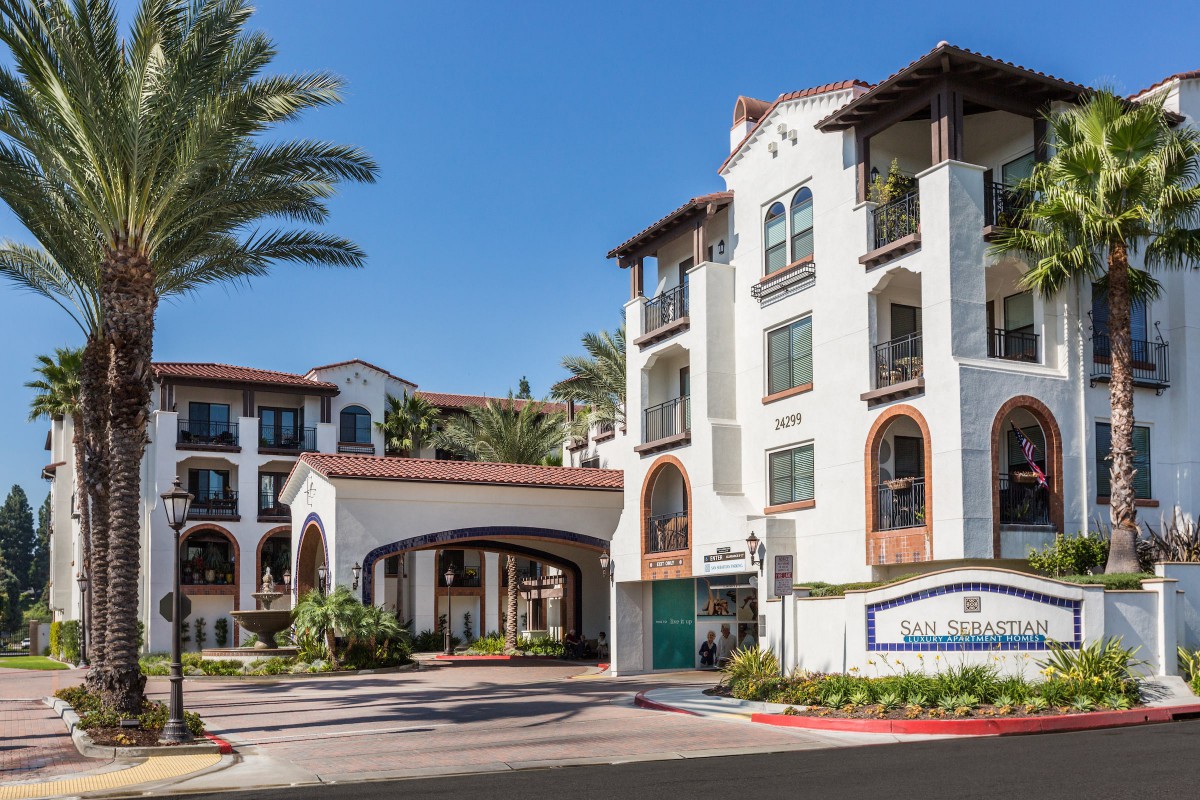
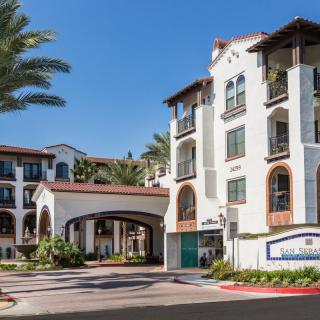
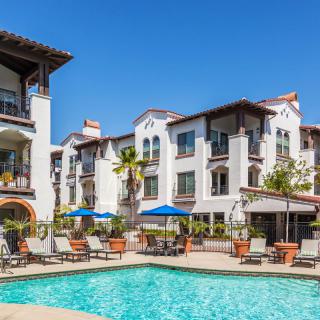
24299 Paseo De Valencia, Ste 1000, Laguna Woods, CA 92637
To contact a resident: (949) 472-8245
For more information about senior living options: (866) 208-4318
San Sebastian Costs & Pricing
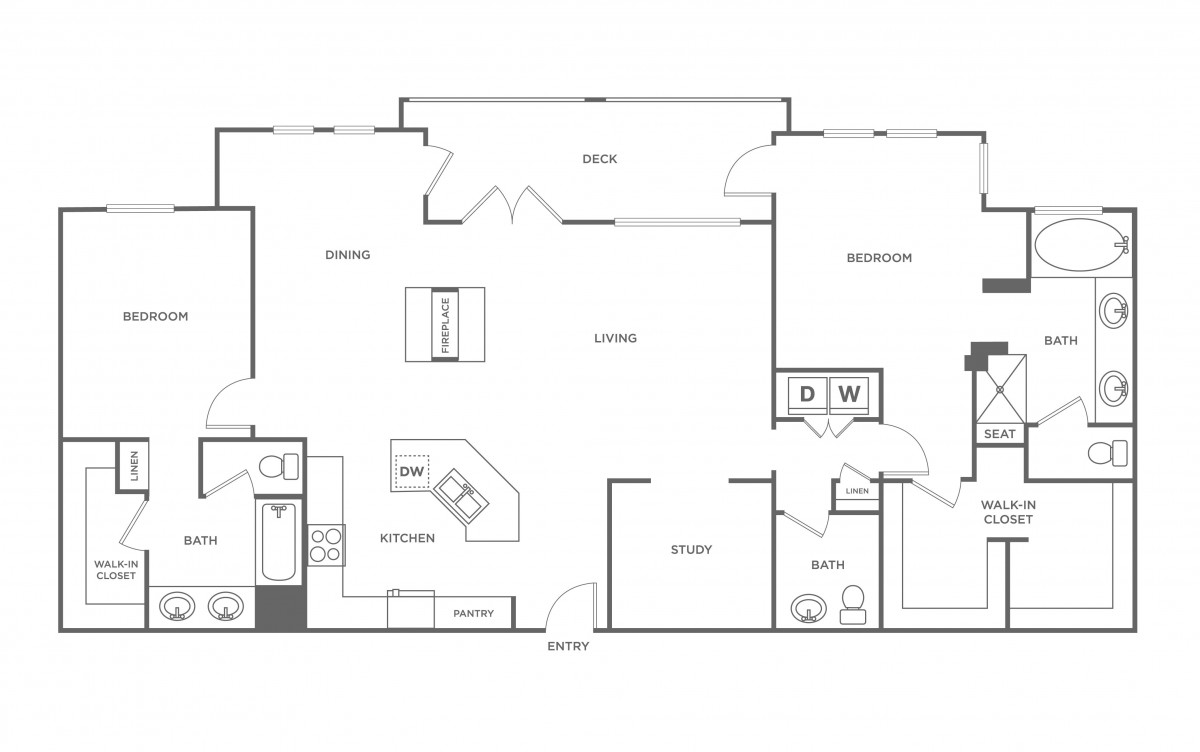
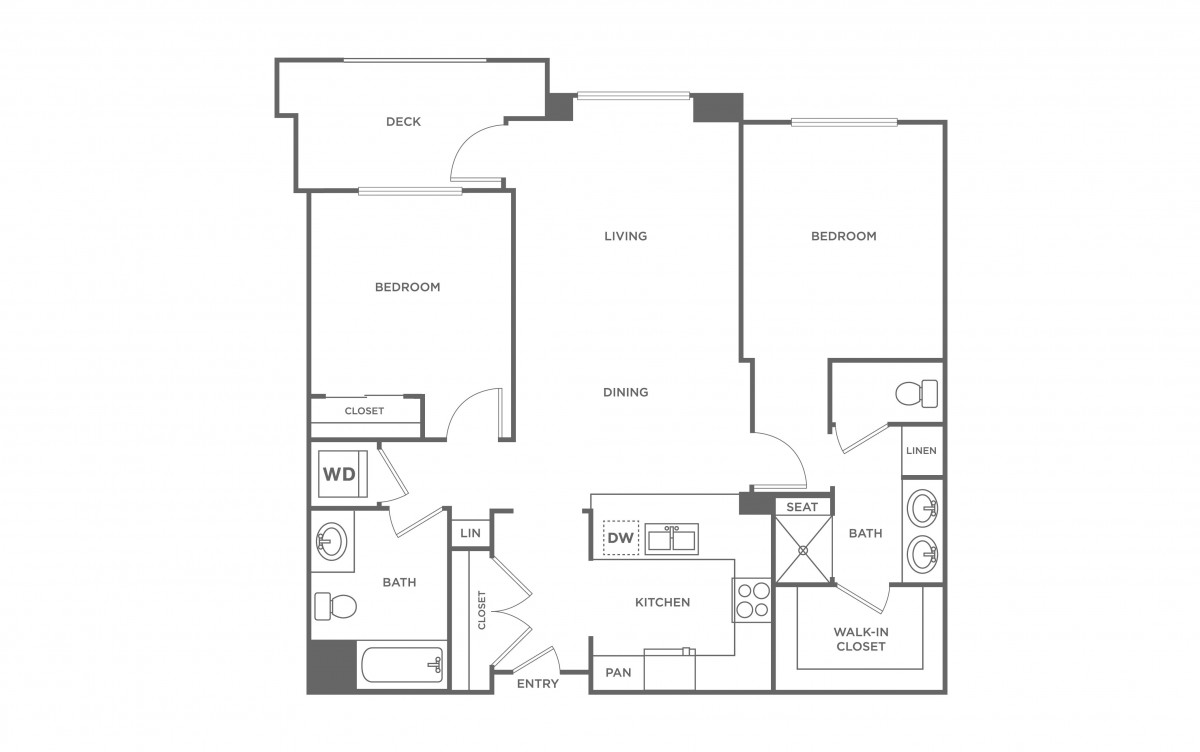
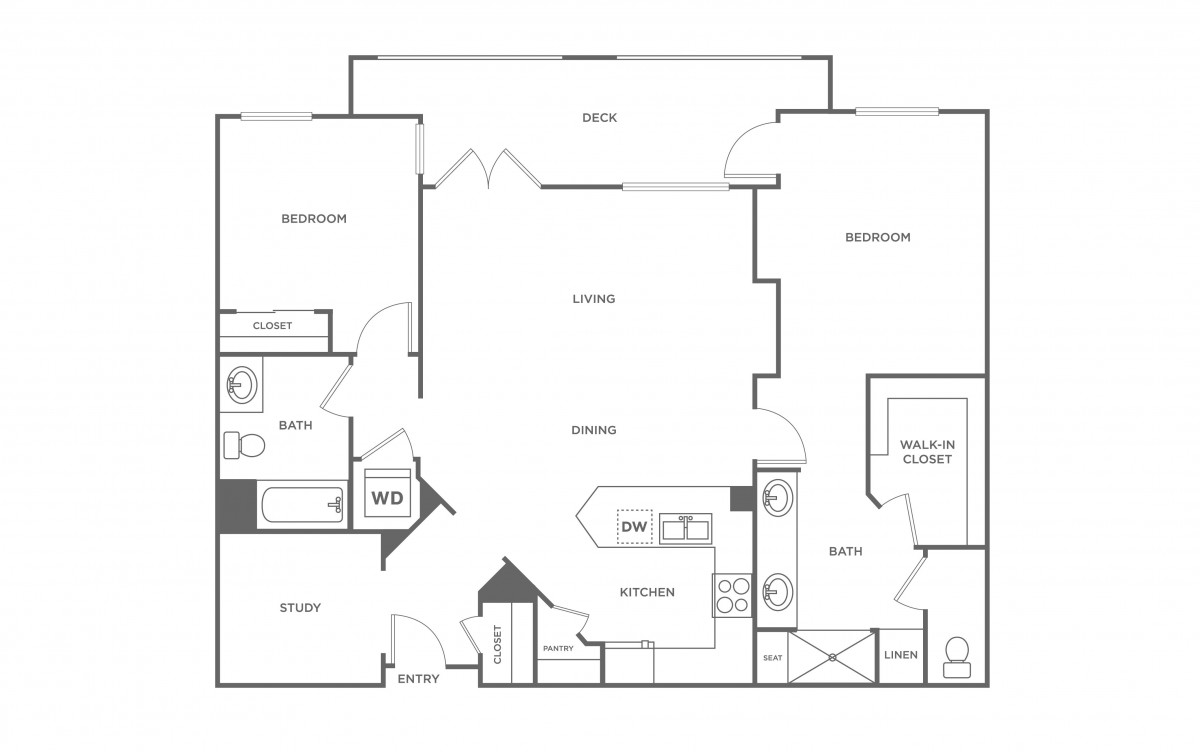
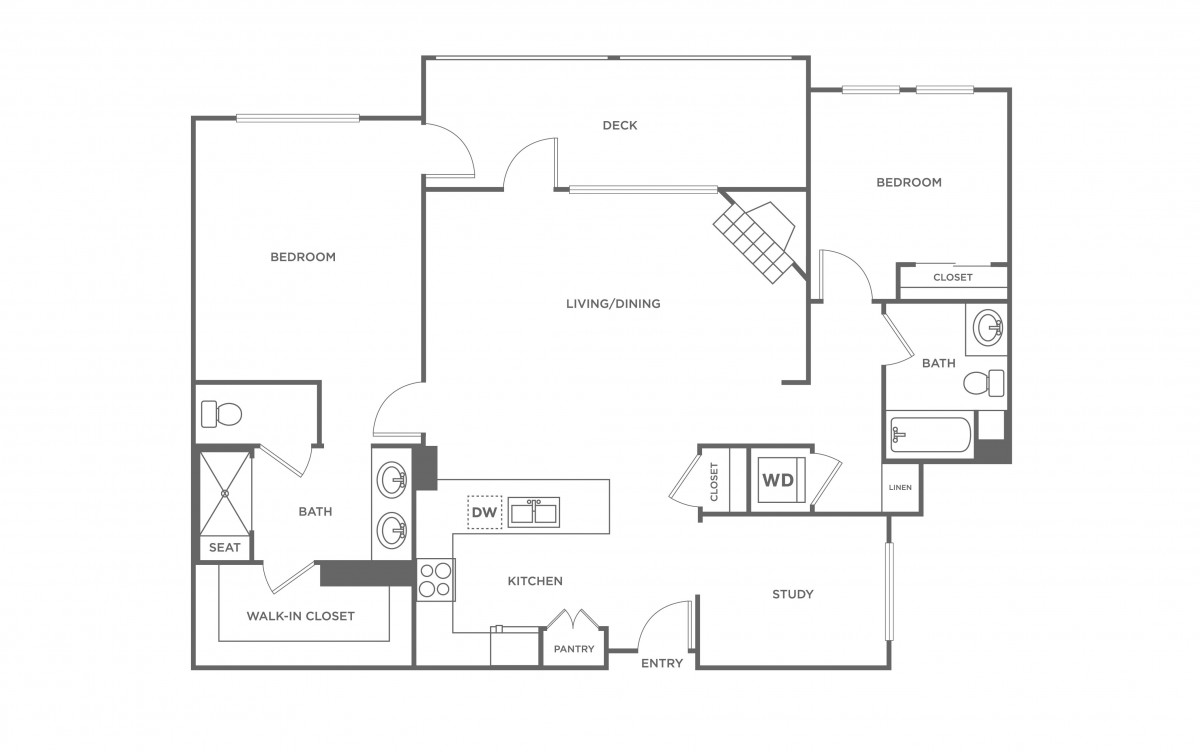
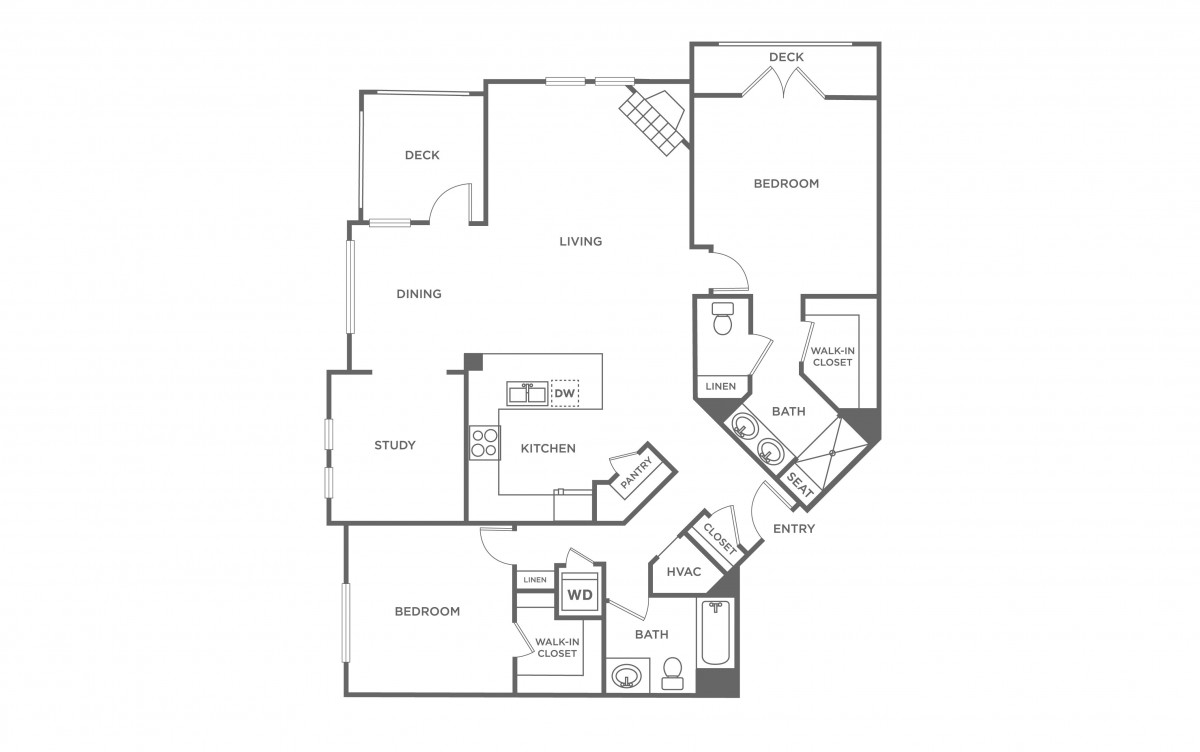
In San Sebastian, the monthly cost for a two-bedroom unit is $2,500, which stands in stark contrast to the significantly higher prices in Orange County and the broader California market, where such accommodations average around $5,390 and $5,270 respectively. This striking difference highlights San Sebastian as an appealing option for individuals or families seeking affordable living arrangements without sacrificing quality of life. The lower cost not only makes it a financially attractive choice but also allows residents to allocate resources toward other pursuits, enhancing their overall lifestyle in a vibrant community.
| Floor plans | San Sebastian | Orange County | California |
|---|---|---|---|
| 2 Bedrooms | $2,500 | $5,390 | $5,270 |
Independent Living communities with a similar price nearby
-
from +$495 / mo
Coastal Heights Senior Living
$2,995 to $4,208 / month11.7 miles away -
from -$105 / mo
Atria Del Sol
$2,395 to $6,995 / month3.6 miles away -
from +$95 / mo
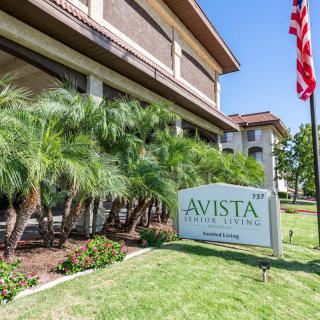
Avista Senior Living Magnolia
$2,595 to $4,095 / month19.5 miles away -
from +$400 / mo
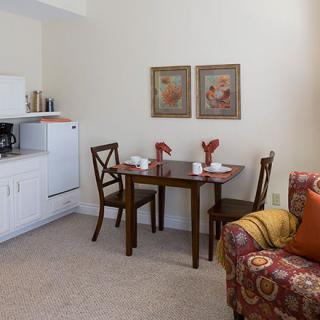
Capistrano Senior Living
$2,900 to $6,625 / month8.3 miles away -
from -$400 / mo
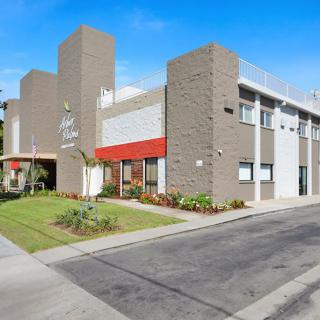
Arbor Palms Senior Living
$2,100 to $4,200 / month22.2 miles away
Overall Review of San Sebastian
Pros
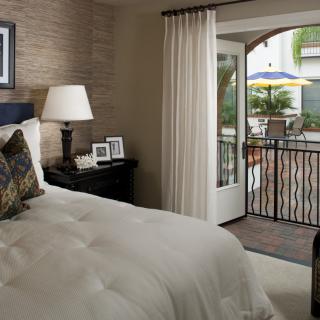
 The units are roomy.
- Communication is good and has been improving.
- The mother-in-law enjoys the community.
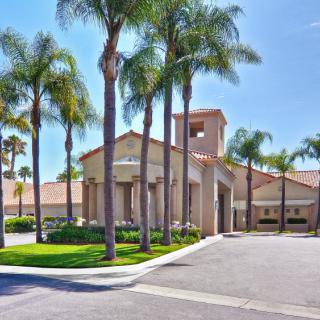
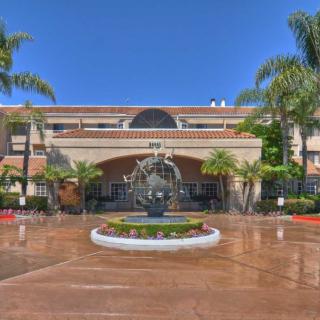
- The place looks pretty.
- Grandma loves the place.
- The apartments feel like home.
- The activities are numerous and fun.
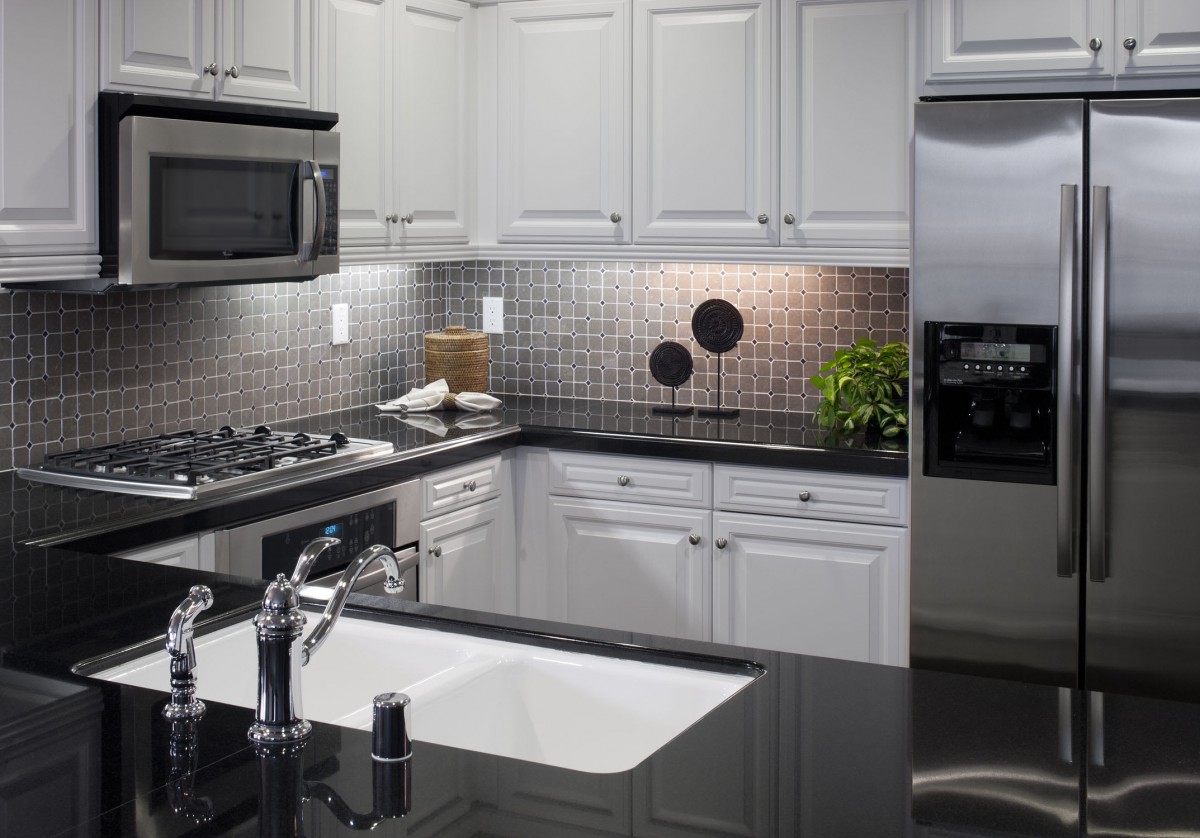
- The community is clean and crisp with high-quality materials.
- The staff are cheerful and welcoming.
Cons
 One of the two buildings is closer to the road and can get noisy.
- Meals and dining are not available.
- The reviewer felt that retirement-living options were largely convalescent living.
Review
This community is best suited for active, independent seniors who want a vibrant, social 55-plus environment in Laguna Woods and prefer move-in ready, well-constructed apartments with a strong sense of community. It suits those who value numerous activities, clean surroundings, and convenient access to stores and public transportation, all inside a polished, low-maintenance setting. For families seeking a lifestyle where daily meals and intensive on-site care are central, this is a mismatch; the emphasis here is on independence, social engagement, and convenient living rather than full-service dining or healthcare.
Those who may want to consider alternatives include seniors who rely on daily meals or on-site assisted living services, or who require a quieter, more park-like setting without road-adjacent noise. One building sits closer to a road and can be noticeably louder, which will be a concern for residents who prize complete acoustic calm. If quiet is non-negotiable, or if a higher level of care becomes necessary, exploring communities with stronger meal programs, on-site healthcare, or better-specified sound insulation would be prudent.
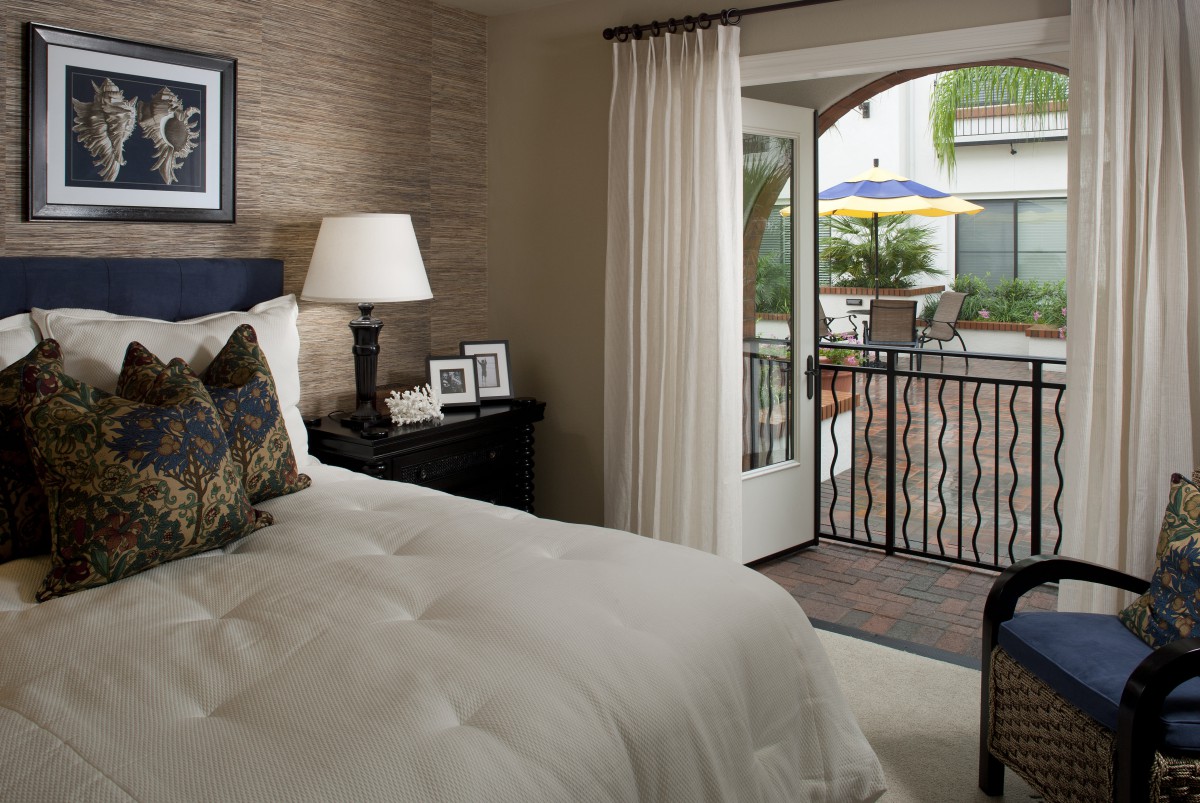
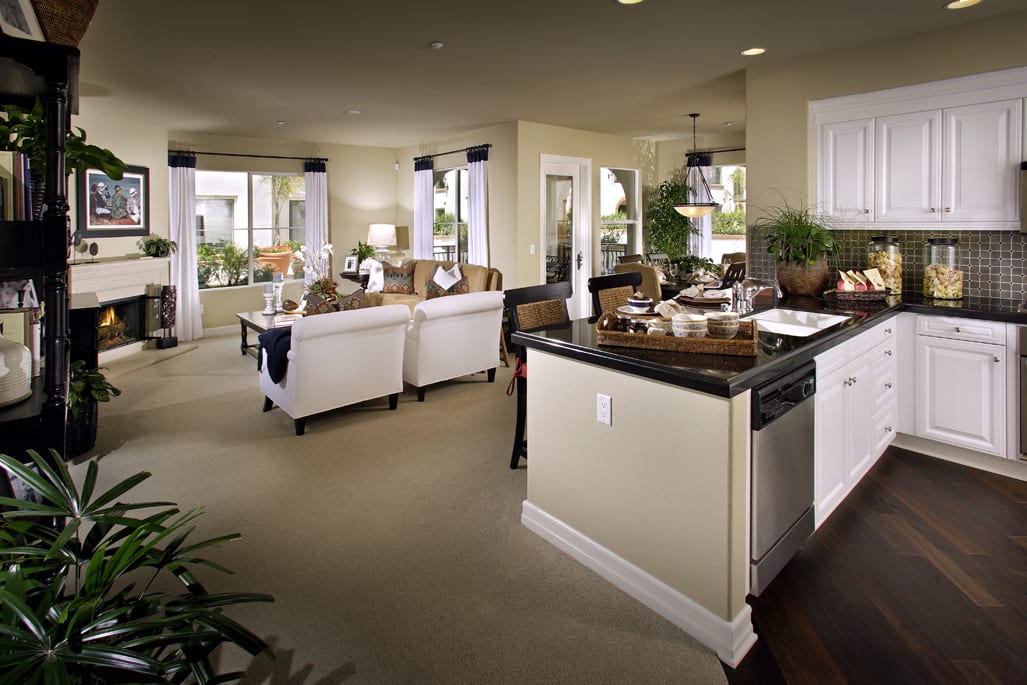
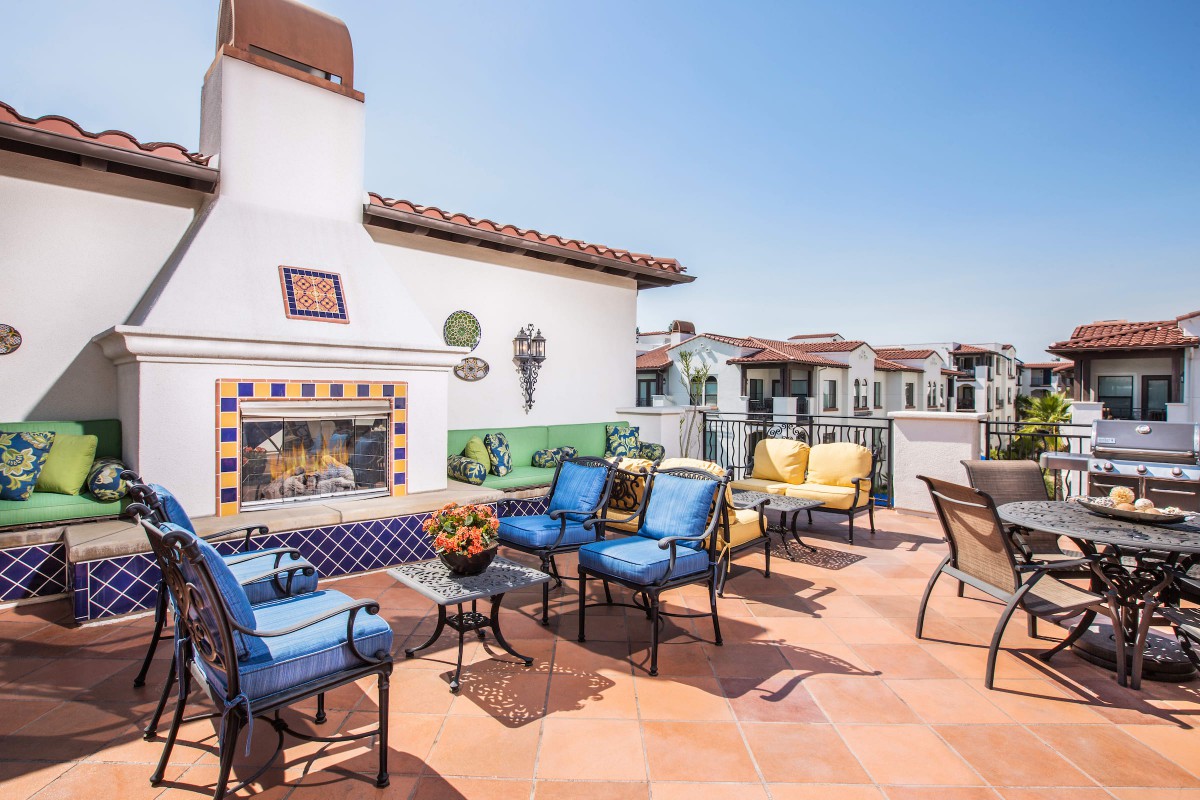
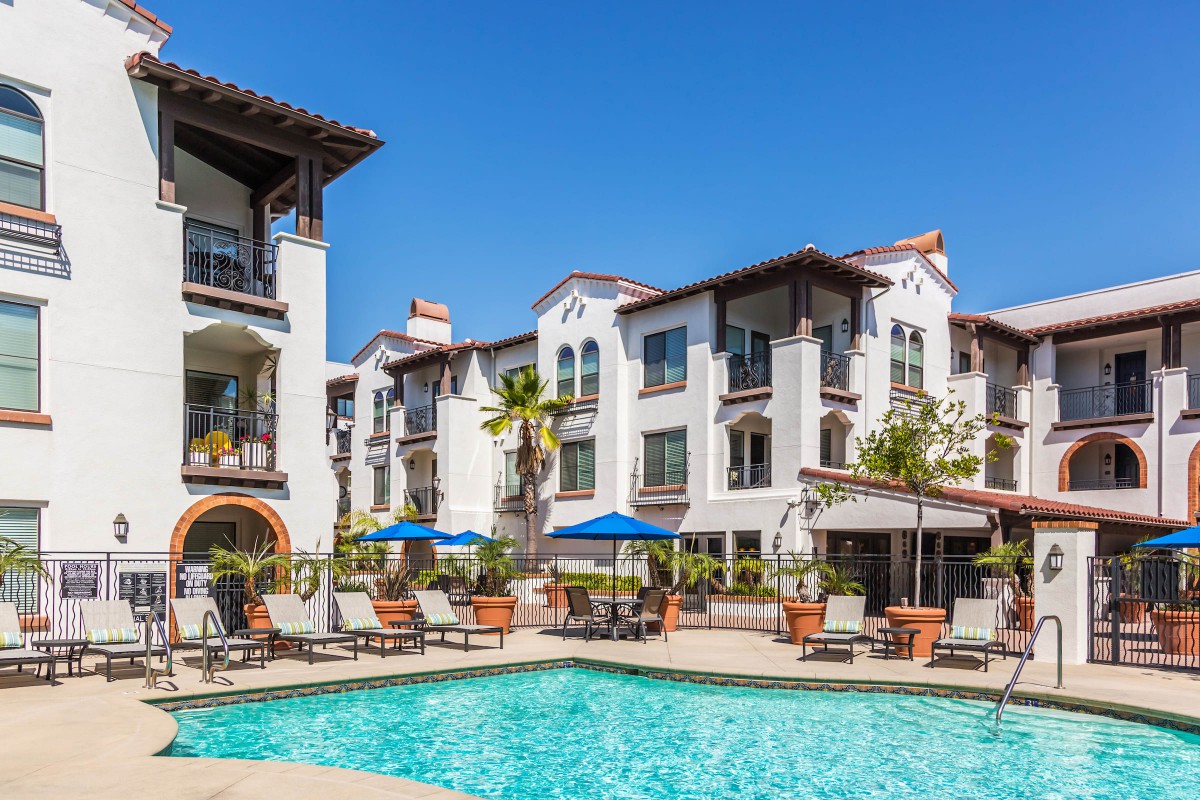
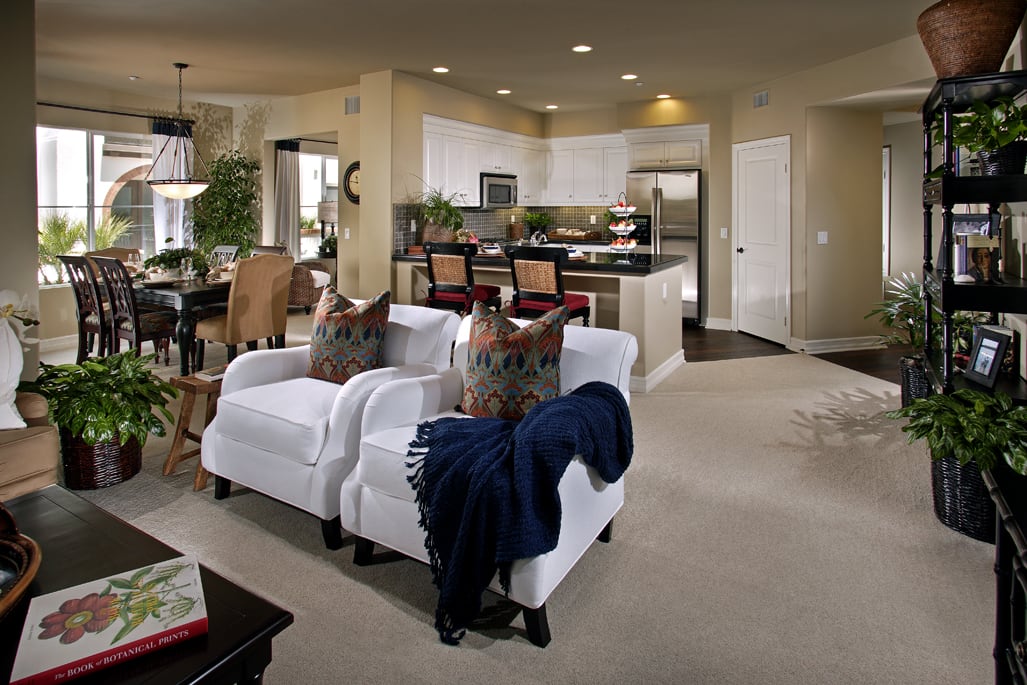
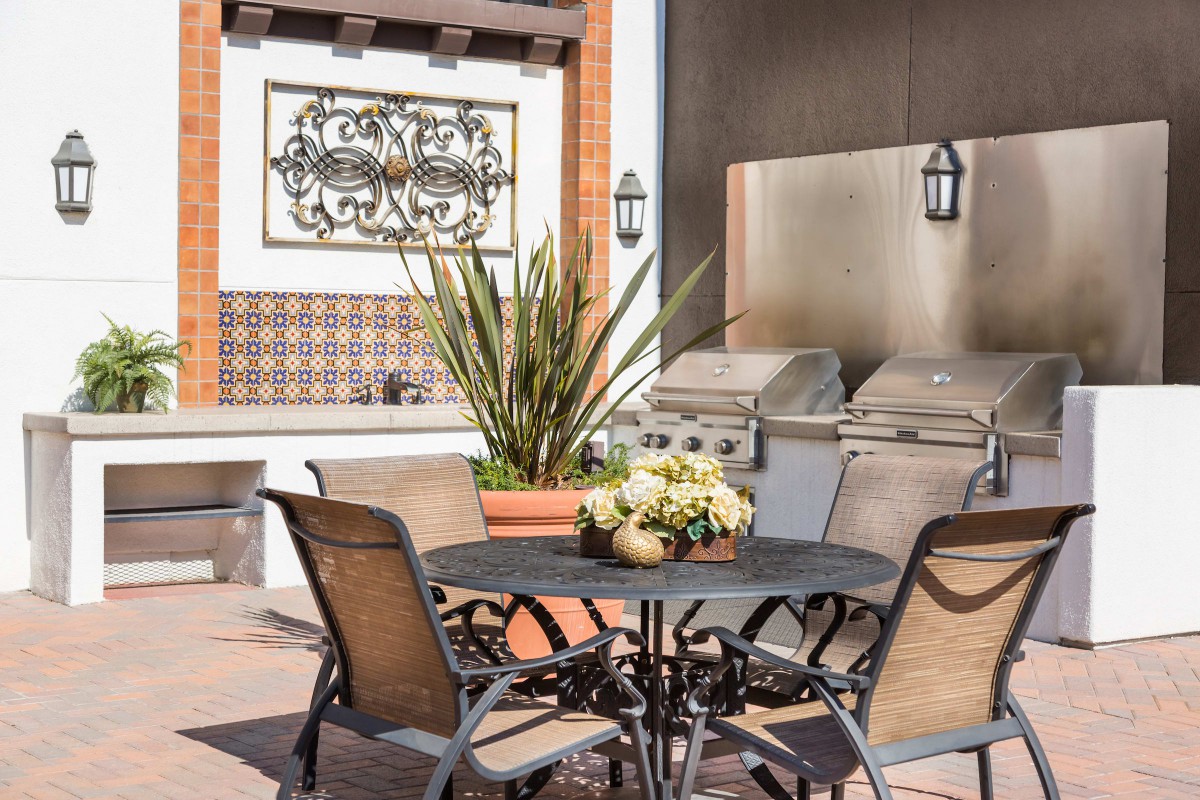
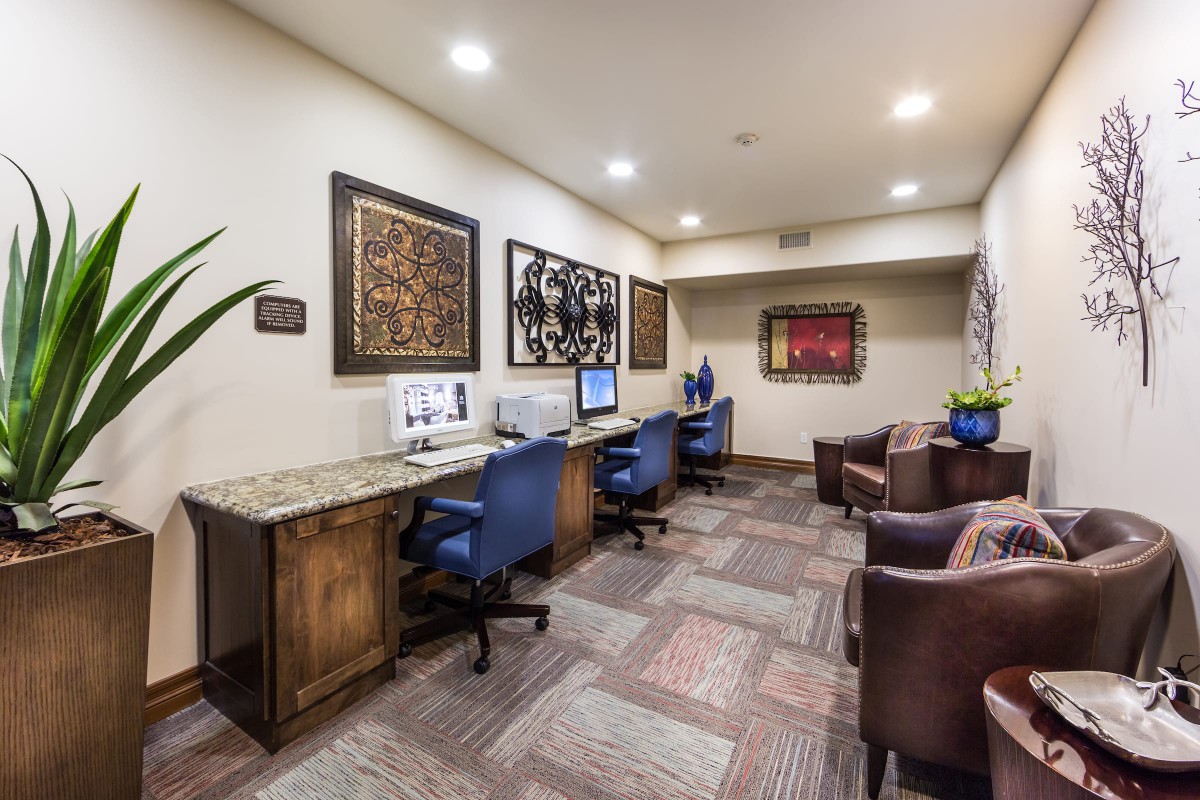
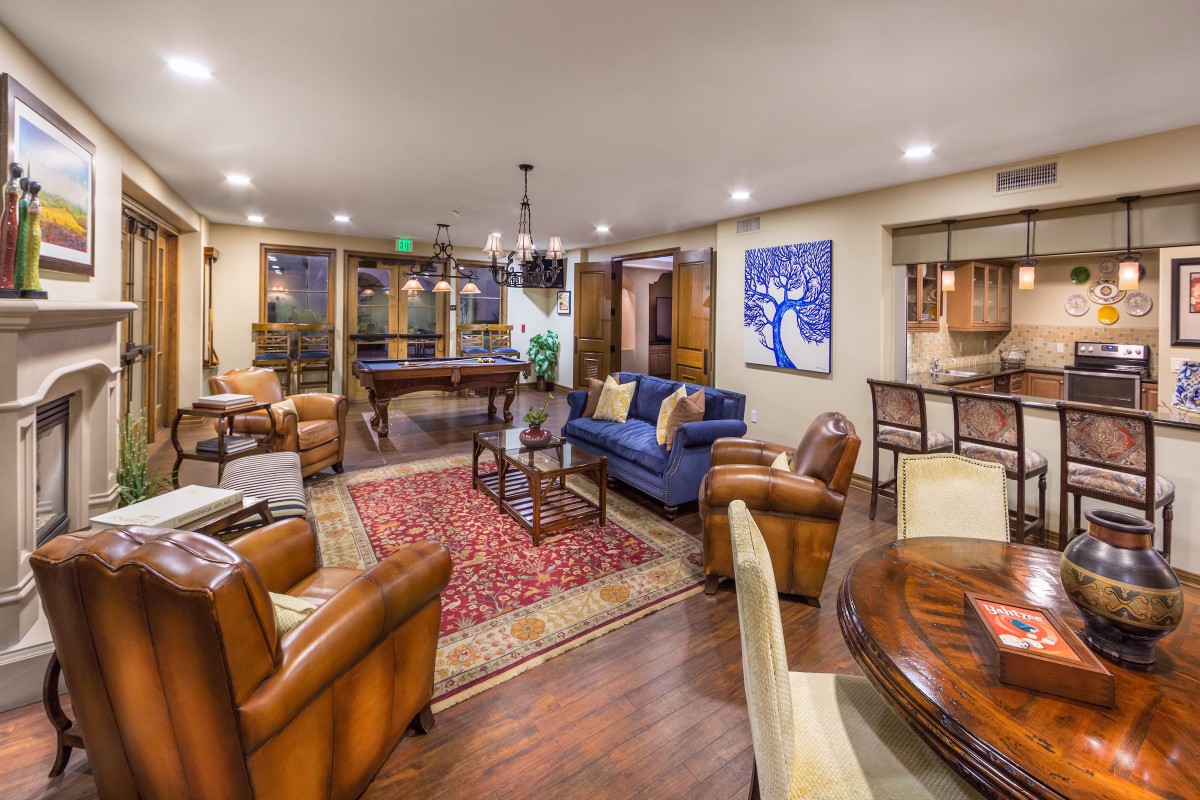
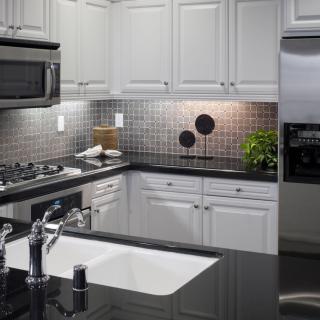
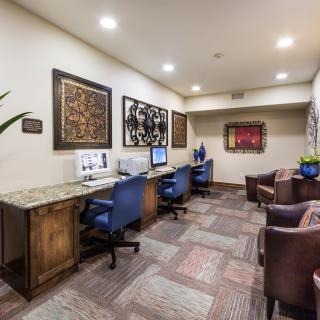
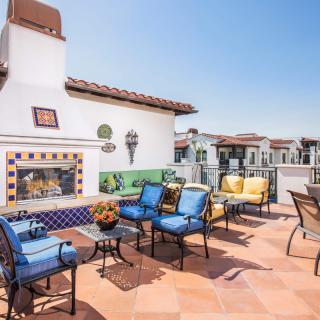
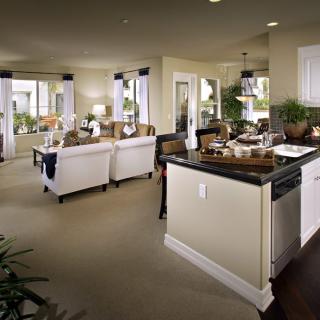
The strongest selling points are the durable, well-maintained units and the broad social fabric. Large, home-like apartments feel fresh and comfortable, with materials and craftsmanship that hold up under long-term use. The campus offers plentiful common areas designed for socializing, and a generous calendar of activities that gives residents frequent opportunities to meet peers, form routines, and stay engaged. Staff are described as cheerful and responsive, and families reflect appreciation for a welcoming, resident-centered atmosphere. Cleanliness and overall presentation reinforce a sense of safety and pride in the community.
Those positives align well with the downsides to produce a practical balance. The dining picture is not a full-service restaurant model; meals aren’t served daily, though breakfast a few times a week and weekend brunch provide a light, social dining option. For many, this suffices as a bonus to the social calendar, but it won’t replace the regular meals and nutrition support some seniors expect. Noise variability between buildings matters: the quieter sections still deliver a calm, residential feel, but the road-proximity unit will demand a personal tolerance for ambient traffic sounds. On balance, the pros, space, cleanliness, activity options, and a welcoming staff, offset the dining gaps and occasional noise for residents who prioritize social vitality and independence.
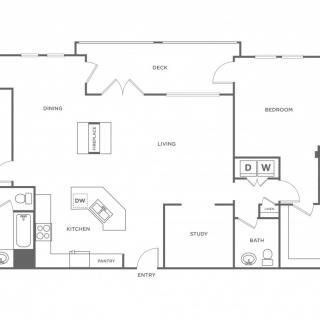
Decision-making hinges on how important social immersion and convenience are relative to meals and quiet. For active adults in good health who want a lively, walkable community with easy access to errands and public transit, this property is a compelling choice, especially if the quieter building is selected or if noise is manageable. Families should factor in the value of robust social programming, move-in readiness, and the sense of “home� that residents report, against the absence of daily dining and the potential for acoustic disturbance. Tours that assess apartment layout, noise levels, and the activity calendar will be essential.
In sum, San Sebastian stands out as a strong option for independent seniors seeking a warm, activity-rich environment with clean, comfortable living spaces and a built-in social network. It is less suitable for those who need daily meals, ongoing on-site care, or maximum quiet, and for whom alternative communities with fuller dining service or stricter noise controls may be preferable. When the priority is an active, connected lifestyle within easy reach of shops and transit, this community delivers with credibility and confidence, provided the choice of building and expectations around dining align with individual needs.
 Independent Living
 Cats allowed
 Dogs allowed
 Activities on-site
 Bath tubs
 Devotional services off-site
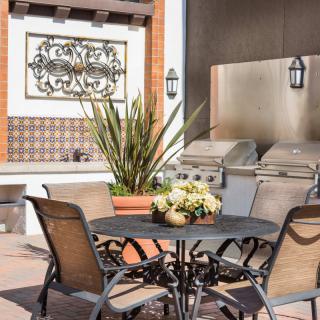
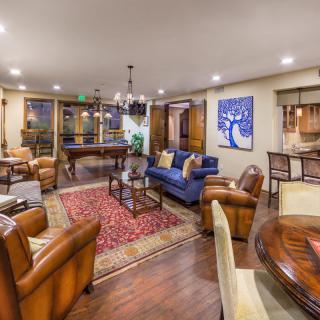
 Indoor common areas
 Outdoor common areas
 Swimming pool / hot tub
 John Wayne Orange Co (10 miles away)

 Urinary Tract Infections in Older Adults: Comprehensive Insights on Symptoms, Treatment, and Prevention
 California's Form 602A: An In-Depth Examination of Senior Care Assessment
 Comprehensive Look at Senior Blood Pressure Charts: Normal and Elevated Levels by Age